
You call their name. Nothing. You say it again, a little louder. Still nothing. Your dog is standing just a few feet away, completely absorbed in a blade of grass, while you wonder what on earth you did wrong. Sound familiar? If you’ve ever felt invisible to your own beloved pup, you are so not alone. The truth is, this is one of the most common and quietly heartbreaking experiences dog owners have.
Here’s the good news. It’s almost never about you. Your dog isn’t staging a rebellion or secretly plotting your emotional downfall. There’s always something real happening beneath the surface, whether it’s how you’re communicating, what your dog is feeling, or even something physical going on. Once you understand why it happens, everything changes. So let’s get into it.
Your Dog Isn’t Stubborn – They Just Don’t Generalize the Way We Do
One of the most common reasons dogs don’t respond is surprisingly simple: they don’t actually know what you’re asking. Just because a dog sits perfectly for a treat in the kitchen doesn’t mean they understand “sit” at the park, in a noisy environment, or when they’re excited. It’s a bit like learning a word in another language at your kitchen table and then being quizzed on it at a loud concert. The context completely changes the game.
Dogs simply don’t generalize behaviors the way humans do. If they haven’t practiced a command in different situations, they may not recognize it when you really need them to respond. So rather than repeating the same command louder or more frantically, the answer is to practice in new places consistently. Train in multiple locations and gradually increase distractions, reinforcing cues in different settings to help your dog truly learn them.
The Science of “Tuning Out” – Why Too Many Words Backfire
The science of how the brain works tells us that when a signal is repeated over and over with no meaning attached, it will become background noise. Think about living near a busy road. You stop hearing the traffic after a while. Your dog’s brain works exactly the same way when commands flood in nonstop.
Dog owners who overload their dogs with command after command can cause their dogs to tune them out. We also have to remember that dogs don’t know English, Spanish, Mandarin, or any other human language. You may have taught them some commands, but trying to reason with them in our own language only makes communicating with them more confusing. When it comes to asking your dog to do something, less is really more. Use commands quite sparingly and don’t add any other conversation to them.
When It’s Not Training – It Could Be Health or Age
Honestly, this is the one that breaks my heart a little. Sometimes what looks like ignoring is actually your dog physically struggling to respond. Older dogs may start ignoring your commands simply because they can’t hear well, see clearly, or feel comfortable, as pain makes them less responsive and more withdrawn. Your senior dog isn’t brushing you off. They might simply not hear you anymore.
Physical decline can happen gradually as dogs age, so it’s not always easy to recognize when a senior dog is slowing down. Senior dogs can experience everything from diminished vision and hearing to cognitive declines, which can then impact their willingness and ability to connect with their people. Schedule a trip to your veterinarian if your formerly attentive dog starts ignoring you. Canine discomfort can manifest in a bunch of different ways, so it’s smart to determine if there’s a physical reason for your dog’s behavior.
Distractions and the Art of Becoming the Most Interesting Thing in the Room
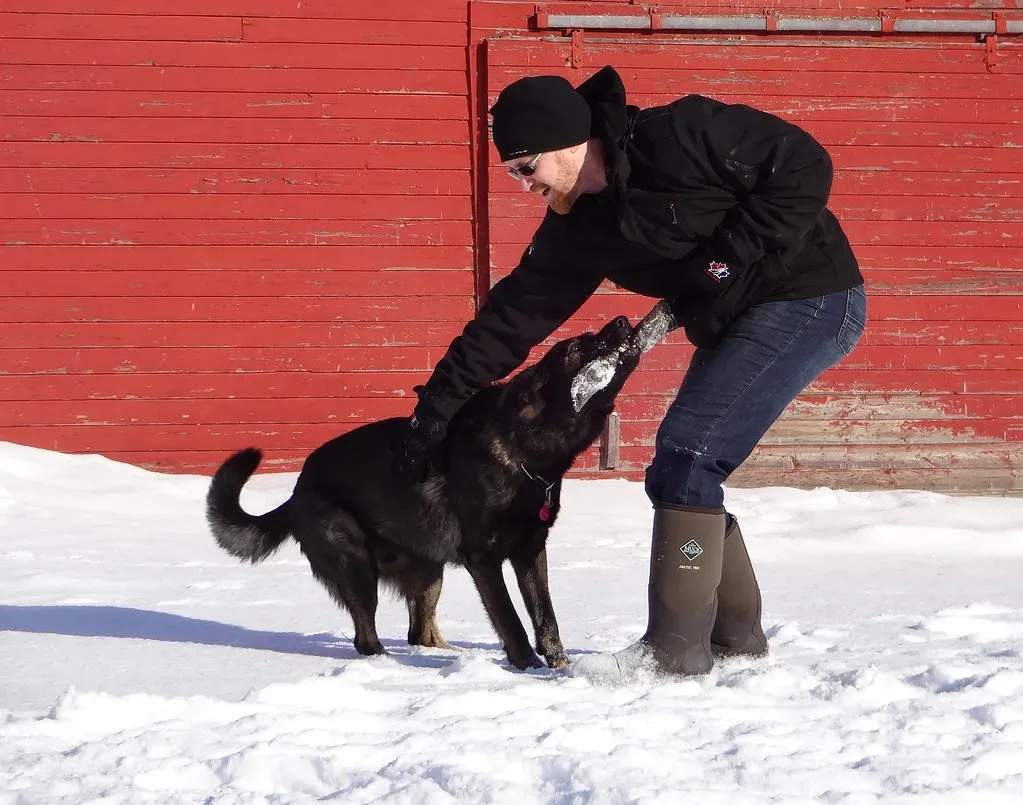
If your dog is more interested in sniffing the grass or watching other dogs than listening to you, it’s likely because those things are more interesting to them at that moment. Dogs are animals, and they absolutely live moment by moment. Let’s be real, competing with a squirrel for your dog’s attention is a tough assignment. But it’s a winnable one.
Your dog will ignore you if you are more boring than their surroundings. So do anything to get their attention when you call them – run away, show them a toy, do something unexpected so they come to investigate. Every dog is different, and each dog will be motivated by different things. If you’re offering a reward your dog doesn’t find valuable, they’re less likely to do what you’re asking. The main two categories for rewards are food and play, and a food-motivated dog may not do anything for you if you’re offering a tennis ball in return.
Gentle, Practical Ways to Rebuild Your Dog’s Attention
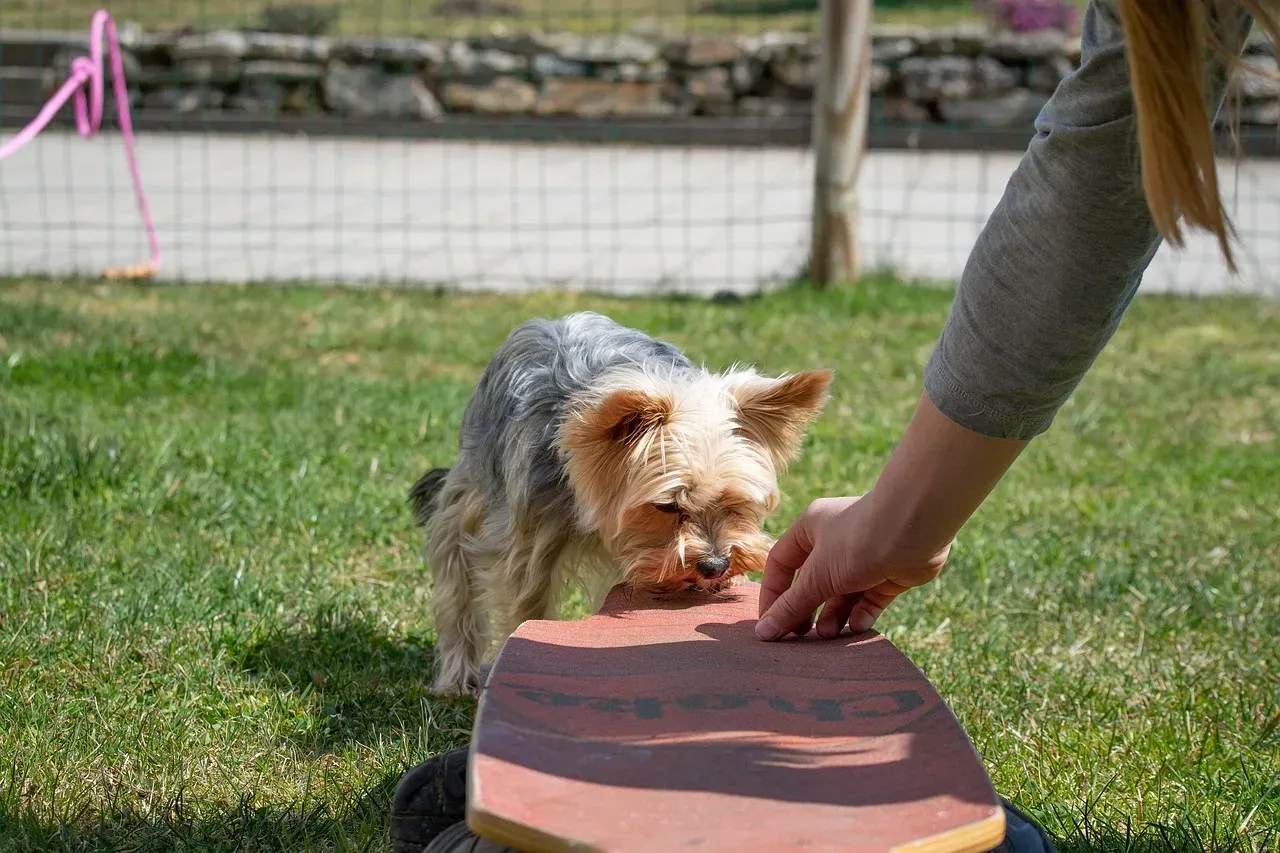
The good news is you don’t need to overhaul your whole life to rebuild your dog’s focus. Small, consistent changes go an incredibly long way. Getting a dog’s attention, particularly when they’re new to training, is the first step to teaching any behavior. If your dog isn’t looking at you, chances are they aren’t listening to you either. So teach attention itself as a skill.
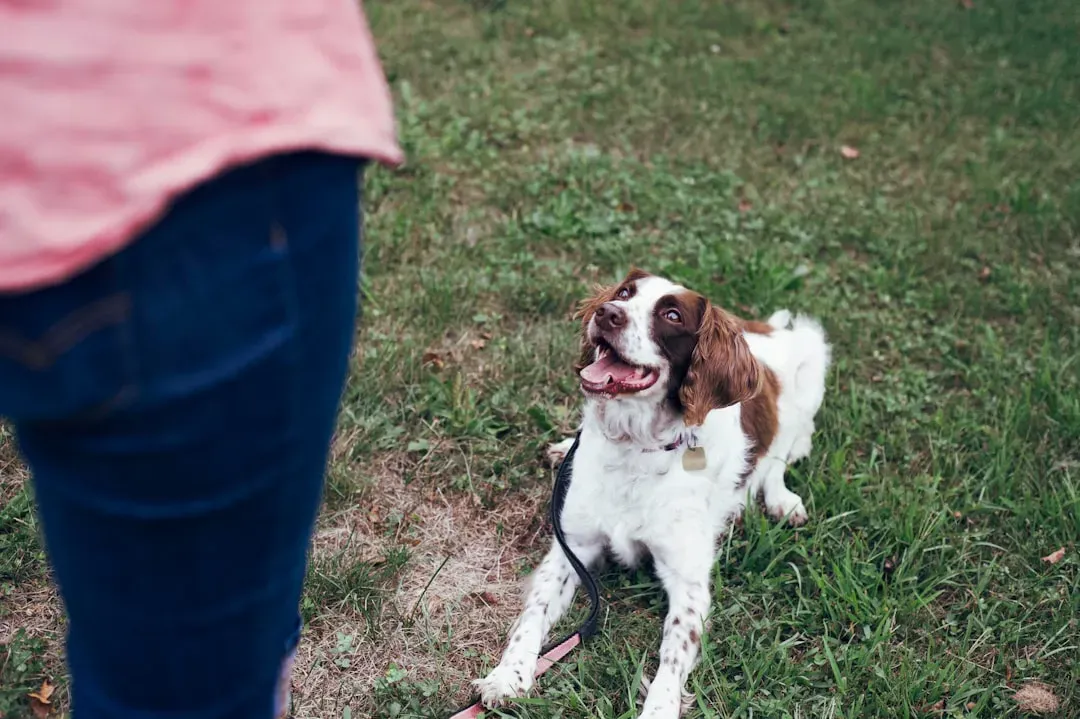
A “Watch Me,” “look,” or “look at me” cue can all work well as verbal tools to catch a dog’s attention. A “watch me” cue allows you to control your dog’s focus, which is essential during training sessions. Pair that with rewarding even tiny moments of voluntary attention. Any time your dog is choosing to look at you instead of something else exciting, reward that with praise, a treat, or even a cuddle. Let your dog know you’re somebody worth attending to.
Dogs have short attention spans, so it’s essential to keep training sessions short and engaging. Mix up the types of training activities you do and reward your dog for its efforts. Remember to include “recess periods” of play to keep each session enjoyable for you and your dog. Think five to ten minutes of focused, fun practice rather than a long exhausting drill. Your dog will thank you for it.
Conclusion: It Was Never About Being Ignored
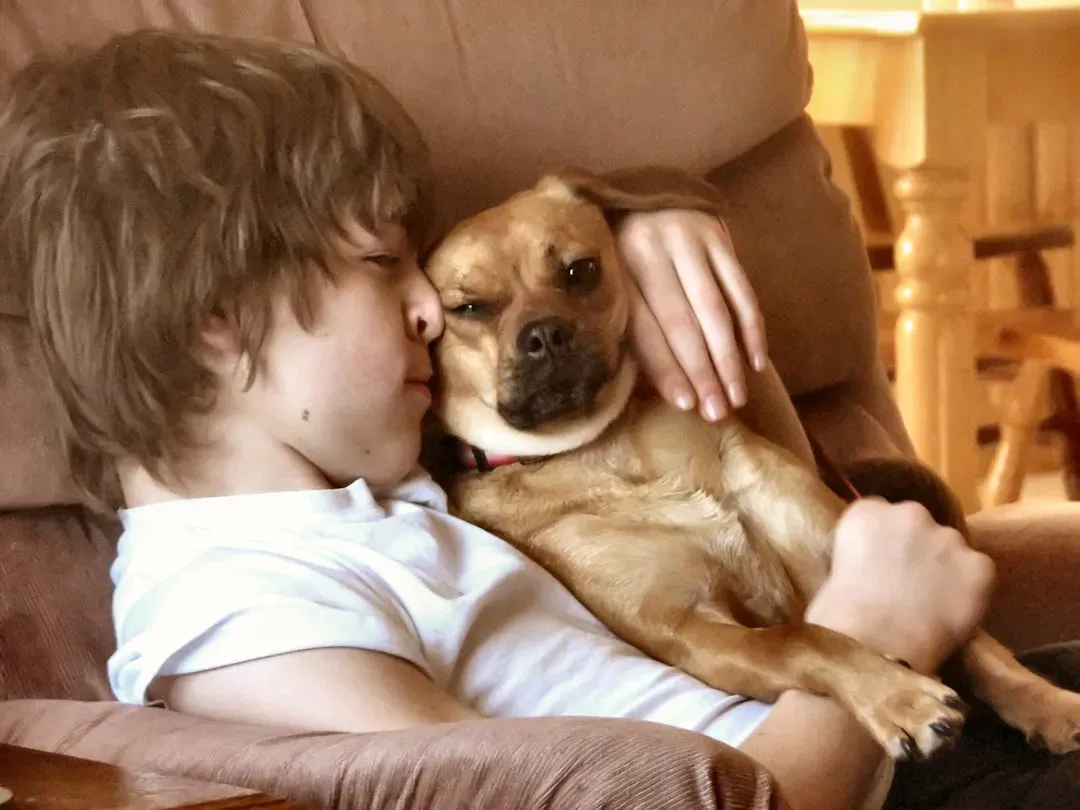
At the end of the day, a dog that seems to tune you out is simply a dog with unmet needs, a gap in communication, or a world that’s just too fascinating to resist. It’s not a sign you’ve failed as an owner. It’s an invitation to understand your dog on a deeper level.
A dog’s relationship with their owner is built on trust and respect. If a dog is ignoring their owner, it may be because they do not feel secure or comfortable. Owners can build trust by providing consistent, positive interactions and avoiding punishment or harsh training methods. That’s not complicated. It’s just kindness, paired with patience and a bit of strategy.
The bond you’re building with your dog is worth every small frustration along the way. The moment your pup locks eyes with you in a crowded park, choosing you over every distraction around them, that feeling is absolutely irreplaceable. Keep showing up for them, gently and consistently. They’re doing their best too. What small change are you going to try first? Drop it in the comments!


