

You walk through the door, maybe you’ve only been gone twenty minutes, and suddenly your dog transforms into a furry detective. Their nose is everywhere – your shoes, your pockets, your hands, even that spot behind your knee you forgot existed. You laugh it off, thinking they’re checking where you’ve been or what interesting smells you’ve picked up.
Here’s the thing, though. That’s not really the full story. Sure, they’re gathering information about your day, what you touched, who you met. Yet the real reason behind that intense sniffing session is something far more profound and surprisingly tender. It’s less about investigation and more about connection. Let’s dive in.
Your Scent Is Their Security Blanket
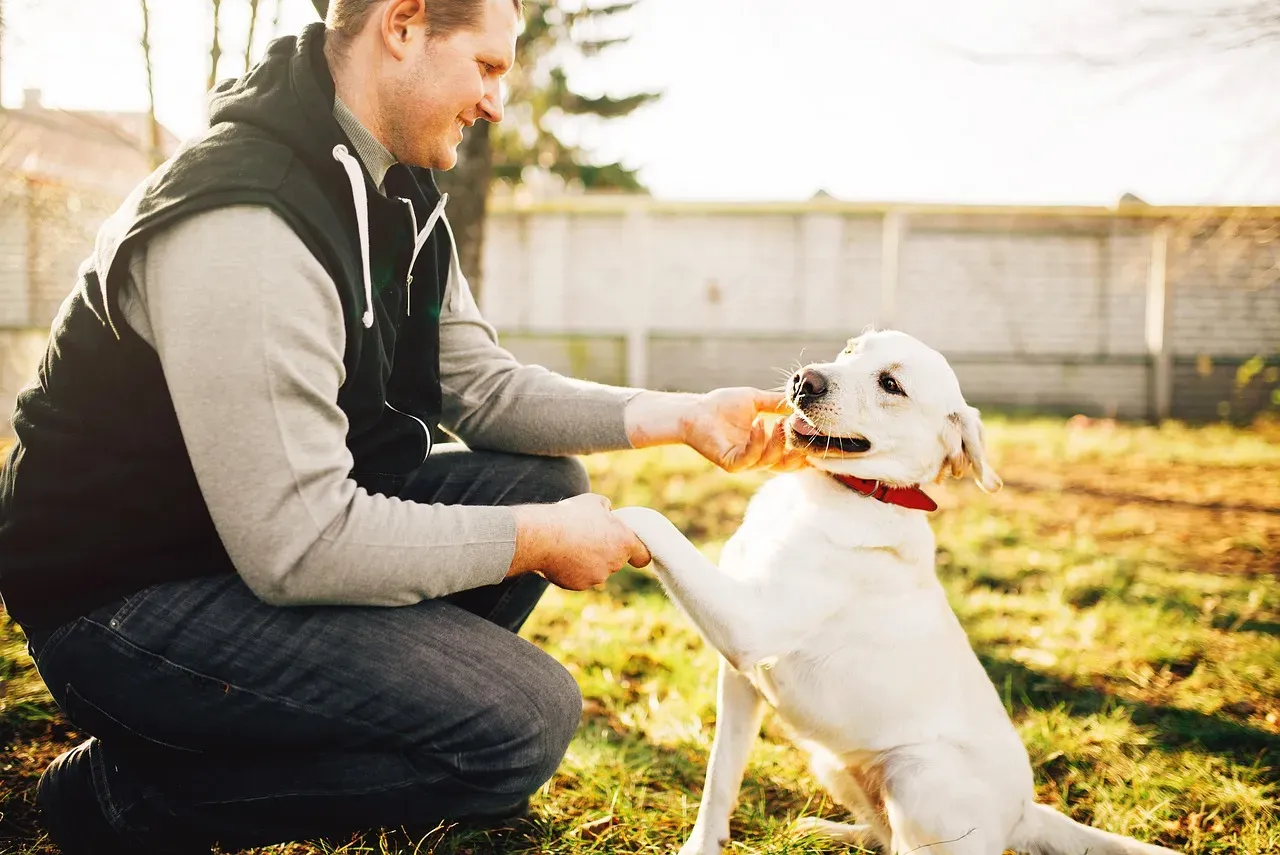
When your dog sniffs you enthusiastically after you return, they’re essentially getting a good dose of your scent to reassure themselves that, yes, it is you. Think about how you might feel seeing a loved one after time apart. That flood of relief, that settling feeling in your chest. Dogs experience something similar, except they process it through smell rather than sight.
Your personal odor is special to them even though us sensory poor humans don’t even notice we have one. I think it’s beautiful, honestly. For dogs with attachment issues, their excessive sniffing provides a hit of happiness, basking in your scent, as well as allowing themselves to refamiliarize themselves with their most trusted humans.
It’s their way of saying, “You’re back. Everything’s okay now.” Allowing your dog to smell you can release happy hormones into their system, helping to relieve stress and calm them down. So that frantic sniffing? It’s actually helping them decompress from your absence.
Their Nose Is a Supercomputer You Can’t Even Imagine
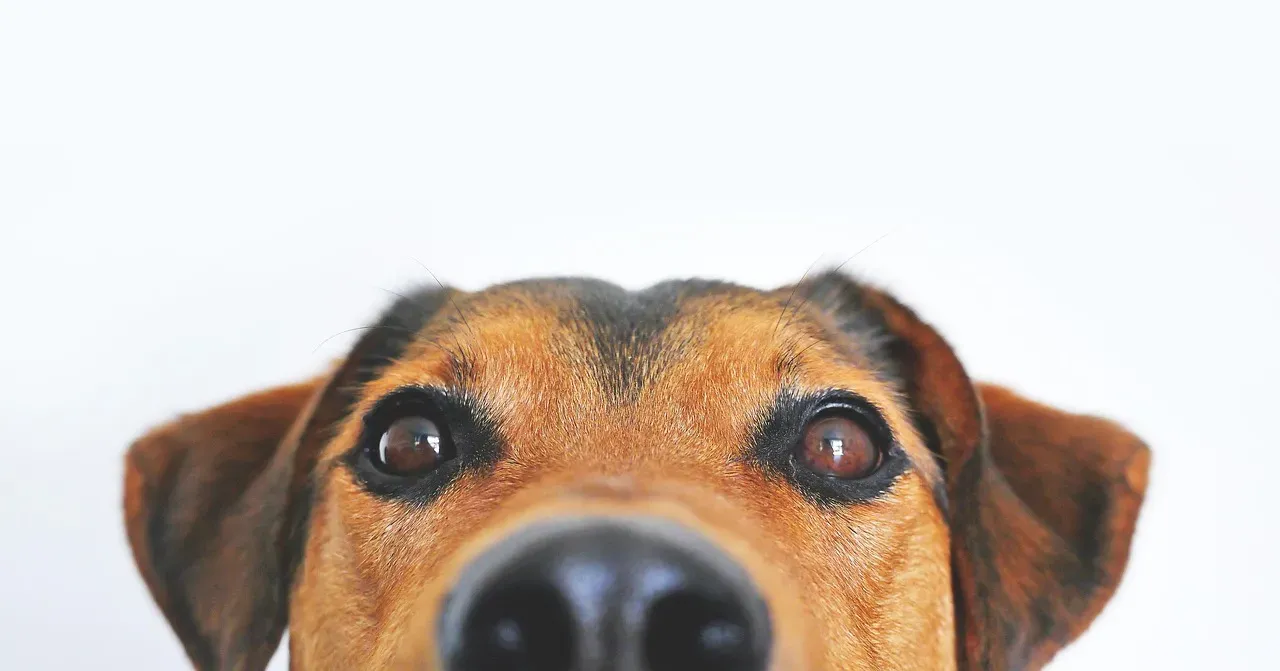
Let’s be real, we humans are basically scent-blind compared to dogs. Dogs have roughly forty times more smell-sensitive receptors than humans, ranging from about 125 million to nearly 300 million in some dog breeds, such as bloodhounds. Forty times more. That’s not a small difference.
Even more impressive, the area of the canine brain devoted to analyzing odors is about 40 times larger than the comparable part of the human brain. While we’re busy looking at the world, they’re reading it through invisible chemical stories floating in the air. Dogs can detect substances at concentrations of one part per trillion – a single drop of liquid in 20 Olympic-size swimming pools.
That intense sniffing when you walk in? They’re not just smelling you. They’re reading a novel written in molecules. A dog’s nose can detect what you touched, who you interacted with, what you ate, and even if you encountered other animals.
They’re Checking Your Emotional Temperature
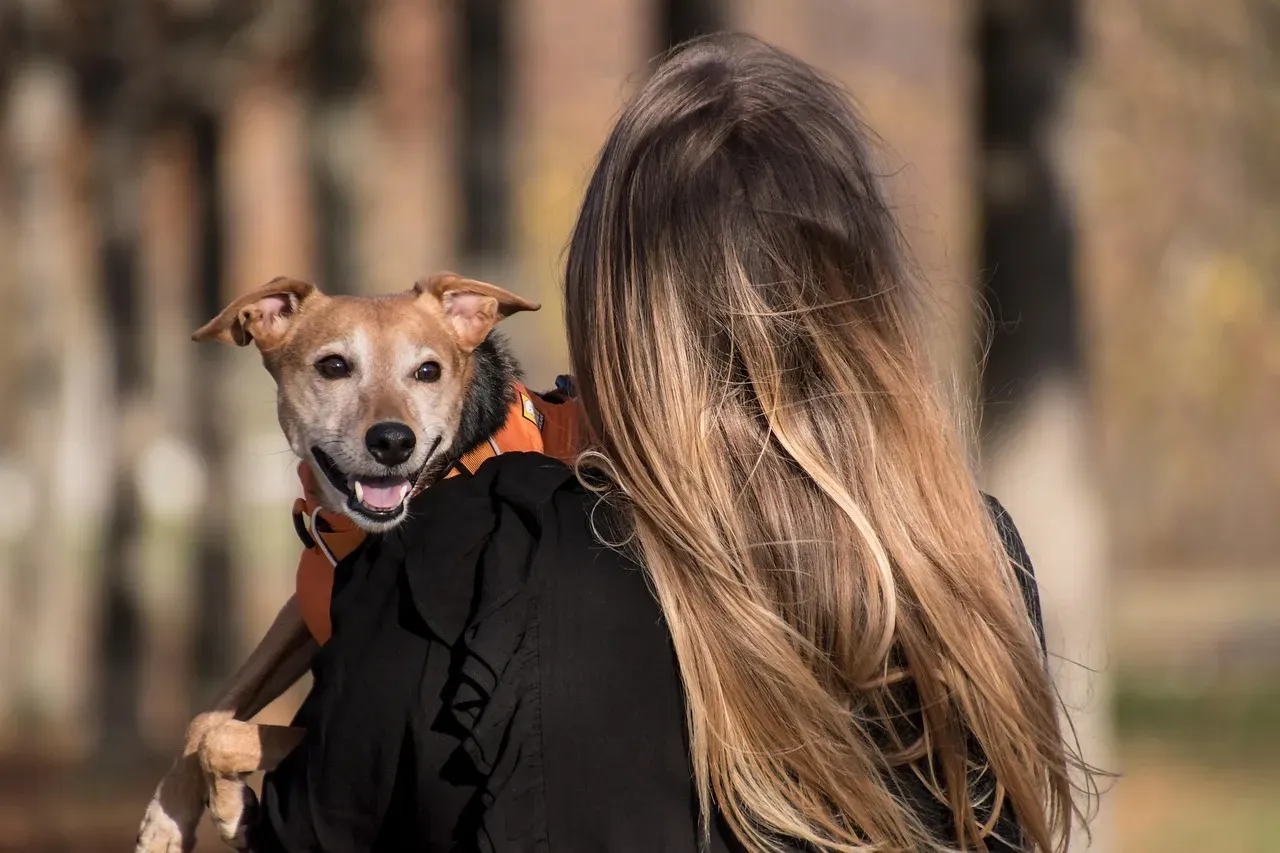
This one might surprise you. Dogs can detect changes in your emotional state and health through their sense of smell, and their ability to smell hormonal changes and chemical signatures in your body makes them excellent at identifying stress, illness, and other physiological changes. When you come home stressed from work, your dog knows before you’ve even kicked off your shoes.
Dogs can smell your emotions and stress levels, which is an excellent way for them to know if you’re sick, but also a pretty terrible way for them to learn about what’s going on in your life. They’re picking up on adrenaline, cortisol, even subtle shifts in your body chemistry that signal how you’re feeling.
I find it honestly astonishing that our dogs are walking around with this kind of emotional radar. That thorough sniff session isn’t nosiness. It’s concern. They’re making sure you’re alright.
It’s How They Say “I Missed You”
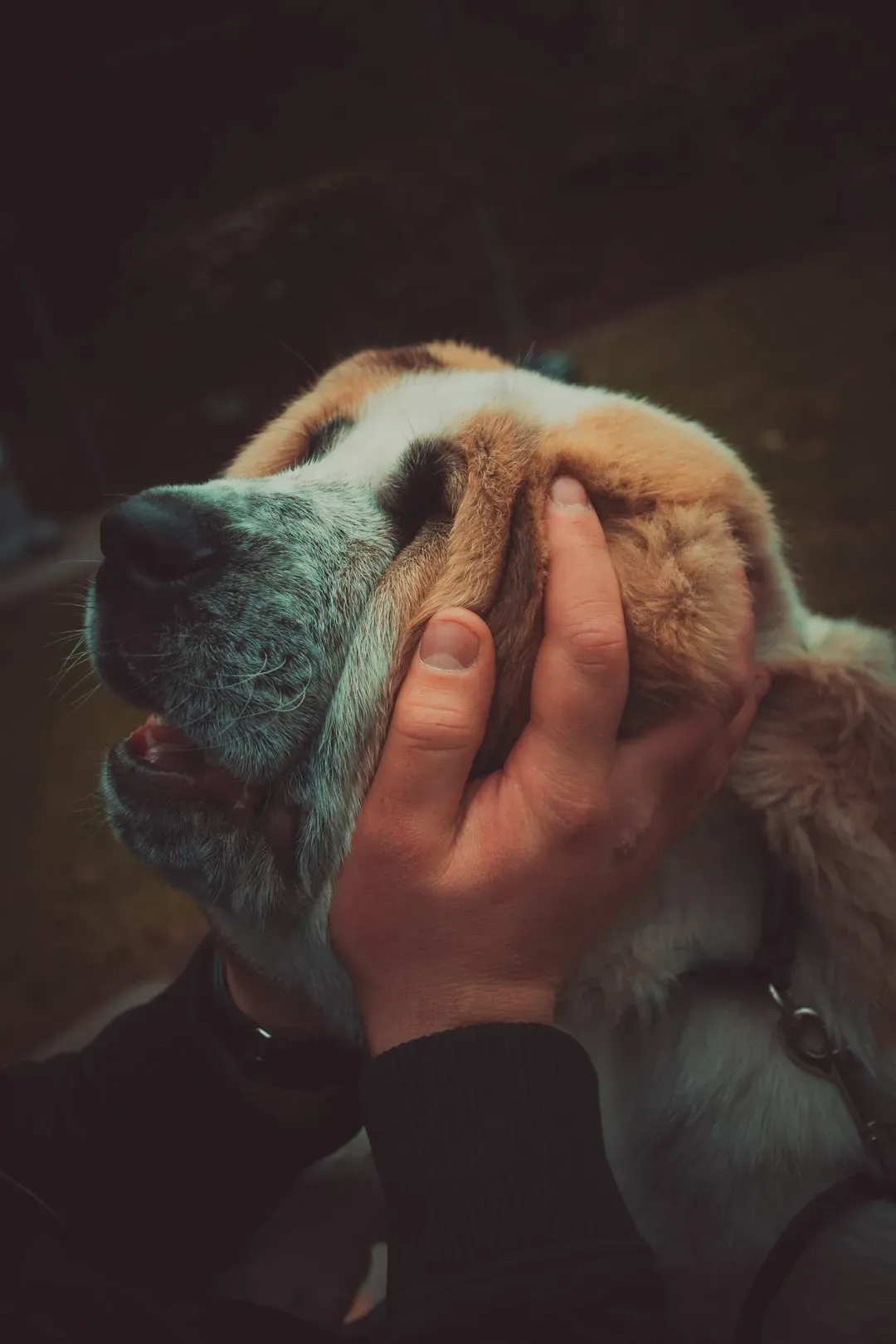
Just like checking your emails or social media feed on your phone, your dog uses scent to ‘check in’ with you. It’s their version of reconnecting after time apart. Some dogs give a quick sniff and move on. Others take their sweet time, piecing together every detail of your absence.
If your dog is sniffing you, it’s likely because they missed you, as dogs are social animals who thrive on human contact and interaction and need to feel like they’re a part of their owners’ lives to be happy and healthy. That investigation isn’t about distrust or curiosity alone. It’s affection, expressed through their primary sense.
This investigative behavior may have started when they were in a more anxious phase of their life, such as during adolescence, when they needed more reassurance when you arrived home and it’s just become the thing they now do, especially if you nuzzle in and give them cuddles during this sniffy time, reinforcing this behavior with affection in return. So yes, you might have accidentally taught them to do it. Still, it’s rooted in love.
Sniffing Actually Calms Them Down
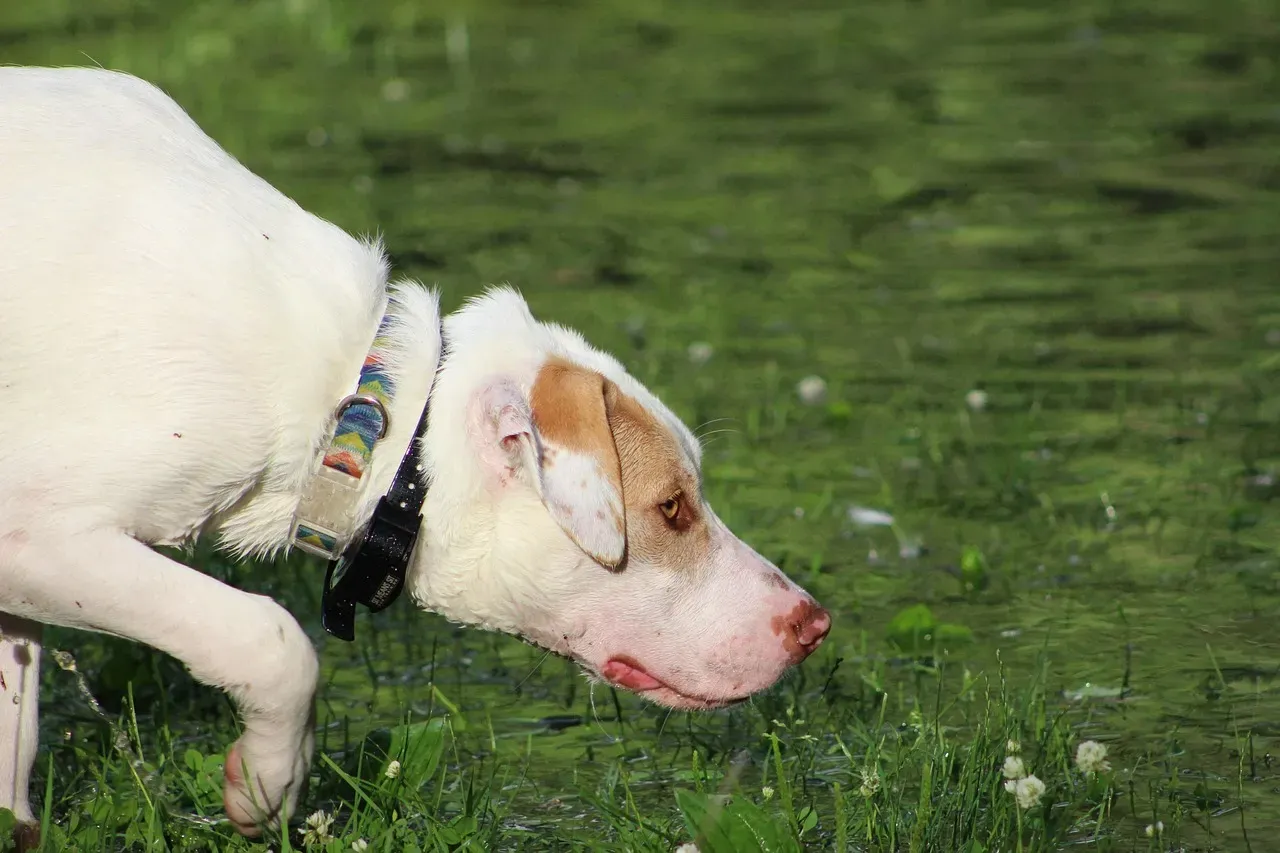
Here’s something most people don’t realize. Dogs who were permitted to sniff freely during walks exhibited lower levels of cortisol, the hormone associated with stress, suggesting that this simple act has a calming effect on the canine nervous system. Sniffing isn’t just information gathering. It’s self-soothing.
The more you allow your dog to sniff each day, the calmer they will be by bedtime, and whenever your dog is sniffing, you make sure you allow them to finish in their own time to avoid building up any frustration in their system. When your dog sniffs you thoroughly after you get home, they’re literally decompressing.
Dogs smell rear ends as a calming mechanism, and performing this innate ritual soothes them and serves as a stress reliever. While that’s about dog-to-dog interaction, the principle applies to how they sniff you too. It’s meditative for them. So next time you’re tempted to rush them along, remember they’re taking a moment to center themselves in your presence.
When Should You Worry About the Sniffing?
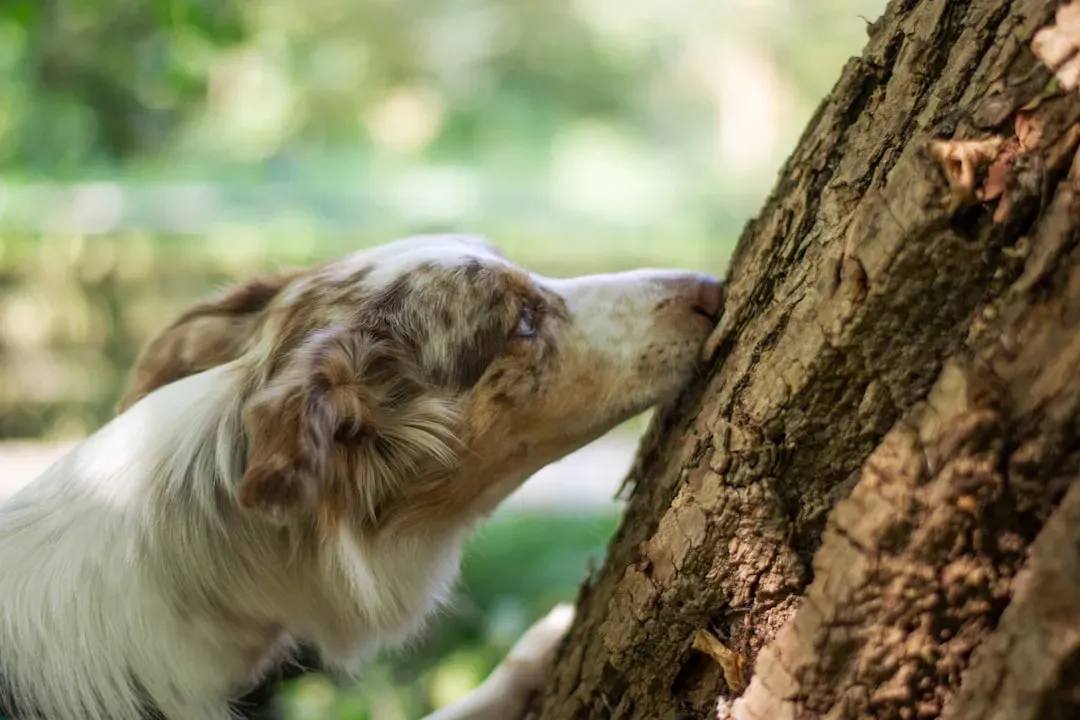
Most of the time, you don’t need to worry if your dog is sniffing you; there’s no such thing as “too much” for them, and you should think of it as a natural and necessary way for your dog to gain understanding, as long as it doesn’t become aggressive or excessive to the point of overstimulation. That said, sudden changes are worth noting.
If your dog begins obsessively sniffing a particular area of your body, they might be detecting an underlying health issue, as some dogs have been known to detect various medical conditions, including cancer, diabetes, and upcoming seizures, through their acute sense of smell. It’s hard to say for sure how reliable this is, but the stories are compelling enough to pay attention.
If your dog’s sniffing becomes frantic, obsessive, or distressed, that might signal anxiety. In those cases, redirecting them to calming activities or consulting a trainer can help. Otherwise? Let them sniff. They’re just being dogs, and honestly, they’re being dogs who love you.
Conclusion
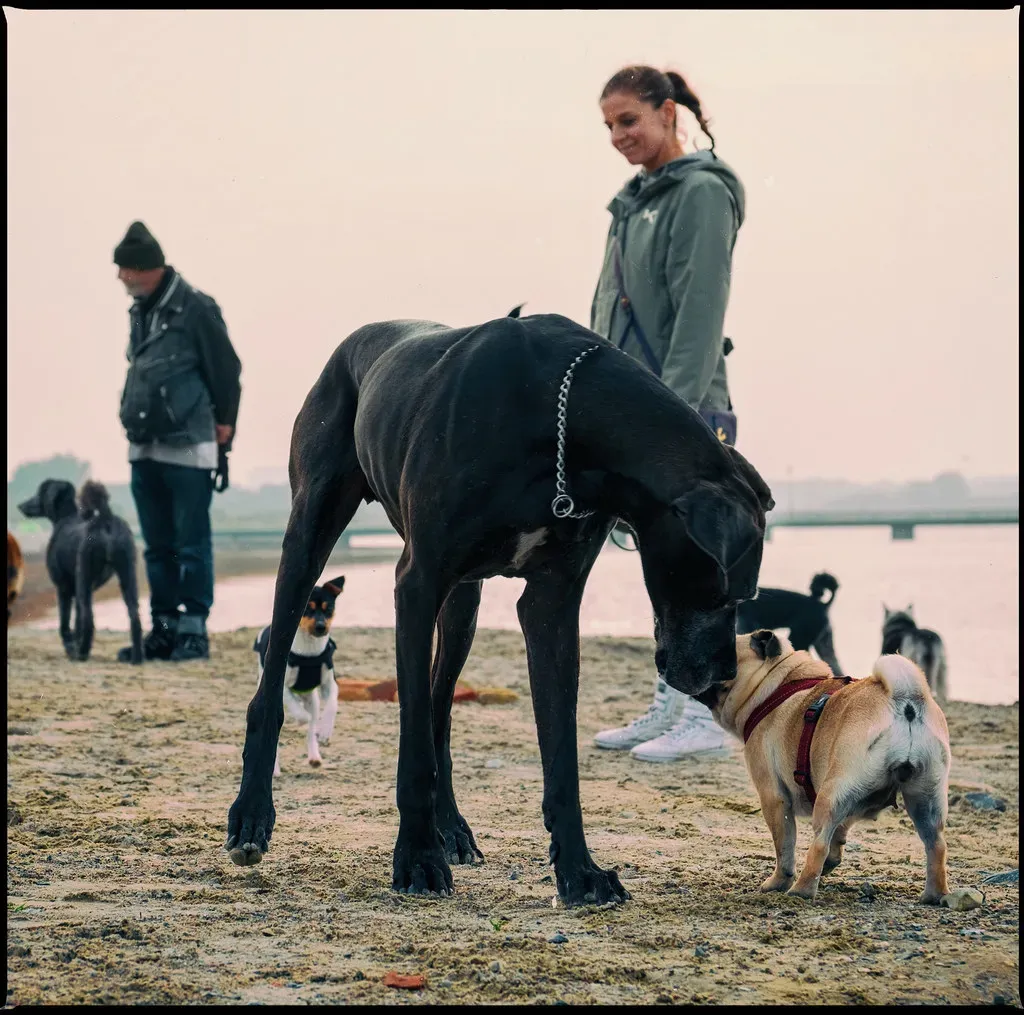
That intense sniffing when you walk through the door isn’t about suspicion or tracking your movements. It’s about love, reassurance, and connection expressed in the language your dog understands best. They’re checking that you’re okay, celebrating your return, and literally bathing in the comfort of your scent. It might seem quirky or even a bit much sometimes, but it’s one of the purest expressions of how deeply they care.
So next time your dog goes full detective mode on your ankles, take a breath and let them finish their ritual. You’re not being interrogated. You’re being loved. What do you think about it? Does your dog have their own unique greeting ritual? We’d love to hear about it in the comments.


