

If your dog just won’t stop barking, don’t worry—you’re not alone, and it’s not hopeless. Dogs bark to communicate, but excessive barking can be their way of expressing boredom, anxiety, or even just seeking attention. The good news? There are real, effective fixes that go beyond “quiet!” From more exercise and mental stimulation to teaching quiet commands and removing triggers, there are plenty of ways to help. Sometimes, a simple change in routine or environment can make all the difference. Positive reinforcement and consistency are key—no need for harsh punishment. And if you’re dealing with separation anxiety barking, calming toys or gradual alone-time training can really help. Understanding the “why” behind the barking is the first step to a more peaceful (and quiet) home for both you and your pup.
Understanding the Reasons Behind Excessive Barking

To tackle your dog’s barking, you have to put yourself in their paws for a moment. Dogs bark for all kinds of reasons—excitement, boredom, fear, to get your attention, or just because they spotted a squirrel out the window. It’s their natural way of communicating, a bit like us shouting when we stub a toe or see something surprising on TV. Sometimes, though, barking becomes more than just a message; it turns into a habit.
Have you ever noticed your dog barking more when you leave them alone, or when guests arrive at your house? These are clues! Dogs often bark when they’re anxious, protective, or unsure about a situation. Understanding what triggers your dog’s barking is the first step to making it stop. Pay attention to the context—who’s around, what’s happening, and how your dog reacts. You might be surprised at what you learn just by watching and listening.
Rule Out Medical Issues First

Before you try to change your dog’s behavior, make sure they aren’t barking because something’s wrong physically. Dogs sometimes bark if they’re in pain, uncomfortable, or not feeling well. Think of it like a baby crying when something hurts—it’s their only way to ask for help. If your normally quiet dog suddenly starts barking non-stop, a trip to the vet could be the best first step.
Health problems like hearing loss, cognitive changes in older dogs, or even an infection can make your dog more vocal. Some breeds are naturally more prone to barking, but sudden changes deserve attention. Don’t ignore your gut feeling; if your dog seems “off” along with the barking, check with a professional. It’s always better to rule out medical causes before focusing on behavior fixes.
Provide Plenty of Physical Exercise

A tired dog is a quiet dog—this simple saying holds so much truth. Dogs with pent-up energy often use barking as a release, like kids who get wild if they’re stuck inside all day. If your dog’s daily routine doesn’t include enough walks, playtime, or time to run around, barking may become their go-to activity.
Try upping your dog’s exercise by adding an extra walk, a game of fetch, or even some agility exercises in the yard. You don’t need fancy equipment—sometimes a stick or a ball is all it takes. Notice how your dog acts after a long outing; you might find they’re too tuckered out to bark at every sound. For high-energy breeds, this step is truly a game-changer.
Enrich Their Environment to Combat Boredom

Boredom is a sneaky, silent enemy when it comes to barking. Dogs who spend hours alone with nothing to do often bark just to fill the silence. If you’ve ever felt stir-crazy on a rainy day, you know the feeling! Enriching your dog’s environment with toys, puzzle feeders, or safe chew items can work wonders.
Rotating your dog’s toys so they don’t get old and boring is a simple trick. Consider leaving a favorite toy or a treat-dispensing puzzle when you go out. Even background sounds, like a radio or TV, can make the space feel less empty. The more mentally engaged your dog is, the less likely they’ll be to bark out of boredom.
Practice Calm Greetings and Exits

It’s easy to accidentally encourage barking when you come and go from home. If you make a big fuss when leaving or returning, your dog learns that these moments are “big deals”—and barking is part of the excitement. Dogs are smart; they quickly pick up on your cues and mirror your energy.
To break the barking cycle, keep greetings and goodbyes low-key. When you come home, wait until your dog is quiet before giving attention. If they bark when you leave, practice short departures and returns, gradually increasing the time you’re gone. This helps your dog learn that your comings and goings are just normal parts of the day, not events worth barking about.
Train the “Quiet” Command

Teaching your dog a simple “quiet” or “enough” command can be a lifesaver. It takes patience, but it’s one of the most powerful tools you’ll ever have. Start by catching your dog when they begin barking—let them have a few barks, then calmly say your chosen word and wait. As soon as they stop, even for a second, reward them with a treat and praise.
Consistency is the key here. Every time your dog stops barking on cue, reward them. Over time, they’ll connect the dots: silence brings good things. Don’t expect instant results—this is a skill that takes practice, like learning to ride a bike. Stick with it, and you’ll be amazed at how well it works.
Block Visual Triggers

Many dogs bark whenever they see people, animals, or cars outside. It’s like having a built-in alarm system—sometimes a little too good at its job. If your dog spends hours at the window, barking at every passerby, blocking their view can help.
Try closing curtains, using frosted window film, or setting up furniture to limit access to favorite lookout spots. Redirect your dog’s attention to something else, like a chew toy or a comfy bed away from the action. Out of sight, out of mind really does apply; without constant visual triggers, barking often drops dramatically.
Desensitize Your Dog to Sounds

Some dogs react to every little noise—a doorbell, a car horn, or even the mailman’s footsteps. If this sounds familiar, desensitization can help. This means gradually getting your dog used to the sounds that set them off, so they become less exciting or scary.
Start by playing the triggering sound at a low volume while your dog does something fun, like eating treats or playing. Gradually increase the volume over time, always pairing it with positive experiences. This teaches your dog that the sound isn’t a threat and doesn’t need a barking response. It’s slow work, but it’s incredibly effective for sound-sensitive pups.
Offer Comfort and Security for Anxious Dogs

For some dogs, barking is rooted in anxiety—especially if they struggle when left alone or around new people. If you suspect your dog is barking because they’re worried, offering extra comfort and structure can make a big difference. Dogs crave routine and reassurance, just like we do.
Consider providing a safe, cozy space for your dog to retreat to when they feel nervous. Use calming aids like dog-appeasing pheromone diffusers or anxiety wraps. Practice leaving your dog alone for short periods, gradually increasing the time as they get more comfortable. Sometimes, enlisting the help of a professional dog trainer or behaviorist can give you even more targeted strategies.
Reward Good Behavior Consistently
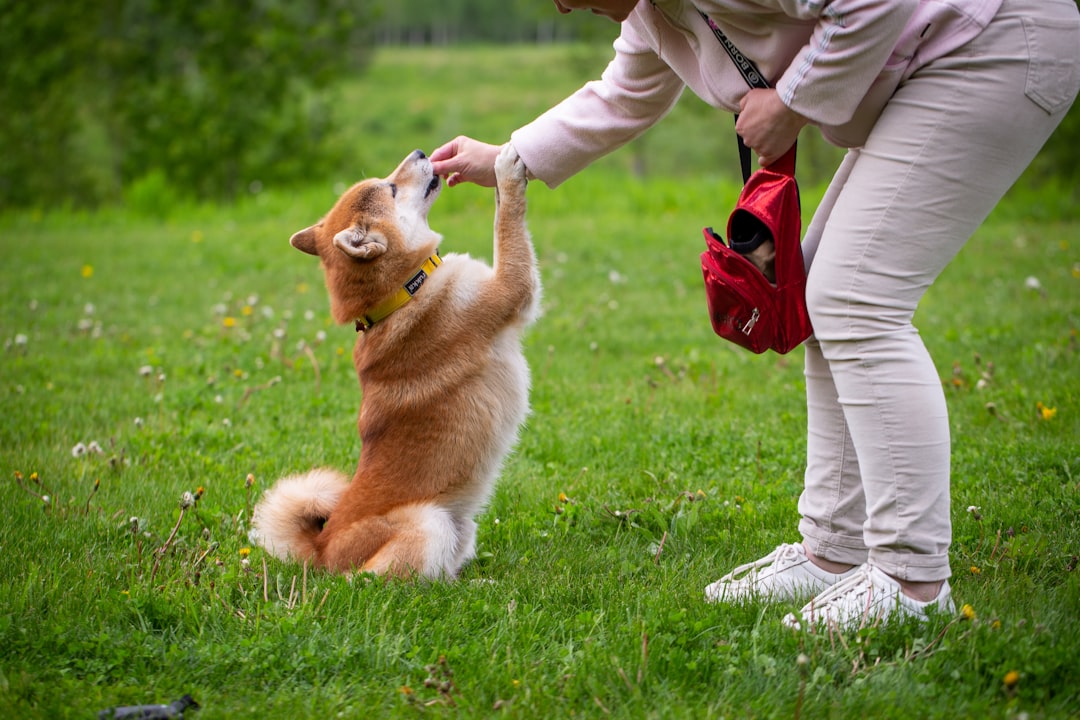
Dogs repeat behaviors that get rewarded—it’s as simple as that. If barking gets your dog attention, food, or playtime, they’re likely to keep doing it. The trick is to catch your dog being quiet and reward that instead. This simple mindset shift can have a huge impact.
Whenever your dog is relaxed and quiet, offer treats, praise, or a favorite toy. Ignore barking as much as possible (unless it’s a true emergency). Over time, your dog will realize that staying calm and quiet is the way to get what they want. It’s a bit like teaching a child that good manners pay off more than tantrums.
Seek Professional Help When Needed

Sometimes, despite your best efforts, barking persists. This doesn’t mean you’ve failed—it just means your dog might need extra support. Professional dog trainers and animal behaviorists have seen it all, and they can offer tailored solutions that fit your unique situation.
If your dog’s barking is severe, causes distress to you or your neighbors, or is linked to aggression, don’t wait. Getting professional guidance early can prevent small problems from becoming big ones. Think of it as bringing in a coach or teacher—someone who can give you fresh ideas, encouragement, and the right tools to help your dog succeed.
At the end of the day, your dog isn’t barking just to annoy you—they’re trying to tell you something. With a little patience, the right tools, and some consistent training, you can get to the root of the noise and bring the peace back to your home. Every bark has a reason, and once you figure it out, the fix becomes much easier. And hey, a quieter pup usually means a happier, more relaxed household for everyone.


