
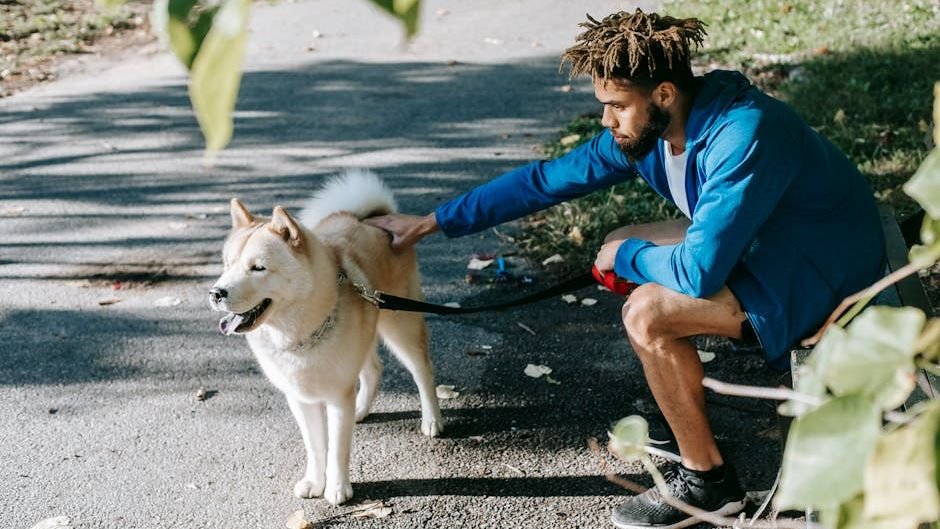
Picture this: you wake up one Saturday morning and skip the usual walk, serve breakfast two hours late, and spend the afternoon shuffling the furniture around. No big deal for you, right? For your dog, though, that day can feel like the emotional equivalent of someone canceling Christmas. It sounds dramatic, but that’s honestly how deeply your pup is wired to depend on predictability.
Dogs are not just furry companions who follow you around for fun. They are remarkably sensitive creatures whose emotional health, physical wellbeing, and even behavior are tightly threaded to the rhythms of their day. What you do at 7am, noon, and bedtime matters far more than most of us realize. Ready to see your dog’s daily schedule through a whole new lens? Let’s dive in.
Your Dog’s Brain Is Basically Wired for Schedules

Dogs are creatures of habit. Just like us, they find comfort in knowing what to expect from their day, and a consistent daily routine not only helps them feel safe and secure, but it also promotes better behavior and emotional wellbeing. Think of it like this: imagine if your own commute changed every single day, your lunch break was unpredictable, and bedtime was totally random. You’d be exhausted and anxious by Tuesday.
Dogs also follow circadian rhythms, which are internal biological clocks that help regulate sleep and activity levels. Aligning your dog’s routine with natural patterns, such as walking in the morning and evening, can improve sleep quality and reduce restlessness. So that early morning walk isn’t just for your dog to “do their business.” It’s literally syncing their body clock. Pretty cool, honestly.
What Happens When Routine Breaks Down

Let’s be real. Life gets busy. But when a dog’s schedule becomes unpredictable, the consequences show up fast and they usually aren’t pretty. Dogs thrive on predictability. When they don’t know what to expect from their day, they can become anxious, restless, or even develop destructive behaviors. A consistent routine provides structure, helping to reduce anxiety by giving your dog a sense of control and security.
That chewed up couch cushion? The incessant barking? When dogs don’t have predictable schedules or enough time in their day for exercise and enrichment, they may grow bored, and boredom is a primary cause of behavioral challenges like excessive barking and chewing up furniture. Before you blame your dog’s “bad behavior,” it’s worth asking honestly: did their day have enough structure to keep them grounded?
Feeding Times Are About Way More Than Just Food

Here’s the thing most people don’t think about. Mealtimes aren’t just fuel stops. They are anchors in your dog’s day. Feeding your dog at the same time each day supports digestion, regulates bowel movements, and reduces begging behavior. Most adult dogs do well with two meals per day, spaced roughly eight to twelve hours apart.
Routines ensure a dog eats on a schedule that supports their metabolism and healthy digestion. There’s also a breed consideration worth keeping in mind. Miniature and teacup breeds may require more frequent small meals to prevent low blood sugar. Health conditions such as diabetes come with very specific feeding requirements and timings. Certain large breed dogs may need to avoid exercise an hour before or after their meal times, since they are more at risk for bloat and life-threatening stomach rotation. Always check with your vet if you’re unsure what schedule suits your dog best.
Exercise, Play, and Mental Stimulation: The Holy Trinity
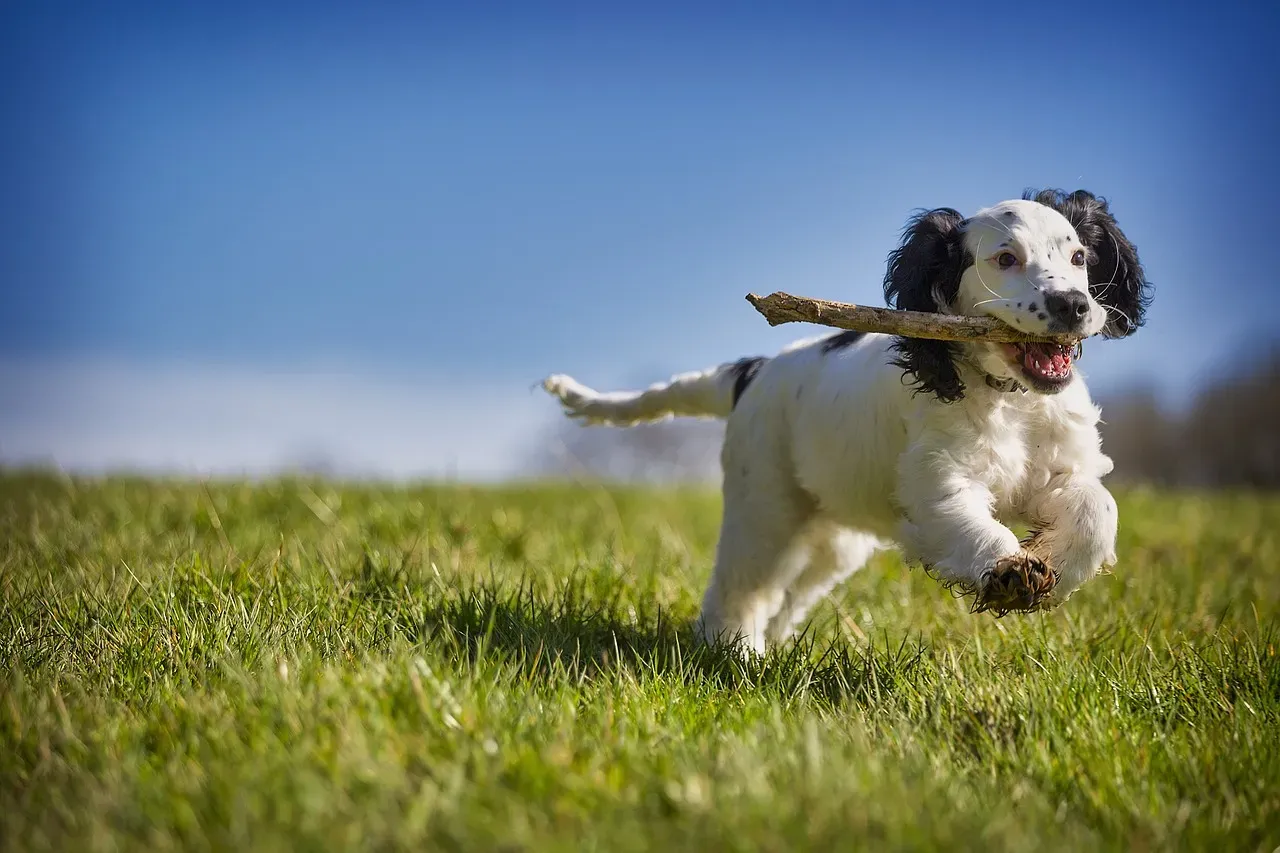
Movement is medicine for dogs. There’s no way around it. Dogs need regular physical activity to stay healthy and engaged. Beyond burning off excess energy, playtime strengthens your bond and prevents destructive behavior caused by boredom. It’s like therapy, exercise, and quality time rolled into one good, sweaty game of fetch.
Mental stimulation is equally important. Training sessions, scent work, and interactive games help keep the mind sharp. I think this is the piece most owners underestimate. A dog can be physically exercised but still mentally under-stimulated, which is a recipe for restlessness. High-energy breeds like Border Collies and Labradors may need longer or more vigorous sessions, while smaller or older dogs may benefit from shorter, gentler activities. Tailor it to who your dog actually is, not who you wish they were.
Sleep is Non-Negotiable, and Your Dog Needs a LOT of It

Most dog owners are surprised by just how much their dog actually needs to sleep. Sleep is essential for dogs to recharge and maintain health. On average, adult dogs sleep between twelve and fourteen hours per day. Puppies and older dogs may sleep up to eighteen or even twenty hours daily. That’s not laziness. That’s biology doing its job.
Sleep should include both deep and REM sleep for optimal rest. Ensuring a quiet, comfortable spot away from high-traffic areas in your home can improve sleep quality. Avoid disturbing your dog during naps unless necessary, as fragmented sleep can lead to irritability and behavioral changes. Think of a dog woken repeatedly from deep sleep as the equivalent of you being roused every thirty minutes through the night. Grumpy and out of sorts? Absolutely.
How Your Mood and Stress Levels Affect Your Dog’s Routine

This one might genuinely surprise you. Your dog doesn’t just live alongside your emotions. They absorb them. It’s no great secret that dogs are sensitive to human emotions, but research published in Nature Scientific Reports indicates that if an owner is chronically stressed, it can rub off on their dog as well. That study examined stress hormones preserved in hair samples and found something remarkable.
The only variable that correlated to the dog’s stress level was their owner’s stress level, suggesting our pets may pick up on our neuroses. So maintaining a calm, consistent daily routine isn’t just an act of love for your dog. It’s also a reflection of your own wellbeing. These findings highlight the importance of considering individual dog characteristics, daily routines, and guardian demographics when developing strategies for managing and addressing canine anxiety. You two are genuinely in this together, more than you might think.
A Gentle Conclusion: Small Habits, Big Love

The beautiful thing about building a strong daily routine for your dog is that it doesn’t require perfection. It just requires consistency. A morning walk, meals at reliable times, a midday play session, and a calm wind-down before bed. Adult dogs can thrive with a feeding routine, fresh water, regular exercise, enough potty breaks, and good sleeping habits, and of course, quality time with their favorite human.
Over time, routines build a foundation of trust and understanding, making training and care more effective and enjoyable for both parties. It really is that simple. Your dog doesn’t need extravagant toys or expensive adventures. They need you to show up, day after day, in a way they can count on. That reliability, that rhythm, is your greatest gift to them.
So here’s something to sit with: if your dog could talk, what would they say about how predictable and safe their day feels? That question alone might be worth acting on.


