

Picture this. Dark clouds roll in, the air feels thick, and before you even notice, your dog is already trembling under the bed. You thought maybe it was just the boom of thunder that scared them. Turns out, there’s a whole lot more going on beneath the surface. What if I told you that your dog’s terror during storms isn’t just about loud sounds, but about a cocktail of invisible, overwhelming sensations that we can’t even fully comprehend?
Let’s be real, watching your beloved companion spiral into panic during a thunderstorm is heartbreaking. Yet understanding the why behind that fear is the first step to helping them feel safe again. So let’s dive in.
It’s Not Just the Noise: The Invisible Storm Triggers
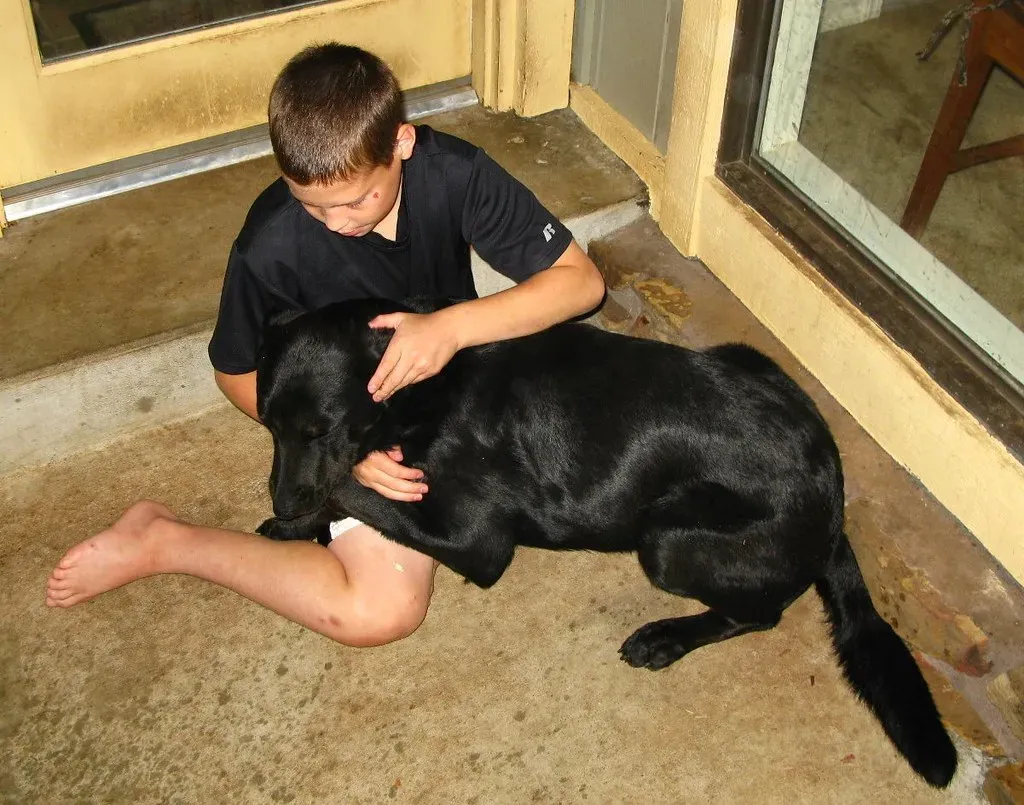
Sure, thunder is loud. Really loud. Dogs are so much more sensitive to sounds and their hearing is so much more powerful than ours, so they can often detect thunder way before we can. Imagine hearing every rumble magnified tenfold. That alone would be unsettling, wouldn’t it?
There’s usually more buildup before a thunderstorm than with fireworks, including changes in the barometric pressure, high winds, rain, hail or lightning, thus dogs might learn to expect thunder. Your dog picks up on subtle environmental shifts that signal danger long before the first clap. They’re not just reacting to what they hear. They’re responding to what they feel, smell, and sense in ways we simply can’t.
Think of it like this: while you’re casually checking the weather app, your dog is already experiencing the storm. Sometimes, your pet will know that a storm is coming before you do because they are very sensitive to barometric pressure changes and they can feel the storm before they can see or hear it.
Static Electricity: The Shocking Culprit You Didn’t Expect

Here’s something that might surprise you. According to some veterinarians, dogs may also experience small static shocks from the build-up of static electricity that accompanies thunderstorms. Imagine walking around your house and getting zapped repeatedly by invisible sparks. Not fun, right?
Thunderstorms literally charge the air with electricity, making it easier for static buildup to occur in the coat of your furry friend, especially for larger dogs and those with double or long coats. Those tiny shocks can create discomfort and fear, prompting your dog to seek grounded spaces like tile floors or even the bathtub. Mystery solved about why Fido suddenly loves the bathroom during storms.
This isn’t just speculation either. A survey published in the Journal of the American Animal Hospital Association confirms this idea; static electricity from thunderstorms might give dogs tiny shocks, making them even more anxious during stormy weather.
Barometric Pressure Changes: When the Air Itself Feels Wrong
Ever get a headache before a storm? Dogs experience something similar but often more intense. Dogs with thunderstorm phobias can often sense a drop in barometric pressure that accompanies these storms, usually sensed through their ears and sinuses, and this subtle shift in the air tips them off that something big and scary is about to happen.
Barometric pressure is a natural measurement of the air pressure around us, and as the pressure drops, it can cause a slight expansion of a dog’s body tissues, which can lead to discomfort and unease, and dogs may still become anxious due to the sudden and unexplained pressure changes. It’s like their whole body feels off, signaling that danger is approaching.
Honestly, I think this is one of the most overlooked aspects of storm anxiety. We focus on what we can see and hear, but dogs are tuned into frequencies and sensations we barely register. Their bodies are telling them something is very wrong before we’ve even noticed the first raindrop.
Recognizing the Signs: More Than Just Hiding

During a storm, you may find your dog is scared of thunder and shaking or trembling, some dogs will run for cover at the first sign of thunder, while others may bark or pace back and forth, and one sign your dog is feeling anxious during a storm is excessive panting during thunderstorms. These are the obvious ones, the behaviors we notice immediately.
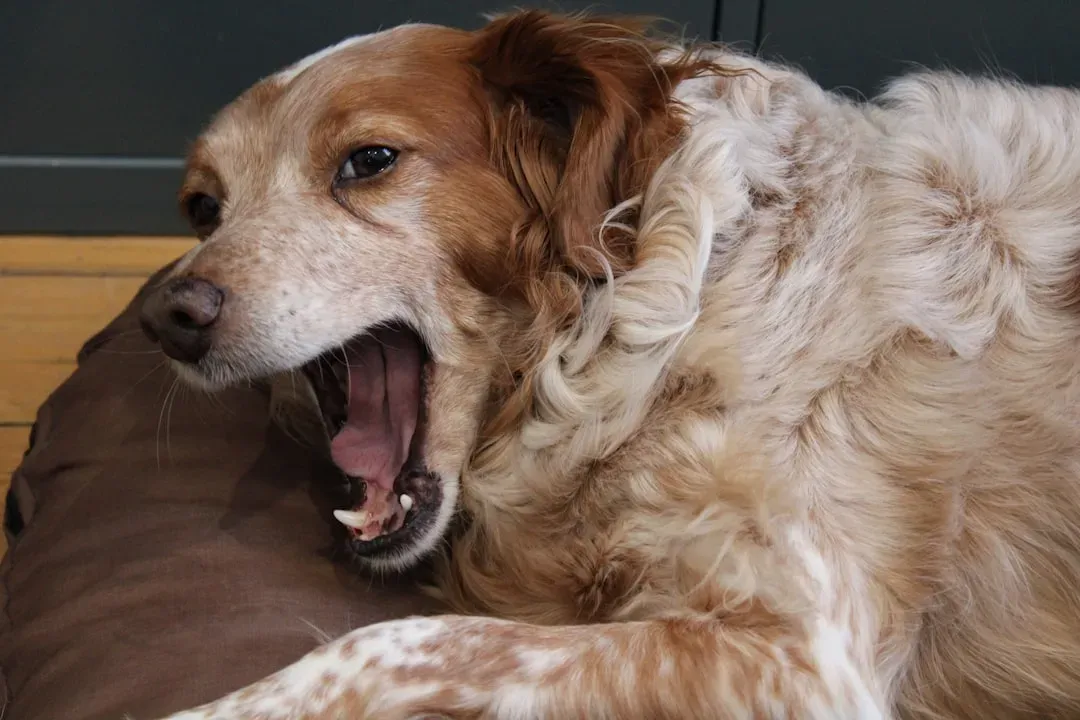
The subtler signs matter too. Panting, lip licking, and yawning are also signs that your dog is feeling anxious or fearful during a thunderstorm, and these behaviors can be accompanied by vocalizing, which is a way for your dog to communicate their fear to you. Even a seemingly relaxed dog yawning during a storm? That’s stress, not tiredness.
Some dogs take it further. The most severely thunderstorm phobic dogs can become intensely fearful and panicked, to the point where they become a hazard to themselves, going right through windows, and chewing through doors, drywall, even chain link fences. These extreme reactions aren’t disobedience. They’re sheer panic.
Why Punishment Never Works (And What Does)
Don’t scold or punish him for his thunder phobia because his behavior is the result of fear, not disobedience. Let me emphasize this: your dog isn’t misbehaving. They’re terrified. Punishment will only make things worse, adding another layer of fear on top of the existing anxiety.
Model calm behavior during a storm by speaking in calm tones and not being overly attentive, because your dog is attuned to your behavior, and if you’re stressed out about their fear, that will exacerbate the problem. Think of yourself as the eye of the storm, a steady presence they can lean on.
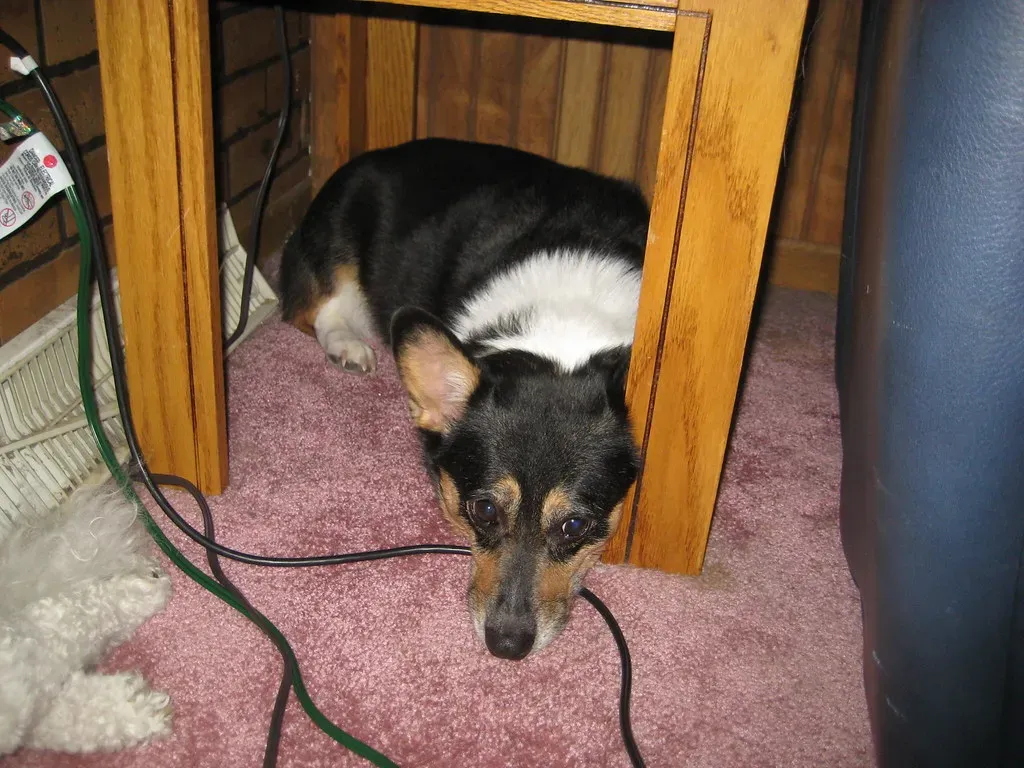
Creating a safe space is essential. If they prefer to stay under the bed, in a closet or bathroom, let them stay there, and if your pet does not have a place to hide, consider creating a safe place for them. Let them choose their refuge. Their instincts know what feels safest, whether that’s a crate draped with blankets or that weird spot behind the toilet.
Practical Solutions That Actually Help

In a study, after five uses of the Anxiety Wrap, almost ninety percent of owners reported that it was at least partially effective in treating their dogs’ thunderstorm phobias. Compression garments like ThunderShirts work by applying gentle pressure, similar to swaddling a baby. Not every dog loves them, but many find genuine comfort.
You can provide distracting sounds to help calm your dog by turning on the television, radio, or a white noise machine to diffuse the sounds of the storm, and classical music especially can be very calming for dogs. Sound masking isn’t about drowning out the storm completely, it’s about giving your dog something else to focus on.
For more severe cases, medication can be a game changer. Anti anxiety medications can help prevent a panicked state in storm phobic dogs. There’s no shame in using pharmaceuticals when your dog needs them. Quality of life matters, and sometimes professional help makes all the difference.
Conclusion
Your dog’s fear of thunder runs deeper than simple noise sensitivity. It’s a complex response to barometric shifts, static electricity, overwhelming sounds, and unpredictable environmental changes that their sensitive bodies pick up on long before we do. Understanding this helps us move from frustration to empathy, from quick fixes to genuine solutions.
Creating safe spaces, staying calm yourself, trying compression garments, using sound masking, and consulting your vet about medication when needed are all valid approaches. Every dog is different, and finding what works for yours might take some trial and error.
What’s your dog’s storm behavior like? Have you found something that helps them feel safer? Sometimes the smallest adjustments make the biggest difference.


