
You walk through the door after a long day, and suddenly it’s like you’ve triggered a four-legged celebration. Your dog spins, jumps, maybe even lets out a bark of pure joy. There’s the wagging tail, the licking, maybe even a toy dropped at your feet. Most of us accept this as just what dogs do. It’s cute, right? Sometimes overwhelming, especially if you’ve got a big dog and clean clothes. Yet what if I told you this daily ritual is far more than simple excitement? It’s a window into your dog’s emotional world, a carefully choreographed routine rooted in survival instincts, attachment bonds, and social language that reaches back thousands of years.
The way your dog greets you reveals volumes about how secure they feel, how deeply they trust you, and what they genuinely need from you in that moment. Let’s be honest, most of us never pause to think that deeply about it. Let’s dive in.
That Wild Greeting Isn’t Random – It’s Hardwired Instinct
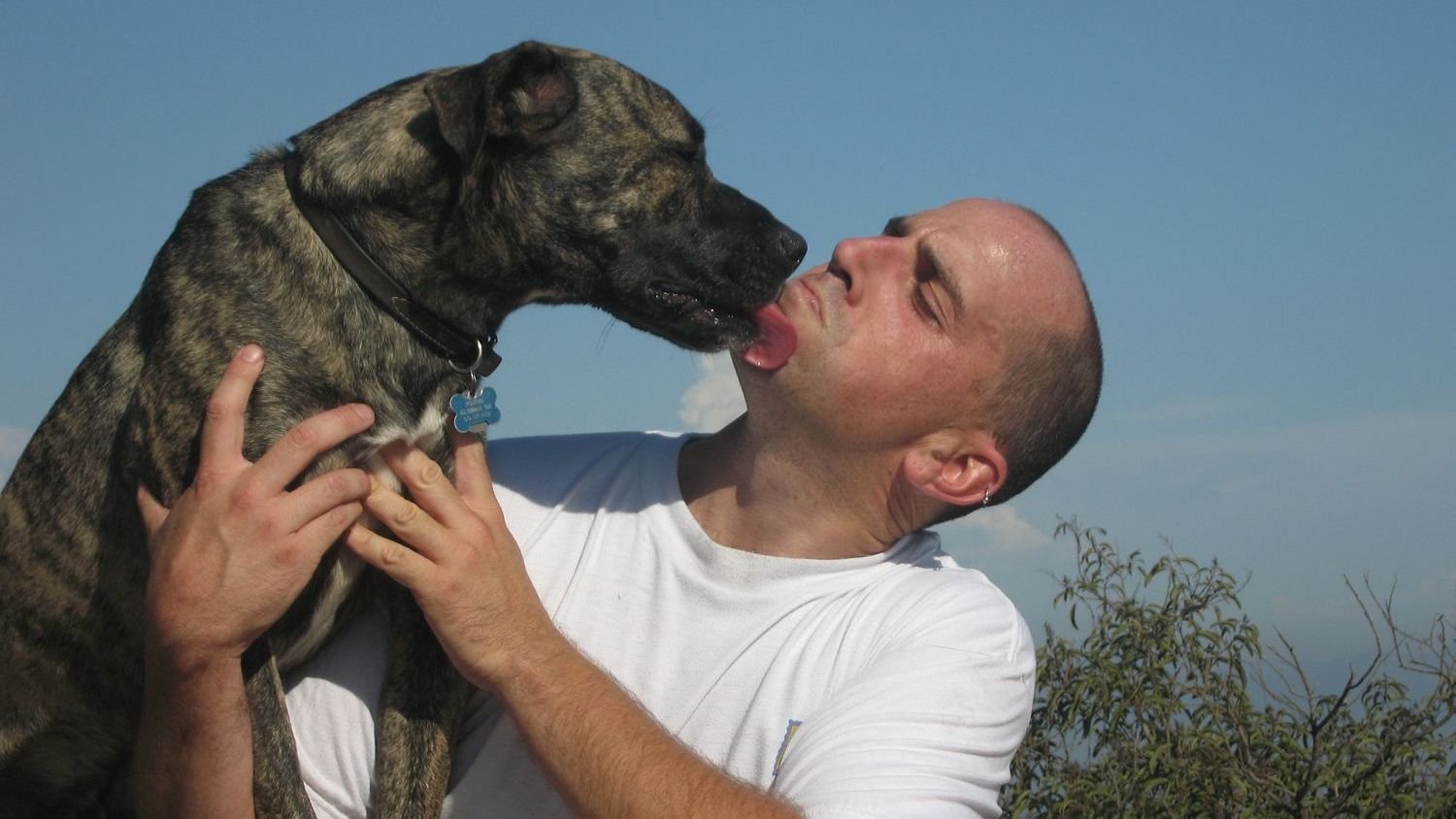
When your dog launches himself at you the second you step inside, he’s not just being dramatic. Dogs are hardwired to jump and lick the mouth of their provider, a behavior rooted in wild canine pups greeting their mother at the den entrance, licking her mouth because they know she will be carrying food for them. Your dog isn’t expecting you to regurgitate dinner, obviously, yet the instinct remains powerful.
Dogs see you as part of the pack and want to lick your face when you arrive home, jumping to reach you, partly out of love but also with an ulterior motive. By bringing his face close to yours, your dog can smell you and discover where you’ve been, essentially sniffing out your entire day without needing to ask.
Think about it this way. Your dog has been waiting at home, and you return carrying the scent of a dozen different places, people, maybe even other animals. For a creature whose world revolves around scent, that’s like coming home with stories written all over you. The jumping and face-licking? That’s your dog reading the headlines.
Jumping and Spinning Mean Your Dog Is Emotionally Attached
Greeting behaviors after separation help maintain and promote the quality of the owner-dog relationship, with the reunion between dog and owner helping to strengthen the bond. This isn’t trivial. Studies using separation and reunion tests reveal that dogs form genuine attachment bonds with their humans, similar in many ways to how children attach to caregivers.
Dogs communicate excitement and happiness through wagging tails, licking, and spinning around as their way of showing they’re really glad their owner has come home. That spinning you see? It’s excess emotional energy that has to go somewhere. Dogs jump from sheer excitement, just like humans who feel so excited they want to leap around, because excitement produces physical energy.
Honestly, watching a dog greet their person is like witnessing pure, unfiltered joy. There’s no pretense, no holding back. It’s one of the most genuine displays of affection you’ll ever see. The intensity of that greeting often directly correlates with the strength of your bond.
How Your Dog Greets You Reveals Their Attachment Style
Not all greetings are created equal. Dogs with an insecure-anxious attachment style show high distress during separation and upon reunion make strong efforts to maintain physical contact mixed with persistent distress or physically intrusive behavior like persistent jumping, often not calming down after being reunited.
Meanwhile, dogs with secure attachment patterns greet enthusiastically but then settle relatively quickly. They seek proximity, make contact, and then relax once reassured you’re back. During domestication, dogs might have been selected for increased motivation to engage socially with humans. Yet the quality of that engagement varies.
Pay attention next time you come home. Does your dog greet you warmly but calm down within a few minutes? That’s healthy. Does he continue frantically demanding attention, unable to settle even after prolonged contact? That might signal deeper anxiety. These patterns matter because they affect your dog’s overall wellbeing and your relationship quality.
Licking Your Face Is More Than Affection – It’s Communication
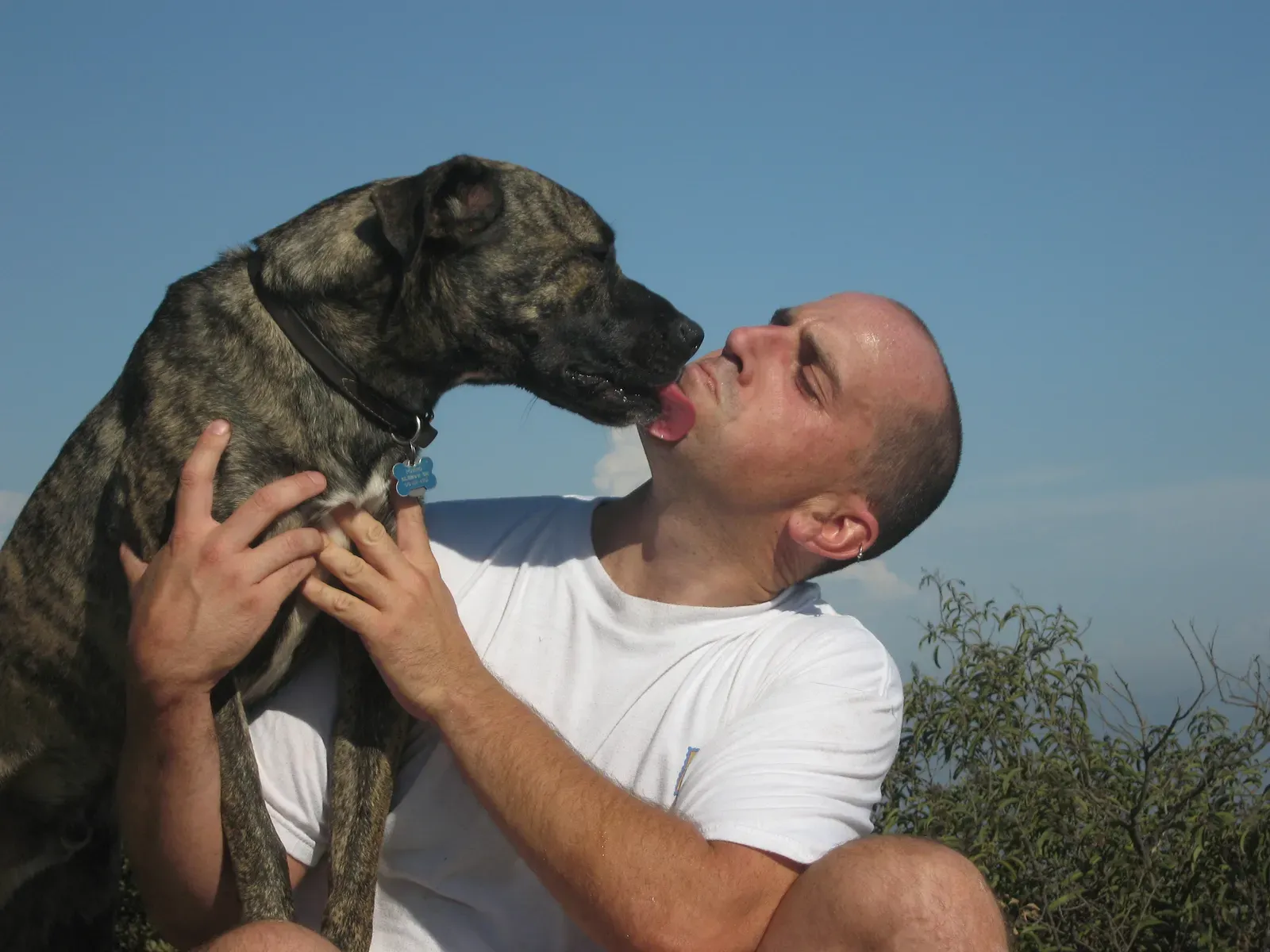
Licking around the mother’s mouth stimulates her to regurgitate food, and it shows mum that pups are submissive toward her. Even in adult dogs, face licking carries layered meaning. Licking is an appeasement gesture, essentially saying “sorry mum,” and many pups and adult dogs lick the faces of humans and other dogs after being reprimanded.
So when your dog licks your face during that greeting, he might be expressing submission, affection, or even a bit of appeasement mixed with excitement. Dogs learned to greet each other as puppies by putting their faces next to each other and licking, which is a sign of familiarity and submission. If you get that sloppy kiss on your cheek, consider yourself accepted into the pack.
Here’s the thing. We often misinterpret what our dogs are telling us through these gestures. A dog who licks excessively during greetings might actually be a bit anxious or uncertain, not just thrilled. Context matters enormously, and learning to read the subtle differences helps you respond appropriately to what your dog actually needs.
Tail Wagging During Greetings Tells You How Your Dog Really Feels
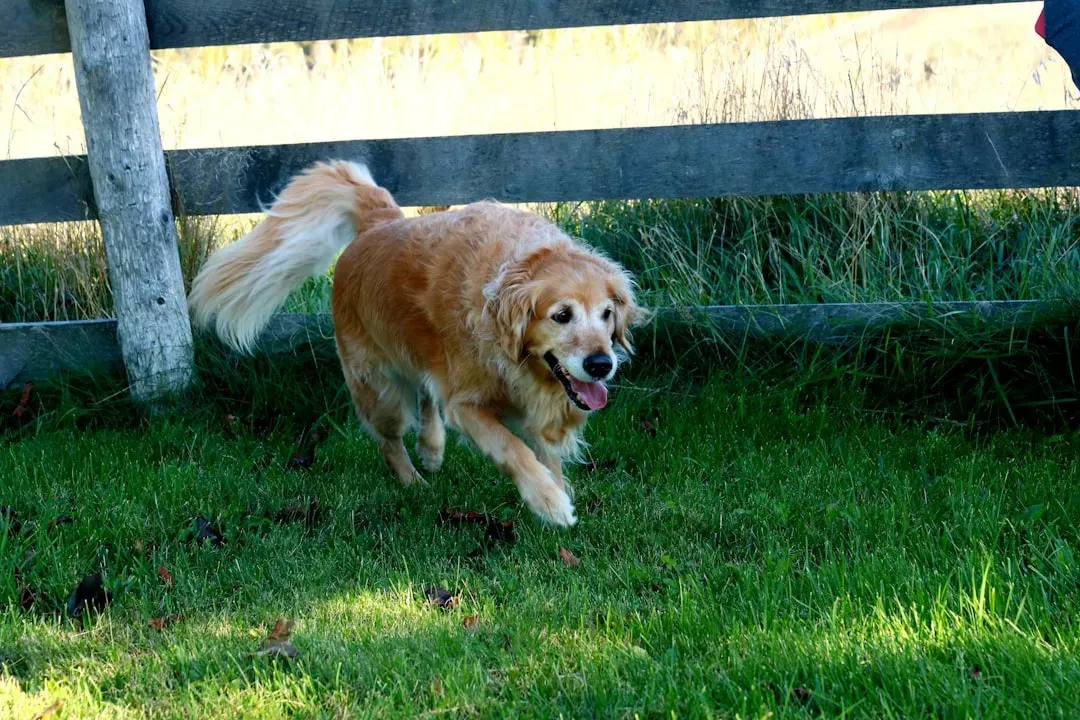
The faster the wag, the more aroused the dog, like those long, slow, side-to-side tail sweeps your dog makes when greeting you that wag the dog’s whole body. A wide, fast wag often signals positive emotions such as excitement or happiness when greeting someone. Yet not all wags are happy wags.
The tail is held high to communicate confidence, arousal, or the dog’s willingness to positively approach another individual, for example during greeting and playing. Watch the position carefully. A relaxed, broad wag with the whole body moving? That’s genuine happiness. A stiff, rapid wag with tension in the body? That could indicate stress or overstimulation.
Dogs can’t speak our language, so they’ve developed an intricate physical vocabulary instead. The tail is one of their most expressive tools. Learning to read those subtle signals during your daily greeting ritual transforms how you understand your dog’s emotional state and helps you respond in ways that truly support them.
What To Do With Over-The-Top Greetings (And Why Punishment Backfires)
If your dog jumps from pure excitement, manage your environment by not allowing the dog to greet people when they first come through the door, placing your dog behind a baby gate before guests arrive and providing an interactive toy to keep him busy until he can greet the visitor once they’ve fully entered and he’s calmed down a bit. Management prevents rehearsal of unwanted behavior.
To discourage jumping, ignore the behavior and only give attention when your dog has all paws on the ground, either avoiding looking directly at your dog or turning your back, greeting him with enthusiasm only when he settles. The most important lesson is that good things happen when no jumping is involved, teaching your dog that the previous method of jumping to get what they want is no longer effective.
Consistency is everything here. I know it’s tempting to let your dog jump on you when you’re in old clothes but correct him when you’re dressed up. That’s confusing and unfair. Dogs don’t understand wardrobe-based rules. Decide what behavior you want and stick to it every single time. Your dog will learn faster, and your relationship will be clearer and less stressful for both of you.
Conclusion
Your dog’s greeting ritual is never just noise and chaos. It’s a profound expression of attachment, instinct, emotion, and communication all rolled into one enthusiastic package. Those jumps, spins, licks, and tail wags tell a story about how your dog perceives you, how secure they feel in your relationship, and what they need from you emotionally. The more you understand this language, the better you can respond in ways that deepen your bond and support your dog’s wellbeing.
Next time you walk through that door and your dog goes wild, pause for just a moment. Really look at what they’re telling you. Are they joyful and secure, or anxious and unable to settle? Your response matters more than you think. What does your dog’s greeting ritual look like? Does it make you smile, or does it leave you wondering what they really need?


