
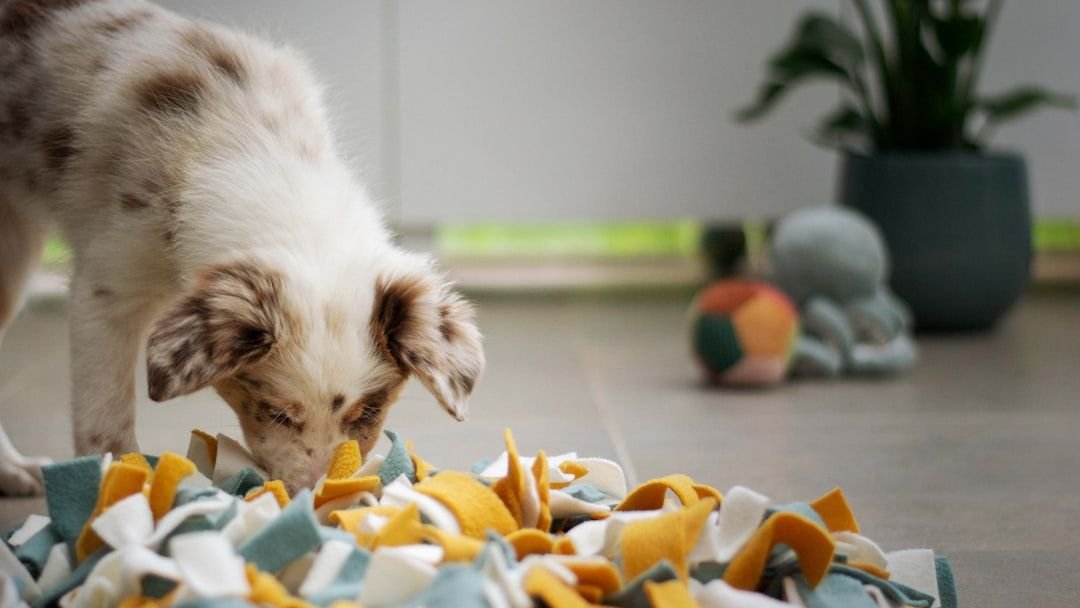
Picture this: your dog’s nose twitching at the door, eyes eager, tail already wagging in anticipation. That morning walk isn’t just about exercise or bathroom breaks. It’s their newspaper, their social media feed, and their connection to the world all rolled into one incredible sensory experience.
Every lamppost, every blade of grass, every corner of the sidewalk holds stories that we humans can barely imagine. While we’re checking our phones for updates, our dogs are reading a much richer narrative written in scents, deposited by every creature that passed through before dawn. Think of it as the original internet, but one that’s been around for thousands of years and runs entirely on smell.
Let’s dive into what makes that simple morning stroll the most important part of your dog’s day.
The Superpower We Can’t Even Imagine
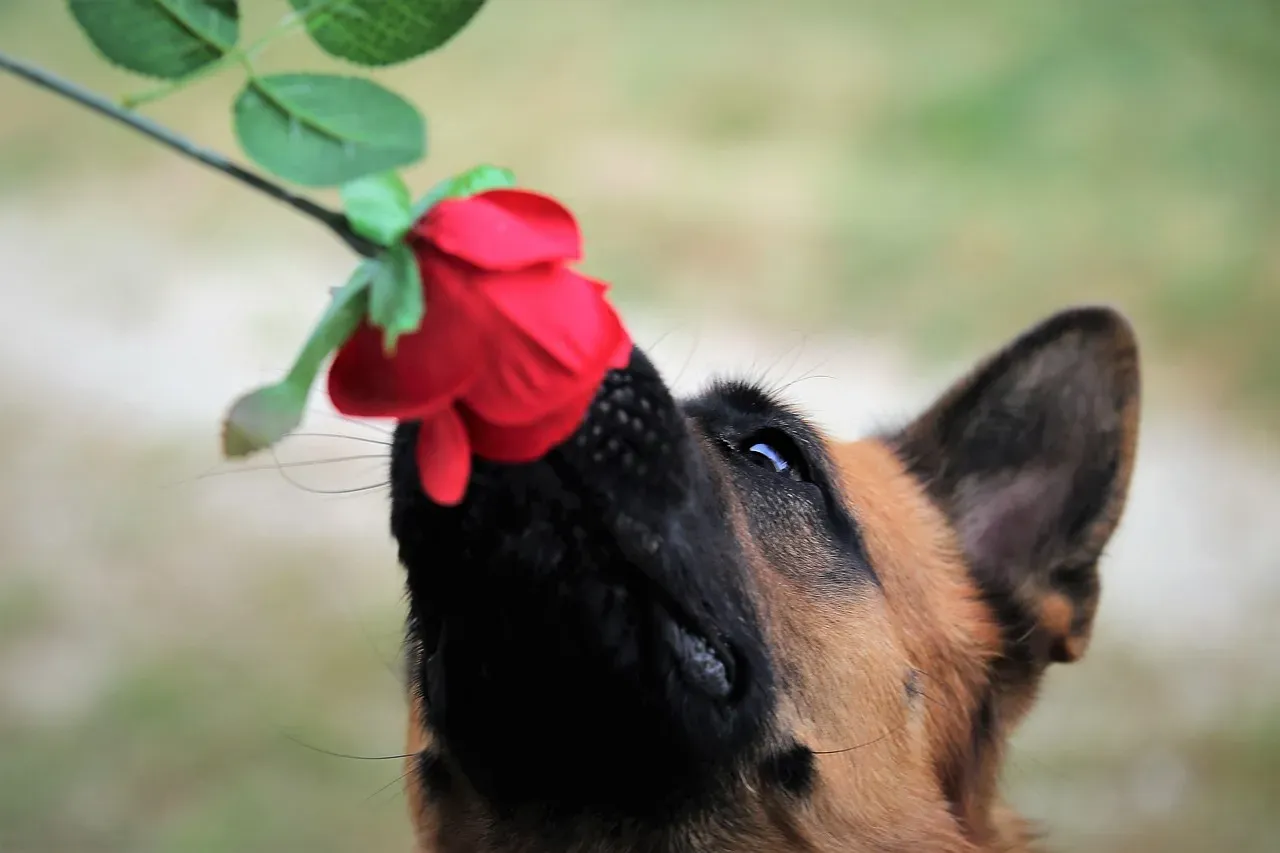
Dogs have approximately 300 million olfactory receptors compared to our six million, and roughly forty times more smell-sensitive receptors than humans. That’s not just a small difference. It’s like comparing a flip phone to a supercomputer.
Your dog can smell between 10,000 to 100,000 times better than people, detecting odors in parts per trillion – equivalent to finding one dirty sock in a pile of two million clean ones. When your pup stops suddenly to investigate what seems like empty air to you, they’re processing information that’s completely invisible to us.
Dogs devote approximately 40 times more brain volume to decoding smells than we do. Honestly, trying to understand what your dog experiences during their walk is like trying to imagine a color you’ve never seen. Their world is simply that different from ours.
Every Corner Tells a Story
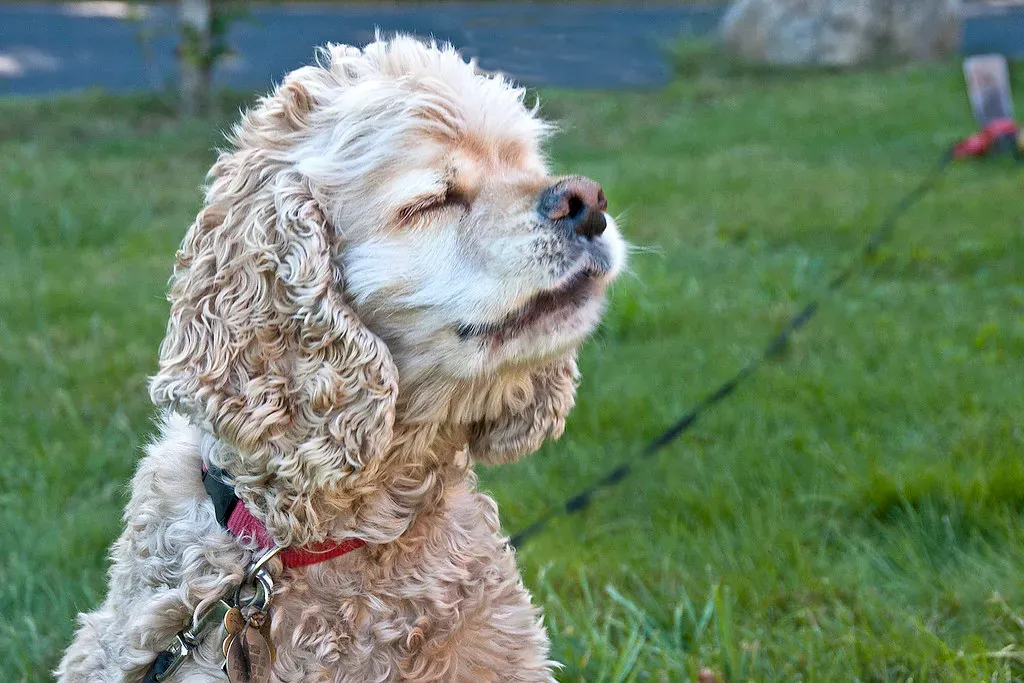
Dogs smell to gain context of their environment, which includes the unique signature of other beings that have traveled that route before them, as well as elements that are abstract, like the passage of time or pending weather changes. Yes, your dog can actually smell an incoming storm. Wild, right?
That fire hydrant your dog obsesses over? It’s like checking their “pee-mail” – dogs learn about each other through pheromones, especially those in urine. By simply smelling, a dog can determine if a new friend is male or female, happy or aggressive, healthy or ill, and they get more detailed information by getting up close and personal.
Dogs use scent to identify their family, friends, and learn a lot about inhabitants of the neighborhood or places they frequent such as walking paths or dog parks. Each morning walk is like scrolling through neighborhood updates. Who walked by last night? Which dogs visited? What mood were they in? Your dog knows.
It’s Not Territory – It’s Communication
We used to think dogs were just marking territory when they pee on everything. Turns out, we had it wrong. Domestic dogs don’t actually mark territorially – they’re communicating with other dogs, less about saying “Keep out!” and more about saying “Here I am,” providing information on their health, sexual receptiveness, and maybe even their mood.
By leaving urine on a fire hydrant, your dog is sending a message via urine to other dogs in the neighborhood. Think of it like posting a status update. Each mark is a little note left for the next dog who passes by.
Dogs deposit scent passively while they walk through pedal scent glands in their foot pads and interdigital regions, minimizing the cost of communication and leaving a continuous trail. Even when they’re not actively marking, they’re still leaving their signature everywhere they step.
Mental Gymnastics Disguised as Exercise
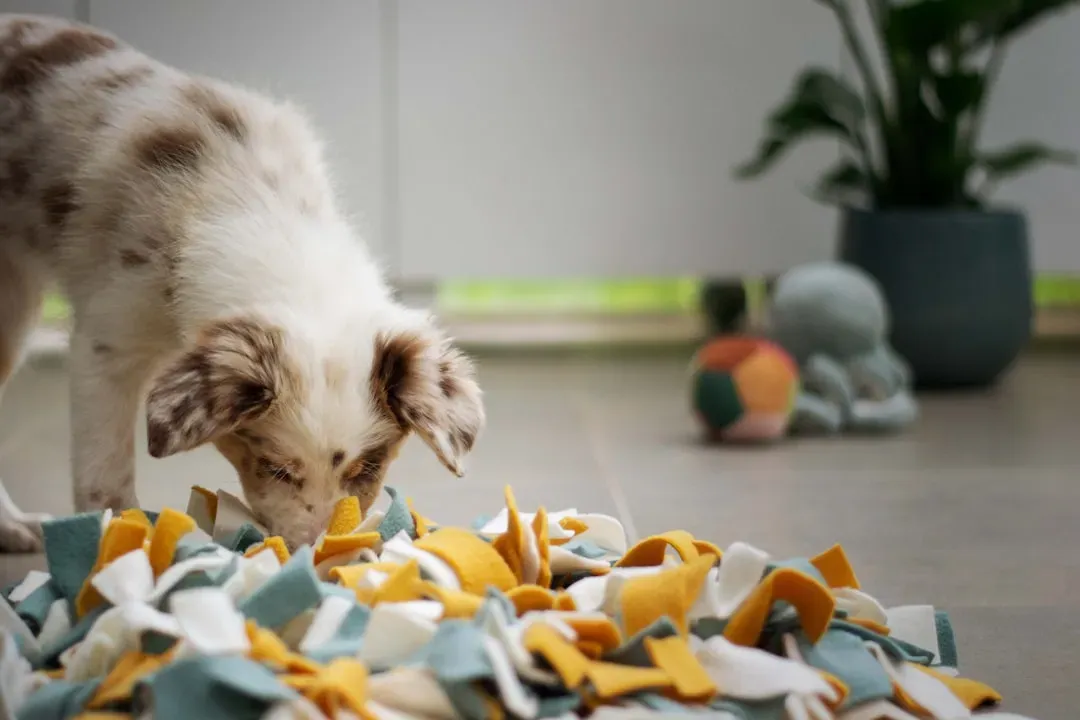
Here’s something most people don’t realize: Dogs get a lot of mental stimulation from sniffing, and it can even expend energy the same way physical exercise does – sniff walks are just as effective as physical exercise at expending pent-up energy and decreasing behaviors like destructive chewing or excessive digging.
Sniffing has been shown to not only decrease a dog’s heart rate (decreasing their stress), but it also releases dopamine, the “happy” brain chemical. So when your dog plants their feet and refuses to budge from that particularly interesting smell, they’re not being stubborn. They’re literally getting a natural mood boost.
Experts say that 20 minutes of sniffing can be equivalent to an hour’s worth of a walk with regards to enrichment. Let that sink in. Sniffing isn’t wasting time – it’s what the walk is really about.
The Newsfeed They Actually Need
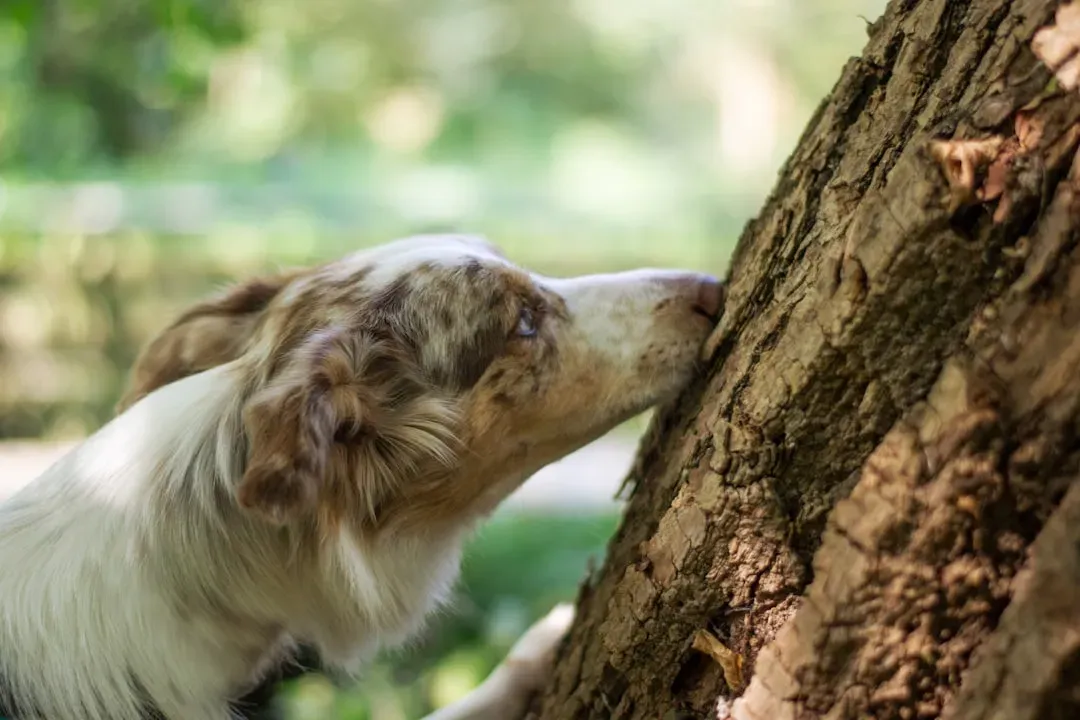
Dogs primarily experience the world through their sense of smell, gathering vast information from their environment – sniffing activates their brain, reduces boredom and anxiety, and helps them stay engaged. Without it, they’re essentially walking blind through their world.
Sniffing allows dogs to better perceive the world around them, which probably lends a sense of security – a dog who can’t smell, especially in a new environment, may experience uncertainty or disorientation similar to a human who is placed in a new location wearing a blindfold. That’s a powerful comparison and one worth remembering next time you’re tempted to rush past that interesting smell.
Letting your dog stop and sniff freely on walks can enhance their well-being and help you better understand their behavior and preferences. Every sniff session is an opportunity to learn who your dog really is and what matters to them.
Building a Better Walk Together
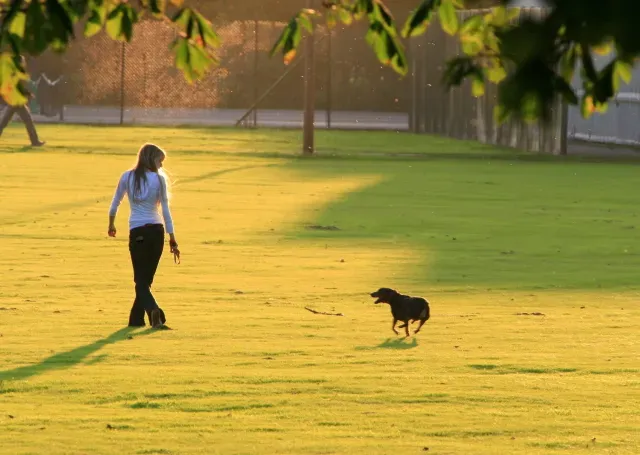
A long leash (10 to 30 feet long) can give your dog a bit more freedom for sniff walks in less-populated areas – when your dog stops for a sniff, let them; don’t immediately pull them away. Simple changes like this can transform your walks from rushed obligations into genuine enrichment experiences.
Changing up your walking route can be very stimulating for dogs – walking somewhere new allows them to see and smell new things, and regularly changing your route helps keep things exciting, which is mentally stimulating. Variety isn’t just the spice of life for humans. Dogs crave it too.
Sniffing has a calming effect on dogs, and having control over their environment is a primary reinforcer – this type of mental enrichment is crucial for tiring a dog out and it will be much easier for them to relax at the end of the day. A good sniff walk can be more satisfying than a run around the block.
Final Thoughts
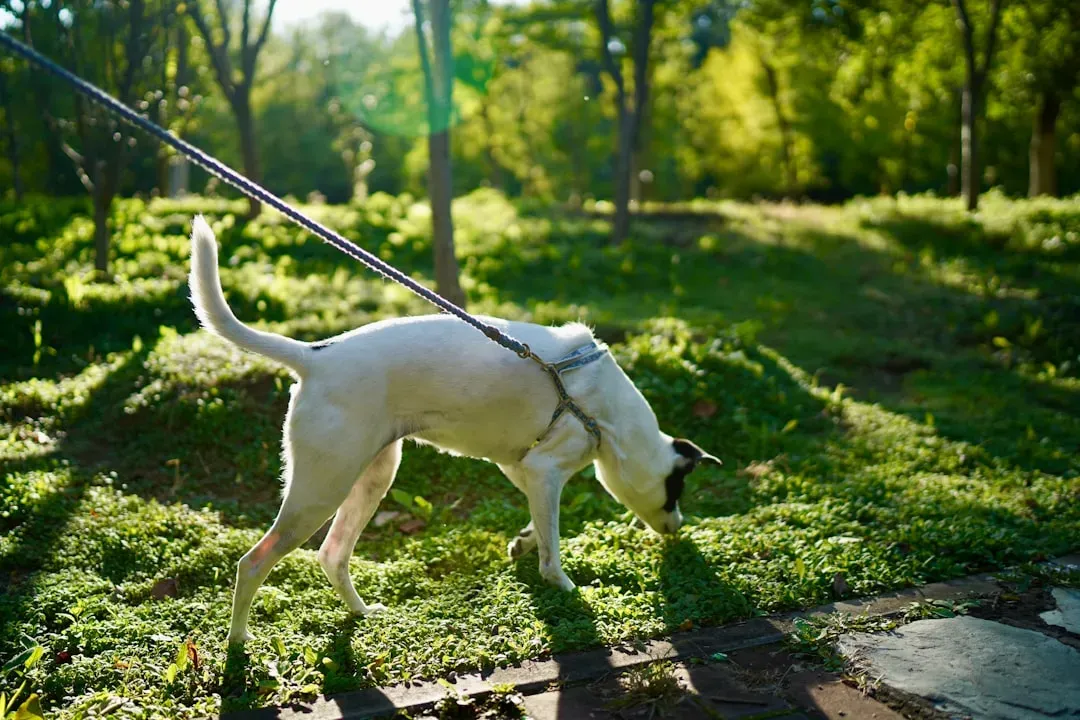
That morning walk is so much more than a bathroom break or a quick dash around the block. It’s your dog’s daily connection to their community, their mental workout, and their chance to experience the world the way nature designed them to experience it – through an extraordinary sense we can barely comprehend.
Next time your dog stops to investigate that patch of grass for the tenth time, remember: they’re not being difficult. They’re reading their newsfeed, catching up on the neighborhood gossip, and engaging their magnificent brain in ways that truly matter to them. The most loving thing you can do? Slow down. Let them sniff. Give them the time to be fully, wonderfully dog.
What hidden stories do you think your dog discovers on your daily walks? You might be surprised at what they already know about your neighborhood that you’ll never see.


