
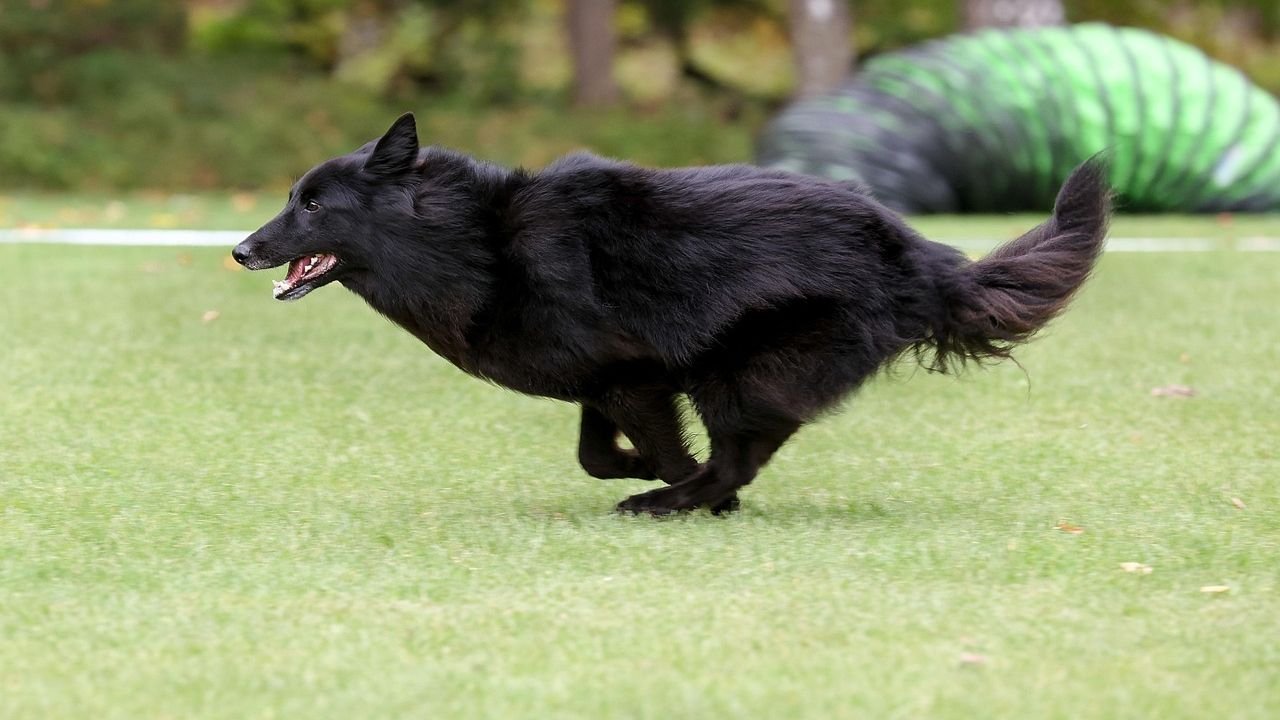
You know that look. The one your dog gets when a squirrel darts across the lawn. Every muscle tenses. The ears prick forward. Time seems to freeze for just a heartbeat before your pup explodes into action, pulling you toward the nearest tree with a force that could rival a freight train. You might feel embarrassed, frustrated, or even a little concerned about this wild behavior.
Here’s the thing though. That squirrel obsession isn’t a flaw in your dog’s character. It’s not something that needs to be stamped out or punished. In fact, what if I told you that your dog’s relentless pursuit of those bushy-tailed critters could actually be one of the healthiest expressions of their true nature? Let’s explore why that seemingly chaotic chase might be doing your furry friend more good than you ever imagined.
It’s Not Crazy, It’s Biology
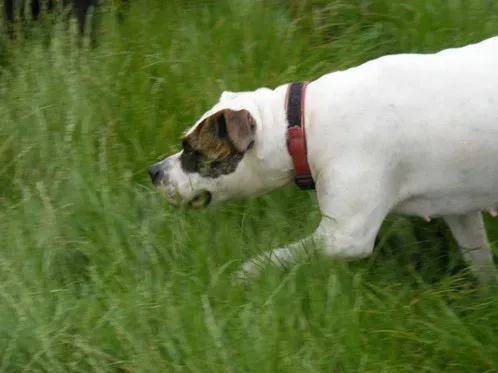
Our domestic dogs descend from wolves, who are hard-wired to chase down critters like squirrels to survive, making this part of your dog’s survival instinct. Prey drive is instinctive rather than being driven by strong emotions like fear. When your dog spots that squirrel, they’re not being naughty or disobedient. They’re responding to thousands of years of genetic programming that helped their ancestors survive in the wild.
The sudden movement of squirrels, running, jumping, and darting up trees, is particularly enticing to dogs. Their eyes are naturally drawn to motion, and their bodies are primed to respond. Think of it like when you hear your favorite song come on the radio. You don’t decide to feel happy, you just do. Your dog doesn’t decide to chase, their body just knows to move.
The Mental Workout Your Dog Actually Needs
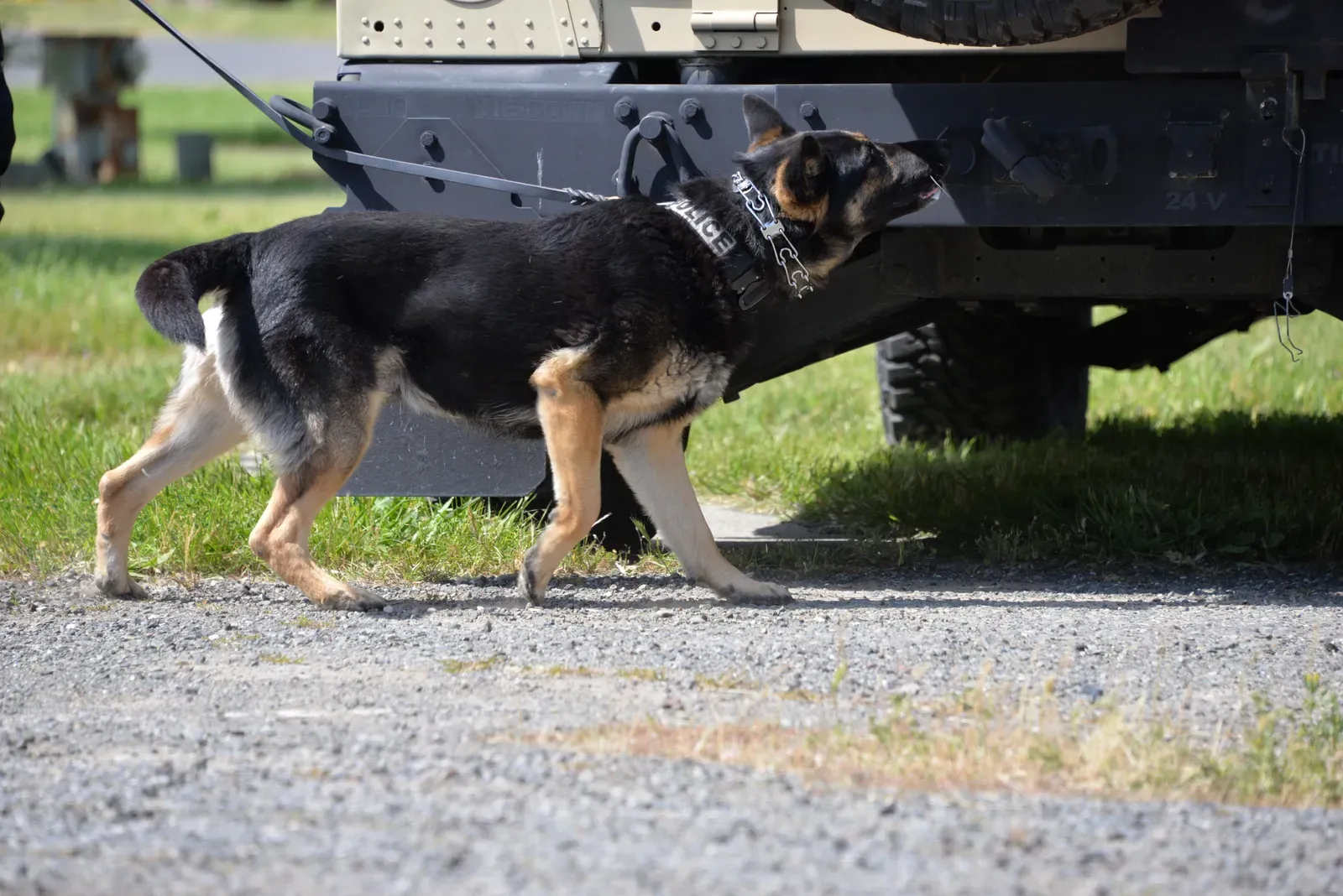
Mental stimulation is just as important for dogs as physical exercise. Let’s be real, most of us think a long walk or a game of fetch is enough to satisfy our dogs. Mental exercises can actually make dogs even more tired than physical exercise.
When your dog fixates on tracking a squirrel, their brain lights up like a Christmas tree. Dogs’ noses are thousands of times more sensitive than ours, and even though you may have no idea that a squirrel is nearby, your dog will know it’s there and will be watching for it. This entire process of scent detection, visual tracking, strategic planning, and physical coordination engages multiple parts of their brain simultaneously. Providing legitimate outlets for normal doggy behaviors that work with your dog’s natural instincts can help your pup feel less anxious, more relaxed, and can increase behavioral wellness.
A Natural Confidence Builder
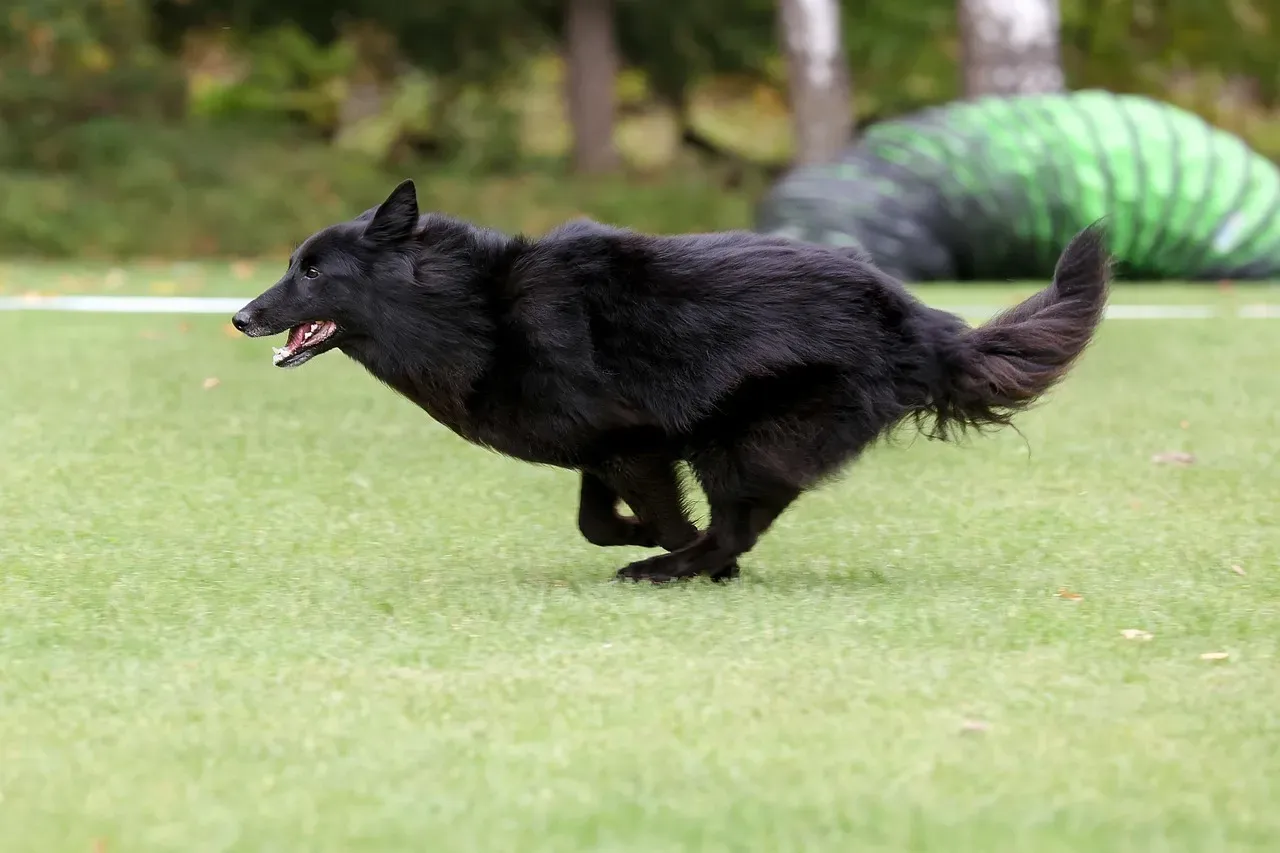
Prey drive has a positive side, as the term primarily refers to a dog’s level of excitement or motivation to perform a task involving hunting-related behaviors, and this drive can be immensely useful in training dogs for agility or for military and police K-9 jobs. Every time your dog engages in that chase sequence, they’re practicing skills that make them feel competent and capable.
It’s hard to say for sure, but I think there’s something deeply satisfying for a dog when they get to use the skills they were literally bred to use. In a domestic setting, your dog’s prey drive might make him more playful and active. Dogs that get to express these natural behaviors tend to carry themselves with more assurance. They seem to know who they are and what they’re good at.
Keeping Destructive Behaviors at Bay
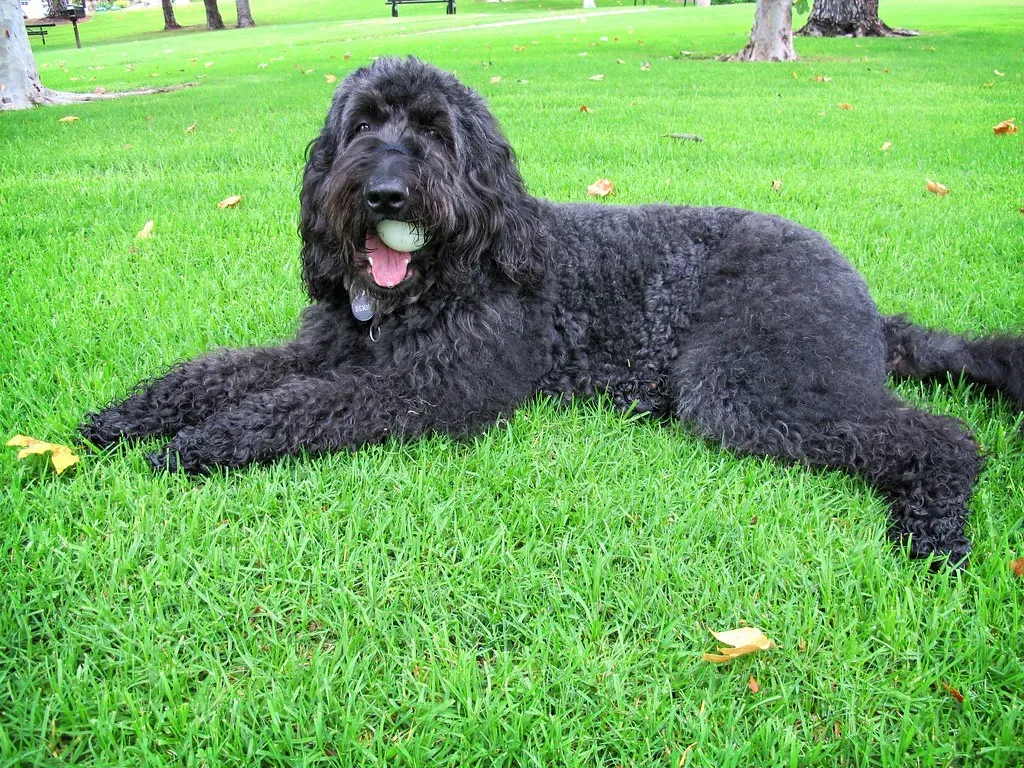
Signs that a dog is bored include tail-chasing, excessive barking, pacing, and digging. Consistent stimulation and exercise help promote good behavior and also help deter destructive behaviors. When dogs don’t have appropriate outlets for their natural instincts, they’ll create their own entertainment, and trust me, you won’t like their choices.
Dogs are predators and problem solvers by nature, yet many dogs have little opportunity to exercise their hunting, scavenging, and scenting propensities. That squirrel chase in the backyard might be saving your couch cushions from destruction. Honestly, when your dog gets to channel their prey drive in healthy ways, they’re far less likely to redirect that energy toward chewing your favorite shoes or redecorating your garden.
Physical Fitness Without the Gym Membership
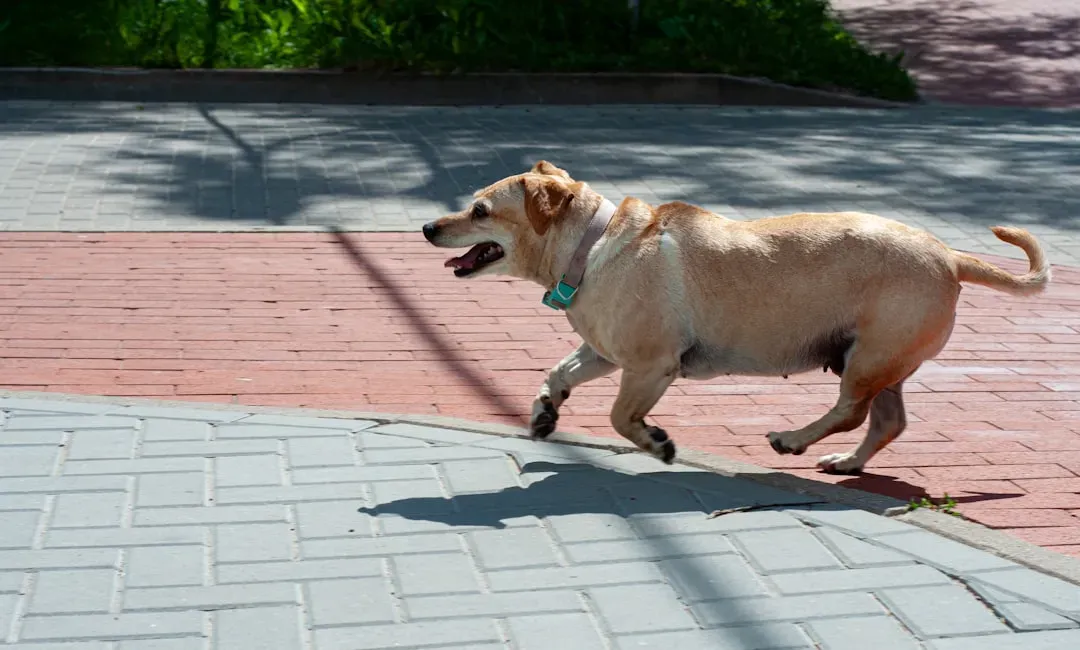
Wolves in the wild can travel up to 30 miles in a single day, so physical activity is in their blood. Your dog might not need to cover that kind of distance, but they do need regular vigorous activity to stay healthy. Most dogs should have at least 20 minutes of active stimulation each day along with walks, though higher energy breeds will require more activity.
The beauty of squirrel chasing is that it provides explosive bursts of cardio activity. Those sudden sprints get your dog’s heart pumping and muscles working in ways that a leisurely stroll around the block just can’t match. Exercise aids in preventing obesity, reducing digestive problems, keeping joints mobile and supple, and keeping their brain active.
Channeling the Chase Into Positive Activities
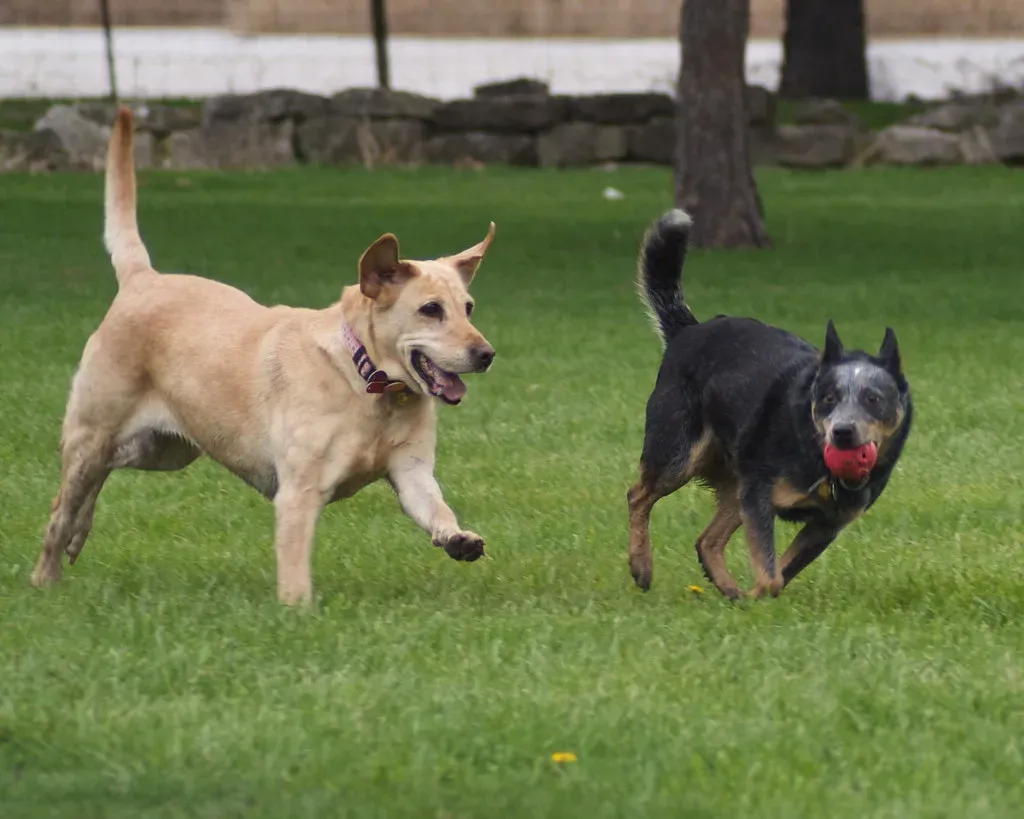
Engaging your dog in play that involves chasing, catching and retrieving, like playing fetch with a favorite tennis ball, can provide a healthy outlet for their instincts, and involving your pooch in agility sports is another positive and fun outlet for prey drive. You don’t have to let your dog actually catch squirrels to satisfy this instinct. Instead of trying to stamp out these impulses, you should channel them into more constructive activities like playing fetch with balls and discs or playing chase with your dog.
Fast CAT involves your dog chasing a lure during a timed 100-yard dash, and this sport comes so naturally for dogs that most people don’t even need to train to compete, especially if their dog has a high prey drive. There are so many enriching activities you can explore together. Flirt poles, scent work, barn hunt competitions, and coursing tests all tap into that same prey drive while keeping everyone safe.
Conclusion
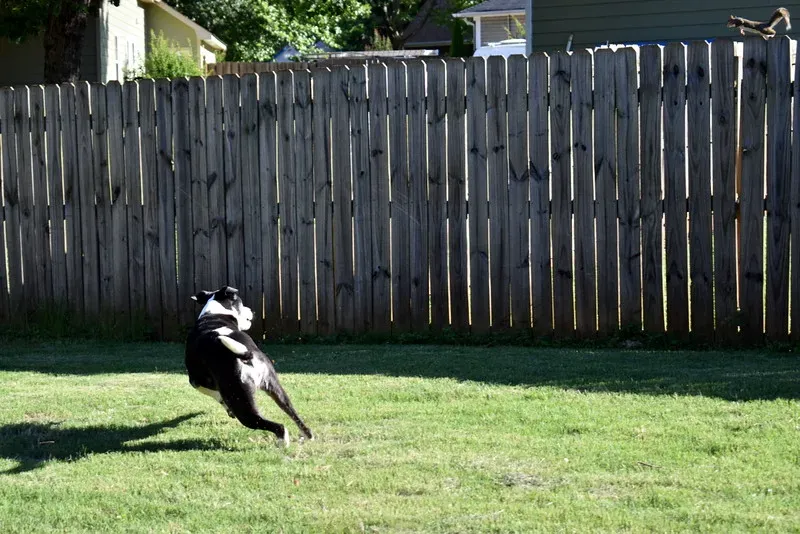
That wild-eyed, laser-focused pursuit of squirrels isn’t a character flaw. It’s your dog being authentically, beautifully themselves. When we understand that prey drive is a natural, healthy part of canine behavior, we can stop fighting against it and start working with it. A dog with high prey drive can be a handful, but they’re also incredibly fun, energetic, and rewarding companions, and by understanding their instincts and providing the right outlets, you can turn their drive into an asset rather than a challenge.
So the next time your pup spots a squirrel and practically vibrates with excitement, take a moment to appreciate what you’re witnessing. You’re seeing evolution in action, watching your dog connect with instincts that run deeper than any training ever could. With the right management, outlets, and understanding, that squirrel obsession can become one of the most enriching parts of your dog’s life. What do you think about it? Have you found ways to channel your dog’s prey drive that work for both of you?


