
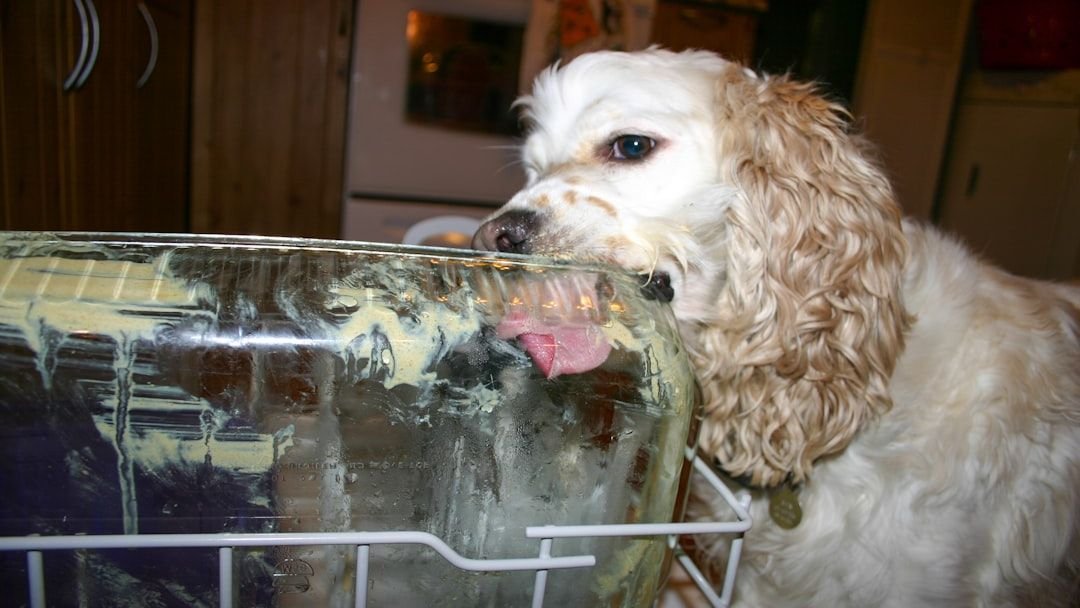
You’ve called your dog’s name three times and they just stand there, staring at a wall. You ask them to sit, and they look right through you like you’re invisible. Maybe they refuse to hop up onto the couch where they normally love to nap, or they suddenly won’t come when you call at the park. Let’s be real, the first thing most of us think is that our dog is being deliberately stubborn.
Here’s the thing, though. Dogs rarely choose to ignore us out of spite or defiance. When we label them as stubborn, we might be missing what they’re actually trying to tell us. That so-called stubbornness can be their only way of communicating that something is genuinely wrong, whether that’s pain, confusion, or a medical issue we simply haven’t spotted yet. Let’s dive in and explore what might really be happening when your furry friend seems to be ignoring you.
When Pain Is Whispering Through Behavior

Pain, in particular, is an important risk factor for behavior problems. Think about how you feel when you have a headache or a sore back. Do you feel like jumping up and following complicated instructions?
A dog who is refusing to sit may do so because sitting causes pain in their knees or hips. A dog who stops responding to your recall in noisy environments may be suffering from hearing loss. Honestly, it’s easy to understand once we put ourselves in their paws. 30–80% of patients referred for behavioral complaints had at least one underlying painful condition, which is staggering when you think about it. Dogs instinctively try to hide their pain and they can’t tell us when they are hurting, so we need to watch for subtle clues.
Altered posture or stiffness or limping may favor one limb or exhibit difficulty walking. You might notice your dog hesitating before climbing stairs or moving more slowly than usual. In dogs with musculoskeletal disorders, behavioral signs typically precede physical signs such as increased fearfulness, prolonged recovery after a stressful event, or reduced caregiver interaction, all before limping even appears.
The Invisible Health Culprits Behind Disobedience

Any pain or discomfort arising from arthritis, allergies, ear infections, dental problems can cause a dog to become irritable, snappy, withdrawn or anxious. Sometimes these conditions are lurking beneath the surface without obvious outward symptoms. Your dog might look fine physically but feel absolutely miserable inside.
Hypothyroidism can manifest in behavioral as well as physical symptoms. Hypothyroidism in dogs can lead to changes in behavior, including increased irritability and aggression which can manifest as uncharacteristic growling, snapping, or even biting towards people or other animals. It sounds shocking, doesn’t it? A simple hormonal imbalance could turn your gentle companion into someone you barely recognize.
Of these 1500 dogs, 61% were either hypothyroid or had reduced thyroid function, with analysis showing a significant relationship between thyroid dysfunction and dog-to-human and dog-dog aggression. After treatment began, roughly two thirds of dogs showed significant behavior improvement. A dog who appears sluggish and slow to respond may be suffering from low thyroid levels.
When Senses Start Fading Away
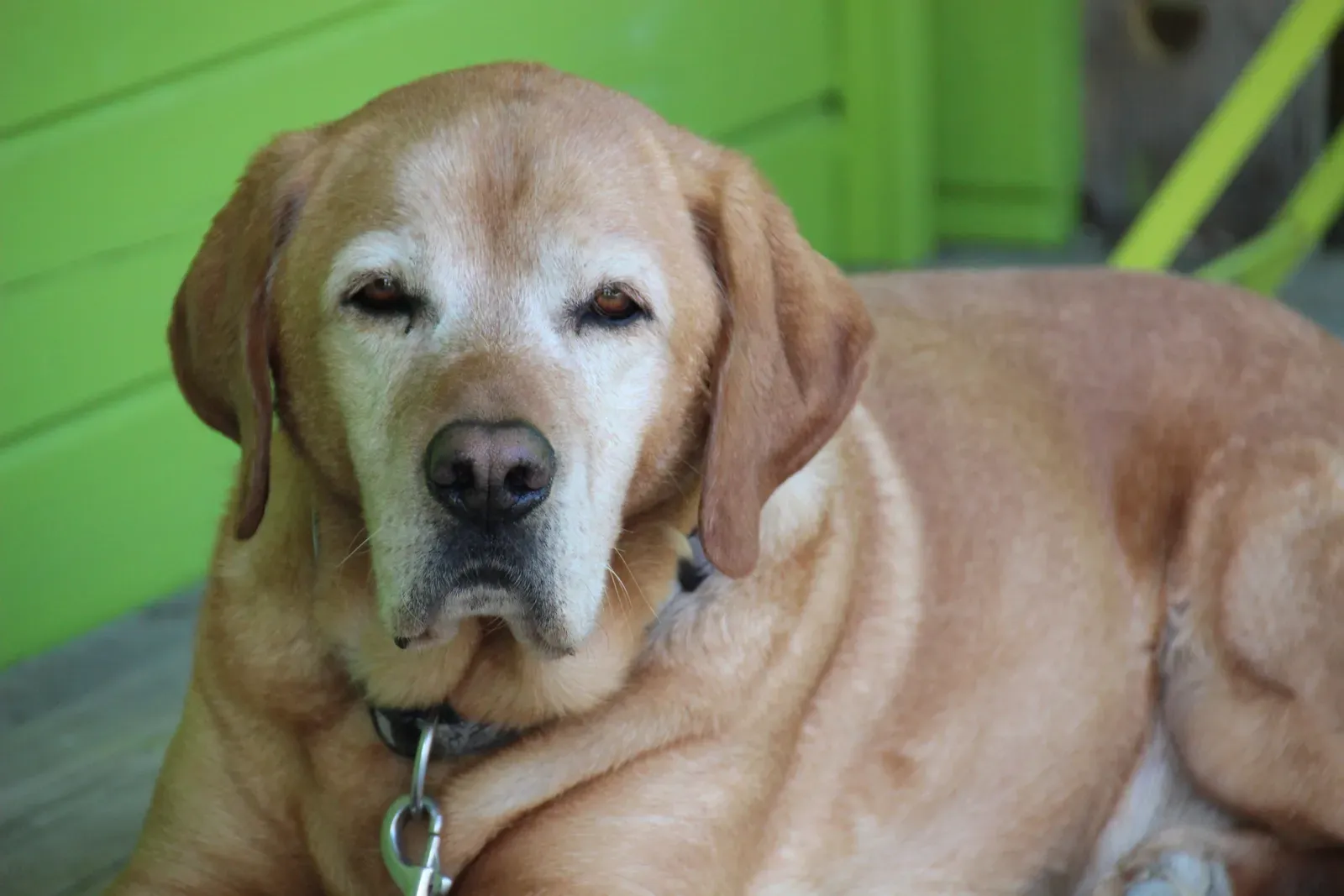
A dog whose hearing is going will gradually stop responding to auditory cues, which can be misinterpreted as stubbornness. Imagine calling your best friend over and over, frustrated that they’re ignoring you, only to discover they genuinely cannot hear a single word you’re saying.
The loss is gradual, degrading slowly over several years. Your dog isn’t suddenly being rude. They’re literally losing their ability to detect sound frequencies. Declining vision may lead to reduced playfulness, a growing reluctance to go for walks or up and down stairs, a desire to sleep more, and clumsiness.
It’s not that they’re being stubborn, they likely can’t hear or see what you’re asking, with dogs potentially failing to come when you call them. These changes can leave your dog feeling disoriented and anxious. I think the saddest part is when owners get frustrated with their dogs, not realizing their furry companions are silently struggling with a sensory disability.
The Stress and Anxiety Factor
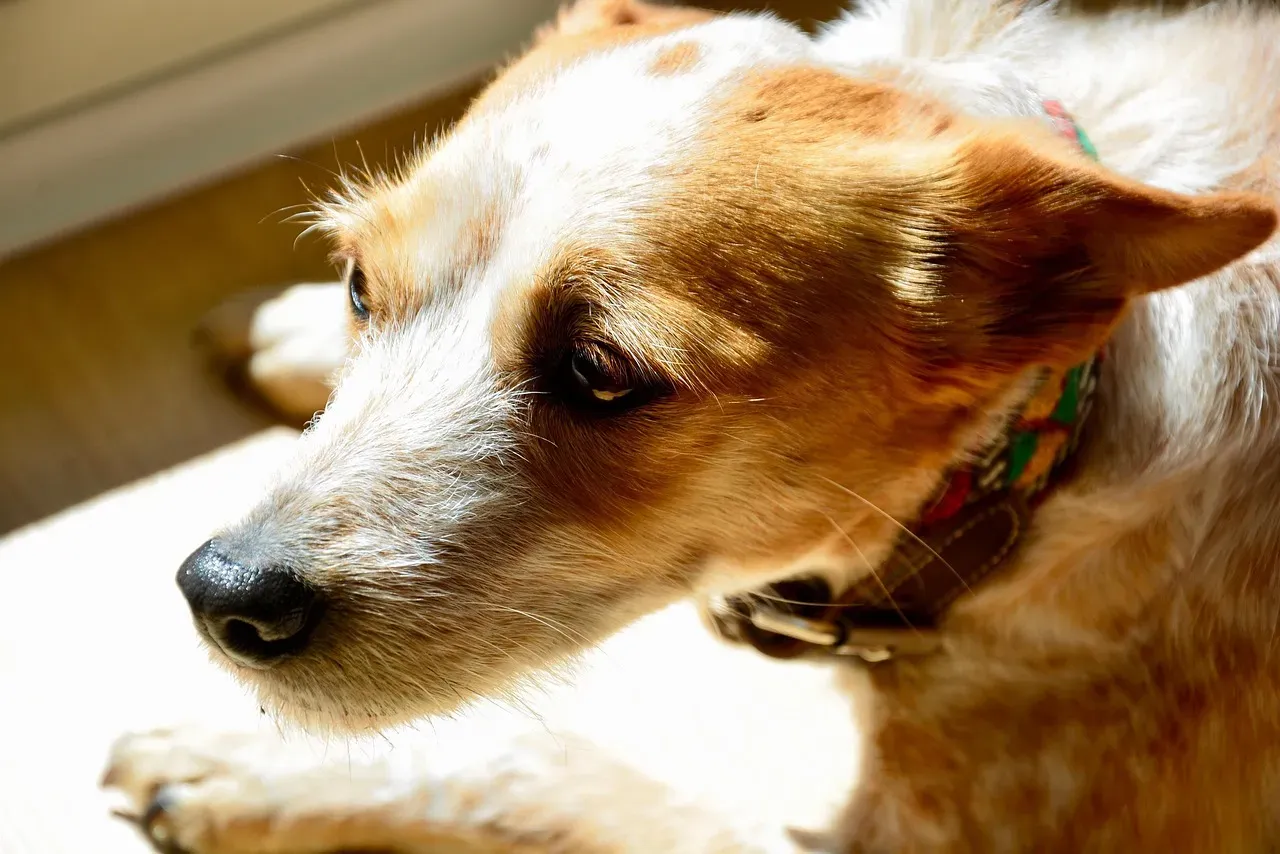
If your dog is too stressed, anxious, or fearful, he won’t be able to think as sharply as he would if he were in a normal mental state because their brains tend to shut down when they’re not feeling entirely safe. Picture trying to solve complex math problems while being chased by a bear. Your brain just doesn’t function the same way under pressure.
Sometimes what looks like refusal is actually a dog who’s emotionally overwhelmed. Pulling on the leash, walking in zig-zag motions, needing to sniff often, and appearing to “zone out” can all be signs that your dog doesn’t feel safe. They’re not deliberately disobeying. They’re coping with internal chaos we can’t see.
Behavior problems rooted in fear, anxiety, excessive arousal, and impulsivity can develop as a result of genetic factors, stressful perinatal environment, insufficient early socialization, medical conditions affecting brain health and development, and traumatic environmental events. Your dog’s behavior today might reflect experiences from long ago that still haunt them.
Cognitive Changes in Aging Dogs
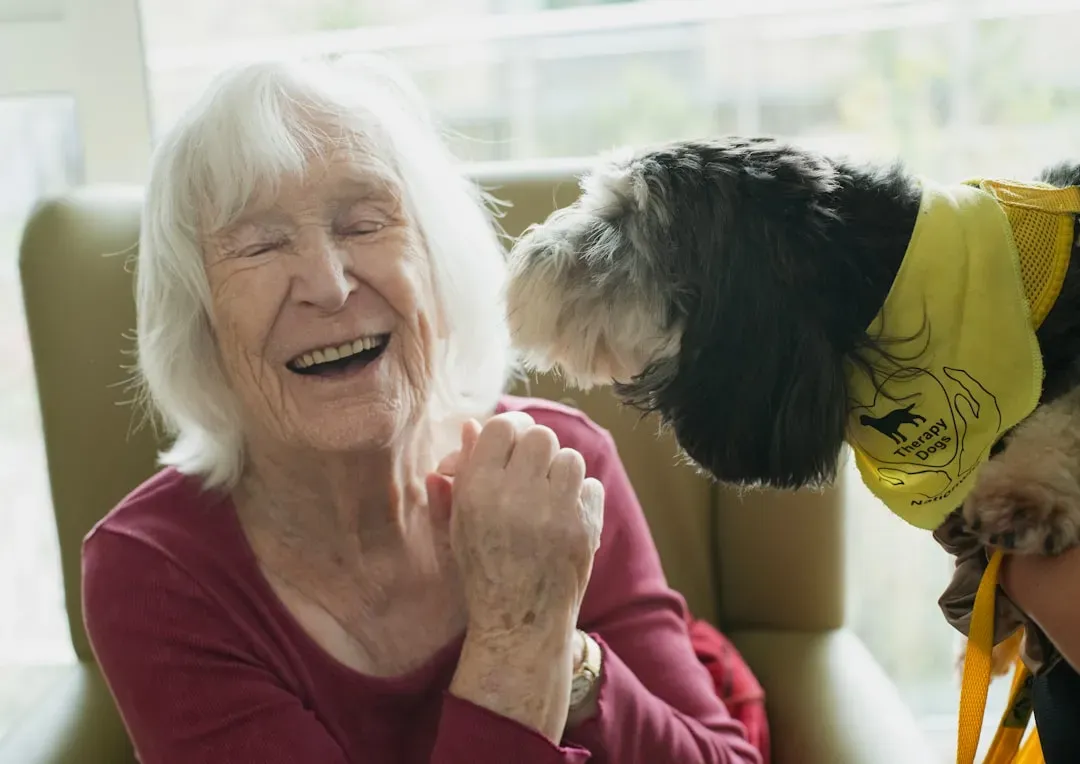
An older dog who stops responding and appears confused may be suffering from some form of cognitive decline. Just like humans can develop dementia, dogs experience similar changes as they age. It’s heartbreaking to watch but incredibly common.
Your once sharp and attentive companion might now seem lost in familiar places or forget learned commands. They’re not being difficult on purpose. Their brain function is genuinely changing. These dogs need patience and understanding, not frustration.
Senior dogs might sleep through thunderstorms they once feared or fail to greet you at the door like they always did. That’s not stubbornness or laziness. That’s their aging brain struggling to process information the way it used to. The loving, obedient dog you’ve always known is still in there, just working with different mental equipment now.
What You Can Actually Do About It
When dog owners report their dog is stubborn, the very first step is starting with a vet visit because sometimes medical conditions can cause dogs to become apathetic or reluctant to move as we would like. Don’t skip this step. Your veterinarian can run blood work, check for pain, and evaluate cognitive function.
The most important takeaway message is to get to know your dog’s “normal” behaviors so you can recognize the “abnormal” – including even subtle changes – and don’t assume your dog is being stubborn or naughty if he starts acting out of character on a regular basis, as they may simply need a checkup. Keep notes, take videos at home, and document any changes you’ve noticed.
Once medical issues are ruled out or addressed, you might need to adjust your training approach. Use positive reinforcement, reduce stressors in your dog’s environment, and consider working with a certified behaviorist. By identifying the real reason behind any “stubborn” behavior, you are empowered to make some simple adjustments, and next time your dog ignores you, ask yourself if they just need you to teach them in a way that makes sense to them.
Conclusion

The next time your dog seems to ignore a command or acts uncharacteristically difficult, pause before labeling it as stubbornness. Our dogs communicate through behavior because they have no other choice. What looks like defiance might be your dog’s desperate attempt to tell you something is wrong.
Always know there is ALWAYS a reason for behavior, and your dog is not just being ‘stubborn’ for the sake of getting under your skin or trying to be dominate. They deserve our patience, observation, and advocacy. Trust your gut when something feels off, and don’t hesitate to seek professional help. Your dog is counting on you to hear what they can’t say in words.
What changes have you noticed in your dog’s behavior lately? Have you considered that it might be more than just a stubborn phase? Share your experiences in the comments below.


