

You’ve seen it happen before. Maybe you’re sitting peacefully on your couch, flipping through the day’s events, when suddenly your dog’s eyes widen with that wild, almost mischievous gleam. Within seconds, they’re off like a rocket, tearing through your living room in furious circles, tail tucked, paws sliding on the hardwood, looking like they’ve just been possessed by some kind of canine tornado. Then, just as abruptly as it started, it stops. Your pup plops down, panting heavily, looking perfectly satisfied, while you sit there wondering what on earth just happened.
We dog lovers have affectionately dubbed this behavior the “zoomies.” It’s hilarious to watch, admittedly adorable, and usually harmless. Yet here’s the thing that many of us don’t realize: those wild bursts of energy might actually be your dog’s way of telling you something important. They appear to be a way to release pent-up energy, or perhaps, to alleviate stress. Let’s dive deeper into what your dog is really trying to communicate during those crazy laps around the house.
Understanding What Zoomies Really Are
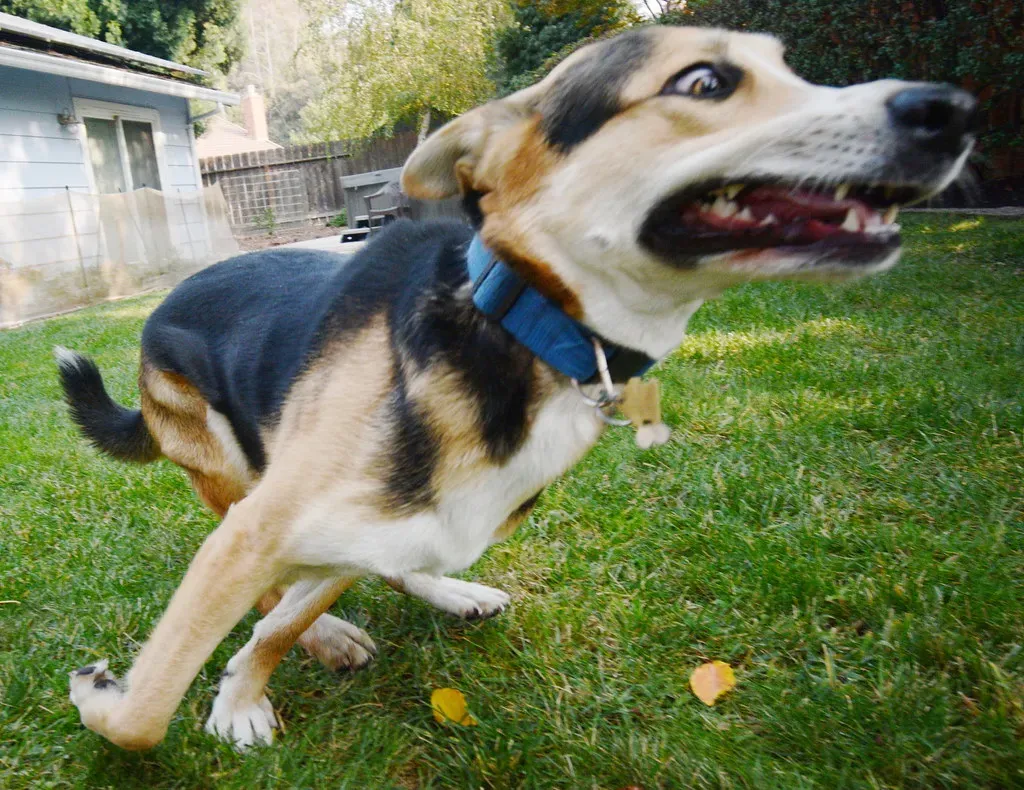
This explosion of activity has many nicknames among dog owners, from ‘zoomies’ and ‘crazy eights,’ to ‘midnight madness’ and ‘demon possession,’ but the official scientific term for this behavior is frenetic random activity periods (FRAPs). That’s right, there’s actual science behind your dog’s temporary insanity.
A dog who has been home alone all day with nothing to do may feel the need to zoom around the house or yard to expend some of that energy and get some relief from hours of under-stimulation. Think about it like this: imagine being stuck in one room for eight hours with nothing to do, no phone, no books, no conversations. You’d probably want to run in circles too.
Typically, dog zoomies won’t last very long and will be over almost as soon as they began, and your dog will plonk themselves down for a much-needed rest. Most episodes last just a few minutes at most. It’s their body’s natural way of hitting the reset button on all that built-up tension and energy.
Decoding the Difference Between Happy Zoomies and Stressed Zoomies

Not all zoomies are created equal, and this is crucial to understand. A typical happy zooming dog will be loose and even wiggly, bouncing around you when they slow down. Their mouth might be open in what looks like a goofy grin, their movements fluid rather than stiff.
However, sometimes zoomies can signal anxiety or distress. A frightened dog will be more tense, with wide eyes and a tightly tucked tail that stays tucked to the belly even when stopping. They may also carry their head low with ears folded back submissively.
If a dog zooming around the house or yard appears in pain, frightened or anxious, then the owner should investigate what caused the distress by seeking veterinary help. The context matters enormously here. Pay attention to your dog’s body language before, during, and after their zoomies to determine what’s really going on.
The Most Common Triggers for Those Wild Bursts

Dogs are more active and have more energy during dawn and dusk – so zoomies are more common at this time. This is rooted in their ancestry, when their wild relatives were most active during twilight hours for hunting. Your modern dog might not be hunting dinner, but those instincts remain.
Bath time is another notorious trigger. Dogs may either feel relief that they’re out of the bath or are trying to dry off (or perhaps both). There’s also something about the sensation of being wet that seems to flip a switch in many dogs’ brains, sending them into overdrive.
When you get home from being out, they may be so happy to see you or it may be a release of stress at having been left. Post-poop zoomies are also incredibly common, which many experts believe is simply a celebration of feeling lighter and relieved.
When Frequent Zoomies Become a Red Flag
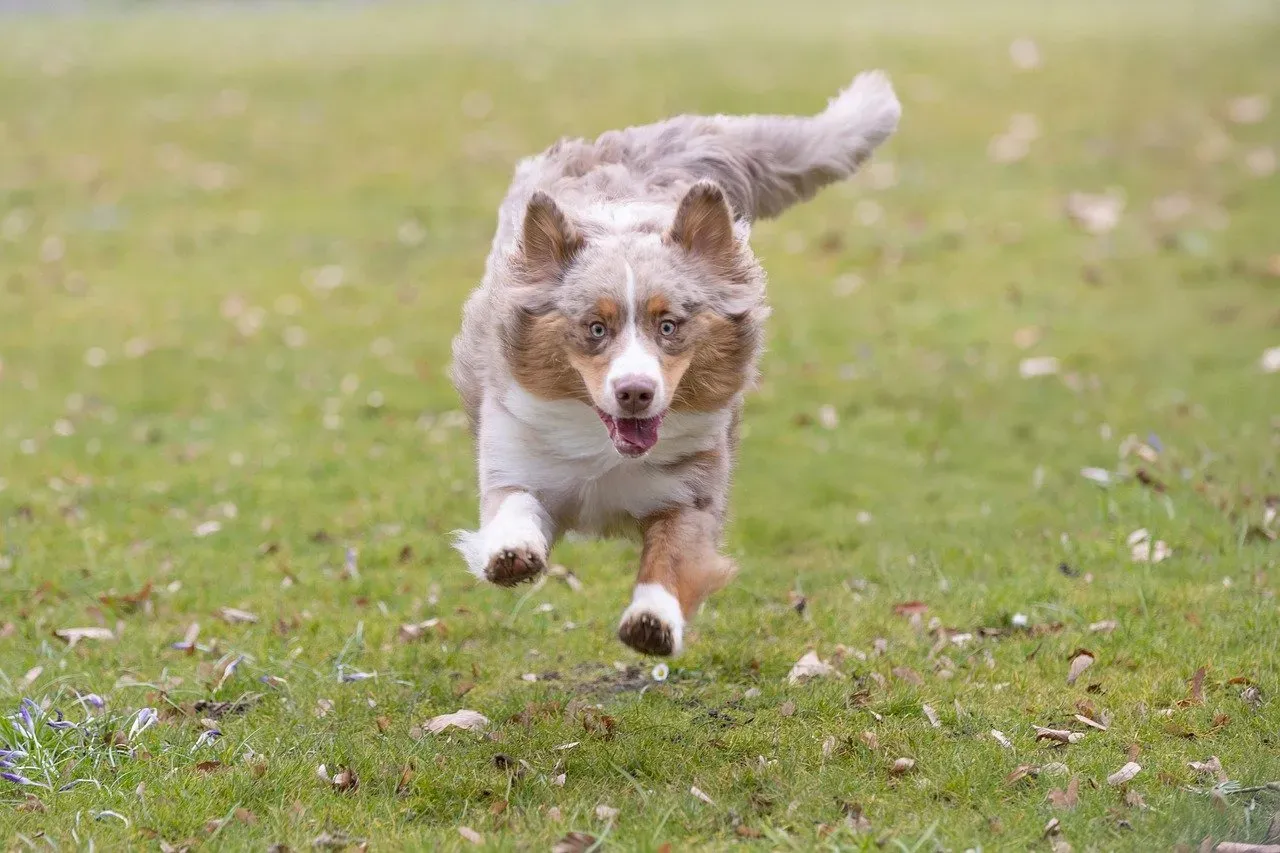
Here’s where we need to get honest about what those zoomies might really mean. When it’s happening frequently, it can indicate that your dog needs more exercise. If your dog is experiencing zoomies multiple times a day, or they seem particularly intense and uncontrollable, it’s worth examining their daily routine more closely.
Some dogs’ zoomies are a product of having too much energy with no outlet. All dogs – but especially puppies – need plenty of time to exercise both their bodies and their brains. When they don’t get enough of both, the result can be an uptick in zoomies, often paired with less desirable behaviors like nipping and vocalization.
Let’s be real: a tired dog is usually a happy, well-behaved dog. If your pup is constantly bouncing off the walls, they’re probably not getting enough outlets for their natural energy and intelligence. This isn’t about blaming yourself, it’s about recognizing an opportunity to improve your dog’s quality of life.
The Mental Stimulation Gap Most Dogs Are Missing

Mental stimulation is just as important for dogs as physical exercise. Mental exercises can actually make dogs even more tired than physical exercise. This is something many well-meaning dog owners overlook. We take our dogs for walks, we throw the ball, we think we’re doing everything right. Yet we forget that dogs are incredibly intelligent creatures who need mental challenges just as much as physical ones.
Fifteen minutes of mental training is equivalent to about an hour of walking! That’s a game changer, especially for people with busy schedules or dogs with physical limitations. Mental enrichment doesn’t require hours of your time or expensive equipment.
Signs that a dog is bored include tail-chasing, excessive barking, pacing, and digging. Sound familiar? These behaviors, along with frequent zoomies, often indicate your dog’s brain is desperately seeking stimulation. Boredom and lack of mental engagement can lead to destructive behaviours, excessive barking, and other stress-related problems.
Practical Ways to Give Your Dog What They Need

The good news is that addressing your dog’s needs doesn’t have to be complicated or expensive. Puzzle toys and other interactive toys typically have compartments where you can hide food, and your dog has to figure out how to access those tasty treats. Similar to hide-and-seek and “find it,” interactive toys require critical thinking skills. They’re great for keeping your pup occupied for an extended time, distracting them from things that make them anxious, and mentally exhausting them.
Start incorporating nose work into your daily routine. Scatter feeding is where you take portions of your pet’s dry food and hide them around the house. Put your dog in one room, hide the food in small piles around the house or yard, then release them to go find it all. Like other feeding exercises and games, this requires mentally stimulating nose work.
Change up your walking routes regularly. Walking somewhere new allows them to see and smell new things. Regularly changing your route helps keep things exciting for your dog – which is mentally stimulating. Even just walking your usual route in the opposite direction can provide novelty for your dog’s senses.
Dogs need at least 20 minutes of mental stimulation per day. However, this can vary widely among different breeds, ages and even individual dogs. High-energy breeds like Border Collies or Australian Shepherds will need significantly more mental and physical exercise than, say, a Basset Hound.
If you’re still seeing excessive zoomies despite increasing exercise and enrichment, don’t hesitate to consult with your veterinarian or a certified dog behavior specialist. Sometimes underlying anxiety, medical conditions, or breed-specific needs require professional guidance.
Embracing the Zoomies While Meeting Your Dog’s Needs
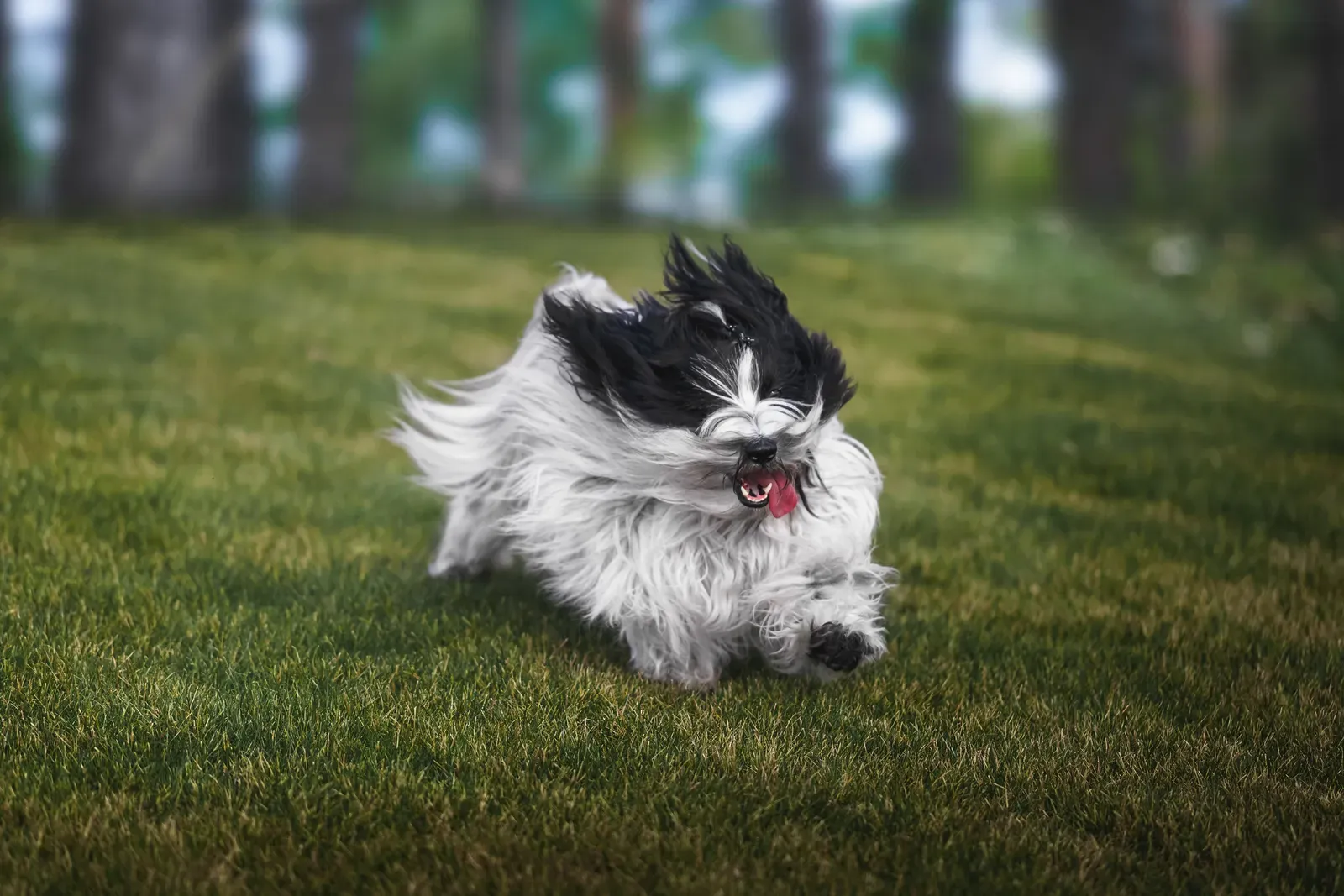
Zoomies aren’t inherently bad. In fact, occasional FRAPs in a safe environment are perfectly normal and even healthy. If your dog does get the zoomies in a safe space, never fear, and let them party on. The key word here is “occasional.”
Create a balanced daily routine that includes physical exercise, mental stimulation, training, and rest. Exercise and mental stimulation are different, but both are important to your pet’s daily routine. A balanced routine should have an increase in good behaviors you love to see and a decrease in destructive behaviors like barking, chewing, or inappropriate eliminating due to stress and anxiety.
When those zoomies do hit, make sure your environment is safe. Clear away breakable objects, ensure there are no sharp corners at dog-eye level, and give them space to safely burn off that energy. Then observe whether the zoomies seem joyful or stressed, and adjust your approach accordingly.
Your dog’s zoomies are often their way of communicating unmet needs. By understanding what triggers these wild bursts and addressing the root causes, you’re not just preventing chaos in your living room. You’re giving your furry companion a richer, more fulfilling life that meets their physical, mental, and emotional needs. Has your dog been trying to tell you something with their latest zooming session? What changes might help them feel more balanced and content?


