
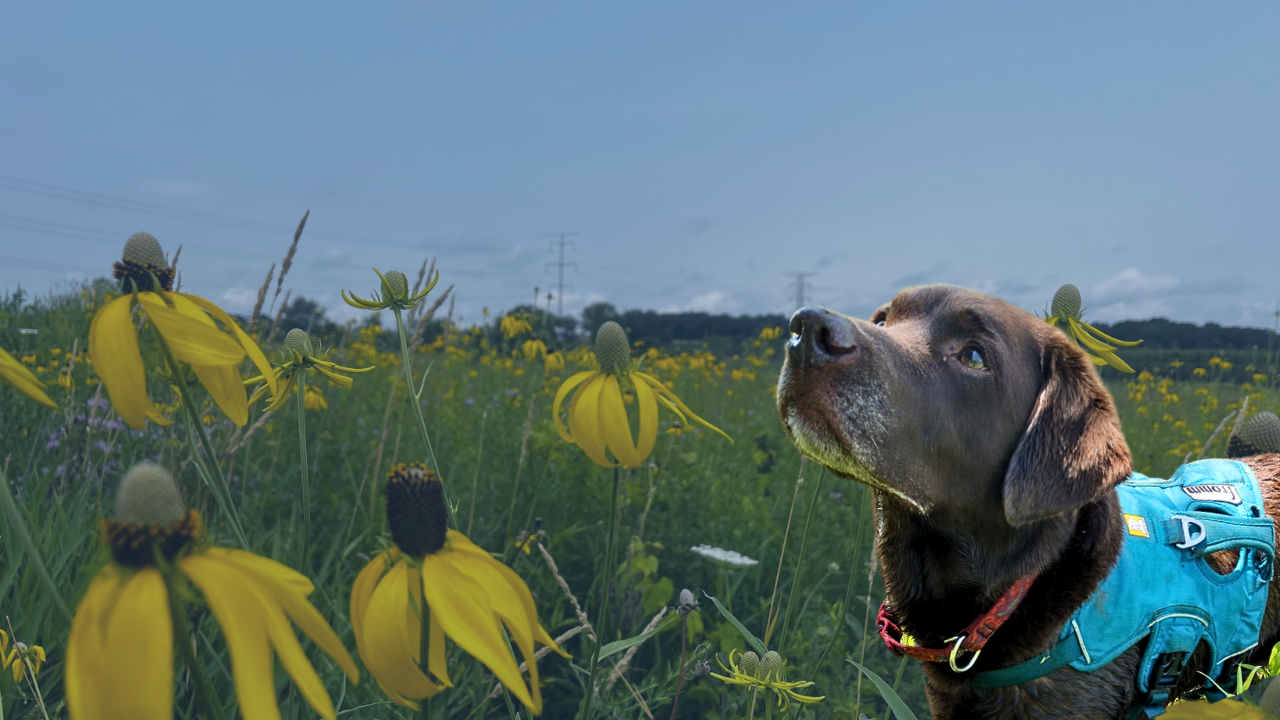
In the battle against invasive species, one of the most unlikely heroes is a dog named Tilia. This conservation dog is part of a growing movement where canines are not just pets but crucial allies in protecting ecosystems. With her keen sense of smell, Tilia helps safeguard the Mequon Nature Preserve in Wisconsin, sniffing out invasive plants that threaten native habitats. Conservation dogs like Tilia are increasingly becoming invaluable allies in the battle against invasive species, leveraging their exceptional olfactory abilities to detect and manage threats to native ecosystems. Conservation dogs like Tilia are proving that man’s best friend can also be nature’s best defender.
Tilia the Conservation Dog
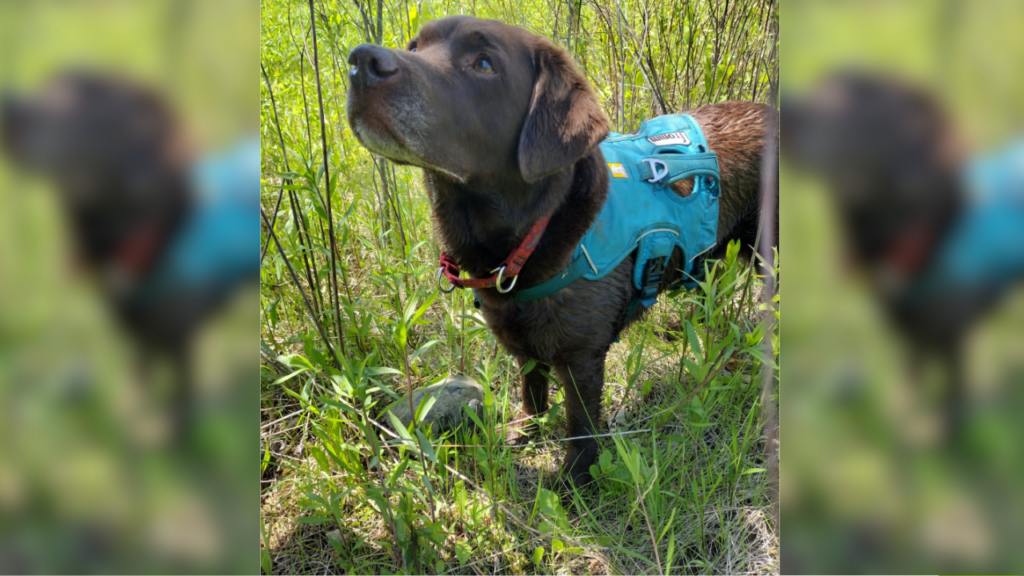
At the Mequon Nature Preserve in Wisconsin, Tilia, a chocolate Labrador, plays a crucial role in conservation efforts. Tilia’s work goes beyond simple detection; she’s part of a broader effort to use dogs’ extraordinary olfactory abilities in ways that humans never could have imagined. She assists in detecting invasive species like wild parsnip and endangered species such as salamanders, enabling staff to implement targeted management strategies. Her efficiency surpasses that of human professionals, highlighting the effectiveness of canine detection in conservation.
Why The Need for Conservation Dogs?
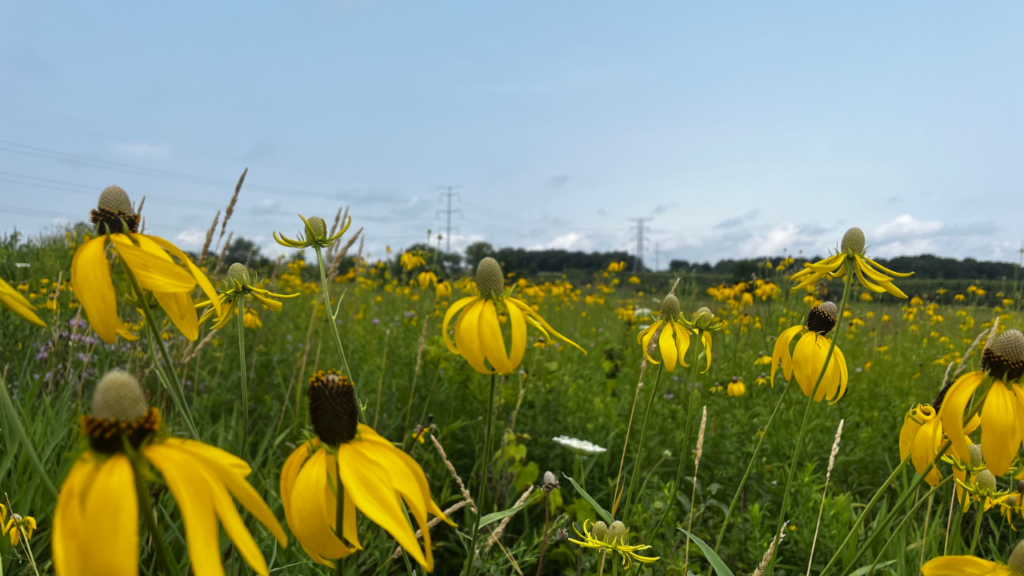
Invasive species disrupt ecosystems by crowding out native plants and animals, damaging infrastructure like waterways, and costing the U.S. an estimated $120 billion annually. This includes significant losses to agriculture and increased management costs for control and eradication efforts, highlighting the need for effective solutions.
Dogs possess an extraordinary sense of smell, with up to 200 million olfactory receptors compared to humans’ 5 million. This remarkable capability allows them to detect scents at incredibly low concentrations, making them adept at identifying invasive species that might otherwise go unnoticed.
As Cory Gritzmacher, the Wisconsin preserve’s operations director, says, “The best trained volunteers or staff can’t find what a canine can.”
Training and Application
Organizations like Working Dogs for Conservation (WD4C) train dogs to detect specific invasive species, including plants, mammals, insects, reptiles, and fish. This training enables the dogs to locate and alert handlers to the presence of these species, facilitating early detection and eradication efforts.
Global Initiatives
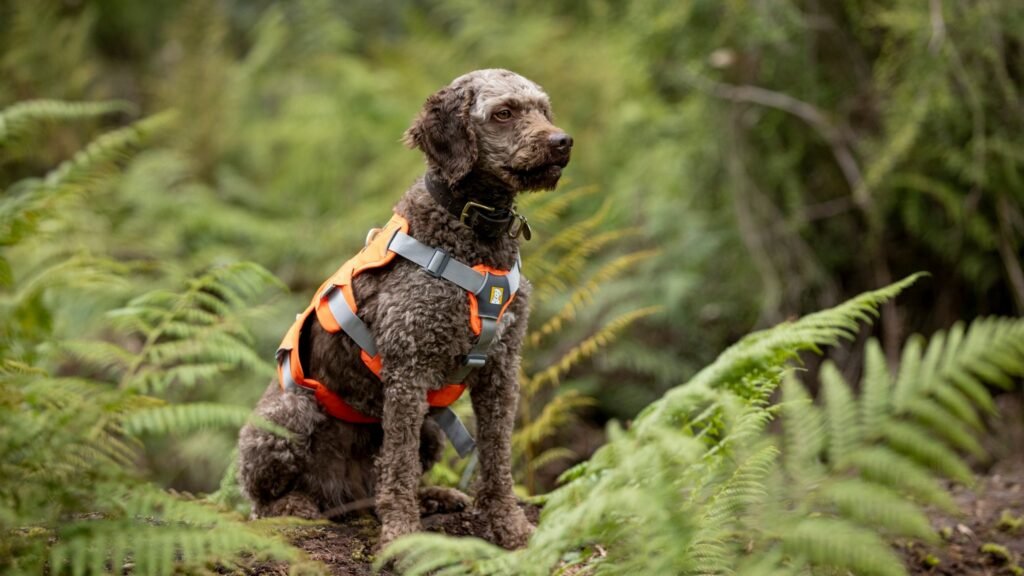
Beyond the United States, conservation dogs are making significant contributions worldwide. In Australia, dogs are trained to detect invasive species like cane toads, aiding in efforts to protect native wildlife. One big example is that of Daisy a conservation dog instrumental in detecting a rare tree fungus. Similarly, in the UK, dogs are being utilized to rewild urban areas by dispersing seeds, emulating the natural seed dispersal role of wild wolves.
While conservation dogs offer numerous benefits, their use also presents challenges. In the Carpathian Mountains, the reintroduction of bison as part of a rewilding project faced setbacks due to attacks by feral dogs, underscoring the complexities of integrating dogs into conservation efforts.
Tilia, an Ambassador for the Mequon Nature Preserve
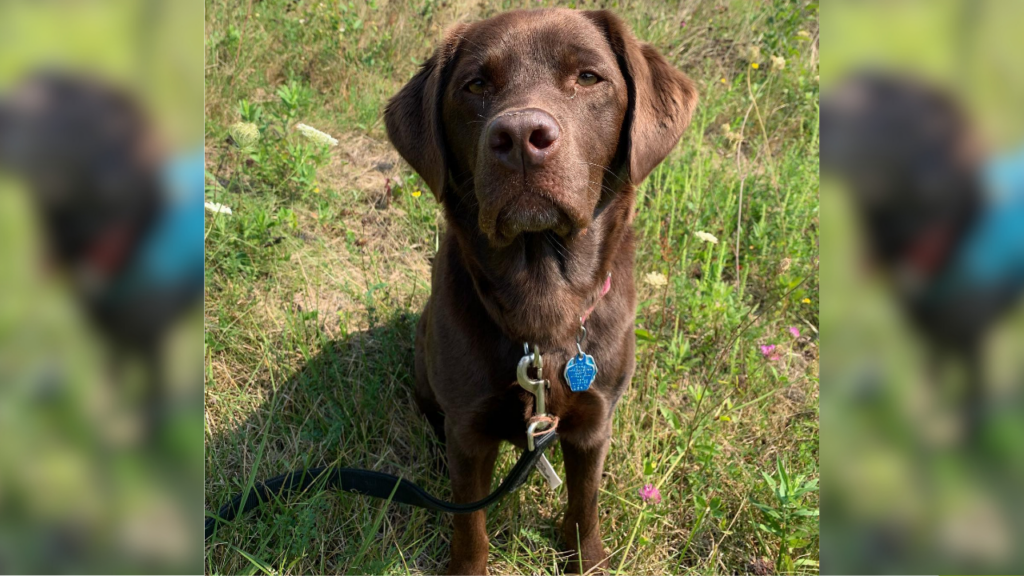
Tilia is 8 years old now. Her success since she made news in 2021 as a conservation dog is not only due to her impressive nose but also the strong bond she shares with her trainer, Cory Gritzmacher. His ability to read her subtle cues, like when she gets distracted, is key to their work. When not tracking down invasive species or endangered salamanders, Tilia serves as an ambassador for the Mequon Nature Preserve, which has spent 15 years restoring 444 acres of land to native wetlands, forests, and prairies. While she was Wisconsin’s only conservation dog for years, the use of dogs in conservation is growing due to their unmatched detection skills. After a long day of work, Tilia gets to relax at home as the family dog, taking a well-earned break.


