Have you ever looked into your dog’s eyes and wondered if they were genuinely happy? As a dog owner, their happiness is probably one of your top priorities. While dogs might not be able to express themselves in words, they communicate their emotions in a myriad of subtle ways. Understanding these quiet clues can deepen your bond and ensure your furry friend is living a joyful life.
Ever catch your dog gazing at you with soft eyes or curling up beside you without a fuss? These little moments can say a lot about their emotional well-being. While wagging tails and playful zoomies are obvious signs of joy, dogs also show happiness through subtle cues like relaxed body language, steady breathing, and gentle tail wags. Tuning into these quiet clues helps you understand your pup on a deeper level. Because sometimes, a happy dog speaks volumes—without making a sound.
Tail Wagging: More Than Just a Greeting
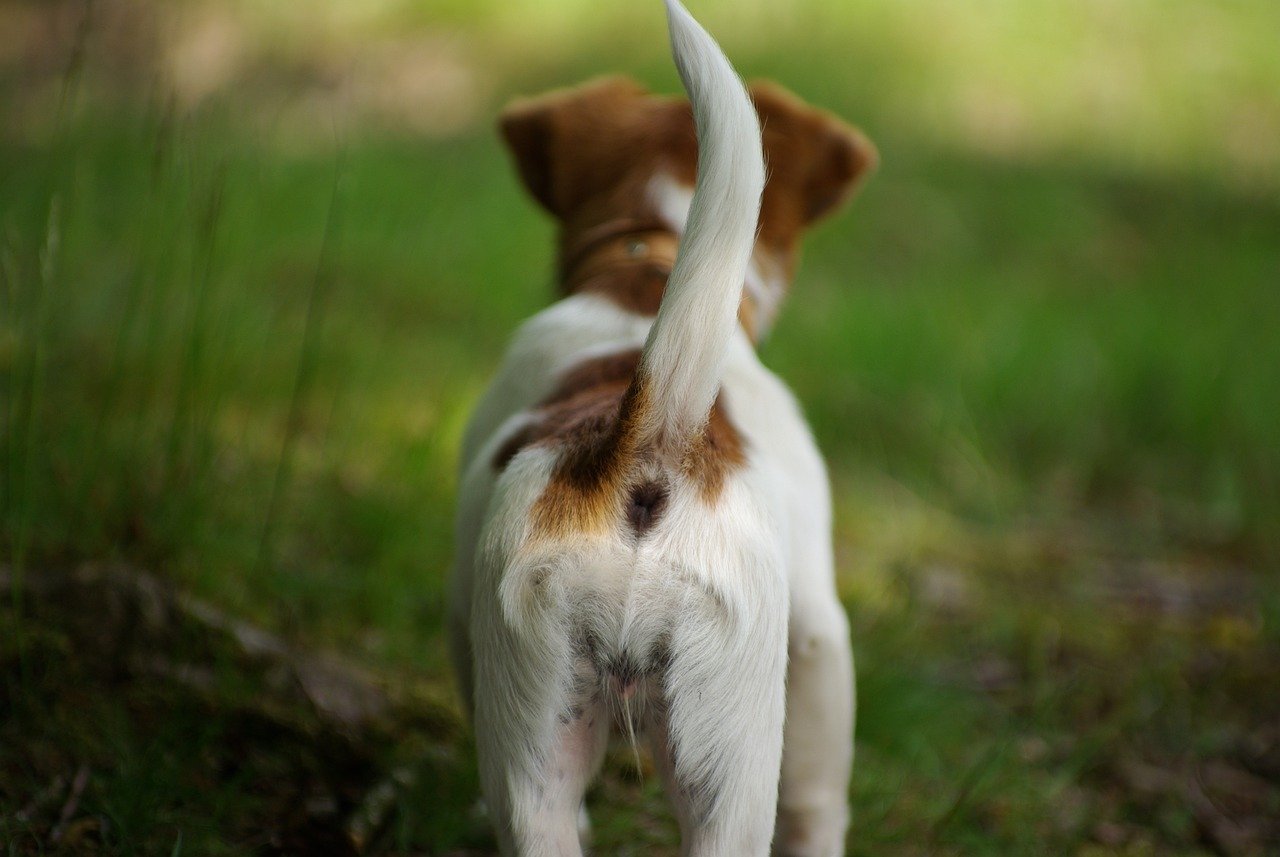
A wagging tail is often seen as a universal sign of happiness in dogs. However, the way a dog wags its tail can reveal a lot more about their emotional state. A high, fast wag indicates excitement or happiness, while a slow wag with the tail held low might suggest uncertainty. Think of the tail as a mood barometer. Just as a human might smile in different ways depending on their mood, a dog’s tail wag can vary in meaning. Observing your dog’s tail in different situations can offer insights into how they’re feeling at that moment.
Relaxed Body Language: The Calm Before the Joy

Dogs, like humans, show relaxation through their body language. A happy dog often has a loose and relaxed stance, with soft eyes and a gentle posture. Their ears might be in a neutral position, not pinned back or overly forward. Imagine a person lounging comfortably on a couch, completely at ease—that’s how a content dog looks. If your dog seems tense or rigid, it might be a sign of stress or discomfort. Paying attention to these subtle cues can help you understand when your dog feels at peace.
Playful Behavior: The Joy of Being Silly
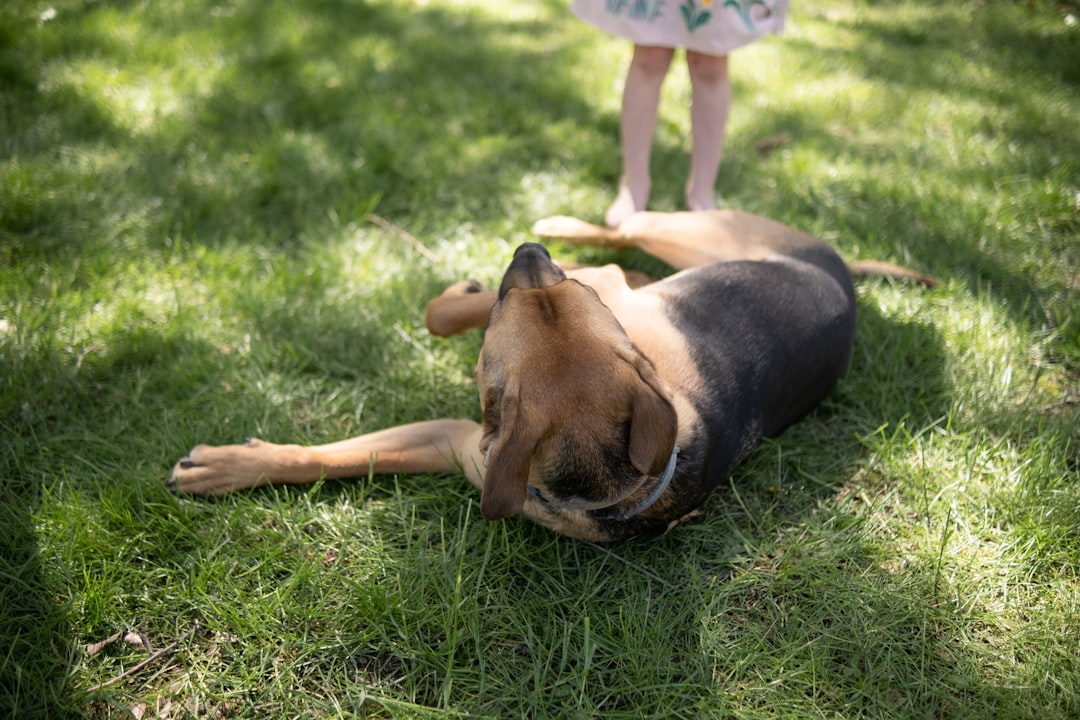
Dogs express happiness through play. A dog that is eager to chase a ball, play tug-of-war, or engage in a game of fetch is likely a happy one. Playfulness is a sign of a healthy, content dog. Just as children express joy through laughter and play, dogs do the same. If your dog initiates play or responds enthusiastically to your invitations, it’s a clear indication of their happiness. Even a simple game of “hide and seek” can be a joyous activity for them.
Appetite and Eating Habits: The Simple Joy of Food

A healthy appetite is often a sign of a happy dog. If your dog eagerly finishes their meals and shows interest in treats, it’s a positive indication of their well-being. Just like humans might indulge in their favorite foods when in good spirits, dogs too show enthusiasm for their meals when they’re happy. On the flip side, a sudden change in eating habits can signal stress or health issues. Monitoring your dog’s eating patterns can offer clues about their emotional state.
Sleeping Patterns: Resting Easy
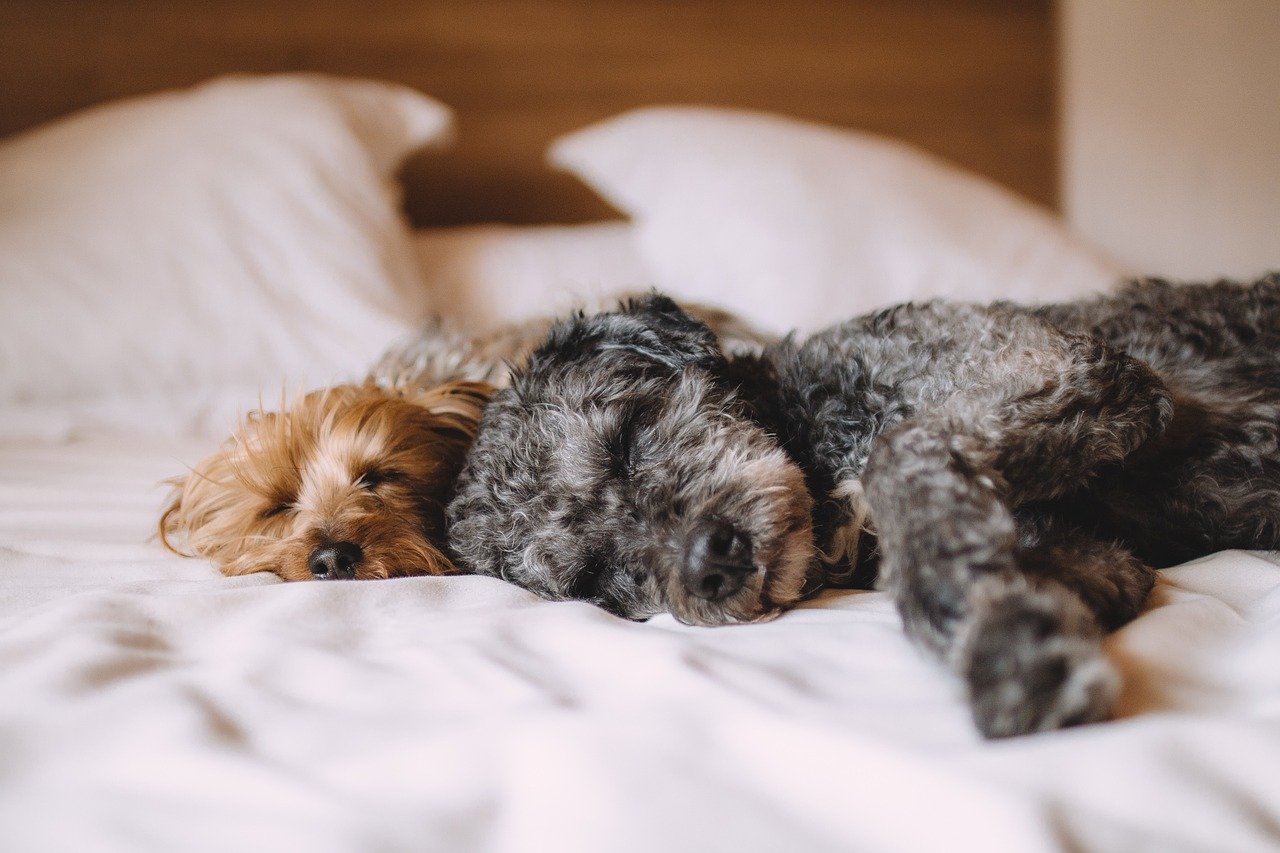
A happy dog often sleeps well and in various comfortable positions. Dogs that feel safe and content will snooze away peacefully, sometimes even snoring softly. If your dog sleeps soundly and wakes up refreshed, it’s a good sign of their happiness. Think of it as their version of a good night’s sleep. However, if your dog is restless during the night or sleeps excessively during the day, it might indicate underlying issues.
Social Interactions: The Joy of Company
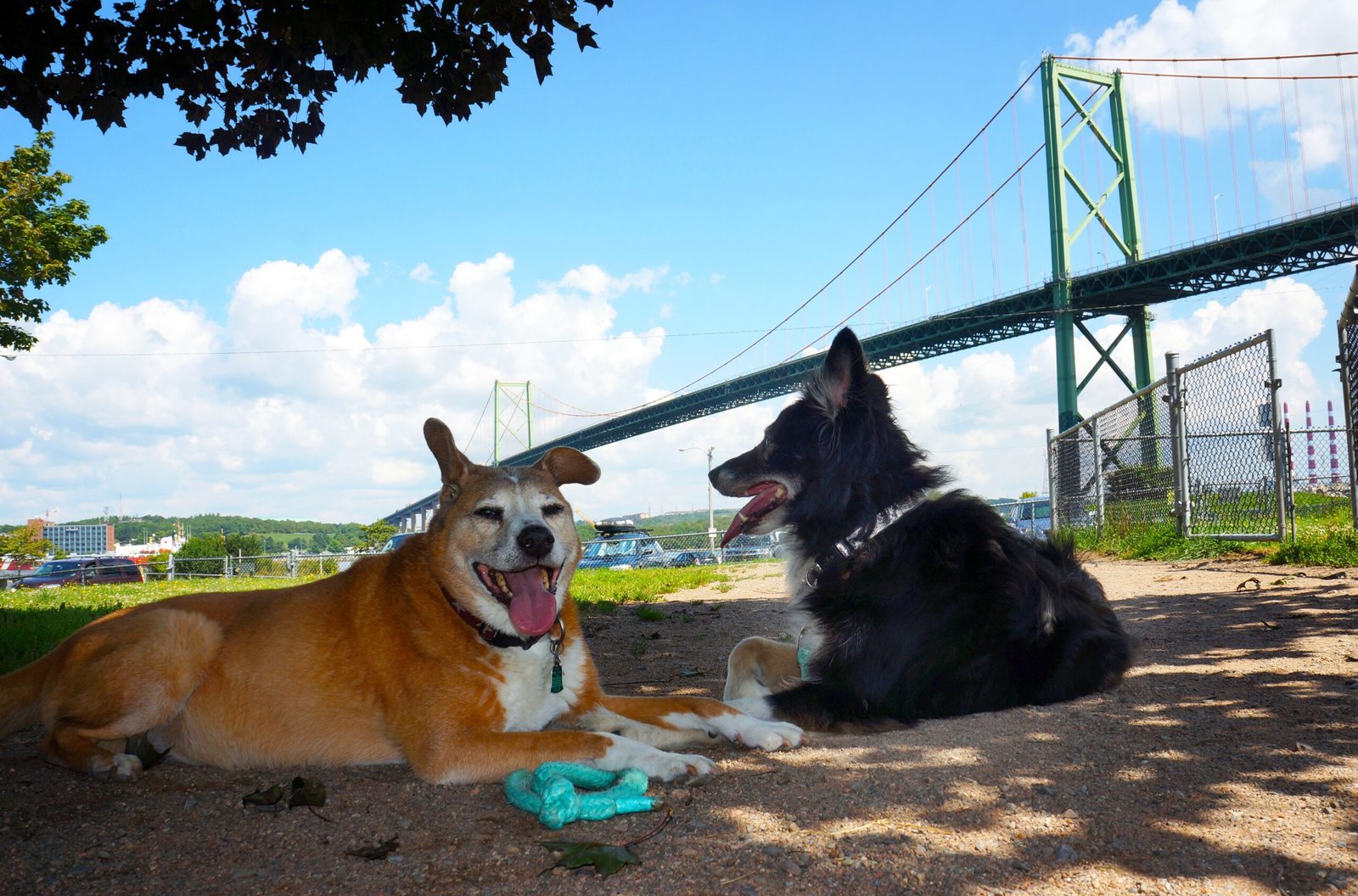
Happy dogs often seek out social interactions, whether it’s with humans or other dogs. They enjoy being part of the family activities and might follow you around the house. Imagine a friend who loves being in your company—that’s how a happy dog behaves. If your dog greets visitors with enthusiasm and enjoys playdates with other dogs, it’s a positive sign. Conversely, withdrawing from social interactions might indicate unhappiness or anxiety.
Vocalizations: Barking and Beyond
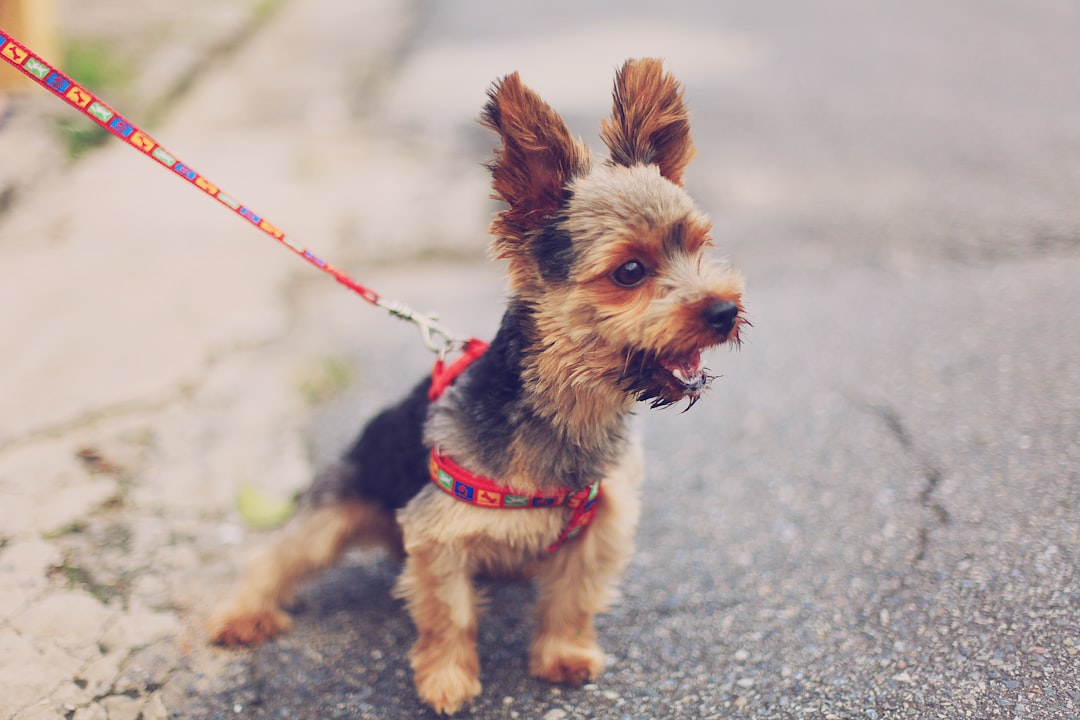
While excessive barking can sometimes be a sign of anxiety, happy dogs often vocalize in a more controlled manner. They might bark in excitement when you return home or let out a contented sigh when settling down. Dogs also communicate through whines, growls, and howls, each having its meaning. Understanding your dog’s unique vocalizations can help you gauge their emotional state. It’s like learning a new language, one that strengthens your bond with them.
Facial Expressions: The Window to Their Soul
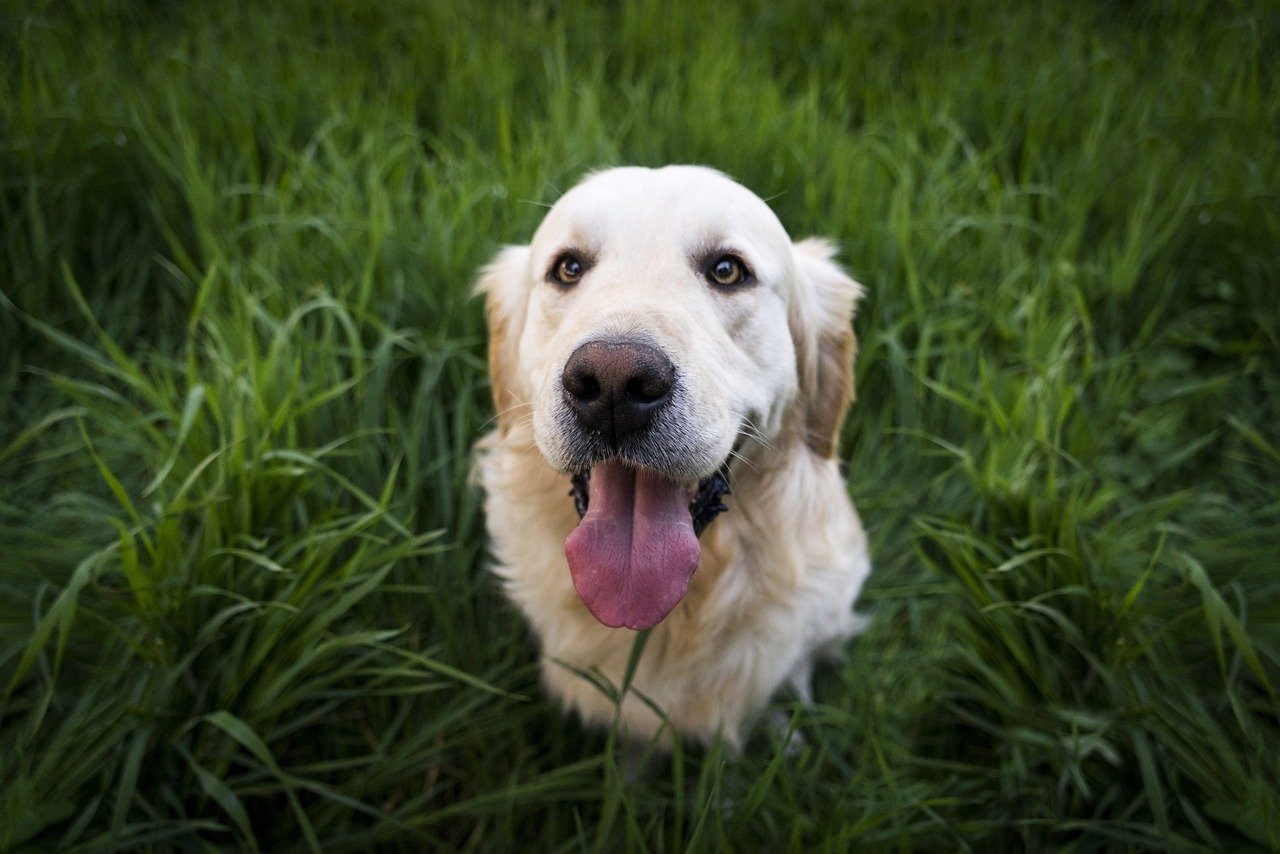
Dogs express a lot through their faces. A relaxed, open mouth, with the corners slightly turned upwards, often indicates a happy dog. Their eyes might appear soft and warm, sometimes with a gentle squint. It’s similar to how humans smile when they’re happy. Observing these facial cues can provide insights into your dog’s mood. If their face appears tense or their eyes are wide and staring, it might be a sign of stress or discomfort.
Grooming Habits: The Clean Canine
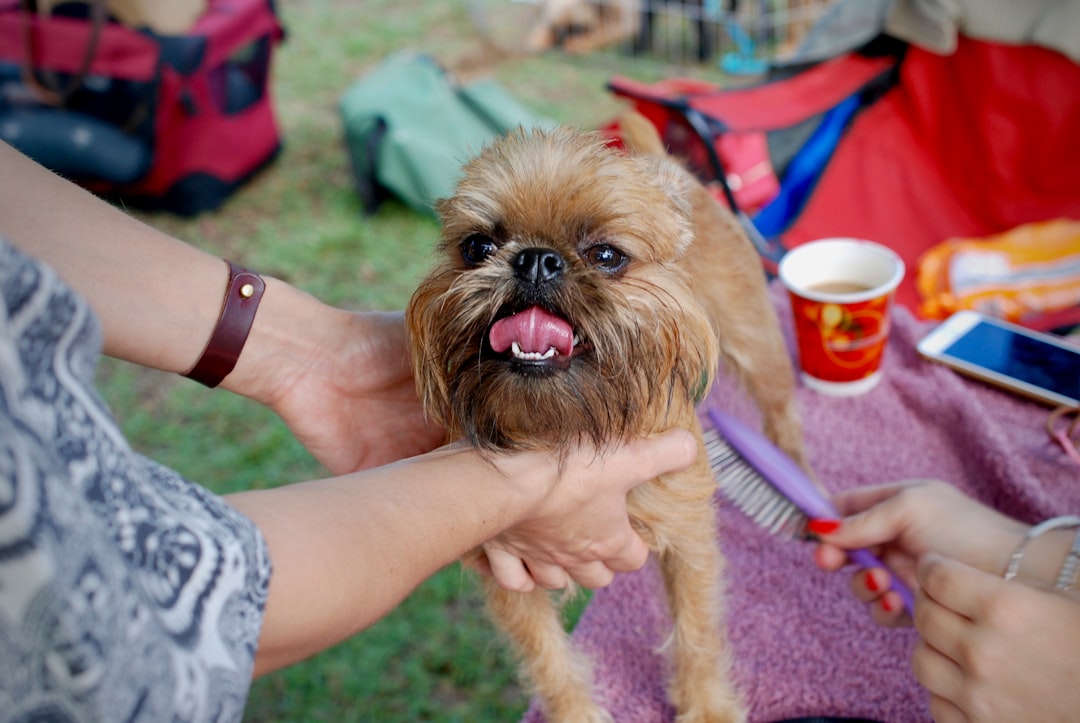
Happy dogs often engage in regular grooming, keeping their fur clean and tidy. They might also groom other dogs or even their human companions as a sign of affection. It’s akin to how humans maintain personal hygiene when they feel good about themselves. If your dog suddenly stops grooming or appears unkempt, it might be a sign of distress or health issues. Regular grooming can be a bonding activity and a way to monitor their happiness.
Overall Health and Vitality: The Ultimate Indicator
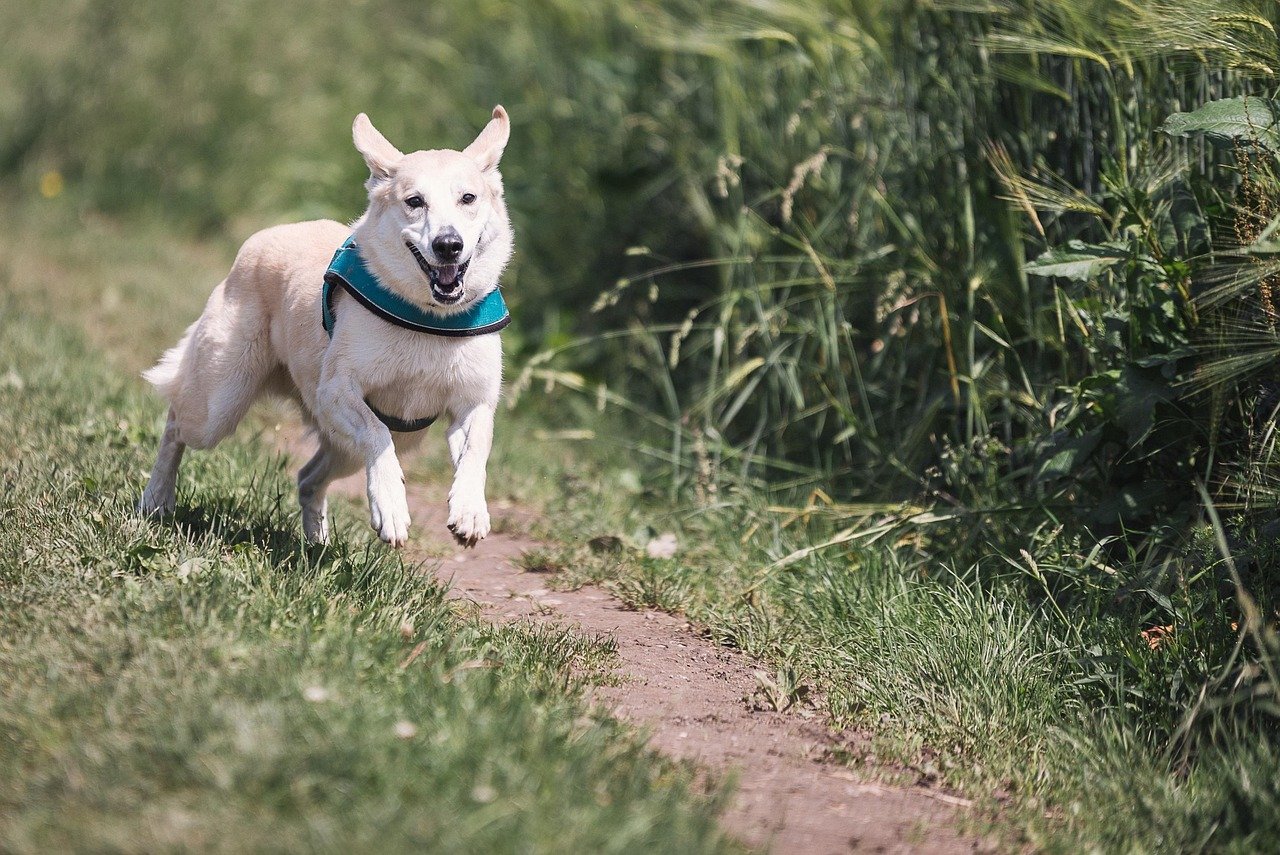
A happy dog is often a healthy dog. Regular vet check-ups, a balanced diet, and adequate exercise contribute to their overall well-being. Just as humans feel better when they’re healthy, dogs too show vitality and enthusiasm when they’re in good health. Observing your dog’s energy levels, coat condition, and general demeanor can provide a comprehensive view of their happiness. Ensuring they receive the care they need is essential for their contentment.
In conclusion, understanding your dog’s happiness requires paying attention to these quiet clues. By observing their behavior, body language, and interactions, you can ensure your furry friend is living a joyful, fulfilled life. So, next time you wonder about your dog’s happiness, remember these subtle signs. They might not speak our language, but their actions speak volumes. How well do you know your dog’s happiness language?