
Choosing a canine companion when you’re over sixty is a decision that deserves careful thought. You know what? The right dog can turn quiet afternoons into moments filled with gentle joy, while the wrong match might leave you overwhelmed and exhausted. Here’s the thing: not every adorable face at the shelter is going to fit your lifestyle, no matter how much those puppy eyes tug at your heart.
Dogs can make ideal companions for senior citizens, offering loyalty and unconditional love. Yet choosing the wrong breed can transform what should be a blessing into a daily struggle. Let’s explore which dogs might require more energy than you’re ready to give, and which gentle souls are perfectly suited to share your golden years.
Border Collies: The Einstein of Energy Demands
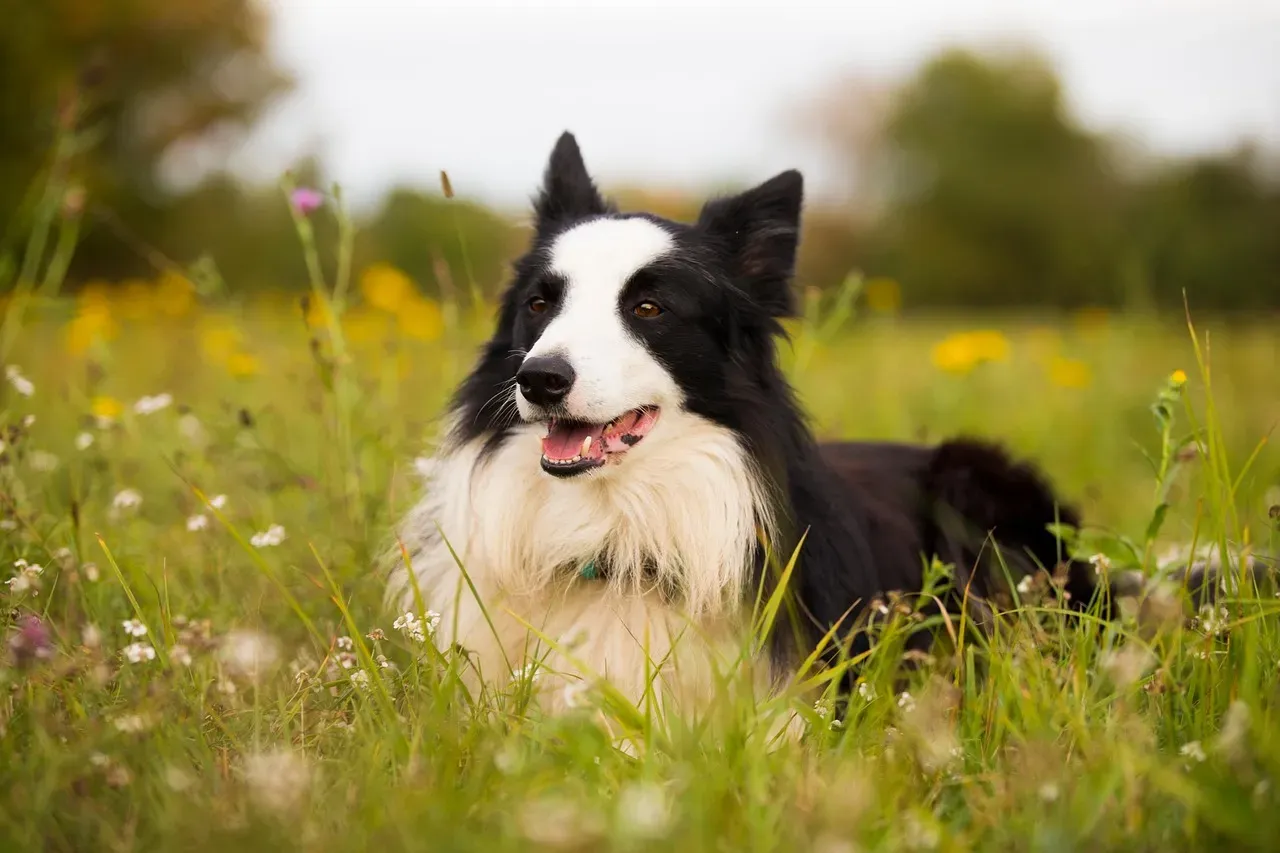
Border Collies are medium-sized dogs known for their intelligence and high energy levels, requiring significant physical and mental stimulation to thrive. These herding dogs were bred to work all day on farms, and honestly, they don’t understand the concept of retirement.
Border Collies are very energetic and require daily exercise, with a minimum of two hours of exercise daily recommended. Picture this: while you’re enjoying your morning coffee and newspaper, a Border Collie is mentally planning how to reorganize your entire household. Without enough activity, they can become bored and exhibit destructive behaviors, which might be overwhelming for some seniors.
Their brilliant minds need constant challenges. If you’re not up for agility courses, advanced trick training, or marathon fetch sessions, this breed will likely invent their own entertainment, which rarely ends well for your furniture.
Siberian Huskies: Beautiful but Relentless
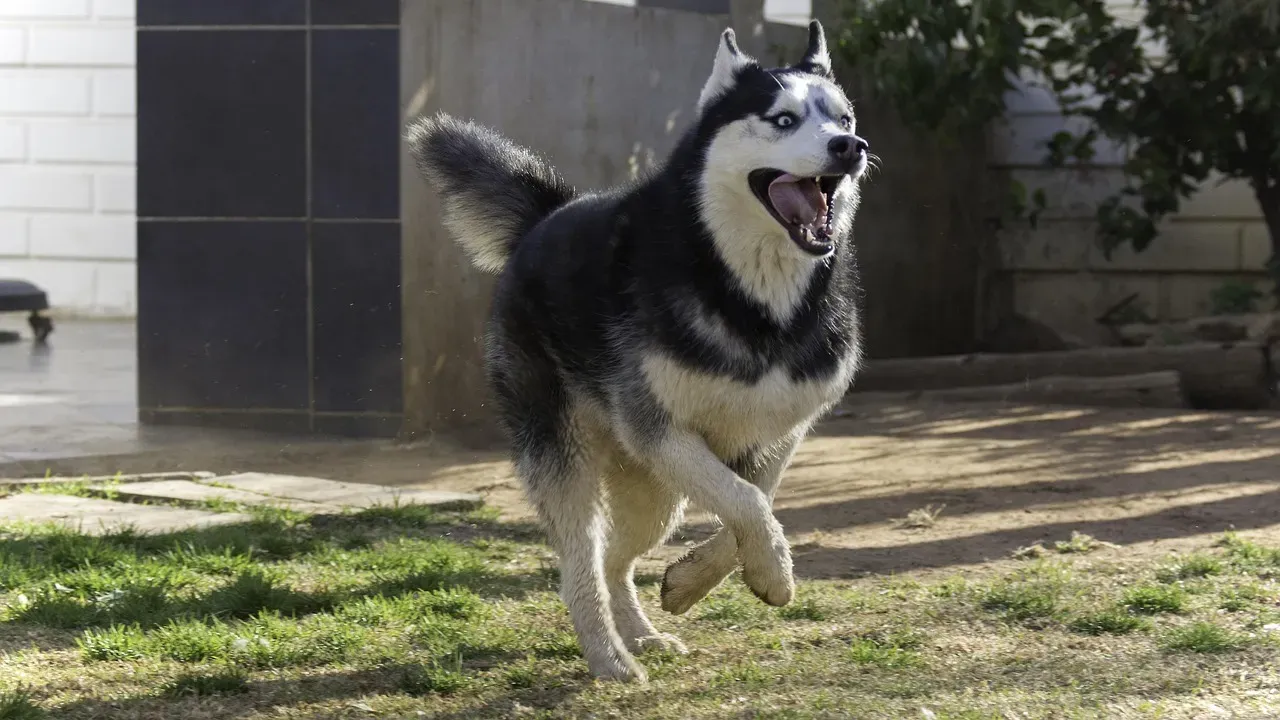
Siberian Huskies are large dogs requiring a fair amount of playtime, exercise, and activity to keep them mentally stimulated and physically fit. These stunning dogs with piercing blue eyes were designed to pull sleds across frozen tundra, and that ancestral energy hasn’t diminished one bit.
Huskies are large, energetic, high-strung firecrackers. They’re also famously stubborn and independent, which means training can feel like negotiating with a particularly headstrong teenager. Their thick coat requires regular grooming, and their need for exercise might be too demanding for seniors looking for a more laid-back companion.
Let’s be real: if you struggle with mobility or prefer leisurely strolls, a Husky will drag you down the sidewalk chasing every squirrel. They’re escape artists too, known for scaling fences and digging under barriers whenever boredom strikes.
Australian Shepherds: The Ranch Hand Who Never Clocks Out
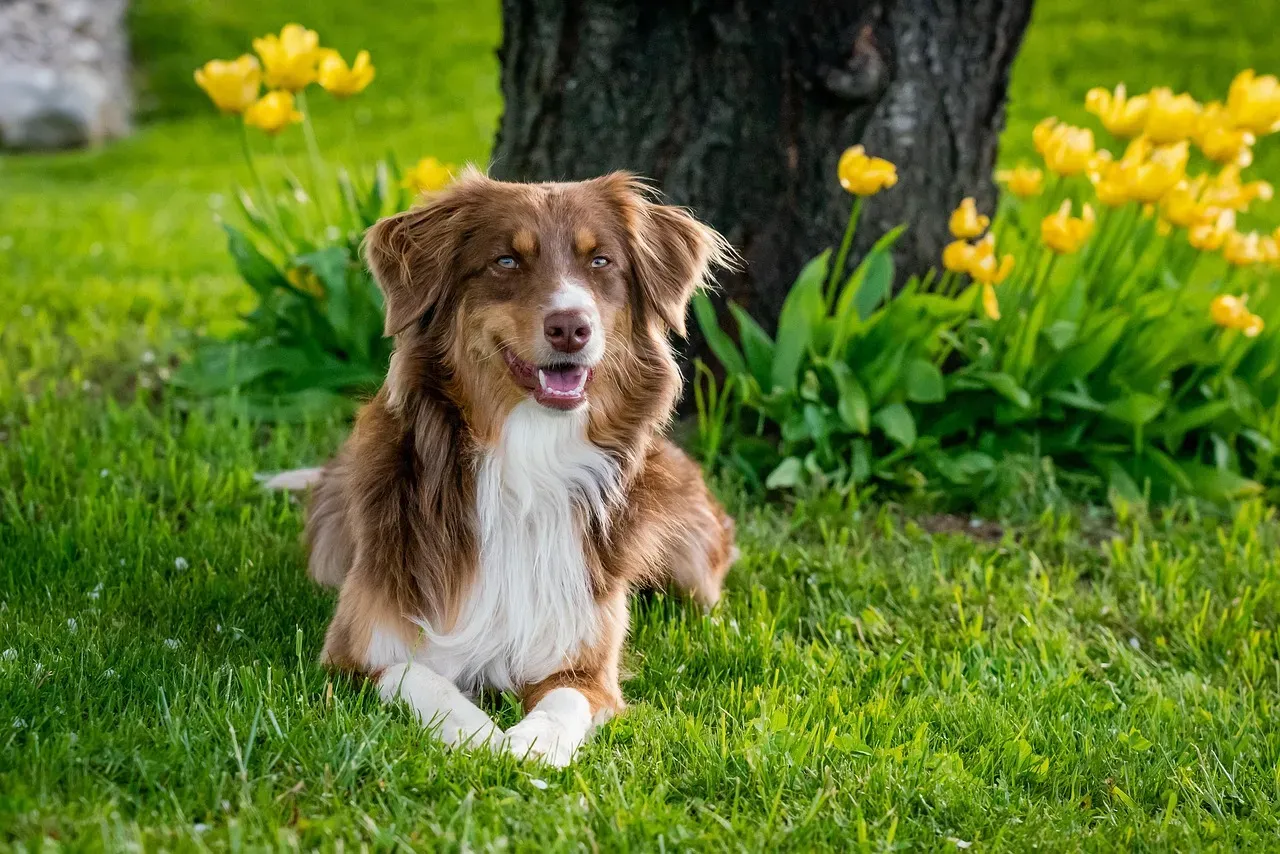
Australian Shepherds are known for their high energy levels and need plenty of exercise to keep them physically and mentally stimulated. These working dogs practically vibrate with eagerness to herd something, anything, including your visiting grandchildren.
Australian Shepherds are brilliant dogs that come in exciting colors and patterns, but they might not be the best choice for an older adult as they require daily grooming and tons of exercise. While Australian Shepherds are affectionate and might be a good option for families, this is a demanding breed that may not be the best choice for seniors.
Their grooming needs alone can be exhausting. That gorgeous coat tangles easily and sheds relentlessly, demanding brushing sessions that your arthritic hands might find painful. Without sufficient outlets for their energy, they become anxious and destructive.
Jack Russell Terriers: Small Package, Enormous Attitude
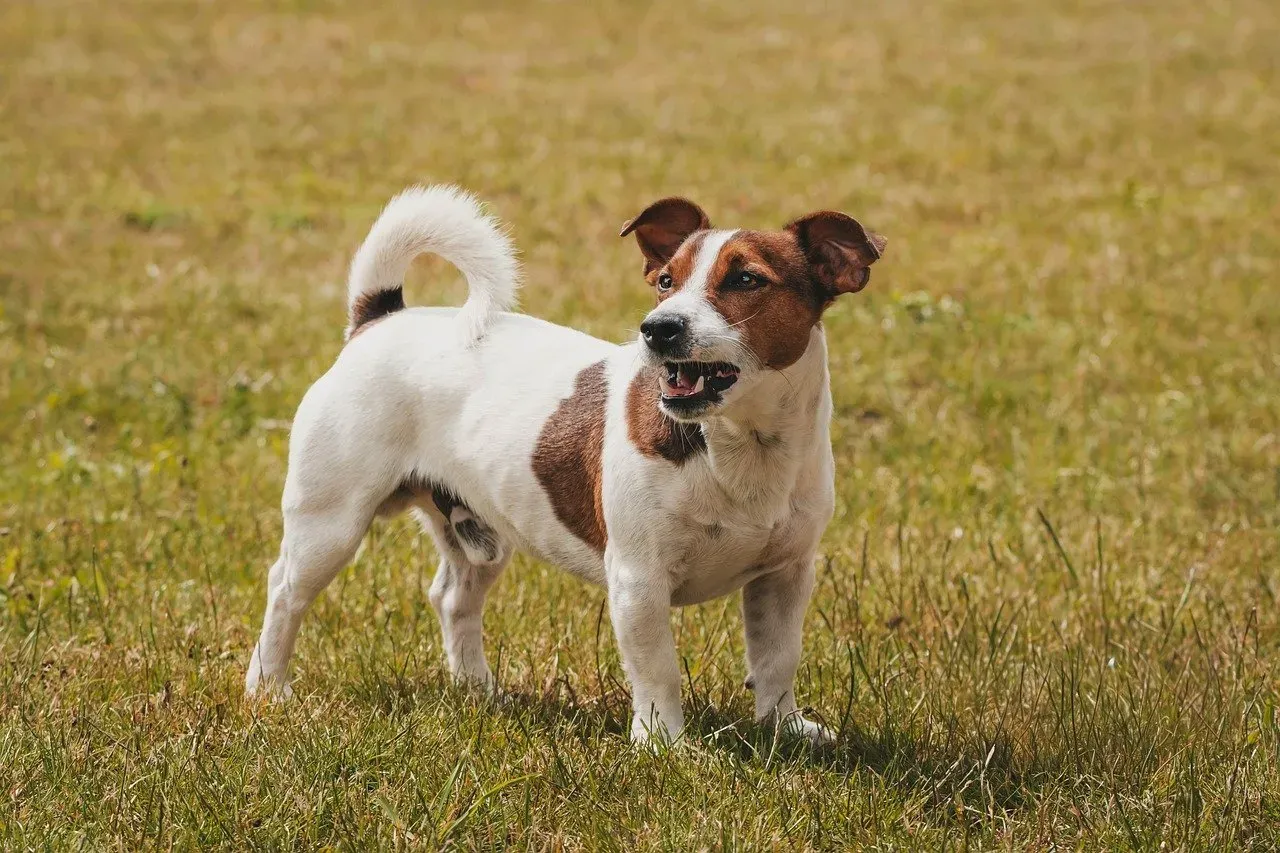
Don’t let their compact size fool you. Terriers, including Jack Russells and Fox Terriers, are known for their boundless energy levels and can be difficult to train, not matching the lower activity level that many seniors prefer in a pet.
Jack Russell Terriers are very high energy and require a great deal of effort and commitment despite being small. These little dynamos were bred to hunt foxes, diving into underground dens with fearless determination. That instinct translates into a dog who never, ever stops moving.
They’re stubborn, vocal, and prone to barking at everything that moves outside your window. Training requires firm consistency that can be mentally exhausting. If you’re looking for a lap dog who’ll nap peacefully while you read, keep searching.
German Shepherds: Loyal Guardians Needing Active Leadership
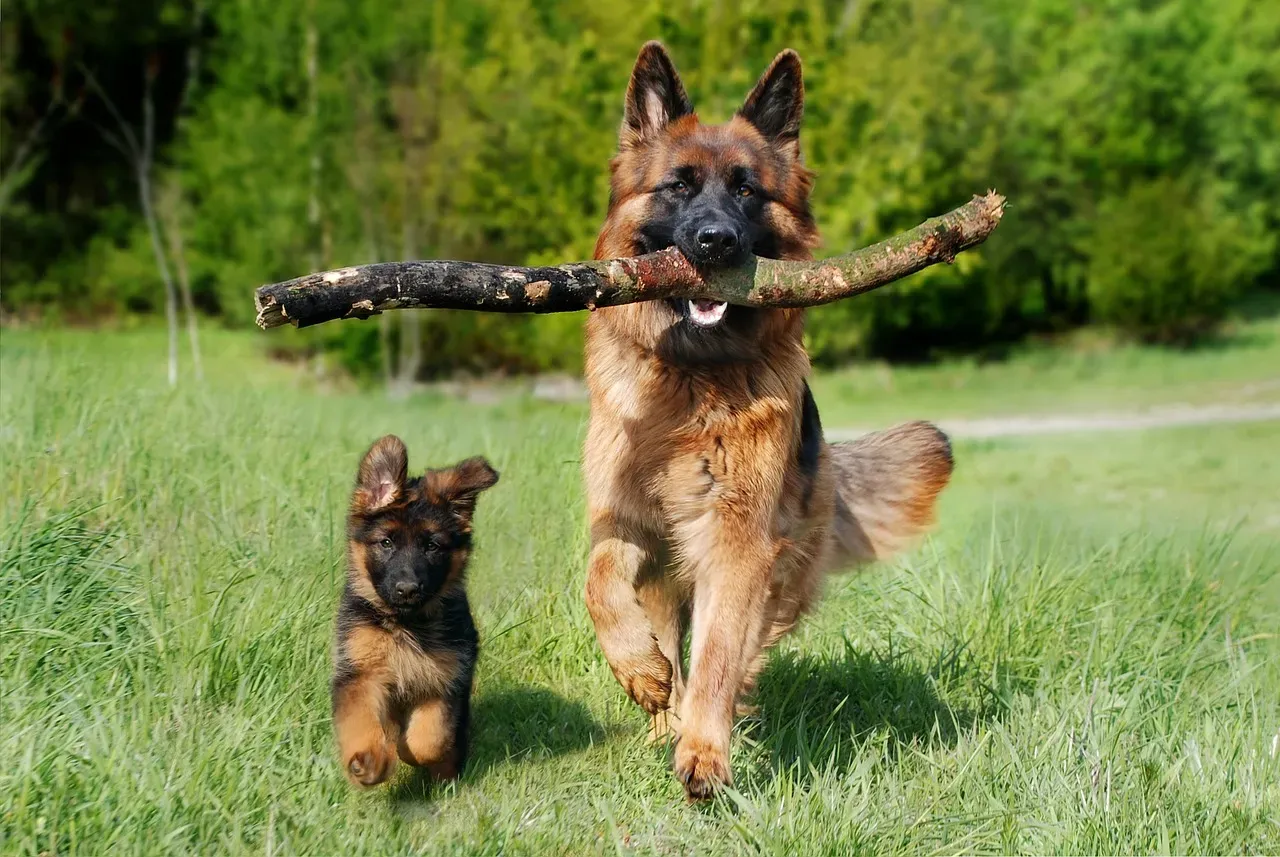
German Shepherds are large and can be intense, requiring a lot of exercise, mental stimulation, and training, with their size and strength making them difficult for some seniors to handle comfortably. These magnificent dogs are fiercely devoted, but that devotion comes with responsibilities.
These protective dogs weigh between sixty and ninety pounds of pure muscle and instinct. Walking one requires significant upper body strength, especially if they spot something they perceive as a threat. Certain breeds are more prone to aggression based on their genetics and historical roles, with breeds like German Shepherds often bred for guarding and police work.
Their intelligence demands constant mental engagement, and their guarding instincts mean they need careful socialization. Without proper outlets, they can become anxious or overly protective, which creates stressful situations when neighbors stop by.
Dalmatians: Spotted Beauty with Challenging Personality
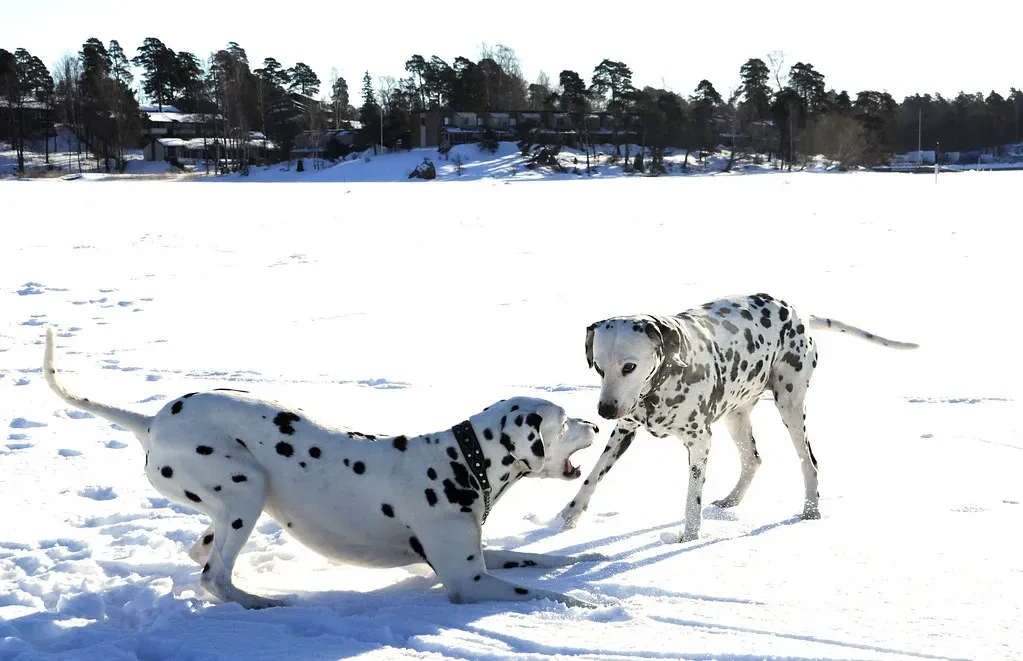
Dalmatians need lots of outdoor exercise and can be destructive and difficult to train, while being very high-maintenance and shedding throughout the year. Those iconic spots come with a temperament that requires experienced handling.
Some dogs in this breed may be extremely fearful and overly aggressive, and though motivated to please, they can be aggressive and somewhat unpredictable making them a poor choice for seniors. They were originally bred to run alongside carriages for miles, so their stamina far exceeds what most seniors can accommodate.
The shedding is legendary. Those short white hairs embed themselves in every fabric surface you own. They’re also prone to deafness and urinary issues, which means potentially expensive veterinary care and specialized needs.
Pit Bulls and Large Terrier Breeds: Strength and Intensity
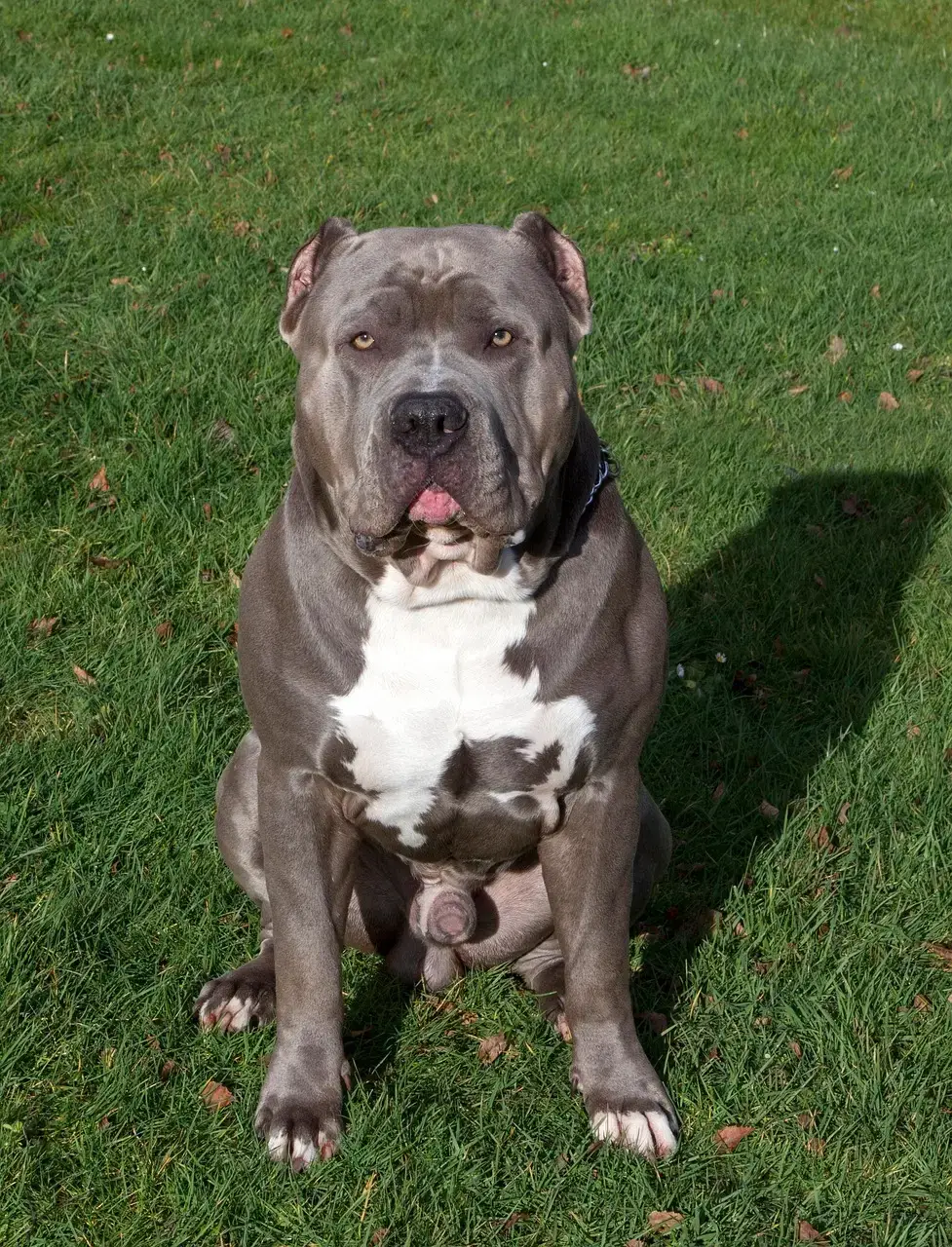
Large breeds like Pit Bulls can be too physically demanding for seniors, requiring substantial exercise and strength to handle, making them challenging for older individuals, with their size being intimidating and posing difficulties in control. The term encompasses several breeds with powerful builds and protective instincts.
American Staffordshire Terriers are loyal dogs with amiable personalities and protectors that stand by you, but unfortunately they are goofy, muscular brutes that don’t know their size and can bowl you over without meaning to when excited. One enthusiastic greeting could knock you off balance.
These dogs require confident, consistent leadership and extensive early socialization. They’re wonderful with their families but can be reactive toward other dogs, making simple neighborhood walks potentially stressful situations requiring constant vigilance.
Akitas: Independent Spirits Requiring Firm Guidance
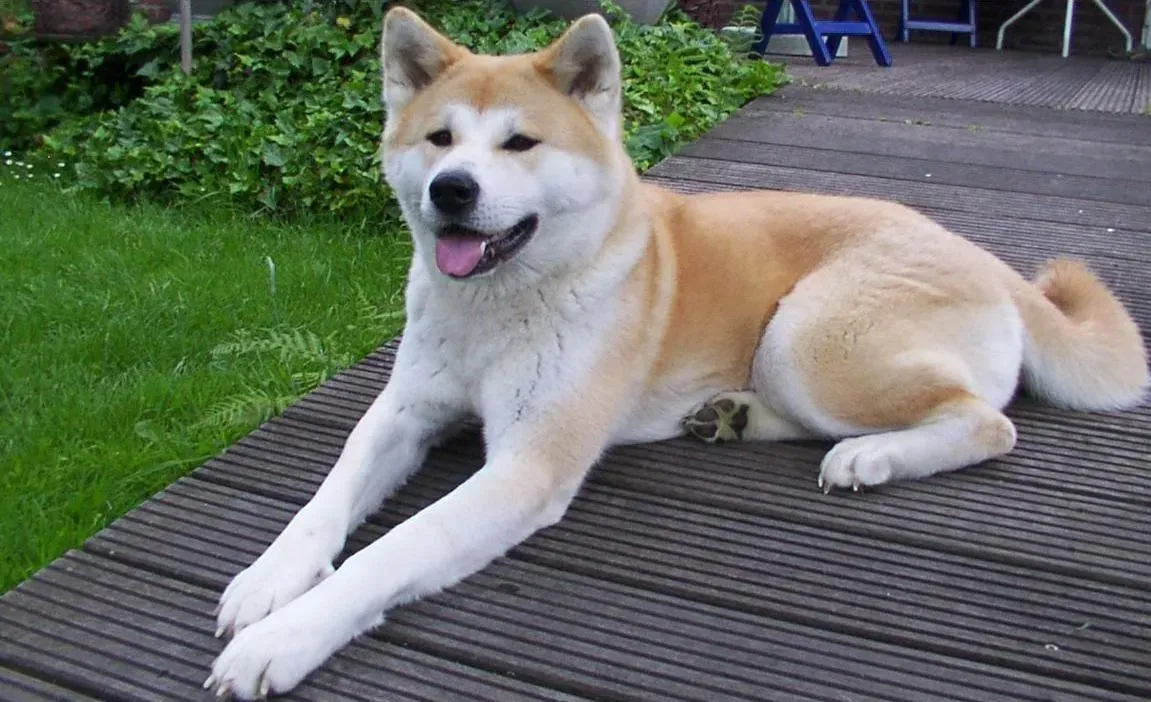
Akitas are a powerful breed that is intense and intelligent, extremely headstrong and stubborn and usually challenging to train, tending to do as they please and can bolt in a split second. These Japanese dogs possess a dignity and independence that can be captivating, but they’re not for the faint of heart.
They have a high prey drive, drawn to things that move quickly, and if you aren’t careful on walks, you can easily get knocked down or pulled. Their strength combined with their independent nature means they require someone physically capable of managing their power.
Akitas originated in Japan where they were known as protectors, and while affectionate with families, they don’t get along well with other animals, with their staunch protectiveness sometimes resulting in aggression toward humans. This protective nature demands experienced handling that might overwhelm seniors.
Labrador Retrievers: America’s Sweetheart with Exercise Needs
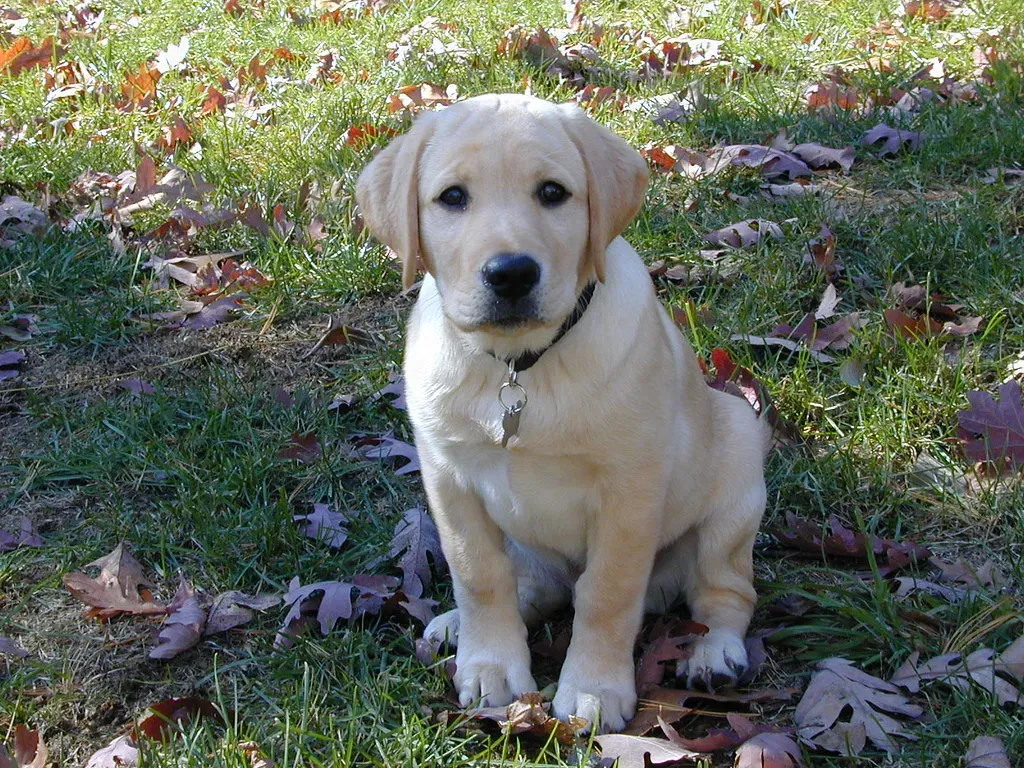
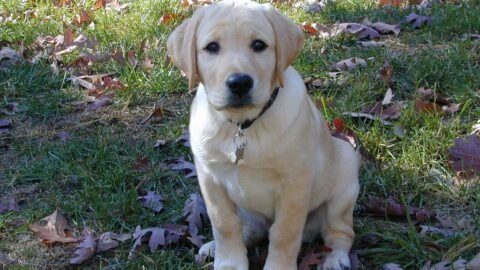
Labrador Retrievers, known for their friendly and outgoing nature, may not be the most suitable choice for seniors due to their high maintenance requirements. I know this might surprise you, as Labs are beloved family dogs, but hear me out.
These dogs require a significant amount of attention, time, and exercise to stay mentally and physically healthy and happy, with their energetic nature being challenging for seniors to keep up with, especially with limited mobility or energy levels. Young Labs are especially exuberant, prone to jumping and knocking things over in their enthusiasm.
They’re also notorious counter surfers and chewers, particularly in their first few years. While older Labs mellow considerably, puppies and young adults demand patience and energy that might exceed what you’re prepared to invest.
Golden Retrievers: Gentle Souls Still Needing Activity
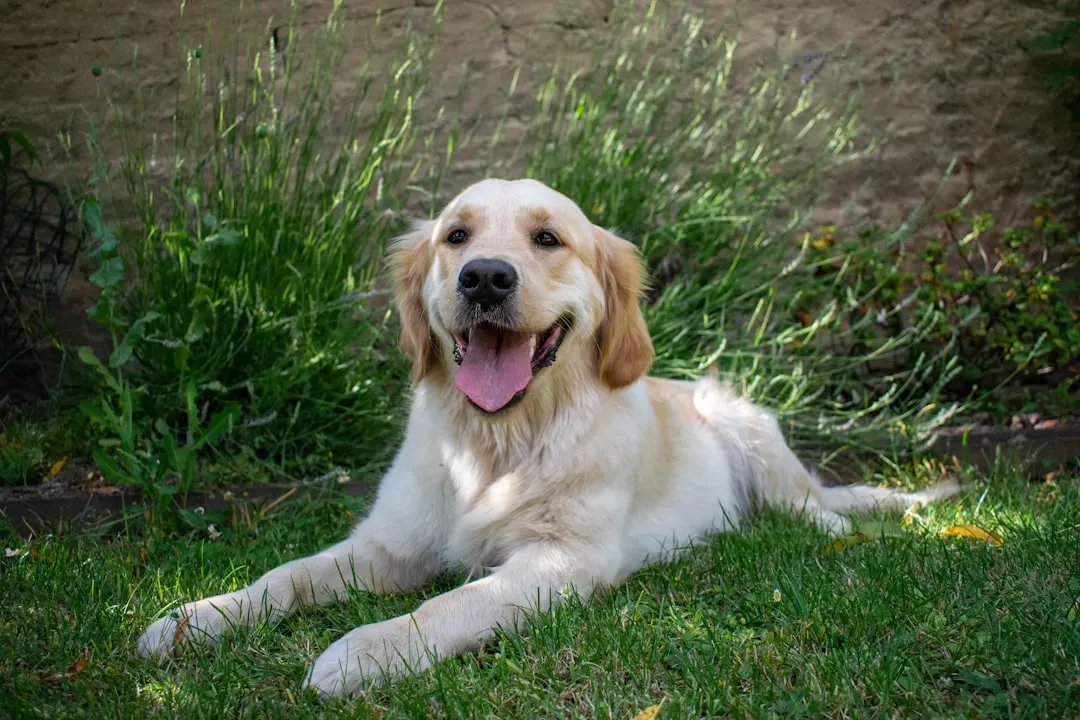
One of the most popular dog breeds in America is the Golden Retriever, and due to its popularity it might be tempting to consider this friendly and intelligent companion, however due to the necessary activity levels of this breed it is not ideal for seniors. These beautiful dogs seem perfect on paper, but reality requires consideration.
Golden Retrievers are easy to train but easily bored, requiring a great deal of mental stimulation to avoid becoming frustrated. They thrive on having jobs to do, whether that’s retrieving objects or participating in activities that challenge their minds.
Every eight to ten weeks Golden Retrievers require grooming, with their golden coat needing brushing every one or two weeks to prevent mats and excess shedding. That maintenance, combined with their exercise requirements, creates a workload that might prove overwhelming.
The Perfect Companions: Low-Energy Breeds to Consider Instead
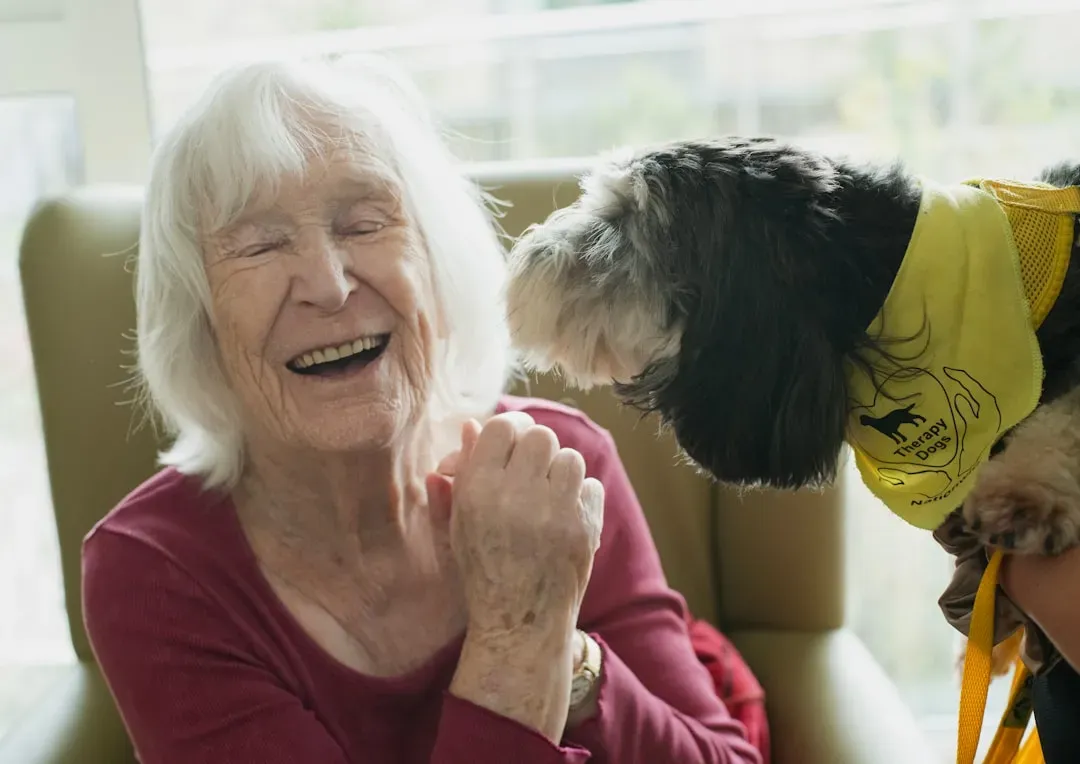
Now that we’ve discussed the breeds to avoid, let’s talk about the wonderful options that truly shine as senior companions. The best pups for seniors tend to be non-shedding dogs under 30 pounds with lower or more moderate energy levels.
Basset Hounds are practically designed for seniors who want companionship without chaos, as these short-legged charmers are experts in relaxation and perfect for those looking for loyal friends who are big on love and low on zoomies. Cavalier King Charles Spaniels are perfect lap dogs known for their sweet nature and affectionate personality, thriving on companionship and loving to be close to their owners.
Pugs are a low-energy breed that will love spending time snuggling with you on the couch. French Bulldogs, Bichon Frises, and Maltese dogs all offer affection without demanding marathon exercise sessions. These breeds understand that sometimes the best part of the day is simply being together.
What’s your experience been with senior-friendly dogs? Have you found that perfect companion who matches your pace, or learned lessons about breed choices the hard way? Share your stories in the comments below.


