
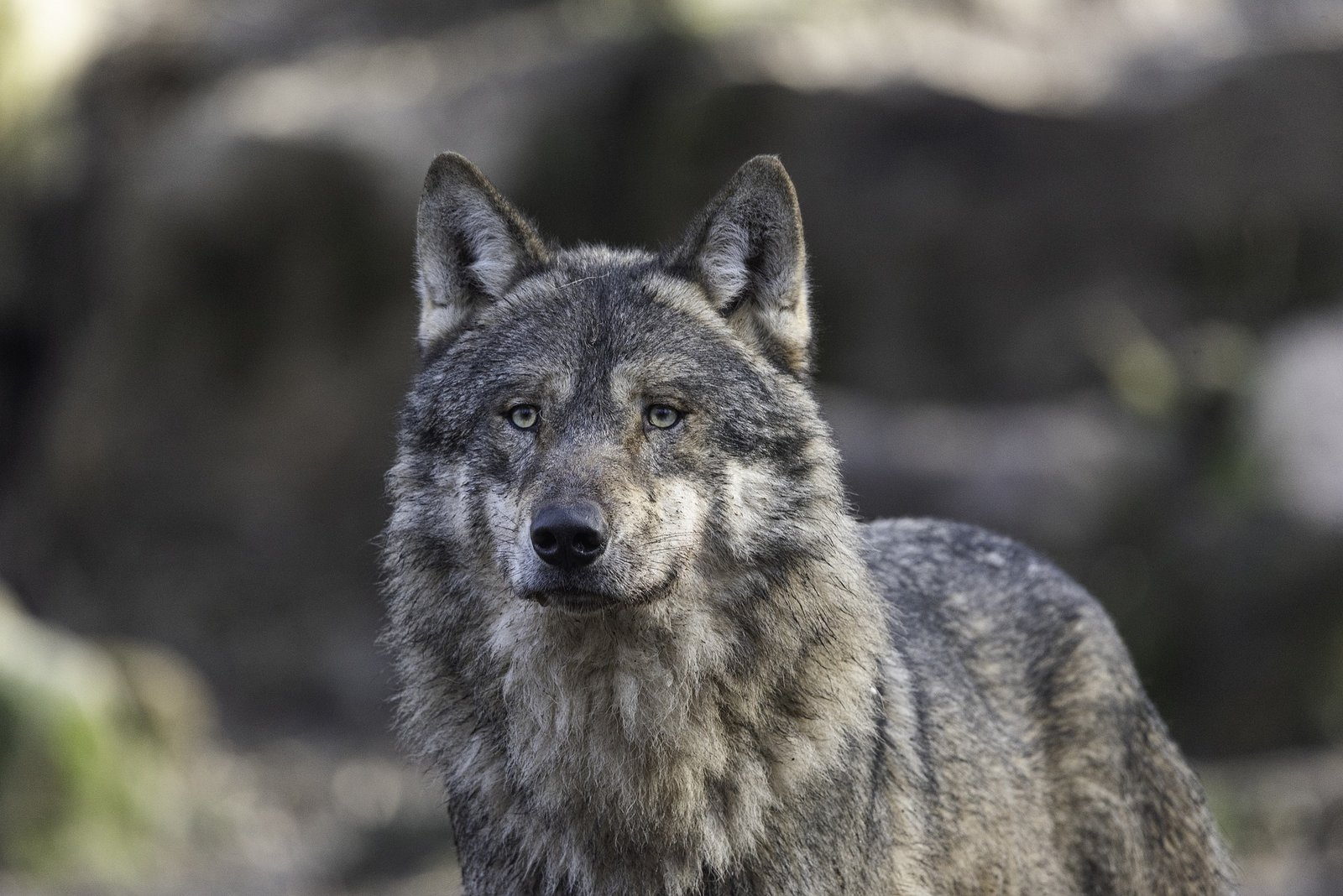
Wyoming – A two-year legal saga surrounding the alleged torture of a gray wolf concluded recently when the accused man entered a guilty plea. The case, which ignited national and international outrage, centered on events in the small community of Daniel. Prosecutors secured accountability through persistent efforts, marking a rare instance of felony charges against wildlife mistreatment in the state.[1][2]
The Shocking Incident Unfolds
In February 2024, Cody Roberts, a 44-year-old resident of Daniel, struck a young female gray wolf with his snowmobile in Sublette County. Witnesses reported that he then taped the injured animal’s mouth shut, leashed it, and transported it to the Green River Bar. There, the wolf was displayed to patrons while restrained and muzzled, drawing immediate condemnation once videos surfaced online.[1][3]
Roberts later killed the wolf. Initially, he faced only a $250 fine for illegal possession of wildlife. The graphic nature of the footage, showing the wolf barely moving on the bar floor, fueled public fury and prompted deeper scrutiny of Wyoming’s predator management laws.[4]
Path to Felony Charges
Sublette County Attorney Clayton Melinkovich convened a grand jury in August 2025, a uncommon step that led to Roberts’ indictment on felony animal cruelty charges. The charge carried potential penalties of up to two years in prison. Defense arguments invoked Wyoming’s “predator exemption,” which allows broad methods for dealing with wolves outside protected areas.[4]
District Court Judge Richard Lavery rejected the dismissal motion in February 2026. He ruled that the exemption covered hunting, capture, or killing but not prolonged cruelty after capture. This decision cleared the way for trial, though Roberts remained free on bond.[5]
Terms of the Plea Agreement
On February 17, 2026, Roberts signed a plea deal, agreeing to plead guilty or no contest to felony animal cruelty. The agreement, filed in court days later, avoided a full trial. Sentencing awaits a judge’s final approval, but the outlined penalties emphasize rehabilitation over incarceration.[2]
Key conditions include:
- 18 months of supervised probation
- $1,000 fine
- Prohibition on hunting and fishing
- Ban from bars, lounges, and liquor stores
- No alcohol consumption
- Substance abuse evaluation
- $300 contribution to a crime victims fund
- Payment of court costs
Roberts expressed remorse in court, stating, “I regret my actions.”[6] Violations could lead to stricter consequences.
Reactions and Broader Impact
Animal welfare groups hailed the plea as a step toward accountability, crediting Melinkovich’s determination. Organizations like Animal Wellness Action noted it challenges unchecked brutality under predator laws. Yet, critics argued the lack of prison time undermined deterrence, calling it a failure for wildlife justice.[7][8]
The case divided the local community, with threats prompting law enforcement investigations. It spotlighted Wyoming’s laws, which permit wide latitude for predator control in 85% of the state. Lawmakers now face pressure to clarify statutes on post-capture treatment.[9]
Key Takeaways
- The plea sets a precedent by applying felony cruelty to a wild predator.
- Probation restrictions target behaviors linked to the incident.
- Debate persists on strengthening Wyoming’s wildlife protections.
This resolution underscores tensions between rural traditions and evolving animal welfare standards. While some view it as restored justice for the unnamed wolf, others demand tougher measures. What do you think about the outcome? Tell us in the comments.


