
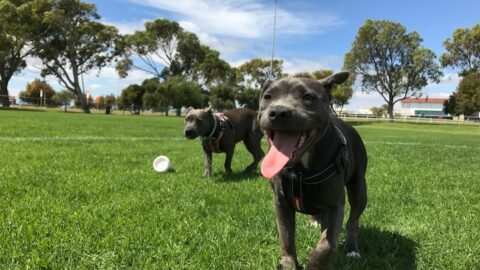
You’ve probably heard the phrase your whole life. That tired old saying about how senior dogs are stuck in their ways, unchangeable and unwilling to adapt. Maybe you’ve even watched your aging companion and wondered if it’s too late to help them learn something new. The truth? That ancient proverb couldn’t be more wrong.
Science has finally put this myth to rest, and what researchers have discovered is genuinely remarkable. Your gray-muzzled friend isn’t just capable of learning new behaviors. Their brain remains surprisingly flexible, adaptable, and ready for new challenges well into their golden years. Whether you’ve just welcomed a senior dog into your home or you’re watching your lifelong companion age gracefully, there’s something incredibly hopeful about knowing their story isn’t finished yet.
The Science Behind Senior Canine Learning
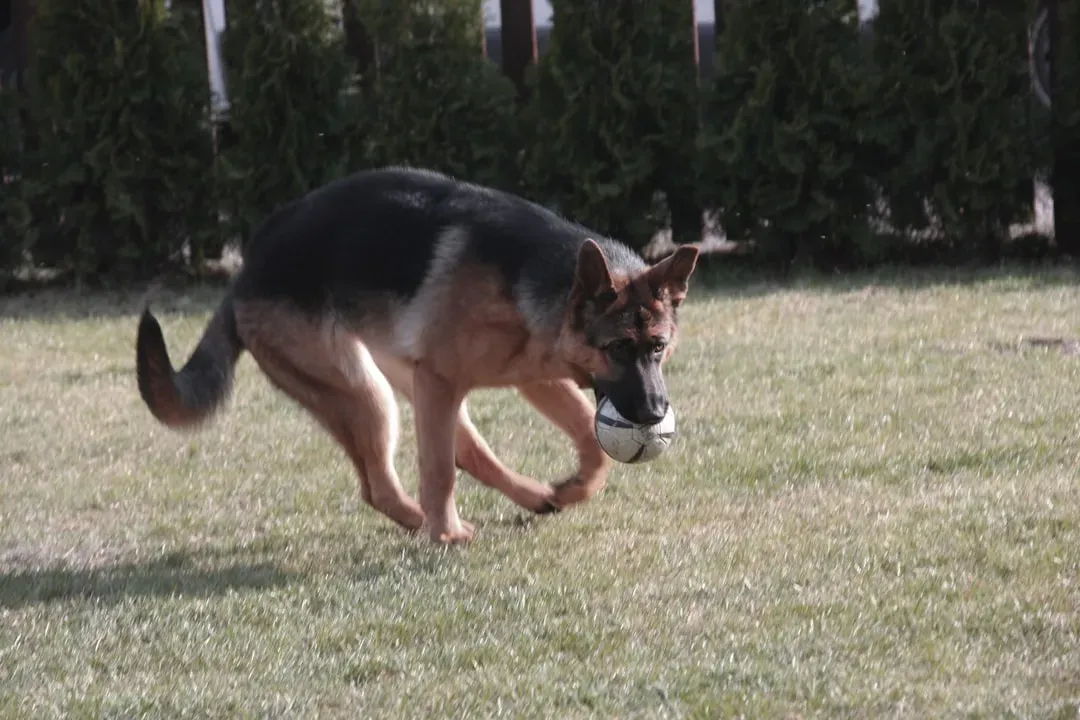
Here’s the thing about older dogs that most people don’t realize. Dogs retain significant neuroplasticity well into their senior years, which basically means their brains can still form new connections and adapt to fresh experiences. Think of neuroplasticity like a well-worn path in the woods that can still branch off in new directions. Sure, the main trail is established, but there’s always room for another route.
Adult dogs are often easier to train than their younger canine friends because they are not as easily distracted and can focus for longer periods of time. Your senior dog has already learned how to learn, if that makes sense. They understand the basic concept of training sessions, and they’ve developed patience that puppies simply don’t possess. I think that’s one of the most underrated advantages of working with an older dog.
Recent studies have shown something even more encouraging. The hippocampus increased in volume in all dogs undergoing behavioral enrichment, even control placebo dogs, providing compelling evidence for enrichment-related benefits. The hippocampus is that crucial part of the brain responsible for learning and memory. It’s still growing, still adapting, still ready for action.
Why Training Matters More Than Ever for Aging Dogs
Mental stimulation isn’t just a nice bonus for senior dogs. It’s genuinely essential for their wellbeing. Training extends beyond teaching tricks and acts as an investment in physical health, mental wellbeing, and the relationship between owner and dog, with mental stimulation potentially slowing cognitive decline. That’s huge when you consider how much we want to preserve our companions’ quality of life.
Picture your dog’s brain like a muscle. Without exercise, it weakens. The odds of canine cognitive dysfunction increased with each additional year of age, but among dogs of the same age, those who were not active had much higher odds of cognitive issues compared to very active dogs. Activity here means both physical and mental engagement.
There’s also an emotional component that people sometimes overlook. Training sessions create structure, purpose, and bonding time between you and your dog. Time shared while learning new tricks deepens the bond you already have with your canine friend, and tricks provide mental stimulation for older dogs who may be suffering from dementia.
Adapting Your Training Approach for Senior Bodies and Minds
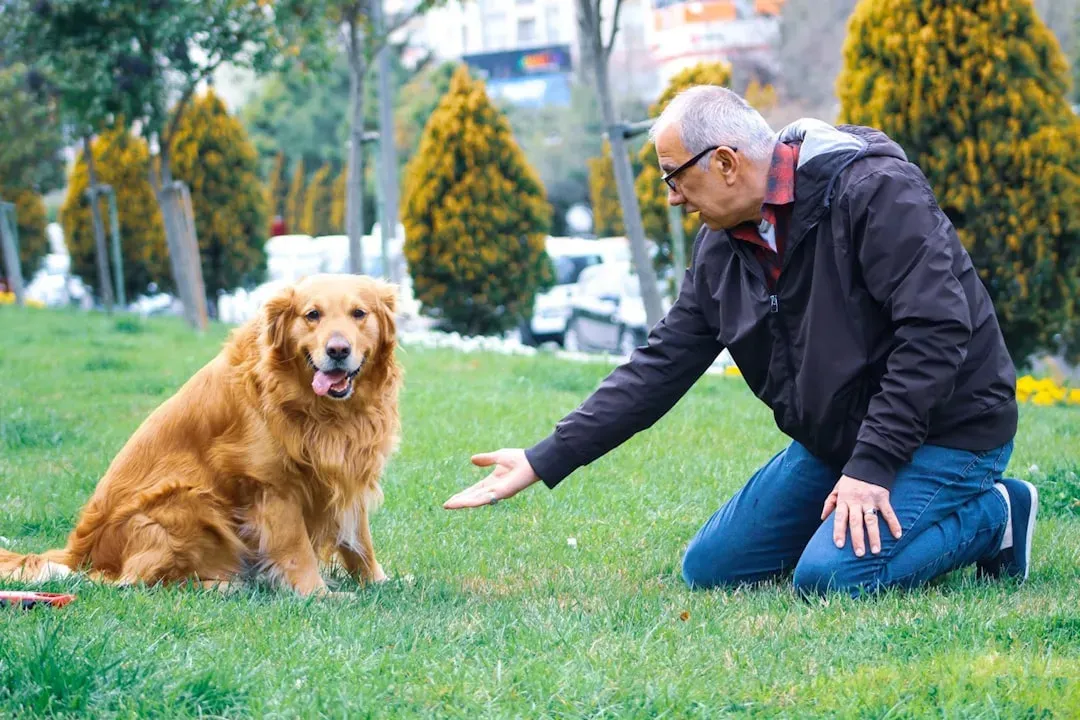
Let’s be real about something important. While older dogs absolutely can learn, the way you approach training needs adjustment. Training sessions should be limited to 10-15 minutes maximum, as senior dogs process information more slowly than young pups and tire more easily. This isn’t about reduced intelligence. It’s about respecting the physical and cognitive changes that naturally come with aging.
Many senior pets have vision and hearing deficits that make it more difficult for them to comprehend directions, but you can work around these obstacles by modifying the way you communicate with your dog. If your dog’s hearing has declined, hand signals become your best friend. For vision issues, stay in their direct line of sight and use louder verbal cues paired with consistent touch signals.
Physical limitations deserve special consideration too. Sitting repeatedly can stress arthritic knee joints, and begging or sitting pretty strains an old back. Choose tricks and commands that work within your dog’s physical comfort zone. There’s no honor in pushing a senior dog past their limits just to prove a point.
Older dogs need 10-15 repetitions for new behaviors compared to a puppy’s 3-5, which is normal for mature brains, not stubbornness. Patience isn’t just a virtue here. It’s a requirement.
Practical Techniques That Actually Work
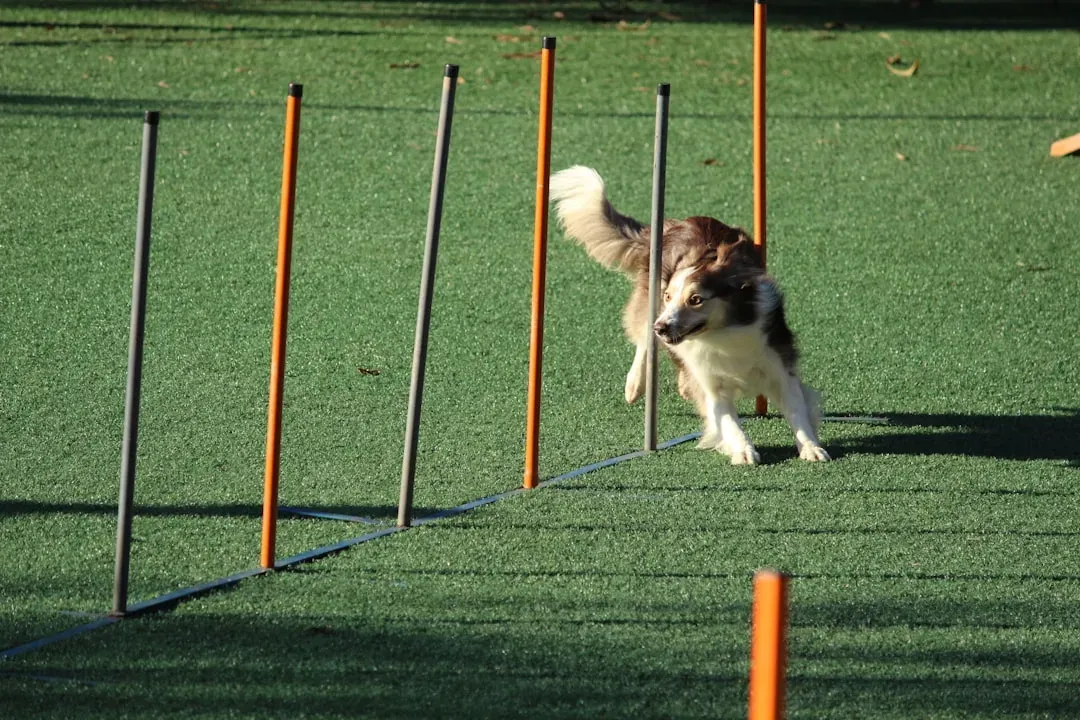
Positive reinforcement is best for training senior dogs, which means rewarding your dog for good behavior. This approach isn’t just nicer. It’s more effective for dogs who’ve lived long enough to develop opinions about how they want to spend their time. Harsh corrections or outdated punishment methods can damage the trust you’ve built over years together.
The timing of rewards matters tremendously. The reward should come within 3 seconds of the desired behavior to create clear associations. This window is crucial because dogs live in the moment. Wait too long, and they won’t connect the reward with the behavior you’re trying to reinforce.
Schedule training at consistent times that align with your dog’s natural rhythm, with many older dogs performing best during sessions conducted before breakfast or after dinner when they’re alert but not overstimulated. Pay attention to when your dog seems most engaged and energetic. Some seniors are morning dogs, while others perk up in the evening.
What about motivation? Your senior dog may have different taste preferences now than they did as a young dog. Experiment with various treats, toys, or even just enthusiastic praise to discover what really gets your dog excited. Food motivation often remains strong, but don’t underestimate the power of a favorite toy or a good belly rub.
Real Success and Lasting Impact

Success stories of dogs learning new skills at 10+ years old are common, with senior dogs mastering complex behaviors when training is adapted to physical limitations while leveraging their maturity and focus. These aren’t rare exceptions or miracle cases. They’re the expected outcome when you approach senior training with the right mindset and methods.
Older dogs were able to learn abstract and sometimes difficult tasks, with owners observing positive benefits of the training in their dogs’ everyday lives. This research from touchscreen cognitive training demonstrates that the capacity for learning doesn’t just persist. It can lead to meaningful improvements in daily functioning and overall happiness.
The relationship between you and your aging dog transforms through training. Mature dogs enjoy bonding with their owners while learning a few new tricks, and dogs that have been with a family since puppyhood relish the time spent with their owners in novel activities. Training becomes less about obedience and more about connection, communication, and shared joy.
Think about the message you’re sending your senior companion. By investing time in teaching them new skills, you’re essentially saying their life still has purpose, value, and excitement ahead. That matters more than we sometimes realize. Dogs thrive on having jobs to do, problems to solve, and ways to earn your delight and approval.
So here’s what I hope you take away from all this. Your senior dog isn’t too old, too set in their ways, or too tired to learn something new. They’re simply waiting for you to meet them where they are, with patience, creativity, and understanding. The adage was wrong all along. You absolutely can teach an old dog new tricks, and honestly, some of the best learning happens in those golden years. What new adventure will you start with your aging companion today?


