

Picture this: you turn the key in the ignition, still blocks away, and somehow your dog is already at the door, ears perked, eyes bright with excitement. It’s that heartwarming moment that makes every tough day worth it. As a dog lover who’s witnessed this countless times, I can tell you it’s no coincidence.
Science unpacks the real magic behind your pup’s spooky timing. From biology to senses sharper than ours, there’s so much at play. Ready to uncover how they do it? Let’s dive in and celebrate these incredible companions.[1][2]
Their Internal Clocks Run Like Precision Watches
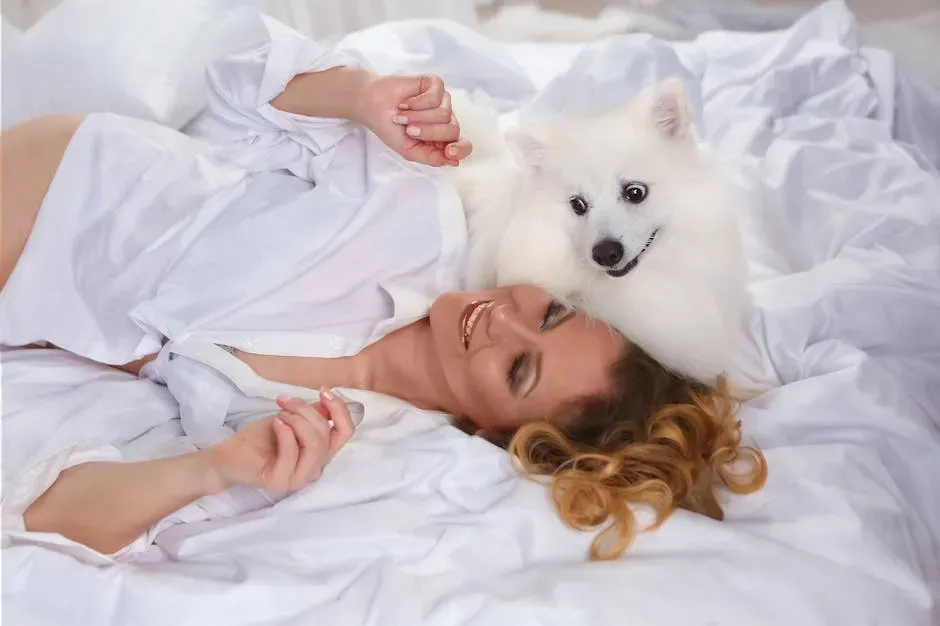
Dogs operate on circadian rhythms, much like us, syncing their bodies to the day’s light and dark cycles. This inner clock helps them anticipate meals, walks, and yes, your return home around the usual time. Studies show they get alert as hunger or energy levels shift, priming them for predictable events.[3][4]
Think of your lab mix pacing at 5 p.m. sharp – it’s not guesswork, it’s biology. Sticking to a consistent schedule reinforces this, reducing anxiety and keeping them happy. I’ve noticed my own dog chills out more when routines hold steady.
Sniffing the Fading Scent Trail
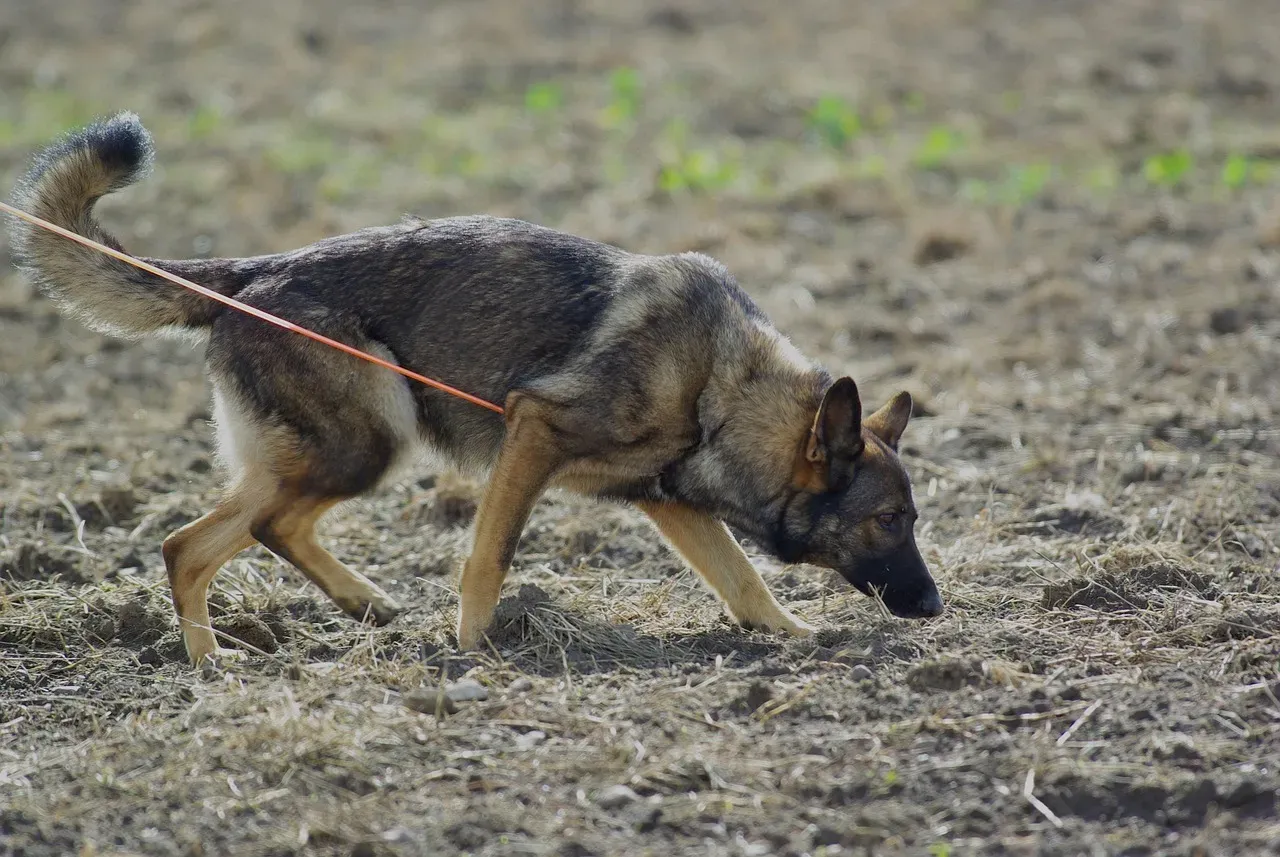
Your scent lingers in the house long after you leave, but it fades gradually throughout the day. With noses thousands of times more sensitive, dogs track this drop-off, associating low scent levels with your imminent arrival. Research points to this as a key way they “tell time” without a watch.[2]
Imagine your beagle nosing around, charting that invisible timeline. It’s a reminder to air out the house occasionally for fresh scents, but mostly, it shows their genius adaptation. This cue explains those eager waits even on quiet afternoons.
Ears Tuned to Distant Sounds

Dogs hear frequencies up to four times beyond human range, catching your car engine from half a mile away. That familiar rumble triggers instant excitement, sending them bolting to the door. Real-world examples abound, like pups in suburbs perking up blocks early.
However, it’s not just volume – it’s the specific pitch they learn to love. Keep neighborhood noises in mind; sudden changes might startle them, so gradual exposure helps. Honestly, it’s one reason I drive the same route home – predictability comforts them.
Masters of Routine and Patterns

Our furry friends thrive on habits, learning your schedule through repetition. Changes in light, neighborhood sounds, or even your scent patterns cue their anticipation. Science backs this associative learning, where past arrivals build rock-solid expectations.[5][6]
Your golden retriever glancing at the clock? Nah, it’s pattern mastery. Share tips like varying walks slightly to prevent boredom, but anchor key times. It makes them feel secure, and you more connected.
The Emotional Bond Seals the Deal

Beyond senses, oxytocin surges when you reunite, deepening that intuitive link – studies even show tears in their eyes from joy. This hormone fuels empathy, making them “feel” your approach emotionally. It’s why rescues bond so fast, sensing safety.
Behaviors like tail wags or whining signal pure love. Nurture it with daily check-ins; watch for stress signs like pacing to ensure health. Let’s be real, this bond is why we adore them endlessly.
Cherish and Strengthen That Unbreakable Connection

Your dog’s anticipation isn’t mysticism – it’s a blend of sharp senses, smart biology, and profound love. Embrace it by honoring routines, noting health cues like unusual lethargy, and offering extra playtime. These insights empower you to support their well-being even better.
Next time they greet you like royalty, give an extra pat knowing the science. What tricks does your pup pull to “know” you’re home? Share in the comments – we’re all in this tail-wagging life together.


