

You’re lying in bed, ready to drift off, when you feel it. That familiar nudge. The determined pawing. Then the inevitable, warm little shape tunneling under your duvet like a tiny, determined mole who has absolutely no interest in your personal space. Sound familiar? Most dog parents know this scenario by heart. What’s fascinating is that this behaviour is far more layered and emotionally meaningful than most of us realize. It’s not just about warmth. It’s not even just about comfort. It’s about something ancient, instinctive, and deeply tied to how your dog experiences love and safety. Let’s dive in.
The Ancient Den Instinct Your Dog Never Outgrew

Burrowing is a natural behaviour that comes from a dog’s ancestral need to create protected spaces. Wild canines dug burrowed shelters to stay safe and raise their young, and those shelters kept them protected from predators. Think about that for a second. Your dog isn’t being dramatic. They’re following a survival blueprint written thousands of years before Netflix existed.
Dogs trace their roots back to wild canines which used dens as survival shelters. A den referred to a small, closed area that served as a shield against predators and bad weather. Even today, this urge to build a den still lingers in dogs, and to your pet, a heavy comforter mimics the safety of a subterranean burrow, offering a sense of total seclusion. In other words, your duvet is basically a luxury cave. Honestly, can you blame them?
It’s a Trust Signal, Not Just a Quirk

Your bed represents a shelter or den to your dog. Since the bed is a place where they regularly go, it is marked with their scent and it is part of their routine. They instinctively crawl into their den as a happy and safe zone, and under the covers may feel like the inner sanctum of that den, the safest of the safe. Let that sink in. When your dog burrows under your blanket, they are choosing you as their safest place on earth.
That little burrow helps them unwind, relax, and sleep more soundly. When your dog chooses to sleep right next to you, they’re showing how much they trust you. Shared bedtime routines can strengthen the human-dog bond and elevate overall canine comfort. So yes, your dog burrowing into your bed at 11pm is, in the sweetest possible way, a declaration of love.
When Burrowing Is a Sign of Anxiety (Know the Difference)
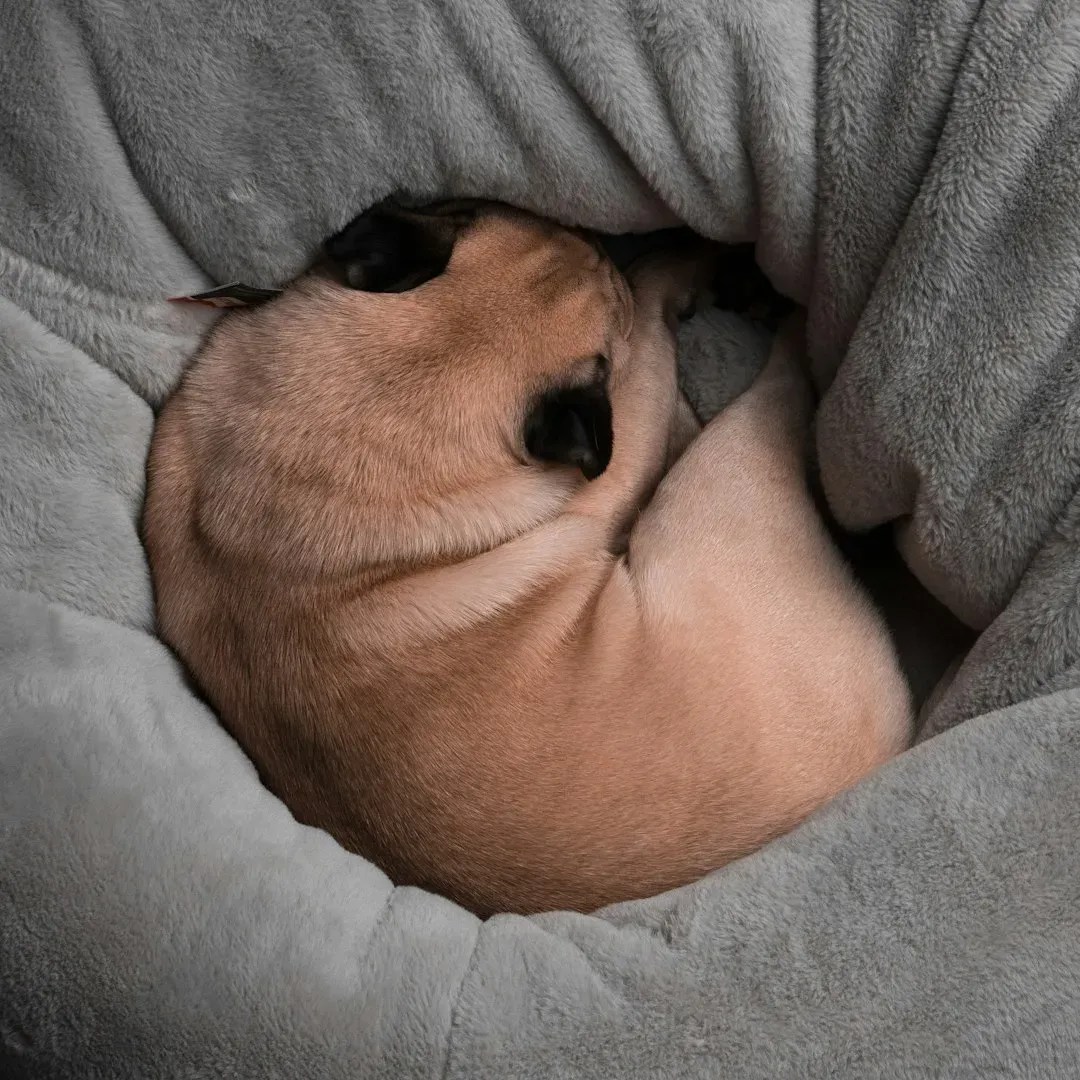
Crawling under the covers can be a behaviour of anxious dogs. Fireworks or thunderstorms, for example, can cause a great deal of stress. To find a safe place to let the perceived danger pass, some dogs hide under the bed while others will crawl under the covers. This is an important distinction every dog parent should know. Happy burrowing looks relaxed and settled. Anxiety burrowing looks frantic, urgent, or desperate.
Blanket-burrowing in dogs is generally nothing to sweat about. However, if the digging seems obsessive or is partnered with panting or crying, separation anxiety could be the culprit. If you notice your dog only burrows when the vacuum is running or when new guests arrive, it is likely a coping mechanism. In these cases, the behaviour is less about sleep and more about finding a sanctuary where they feel invisible and safe. Spotting this pattern early makes all the difference.
Which Breeds Are Born Burrowers (And Why It Makes Sense)

If you live with a Terrier or Dachshund, you’ve probably witnessed some serious blanket-digging behaviour. These breeds historically were raised to drive vermin out of underground dens, and their ancestors were accustomed to creating and squeezing into tight spaces to flush out rodents. Therefore, they instinctively feel comfortable within a dark and cozy duvet. It’s practically in their job description.
Huskies, too, are apt to burrow under the covers, as their Arctic ancestors dug holes in the snow and nestled in them for insulation, as do current-day sled dogs when on the trail. Though specialists in dog behaviour tend to name these three breeds as poster pups for denning, any dog can exhibit blanket-burrowing behaviour. So if your Labrador or Golden Retriever is diving under the duvet too, don’t be surprised. They’re just as capable of catching the burrowing bug.
Keeping It Safe: What Every Dog Parent Needs to Know
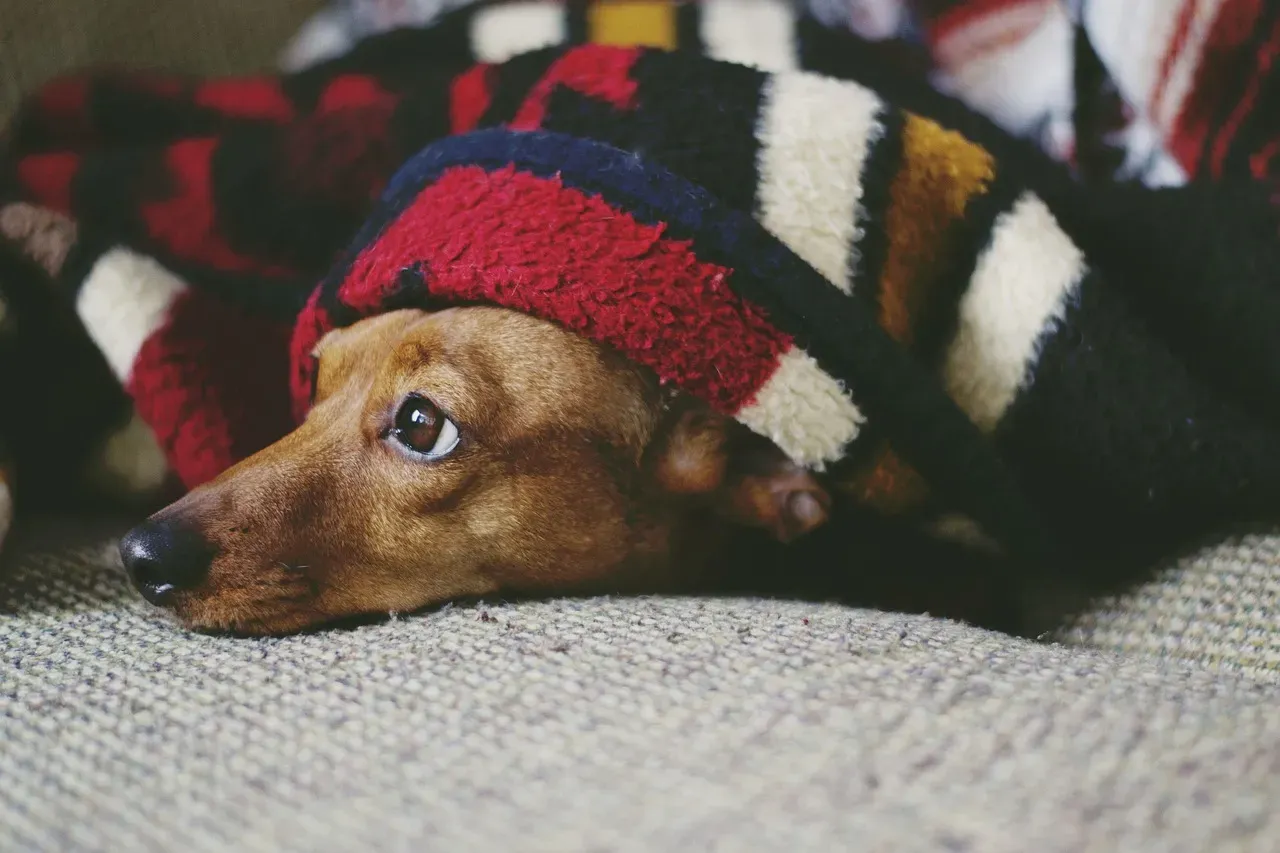
In many situations, sleeping under the covers is safe for pups, but it ultimately depends on a few specifics, like the type of blanket you have and your dog’s breed and health. Blankets made specifically for pets or lightweight blankets should be fine, though you should pay attention to the material used and make sure it’s nothing your dog is allergic to. A good rule of thumb? If you’d feel uncomfortable breathing under it for long, so would your dog.
Brachycephalic dog breeds like Pugs, Boston Terriers, and Boxers are already susceptible to breathing problems because they have shortened snouts, which makes staying under a comforter even more of a concern. Electric blankets aren’t a good combination with bed-burrowing dogs, as they can potentially be harmful if the dog scratches or digs at them. It can also be a problem if the covers are too heavy or the sheets are tucked too tight and the dog can’t get out. Keep blankets loose, light, and breathable, always.
Conclusion: That Warm Lump Under Your Blanket Means More Than You Think
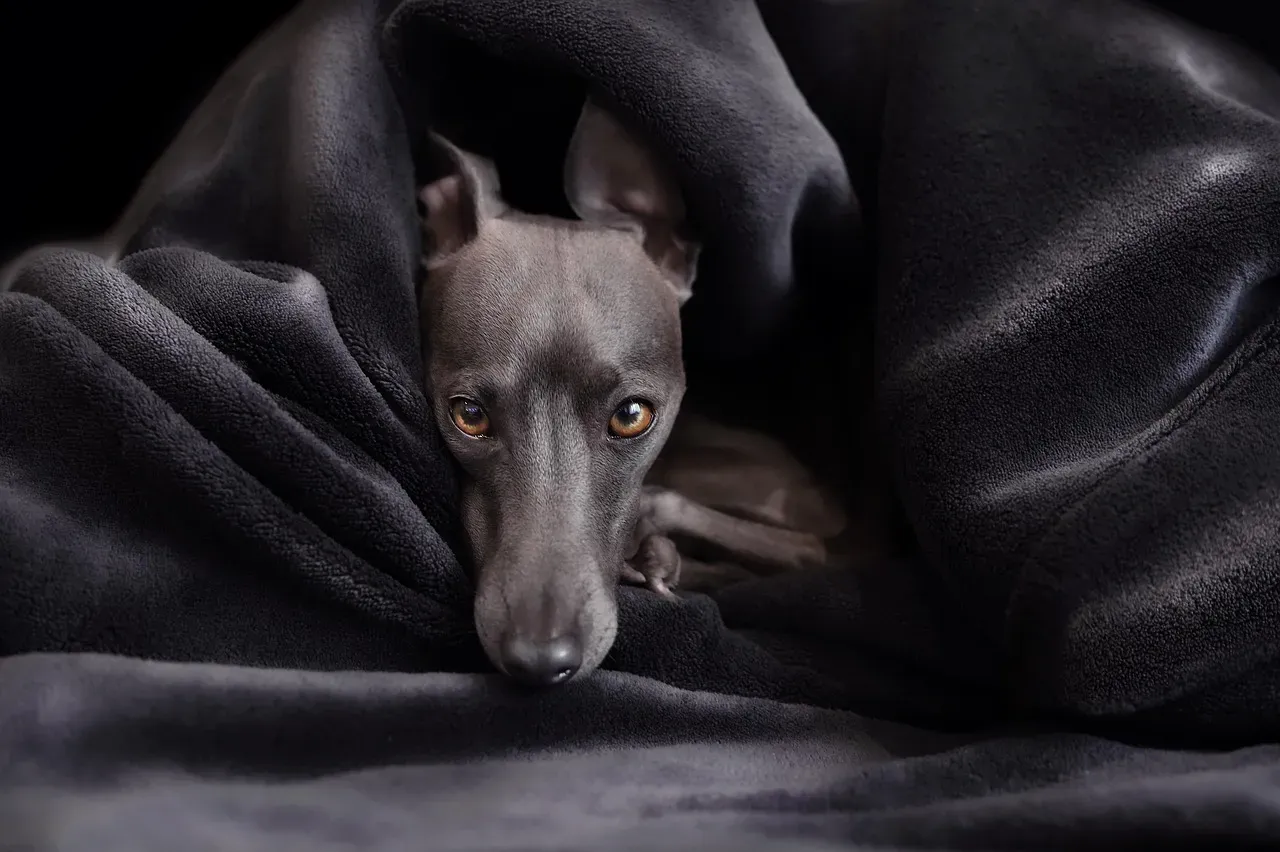
Here’s the thing: your dog isn’t being clingy, silly, or over-the-top when they tunnel under your covers every single night. They are doing something profoundly instinctive, deeply emotional, and biologically meaningful. They are building their den, right next to the person they love most. That’s not a small thing.
Watch for the difference between content burrowing and anxious burrowing. Choose breathable blankets. Monitor flat-faced breeds carefully. If your dog shouldn’t be under heavy blankets for health reasons, look for enclosed or cave-style dog beds that mimic the feeling of sleeping in a den, try heated pet beds or self-warming blankets during colder months, or try soft plush sleeping bags for dogs that offer warmth and security without trapping air.
At the end of the day, a dog that wants to be under your blanket is a dog that feels at home with you. That’s the whole dream, isn’t it? So the next time you feel that determined little nudge at midnight, maybe smile a little instead of sighing. Your dog just chose you as their safest place in the world. What would you choose to do with that? Tell us in the comments.


