

There’s something magical that happens when you start packing a suitcase. Your dog knows. That look in their eyes, those ears perked up, the gentle whine that seems to ask the question we’ve all heard in spirit if not in words: Am I coming with you? For too long, holidays meant leaving our best friends behind. Gone are those days.
We’ve learned that vacations feel incomplete without wet noses pressed against car windows, excited tail wags at new smells, and those moments when your pup discovers sand or snow for the very first time. This isn’t just about indulging our pets. It’s about recognizing that the bond we share with our dogs makes every experience richer, every memory sweeter. So let’s talk about how to give your four-legged family member the holiday they truly deserve.
Planning Makes All the Difference
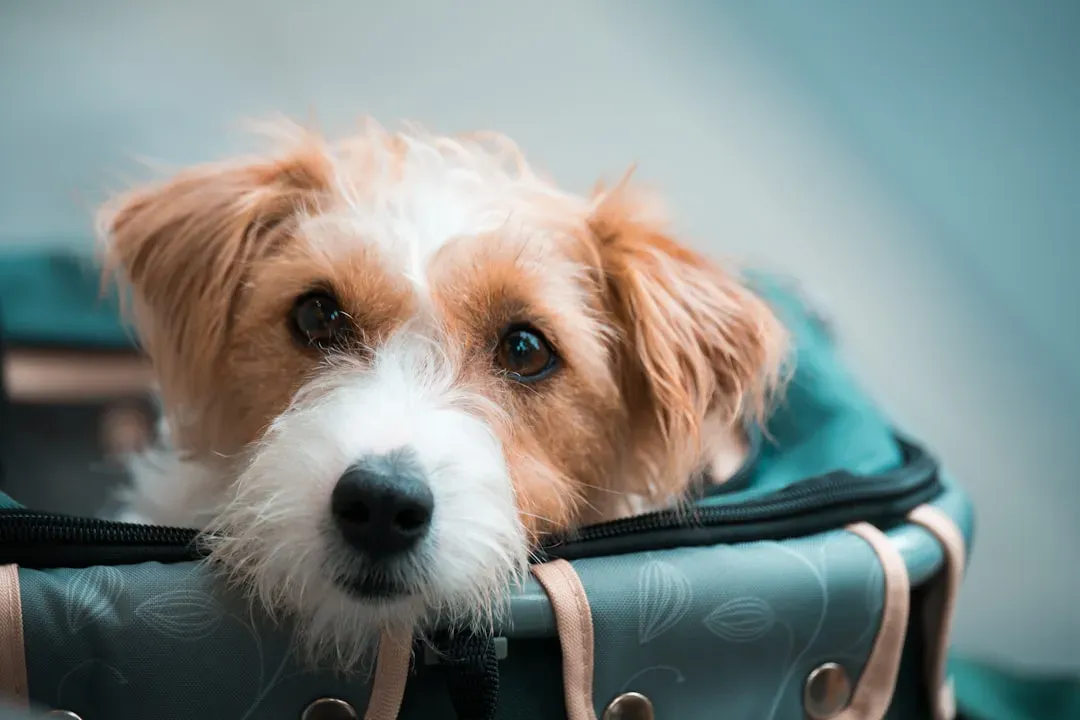
Here’s the thing about traveling with dogs: spontaneity can backfire spectacularly. I’ve seen too many families arrive at supposedly pet-friendly destinations only to discover restrictions they never imagined. A pet health certificate is often mandatory when planning to travel with your pet, particularly across state lines or internationally, and some states may require a health certificate issued by a licensed veterinarian within a certain timeframe, typically within 10 days of your departure.
Talk to your veterinarian well before departure day. They’ll ensure vaccinations are current and can assess whether your dog is mentally and physically ready for the journey ahead. Some dogs thrive on adventure while others find change deeply unsettling. Your vet knows your dog’s health history and can offer personalized guidance that no article ever could. If you’re traveling across state lines, bring along your pet’s rabies vaccination record and check with your veterinarian to see whether a health certificate is required, though this generally isn’t a problem, some states require this proof at certain interstate crossings.
Consider your destination carefully, too. A bustling city break might overwhelm an anxious pup, while a quiet cottage in the countryside could be paradise. Think about your dog’s personality, energy levels, and comfort zone when choosing where to go.
Recognizing When Your Dog Needs Help

Not every dog is a natural traveler. Pet anxiety can show itself in many ways, with dogs and cats possibly starting to vocalize, pace, shake, or even have accidents in the house despite being well-trained, while more severe cases might include destructive actions like scratching doors or chewing furniture, and some pets go off their food or engage in excessive grooming. These aren’t behavioral problems or acts of defiance. They’re distress signals.
Signs of travel anxiety include reluctance to get into the car, whining, panting, or barking, pacing or acting restless, excessive drooling, lip licking or lip smacking, and shaking or trembling. Pay attention because your dog is trying to communicate something important. Motion sickness complicates things further, especially in puppies, though adult dogs aren’t immune either.
If your dog shows these signs, don’t despair. Start with short practice trips around the neighborhood, gradually building up tolerance. Prep your pet for a long road trip by getting your pet comfortable through taking them on a series of short drives first, then gradually lengthening the time spent in the car. Reward calm behavior with treats and praise. Sometimes medication helps, but only use what your veterinarian prescribes after a thorough evaluation.
Safety First, Always
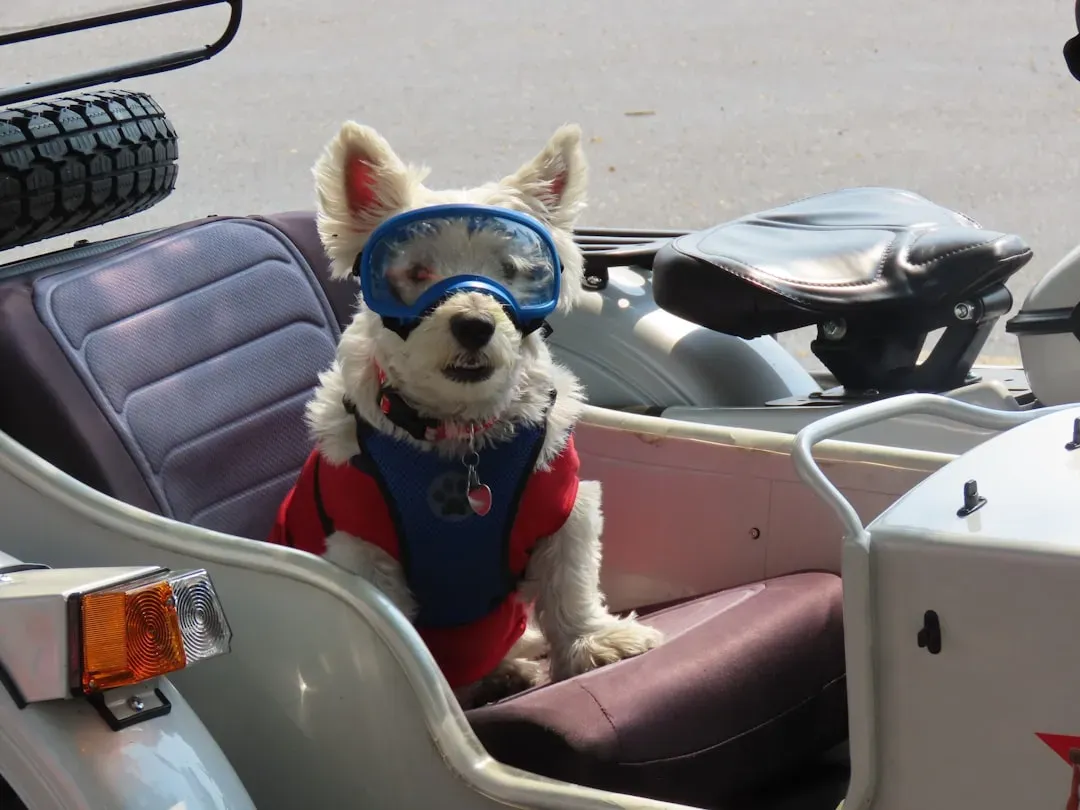
Let’s be real: an unrestrained dog in a moving vehicle is dangerous for everyone involved. Vehicles don’t come with doggy seat belts, so you need to purchase equipment that’s tested for canine safety, and in the event of an accident, you’ll want to know your dog is secure in a carrier or safety harness to restrict them from harmful movement. This isn’t about restricting freedom. It’s about protecting the life you cherish most.
Never leave your animal alone in a parked vehicle, as on a hot day, even with the windows open, a parked automobile can become a furnace in no time, and heatstroke can develop. This bears repeating because every summer, emergency rooms see dogs suffering from entirely preventable heat-related injuries. Even fifteen minutes can prove fatal. Cold weather presents dangers too, with animals left in cars potentially freezing to death.
Pack a travel kit that would make any pet parent proud. Prep a pet-friendly travel kit by bringing food, a bowl, leash, a waste scoop, plastic bags, grooming supplies, medication and first-aid, and any travel documents, while also packing a favorite toy or pillow to give your pet a sense of familiarity. Don’t forget bottled water because unfamiliar water sources can upset sensitive stomachs.
Finding the Perfect Home Away From Home
About 75 percent of luxury, mid-scale, and economy hotels now allow pets. The challenge isn’t finding accommodation anymore; it’s finding the right accommodation for your specific dog. Size restrictions, breed limitations, and pet fees vary wildly between properties.
A dog friendly hotel is one where your dog can stay in the room with you, but not every hotel that allows pets have the same policies or conditions, with some having size limits, breed restrictions or restrictions on the number of dogs allowed in one room, and it’s quite common for hotels to charge an extra fee for dogs. Always call ahead to confirm policies, even if the website says pets are welcome. Rules change, and the last thing you need after hours of driving is discovering your Husky exceeds the weight limit.
Some hotels go above and beyond with amenities. Food bowls, dog beds, treats, even designated pet relief areas show that an establishment truly understands canine guests. Research beforehand pays dividends. Websites dedicated to pet-friendly travel can filter by amenities, saving you countless hours of individual property research.
Managing Holiday Stress for Your Pup
When you’re home, you and your dog likely follow a routine with you waking up, going for walks, feeding your dog, going to work, and going to bed at roughly the same time every day, with dogs coming to rely on this routine as it makes them feel secure, but when you go on vacation this routine can be broken, resulting in dogs feeling overwhelmed, stressed, and confused by the sudden change, taking them a few days to feel comfortable again in their old routine.
Maintain as much normalcy as possible during your trip. Feed at regular times, keep walk schedules consistent, and preserve bedtime rituals. From the car to your destination, create a safe space for your dog to relax, and some dogs can find new environments stressful, so pack their favourite toy, blanket or food bowl to create a sense of familiarity, which will smell familiar and help reassure them that everything is OK, while making sure you’re giving your dog plenty of love and cuddles which will also help them relax in the unfamiliar environment.
A dog can be destabilized by any change of landmarks, and on vacation he discovers a new territory, new noises, other smells, unfamiliar accommodation and lots of new people or new four-legged playmates, which is already a lot for him, and if we add a fireworks display, a marching band in the village or a violent storm, he may feel overwhelmed, worried, even panicked. Know when to skip activities that might push your dog too far beyond their comfort zone.
Coming Home Isn’t Always Easy Either
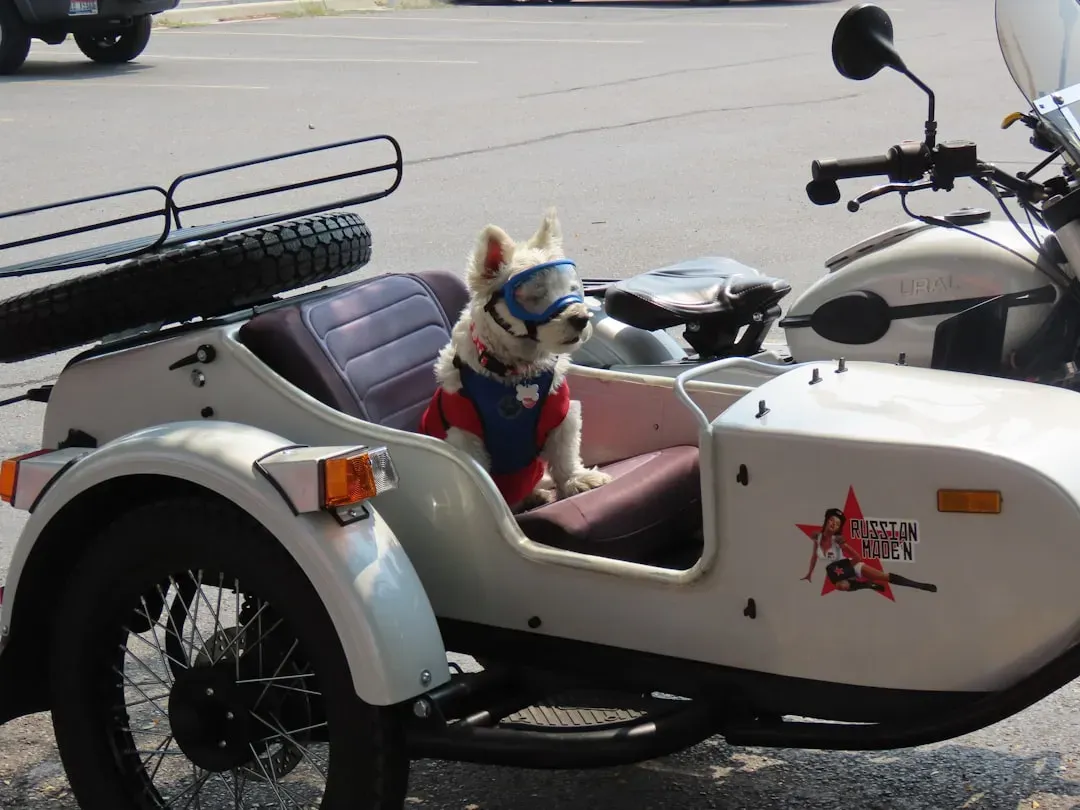
The holiday ends, suitcases get unpacked, and you might notice something odd. Your normally relaxed dog seems clingy, restless, or just off. If your dog is suddenly glued to your hip when you get home from vacation, they may be experiencing separation anxiety and are anxious that you’ll leave again, with signs including destructive behavior like chewing or scratching at furniture, doors, or other objects, going to the bathroom indoors, vocalizing with howls, barks, or whines, and being overexcited every time you come home.
Give them time. Avoid returning from vacation the night before returning to the office or school, and rather anticipate your return by a couple of days during which you and your four-legged friend can resume the ordinary rhythms you are used to experiencing without abrupt impacts with city life. This transition period matters more than most people realize.
Patience and understanding go a long way. Resume normal routines gradually, maintain those long walks you enjoyed together on vacation, and don’t expect everything to snap back to normal immediately. Chewing games or long-lasting snacks help the dog relieve stress, or one strategy is to hide his gruel to induce him to look for it, which stimulates the dog’s olfactory search, an activity that reduces his stress and gratifies the four-legged animal.
The Memories You’ll Carry Forward
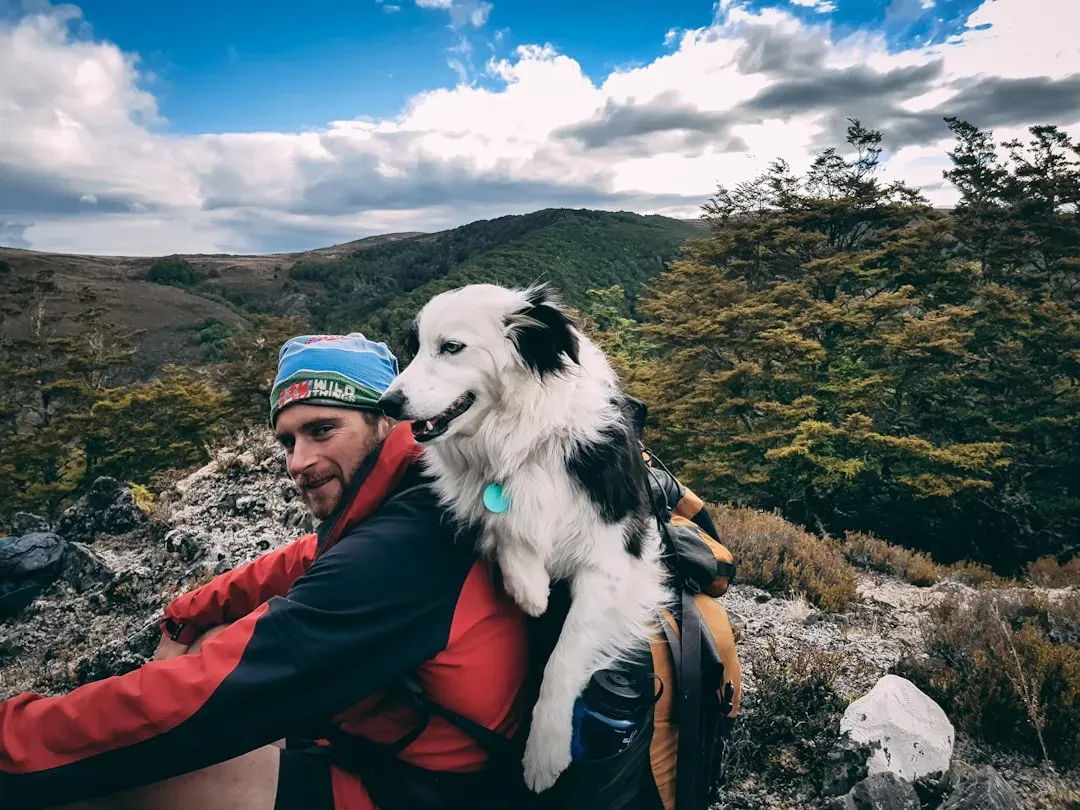
When you invest time, energy, and care into traveling with your dog, something beautiful happens. The memories become richer because they’re shared. That morning walk on an unfamiliar beach, the way your dog’s eyes lit up at a mountain trail, even the silly mishaps along the way become stories you’ll treasure forever.
Your dog gives you unconditional love every single day. They greet you like you’re the most important person in the world, no matter how mundane your absence. They deserve adventures that match the joy they bring to your life. Yes, traveling with dogs requires extra planning, occasional inconvenience, and flexibility when things don’t go perfectly. Here’s what I know for certain: you’ll never regret bringing them along.
Every tail wag in a new place, every excited sniff at unfamiliar territory, every contented sigh as they settle into yet another hotel room reminds us why we do this. Our dogs don’t ask for much. They simply want to be wherever we are, experiencing life together.
So where will you take your best friend next? What memories are waiting to be made? Your dog is already packed and ready to go.


