

You hand your dog a brand new plush toy. Their eyes light up. Their tail goes nuclear. You smile, feeling like the world’s greatest dog parent. Then, roughly four minutes later, you’re standing in a snowstorm of stuffing, staring at a sad little squeaker sitting in the middle of the floor like a crime scene exhibit. Sound familiar?
Here’s the thing most dog owners don’t know: that “destruction” wasn’t a tantrum or a bad habit. It was something far more fascinating, deeply rooted in biology, and honestly, a little bit beautiful. Your dog wasn’t being naughty. They were being a dog, in the most primal and purposeful sense of the word. Let’s dive in.
The Ancient Blueprint: Why Your Dog Is Wired This Way
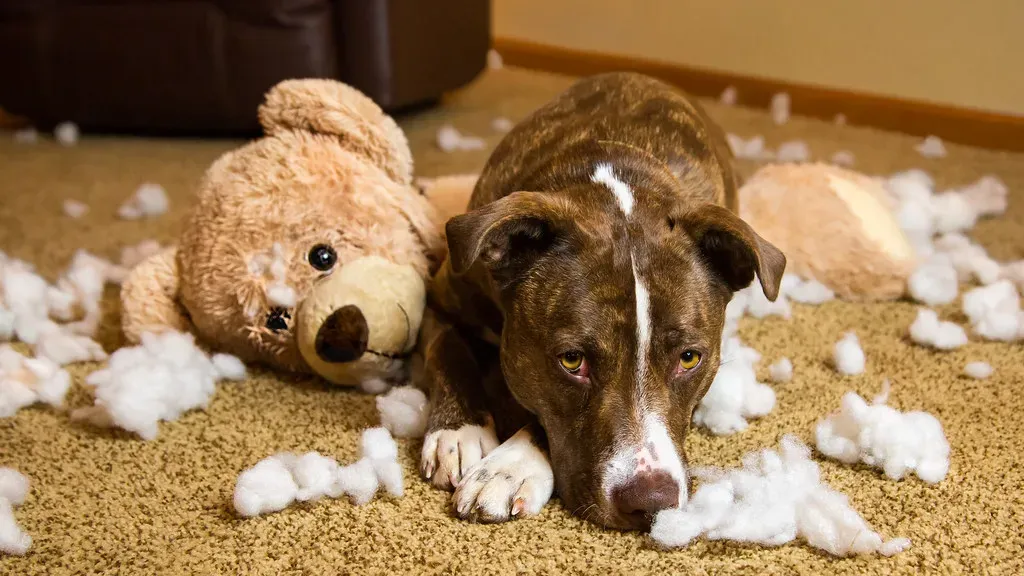
When your dog tears into a toy, they are rehearsing the dissection portion of the predatory sequence, and while the idea of our dogs playing out a hunting ritual can feel unsettling, predatory behavior is entirely normal dog behavior. Think of it like a blueprint coded into their DNA, one that has been running quietly in the background for thousands of years.
The predatory sequence goes something like this: Orient, Eye, Stalk, Chase, Grab-bite, Kill-bite, Dissect, Consume. When your dog locks onto that squeaky hedgehog and goes to town, they’re not skipping steps randomly. They’re working through a hardwired process that their wolf ancestors used to survive.
Your dogs don’t really see toys as toys. For your pup, a brand new, perfectly intact toy is nothing other than a vessel for their primal instincts. That reframe alone should bring you some genuine relief.
Try to realize that these primal urges have existed within canine DNA for thousands of years. This isn’t a training failure. This is evolution doing exactly what it was designed to do. Honestly, it’s kind of incredible.
The Squeaker Secret: What Your Dog Is Really Hearing

Have you ever wondered why your dog goes absolutely feral the moment a squeaky toy makes that little noise? There’s a reason, and it’s more instinctual than you might expect.
When a dog hears the squeaker inside of a toy, they are instantly reminded of their ancient desire to hunt and kill. That squeaker is reminiscent of the sounds a wounded rodent or other small prey would make. So every time that toy squeaks, your dog’s brain essentially gets a signal that says, “mission not yet complete.”
A shake or a solid crunch is designed to silence whatever they have, and actually, this is why a lot of toys have squeakers, to give a certain level of satisfaction to that kill-bite. When the squeaking stops, the “prey” is neutralized. Your dog isn’t being dramatic. They’re finishing the job.
When the squeaker goes silent, the toy is dead. And your dog? Completely, deeply satisfied. That panting, proud sprawl in the stuffing wreckage? That’s not guilt. That is victory.
Breed Matters More Than You Think
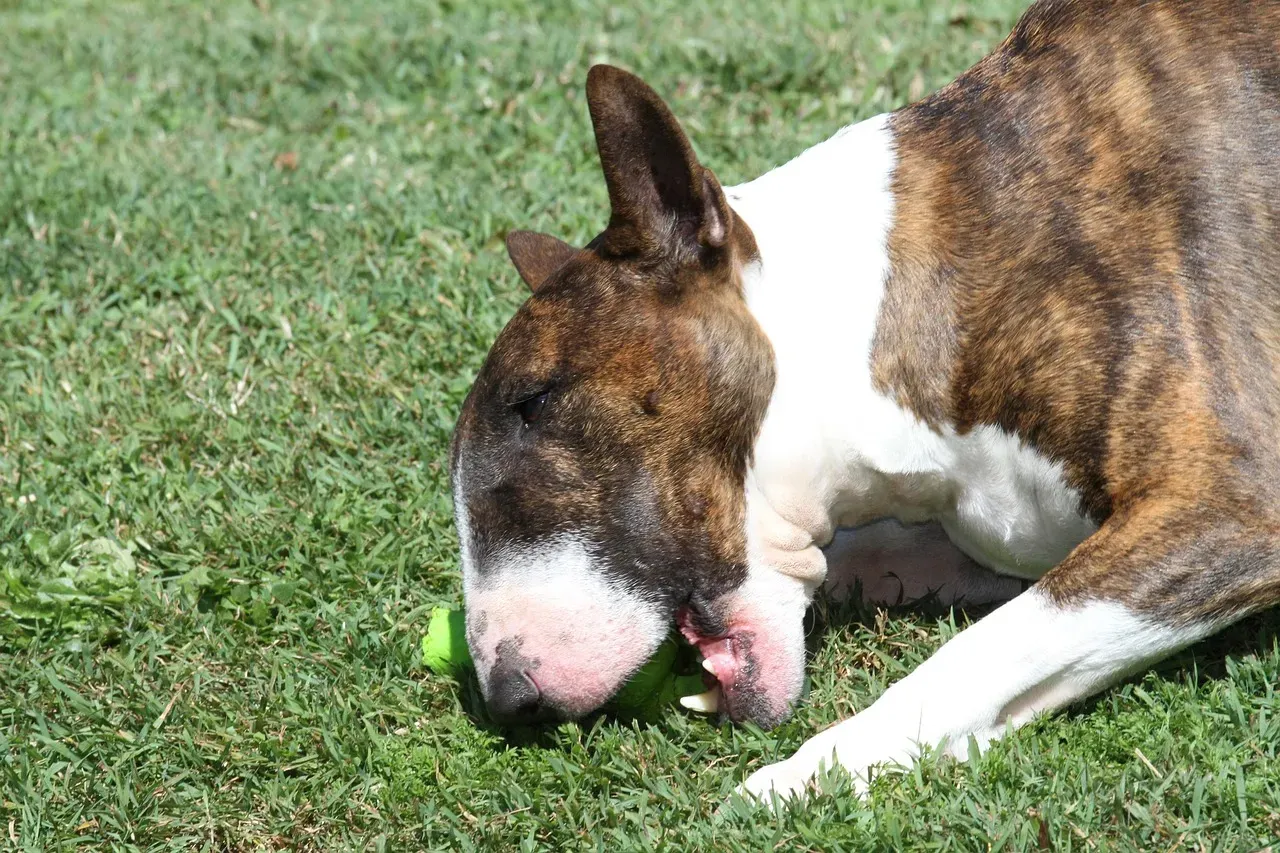
Not all dogs destroy toys with equal enthusiasm, and that difference usually comes down to breeding. Some dogs have centuries of selective pressure working behind every bite.
Some dogs have been bred for hundreds of years to have a high prey drive, like terriers, greyhounds, beagles, and retrievers. It’s an overwhelming instinct and it means they can see toys as prey and feel the need to destroy them. If your Beagle dismantles a plush toy in under three minutes, they’re not being naughty. They’re being exactly what generations of breeding shaped them to be.
Breeds bred for their hunting skills, such as Hounds, Terriers, Sporting, and Herding breeds, commonly have strong prey drives. Some dogs may live purely for the thrill of the chase, while others want to catch and kill their target. Knowing your dog’s breed history is genuinely one of the most useful things you can do as an owner.
Some breeds like bull terriers and Labradoodles are strong-jawed and will destroy a toy meant for a softer-jawed breed within minutes. This is why toy matching matters. Giving a power chewer a soft plush toy is a bit like handing someone a paper umbrella in a thunderstorm.
When Destruction Becomes a Warning Sign
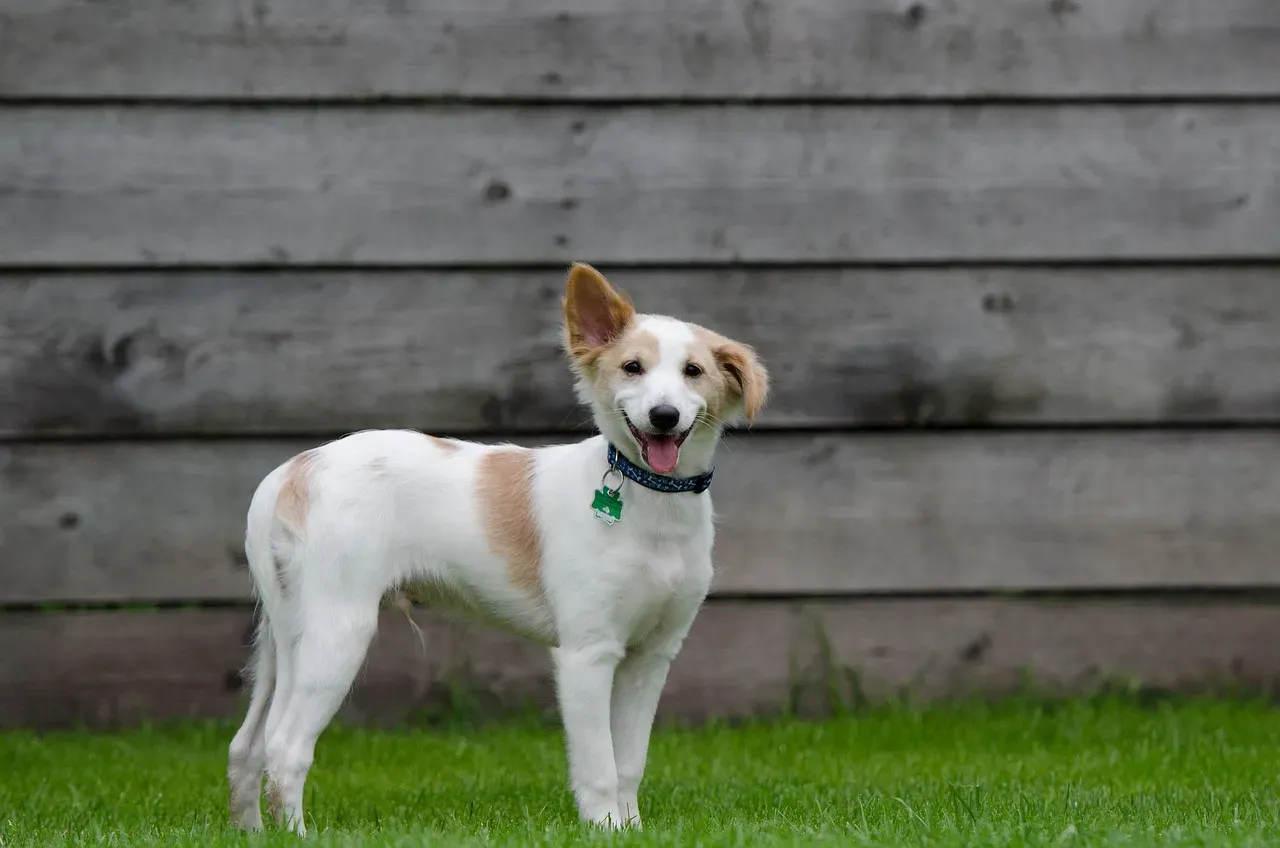
Here’s where it gets important. Most toy destruction is healthy and normal. A small portion of it, however, is your dog quietly asking for help.
If the destruction occurs only when you leave the house or are separated from your dog, the root cause of the behavior may be driven by separation anxiety, especially if the chewing is widespread on furniture and other household items. That’s a meaningfully different situation from a dog happily gutting a toy during playtime.
Scolding your dog causes more anxiety, which increases the negative behaviors. So punishment is never the answer here. If anything, it makes the cycle worse. Your dog doesn’t understand why you’re upset, they just know that you’re a source of stress now too.
Watch for these behavioral cues: destruction that extends well beyond toys, signs of restlessness, pacing, or excessive panting when left alone, and loss of appetite. Some of the health risks with destroyed toys include serious concerns like choking hazards or bowel obstruction, with signs including vomiting, lethargy, and abdominal pain. If you see any of those signs, get to your vet without delay.
If your dog has a bigger problem like separation anxiety, you’ll probably benefit from working with a dog behaviorist or dog trainer on ways to curb the anxiety. There’s no shame in calling in the experts. That’s exactly what they’re there for.
How to Channel the Instinct Without Losing Your Mind (or Your Wallet)
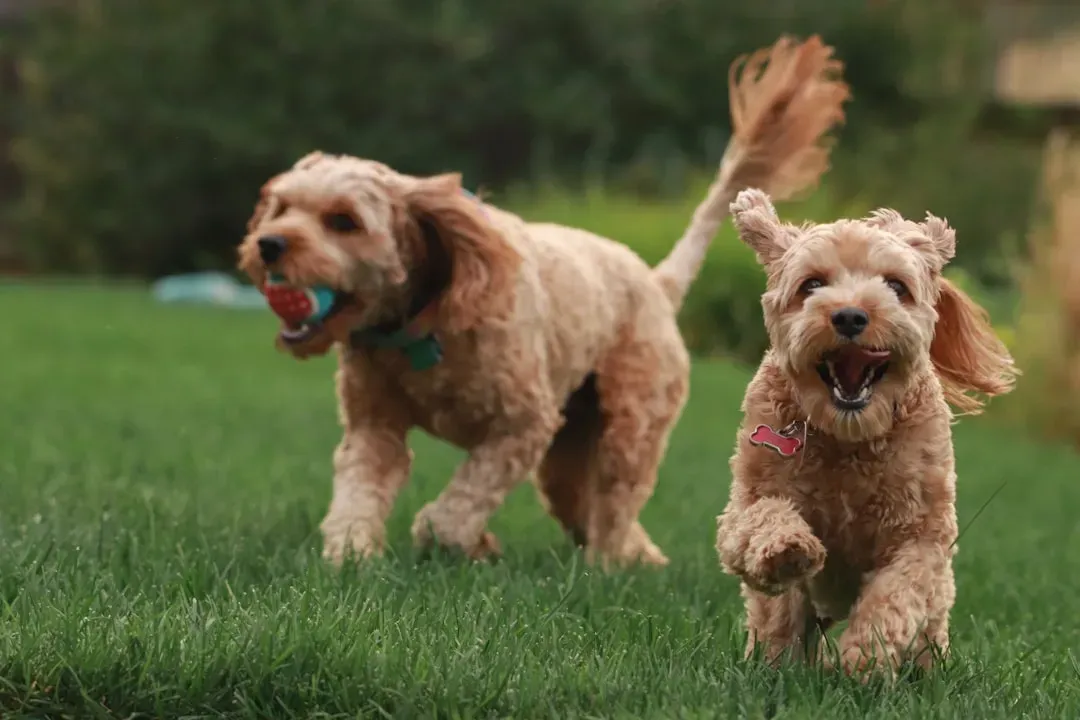
Let’s be real. You can’t eliminate prey drive, and you shouldn’t want to. What you can do is redirect it smartly, safely, and in ways that deepen your bond with your dog.
When dogs are allowed to exercise their instincts and natural behaviors in a safe, appropriate setting, it results in a calmer, happier, more well-adjusted canine. That’s the whole goal. Not suppression. Redirection.
One way you can extend the longevity of your dog’s toys is by taking them away before they’re destroyed and rotating them. If you have a toy basket of soft toys, chew toys, puzzle toys, and tug-of-war toys, but you only pull two or three out at a time, your pup will stay more engaged. Rotation keeps things fresh without costing you a fortune every week.
While playing games, dogs have the opportunity to mimic the parts of the predatory sequence in a safe and appropriate context, and instead of dissecting prey, they may get the chance to rip apart a bag full of dog treats. Puzzle feeders, snuffle mats, and frozen Kongs are brilliant for this. They scratch the same itch, just without the stuffing explosion.
Monitor your dog when they’re playing with toys and remove them if they start to become destructive. Don’t allow your dog to play with toys unattended. When your dog is playing with toys and not destroying them, praise them. Positive reinforcement is always your most powerful tool. Full stop.
Conclusion: Your Dog Is Not Broken. They’re Brilliant.
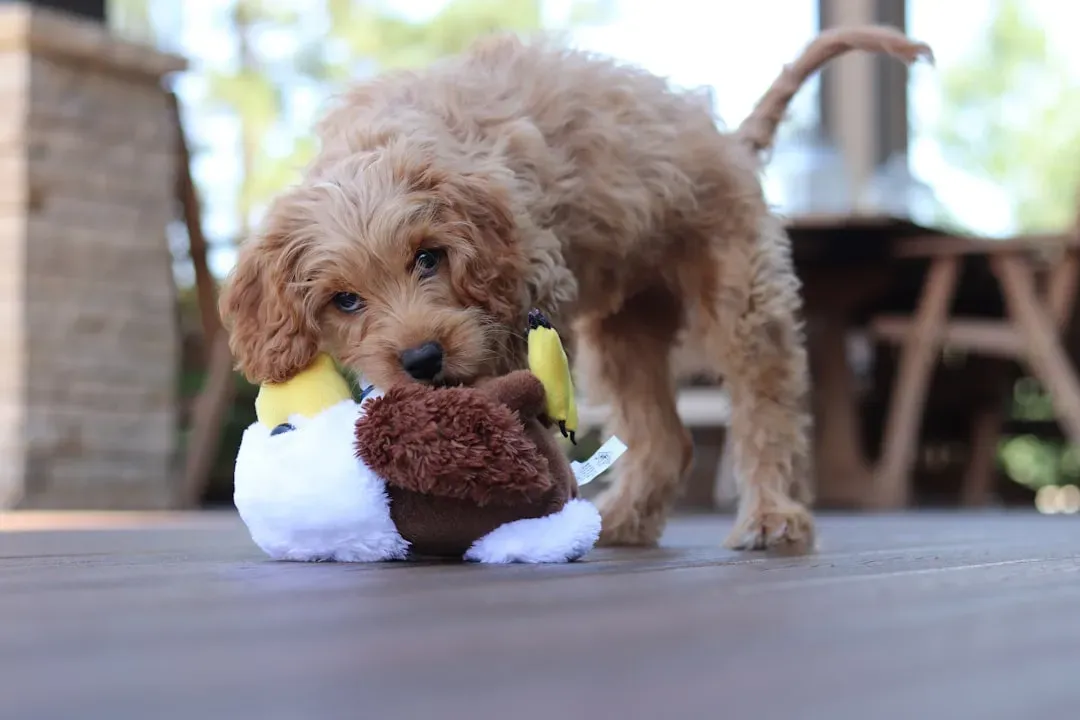
The next time you find your living room looking like it hosted a plush toy blizzard, take a breath before you feel frustrated. Your dog didn’t wreck that toy out of spite or boredom alone. They were practicing an ancient, instinctual ritual of protection and predation, one written so deeply into their biology that no amount of civilization has erased it.
Thousands of years of instinct are flowing through canine veins, but with time and patience, you can help them realize they are loved and no longer need such instincts to survive. That’s the real work of dog ownership: not fighting who they are, but meeting them there.
Your dog looks at that stuffed bear and sees purpose. They see a mission. They see something worth protecting you from. The least we can do is see them for the incredible, complex, wildly lovable creatures they truly are. So tell me, what toy has your dog destroyed most dramatically? I’d genuinely love to know in the comments below.


