
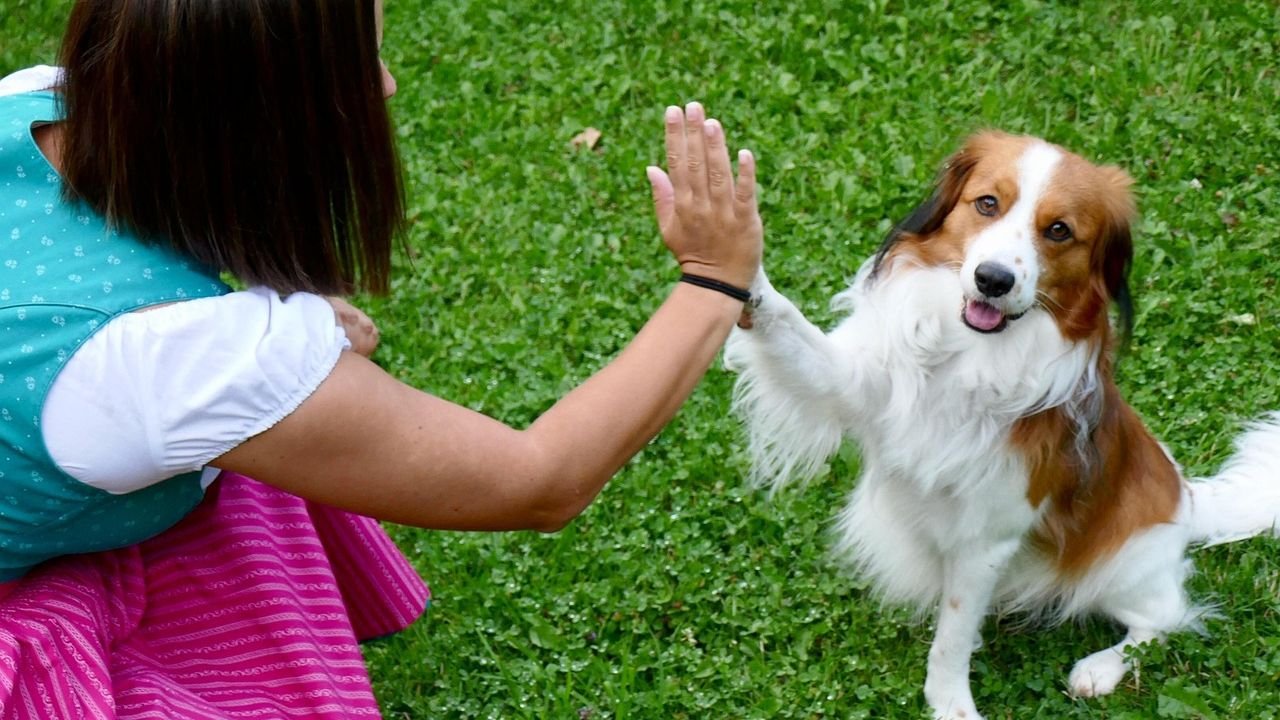
Have you ever waved your hand at your dog, waited with hopeful eyes, and got nothing back but a tilted head and a blank stare? You are definitely not alone. Most of us assume our dogs are just being stubborn, but there’s actually a fascinating, science-backed reason why your hand signal is not landing the way you expect it to. It has everything to do with how your dog’s brain and eyes are designed, and honestly, once you understand it, everything clicks.
The truth is, your dog lives in a completely different sensory world than you do. The way they process movement, color, gesture, and even your gaze is genuinely unlike anything we experience as humans. So let’s dive in, because what your dog actually sees when you raise that hand might surprise you more than you’d expect.
The World Through Your Dog’s Eyes Is Not What You Think
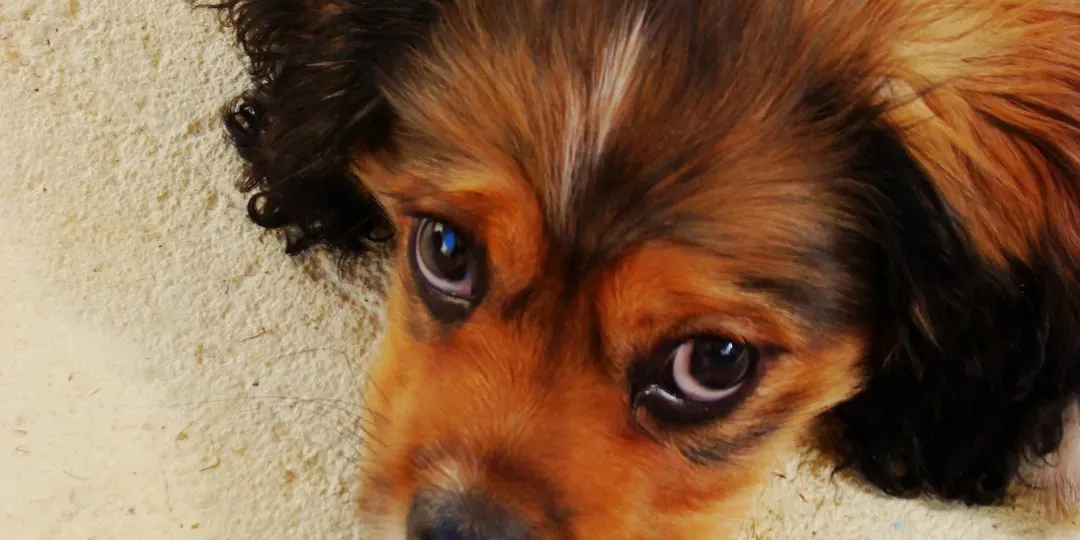
Here’s the thing most dog owners have wrong from the start. We assume our dogs see the world the way we do, just with a fuzzier Instagram filter on top. In reality, the differences run much deeper. Dogs possess only two types of cones in their eyes and can only discern blue and yellow. This limited color perception is called dichromatic vision. So that bright red hand signal you’re confidently waving? It likely blends into a murky, yellowish-grey blur against any neutral background.
This doesn’t mean your dog is vision-impaired, though. Far from it. While humans have more cones, allowing us to see more colors and brighter colors than dogs, dogs have more rods, giving them the edge when it comes to seeing in low light or identifying moving objects. Think of it this way: your dog’s eyes were built less for a colorful art gallery and more for spotting a rabbit darting through tall grass at dusk. Different priorities entirely.
Dog vision was adapted for functioning in a wide range of circumstances, with possible emphasis on motion detection instead of discrimination for static details, and a higher suitability for processing stimuli that are relatively far from the animal. So a slow, still gesture held close to your body? Your dog’s brain is practically designed to ignore it.
Motion Is the Real Language Your Dog Is Fluent In
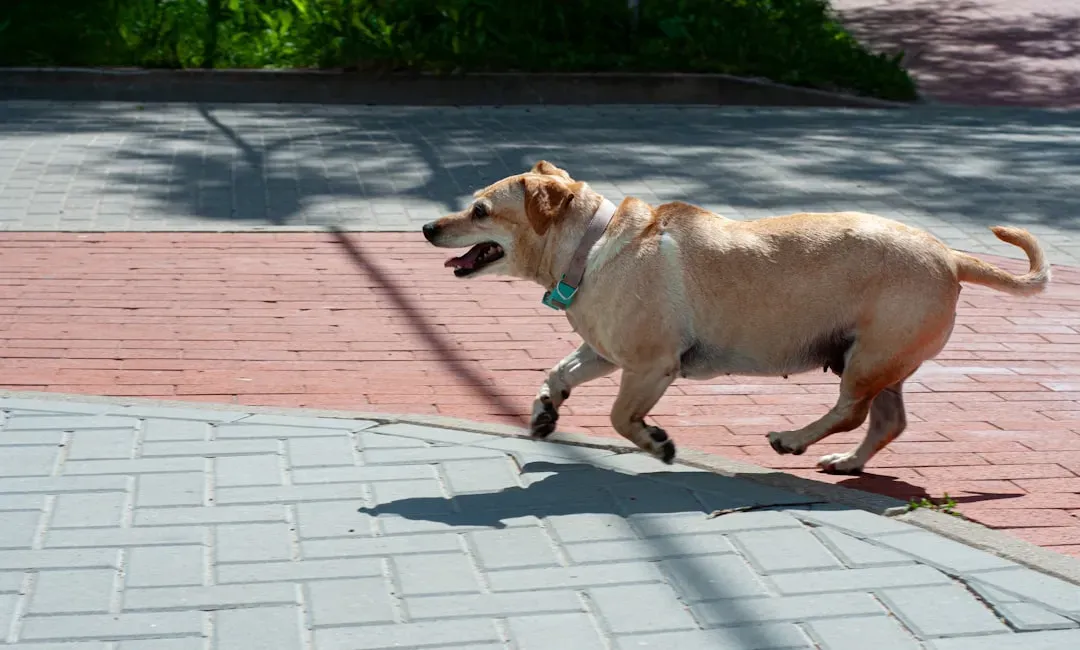
If dogs see color differently, what are they actually paying attention to? Movement. Fast, deliberate, dynamic movement. Just as a higher rod-to-cone ratio provides increased sensitivity to light, it also makes dogs more sensitive to linear motion than humans. It has been shown that dogs can discriminate an object in linear motion at 900 meters away, whereas humans are only able to discriminate when the same object was in linear motion at 580 meters or less away. That’s extraordinary. Your dog’s ability to detect motion at distance is genuinely superior to yours.
This is why a slow, static hand hold does not register the way a sweeping, fluid gesture does. Dogs are experts in body language. Subtle differences in how you hold your hand when signaling to your dog what you want from them can make a huge difference. The tiniest inconsistency in your movement from session to session can genuinely confuse your dog, even if you think you’re doing the same signal every time.
Eye Contact Changes Everything About How Dogs Read Your Signals
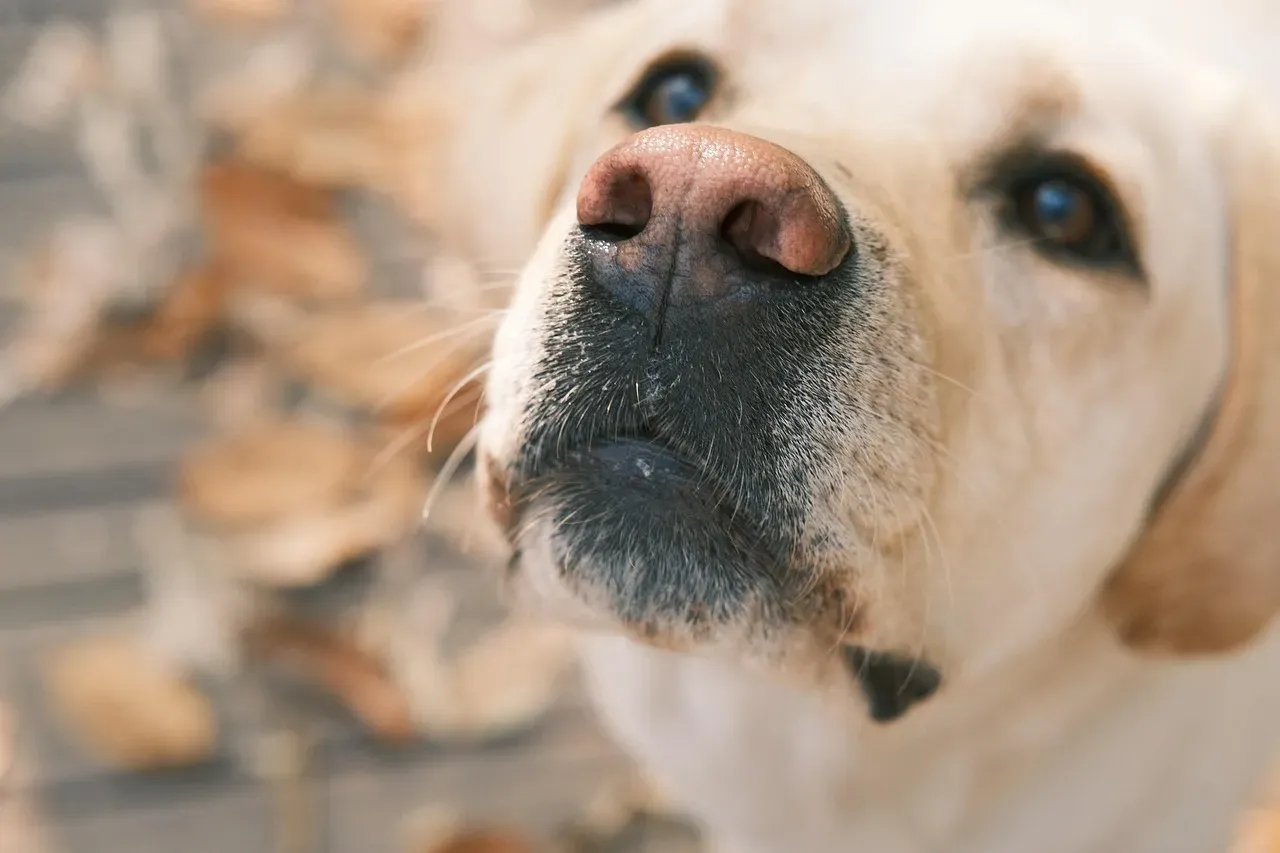
Here’s something that genuinely blew my mind when I first learned it. Your dog is not just watching your hand. They are reading your entire face, especially your eyes, before they even process your gesture. Dogs discriminate human direction of attention cues, such as body, gaze, head and eye orientation, in several circumstances. Eye contact particularly seems to provide information on human readiness to communicate; when there is such an ostensive cue, dogs tend to follow human communicative gestures more often.
Research has shown just how deeply your gaze influences the moment. Five conditions were tested in one study, including pointing, pointing combined with gazing, gazing alone, fake throwing and a no-cue control. Results demonstrated that the combination of pointing and gazing significantly increased dogs’ attention towards the designated referent. In other words, your hand signal alone is only half the equation. Without direct eye contact, your dog may simply not register you’re even talking to them.
In a study about intentional versus unintentional signaling to dogs, it was found that dogs clearly differentiate between pointing and gazing cues by responding to intentional signals. Dogs differentiated acts in which a human communicated a location to them from situations in which a human produced similar but non-communicative movements in the same direction. Let that sink in. Your dog is smart enough to know whether you mean it or not.
Why Your Dog Trusts Your Body More Than Your Words
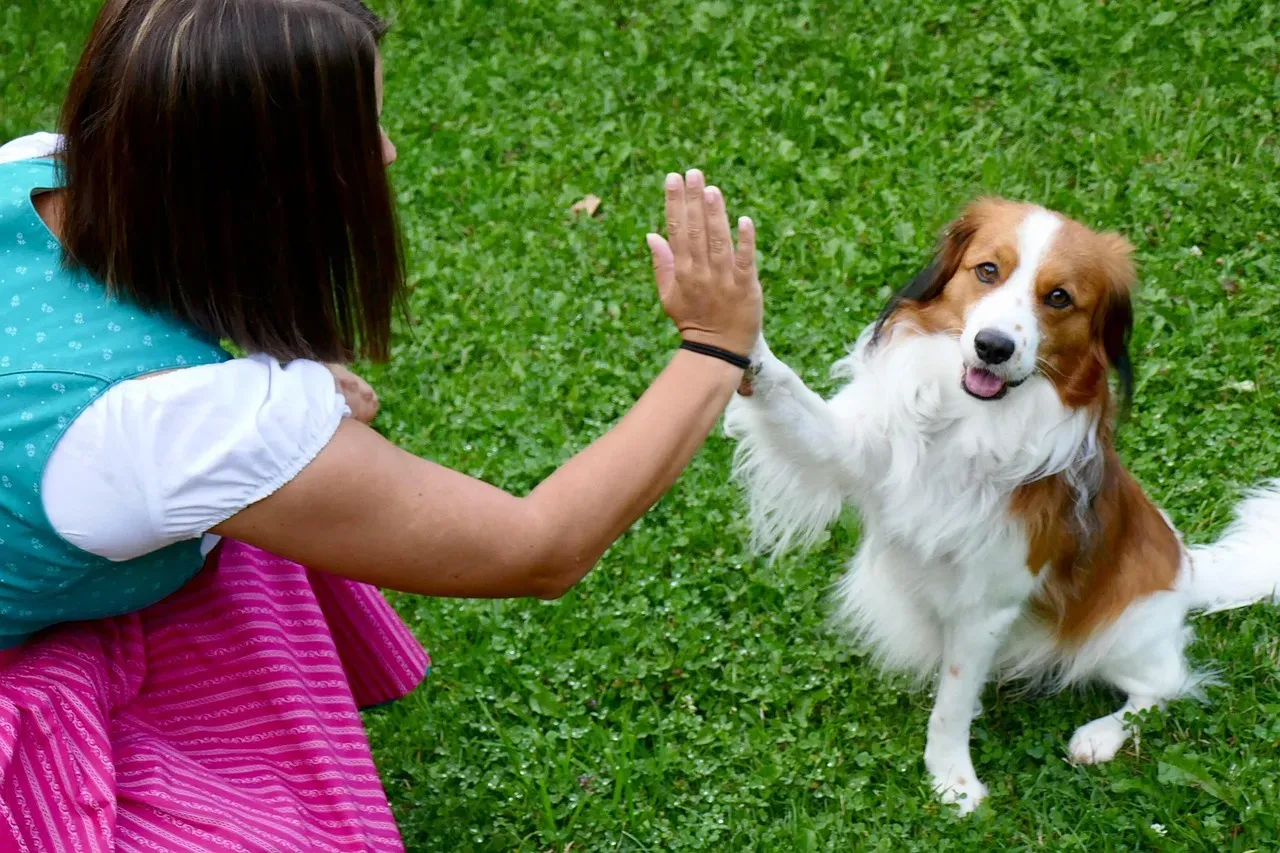
Let’s be real for a second. You’ve probably told your dog to sit while absentmindedly shifting your weight, looking away, or standing too close. Your dog, meanwhile, is reading a completely different message from your posture and movement. Canines developed a special sensitivity to reading body language and movement signals of their packmates. There is no reason why this preference should not hold up now that they are domesticated and are interacting with humans.
The science on this is genuinely fascinating. What researchers found was that the dogs obeyed hand gestures on their own with no voice command nearly 99% of the time, while verbal commands only commanded 82% correctness in behavior. That is not a small gap. Your body is speaking louder than your mouth, every single time. The trouble starts when those two channels conflict.
When we give both a verbal cue and a hand signal simultaneously, our dogs will only respond to one of those cues. This is called “overshadowing.” Overshadowing takes place when a certain stimulus is not noticed by the animal because there is a more salient stimulus around. So your words are being drowned out by your movements, whether you realize it or not. Honestly, it’s kind of humbling.
How to Actually Communicate With Your Dog Using Signals That Stick
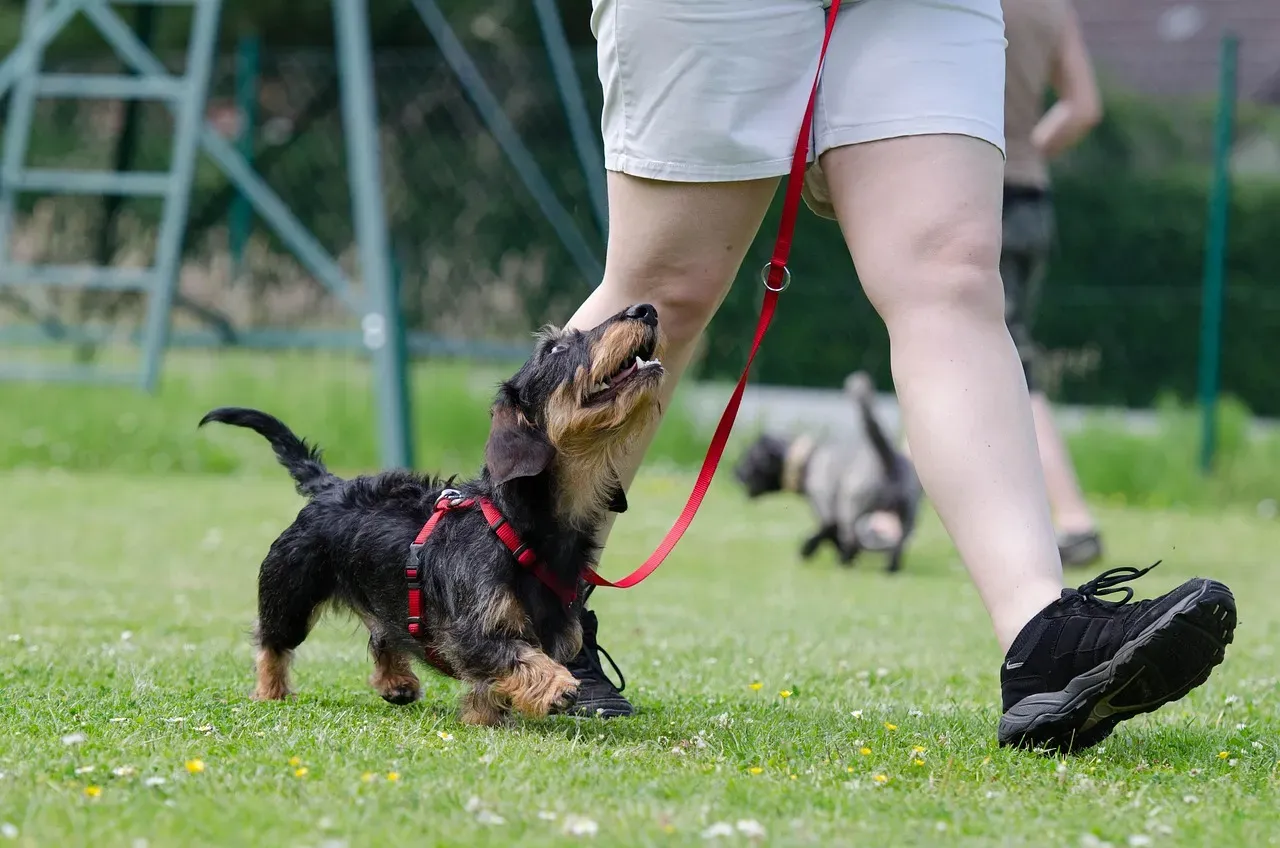
Now for the good stuff. Understanding how your dog perceives the world is the first step, but applying that knowledge is where the real magic happens. Clarity is critical for dog training, and controlled gestures help communicate your intentions unambiguously. Assign a distinct hand signal to each command that is consistent over time. For instance, a flat hand facing down can signify “sit,” while a sweeping arm motion towards your body could mean “come.” Make every gesture deliberate, not casual.
Distance matters more than most people realize too. Research has shown that a dog’s ability to learn is influenced not just by hand signals, but also by overall body language and the distance between the trainer and the dog. It seems the farther the trainer is from the dog, the less responsive the dog will be. Start close. Build the signal when you’re near, then gradually add distance once your dog is confident. Think of it like teaching a child to read: you start with big bold letters before moving to small print.
If you really want to stack the deck in your dog’s favor, consider combining cues. Use a verbal cue with a hand signal, and to get your dog’s sense of smell involved too, use delicious, stinky treats. Three of your dog’s senses will be at play, and you will have done all you can to ensure that your dog is focused on you. That’s the triple-whammy approach, and it works remarkably well.
Conclusion: A New Way of Seeing Your Dog
Understanding that your dog lives in a visually different world is not a reason to feel frustrated. It’s actually an invitation to become a better, more thoughtful communicator. Your dog is not ignoring you. They are doing their absolute best to decode signals that were not always designed with their senses in mind. Once you know that, you can meet them where they are.
The most beautiful thing about all this research is what it confirms. Both humans and dogs are characterized by complex social lives with complex communication systems, but it is also possible that dogs, perhaps because of their reliance on humans for food, have evolved specialized skills for recognizing and interpreting human social-communicative signals. Your dog is genuinely trying to understand you. They’ve been biologically shaped to do so over thousands of years. Be clear, be consistent, make eye contact, move with intention, and you’ll both find a shared language that goes beyond words.
So the next time your dog tilts their head at your hand signal, don’t reach for frustration. Reach for curiosity instead. What are they actually seeing? And how can you show it to them better? That small shift in perspective might just change everything about how you and your dog connect. What would you do differently now that you know how your dog truly sees the world?


