

Picture this: it’s a lazy Sunday afternoon. Your kids scatter to different corners of the house, your partner disappears into the garden, and suddenly your dog is on the move, weaving between rooms with an almost comical urgency, circling back, nudging, softly barking. Chaos? Not quite. In your dog’s mind, this is a rescue mission. Everyone needs to be together. Everyone needs to be safe.
It’s one of those behaviors that makes you laugh, scratch your head, and reach for your phone to film it all at once. Herding is fascinating, deeply misunderstood, and honestly a little bit beautiful when you understand what’s really going on inside that busy canine brain. So let’s dive in.
It’s Not Bossiness, It’s Biology
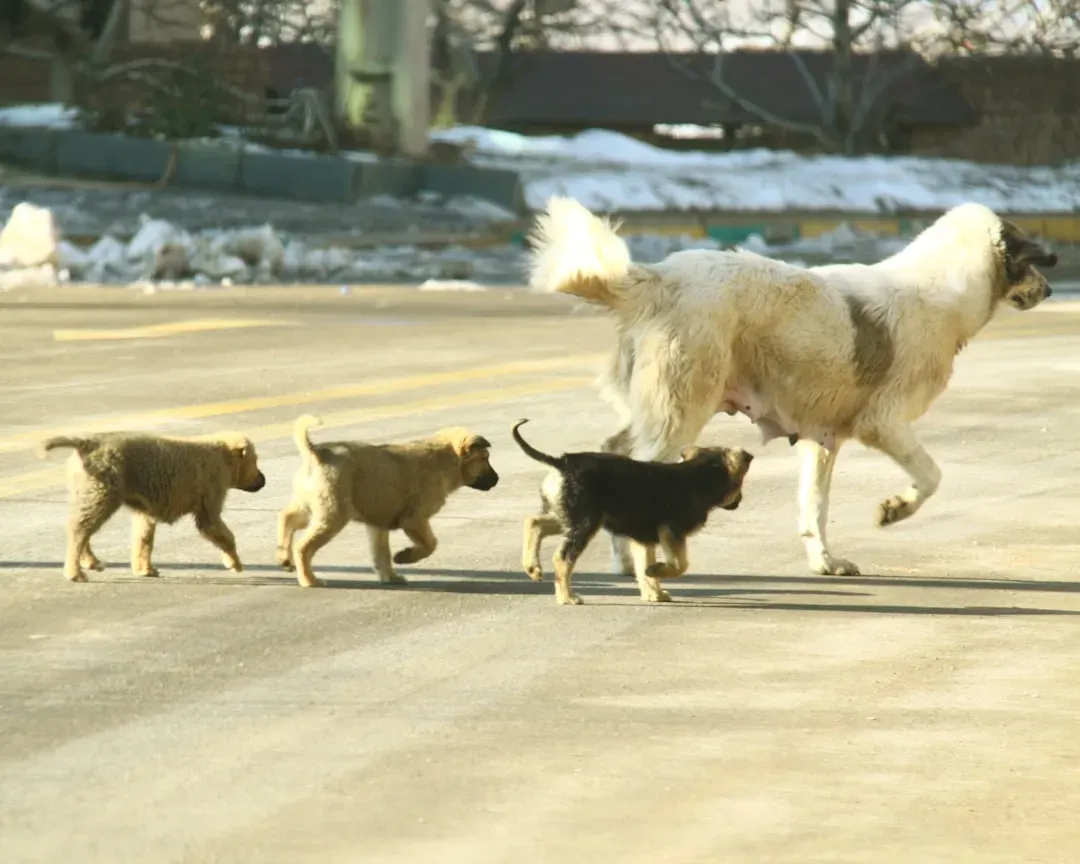
Here’s the thing most people miss. When your dog nudges your toddler back toward the living room or circles the dinner table until everyone sits down, it isn’t throwing its weight around. Your dog’s herding instinct and behavior is instinctually provoked by movement, not an attempt to demand attention or misbehave. That’s a crucial distinction, and it changes everything.
For thousands of years, people around the world have relied on dogs to move other animals from pasture to pasture or back to the barn, and those abilities don’t come from training but rather from instinct. Think of it like a musician who hears a melody and can’t help but hum along. Your dog hears the “music” of scattered movement and responds the only way it knows how.
Herding dogs share an innate physical and mental aptitude to move livestock, and generations of intensive selective breeding have amplified predatory instincts such as eye staring and chasing while effectively minimizing the natural inclination to kill prey. The result? A dog that is wired to gather, guide, and protect, but without an aggressive bone in its body.
Which Dogs Are Most Likely to Do This?
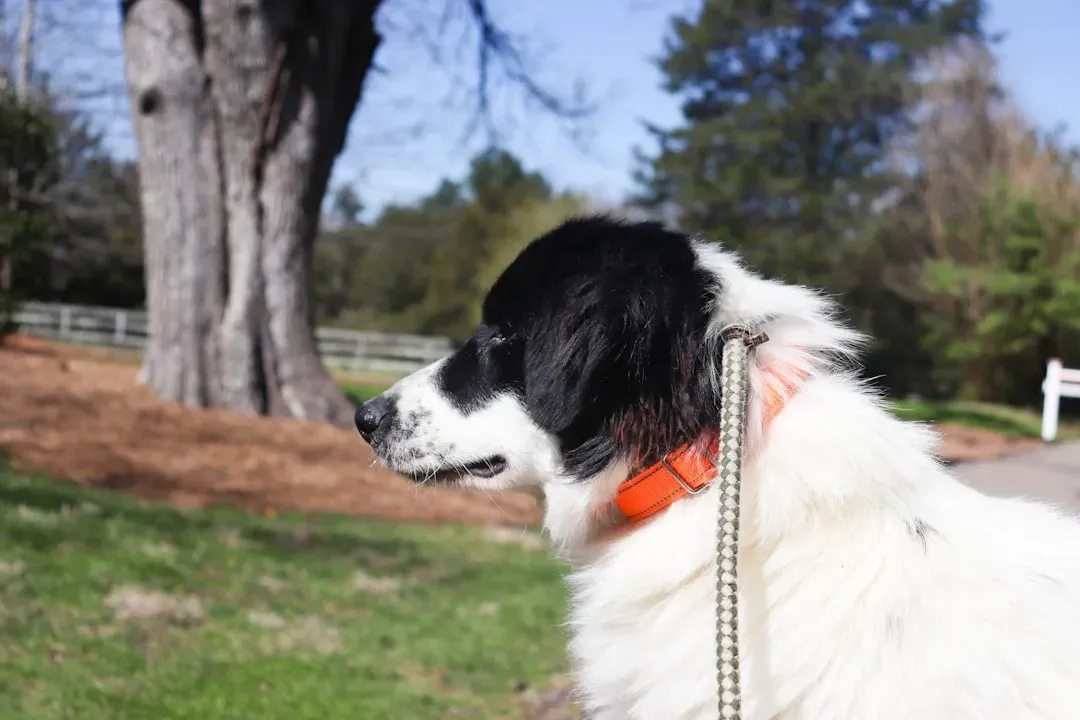
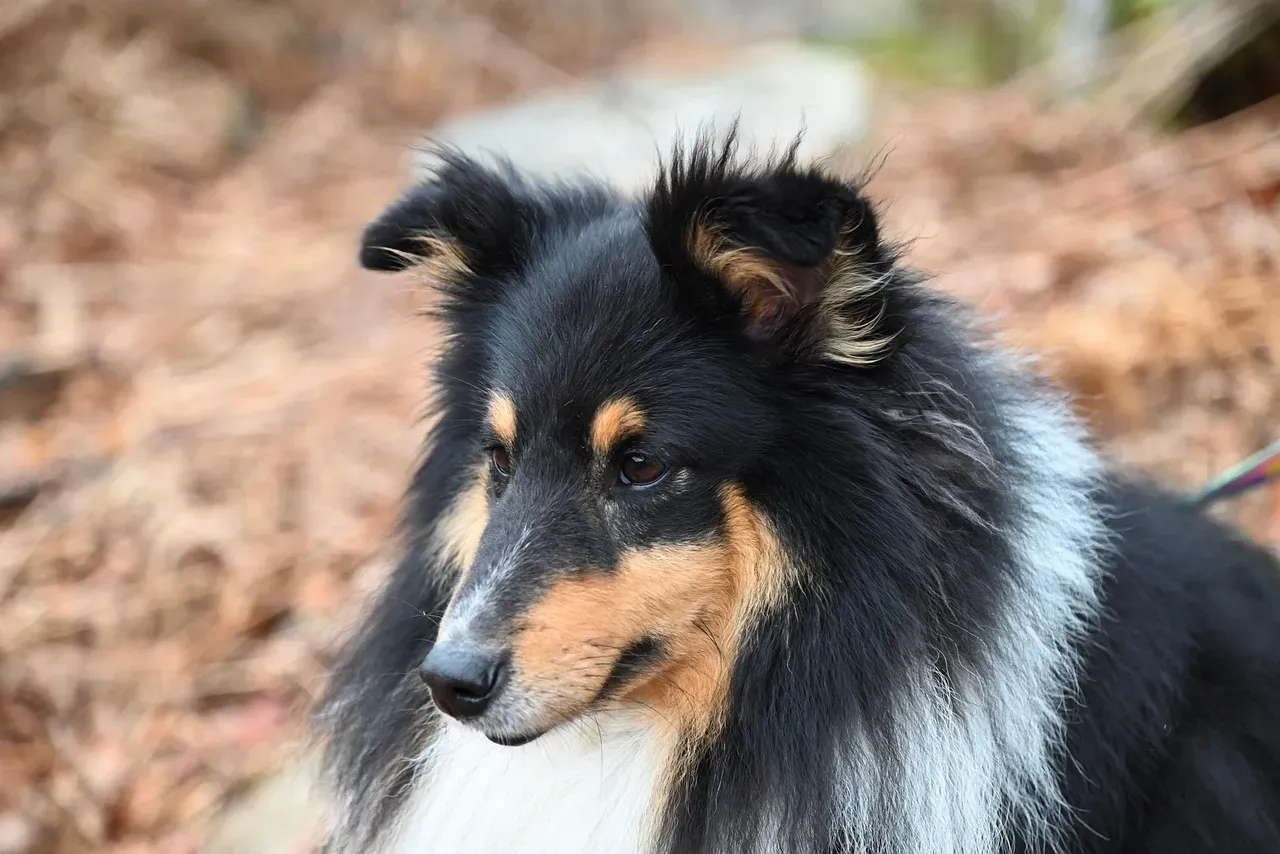
The American Kennel Club lists 32 recognized herding breeds, and these smart, industrious dogs share an innate ability to control the movement of other animals. Since they were each bred over the course of hundreds of years to herd particular animals in particular environments, these tendencies can vary. Border Collies, Australian Shepherds, German Shepherds, Shetland Sheepdogs, and even the stubby-legged Welsh Corgi are all classic herding candidates.
If you have a mixed-breed or adopted dog that is extremely athletic, hard-working, focused, fast-learning, and loyal, the chances are it has some herder in its bloodline. So don’t assume your rescue mutt is off the hook just because nobody handed you a breed certificate.
Border Collies herd livestock by getting in front of the animals and using a strong eye to stare down the animals and control their movement, while Australian Cattle Dogs are famous for nipping heels to get things moving. Honestly, I think watching breed-specific herding styles is one of the most entertaining rabbit holes in dog behavior.
Reading the Behavior Cues at Home
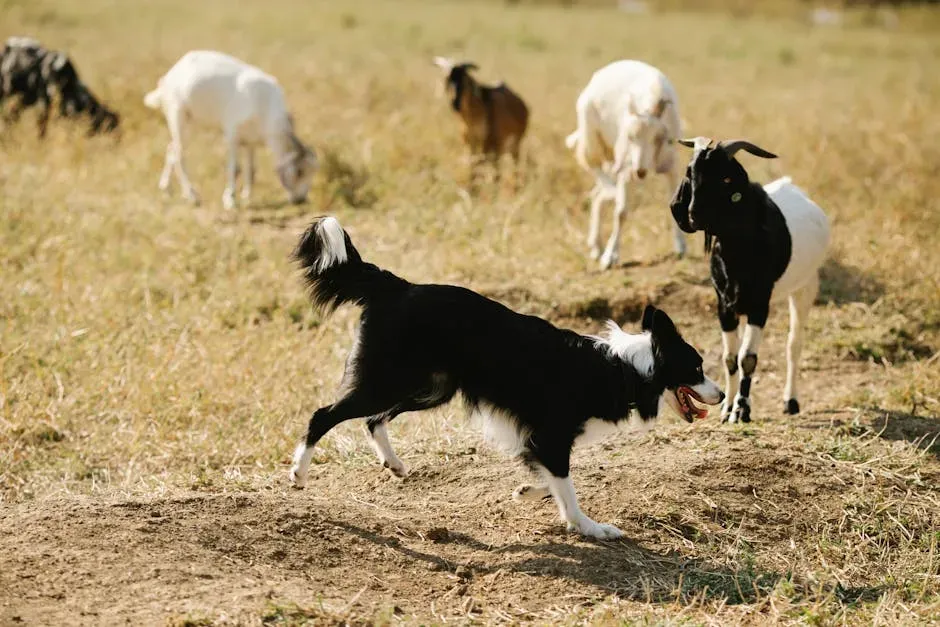
Herding breeds may display behaviors such as staring, stalking, and chasing, which are remnants of their natural instinct to control and guard. When you notice your dog fixating on something or adopting a low, stealthy stance, it’s important to recognize these as cues of their herding nature, because such behaviors provide insight into how your dog is feeling and what they might need.
Another common herding behavior is nipping and biting, most often at the heel, and this behavior is often triggered when your herding dog is chasing a person and manages to catch up, often during play. It can feel alarming, especially with small children around, but it’s genuinely not aggression. It’s a misplaced workplace skill.
Thanks to their insanely loyal nature, it’s very common for herding dogs to follow their owners from room to room, and as they’re quite alert, they’ll probably notice that you’re about to start moving even before you actually stand up. Sound familiar? That shadow following you to the bathroom at 2 AM? Herding dog at work.
When Herding Becomes a Problem (and What to Do)
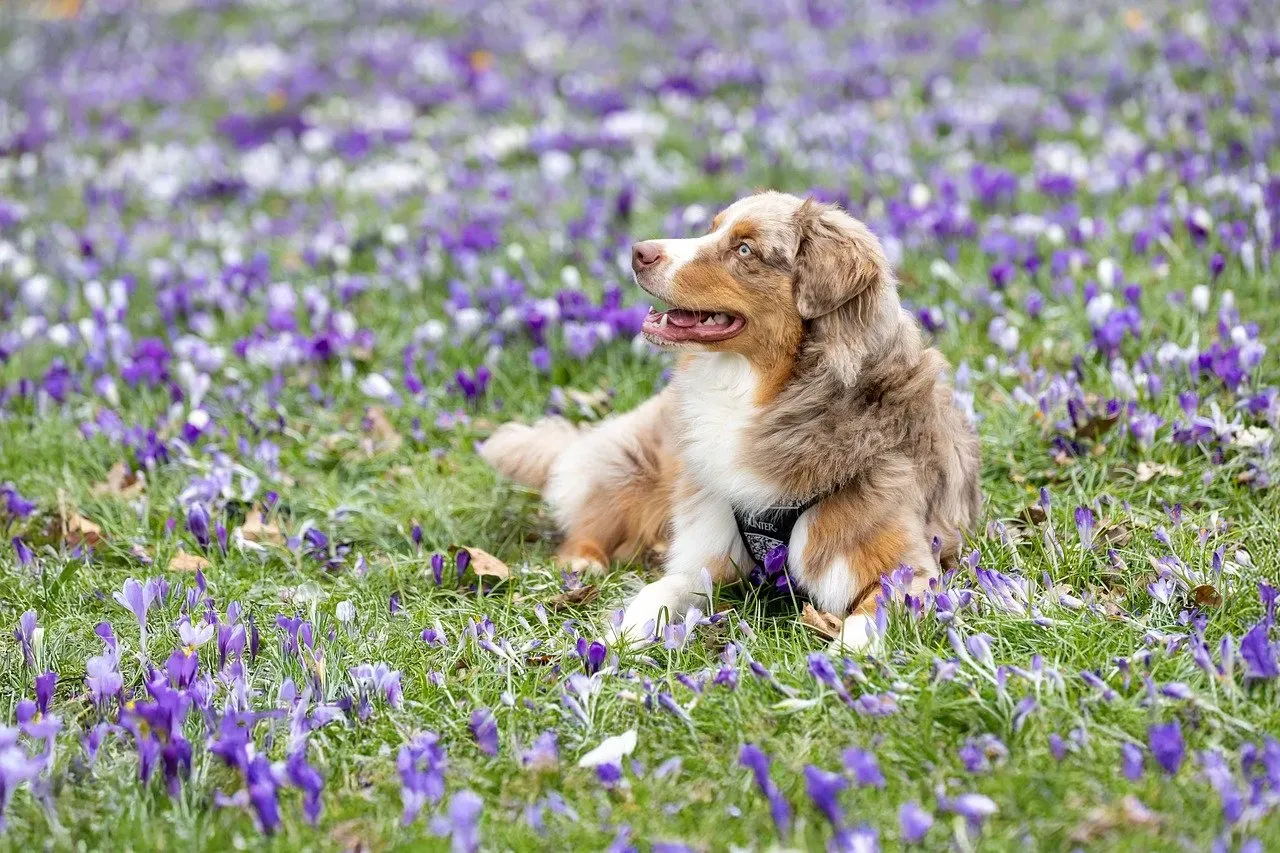
Herding behavior can prove problematic inside and outside the home when not managed correctly. Although herding dogs aren’t typically aggressive, their actions can be viewed as aggression by someone who doesn’t know dogs. This is especially worth keeping in mind if guests or young children are regularly in your home.
When dogs, particularly those from herding breeds, are under-stimulated, they may channel their pent-up energy and sharp intelligence into herding behaviors directed at other animals, objects, or even family members, and this behavior is their way of seeking engagement and purpose. Think of it like a brilliant colleague with nothing to do all day. Things get weird fast.
Socialization plays a big role in how a dog acts on their herding instincts, and positive socialization done early in a herding dog’s life can ensure they see humans and other animals as family rather than “cattle.” Early investment in socialization is genuinely one of the best gifts you can give a herding breed puppy.
How to Channel That Herding Energy Into Something Wonderful
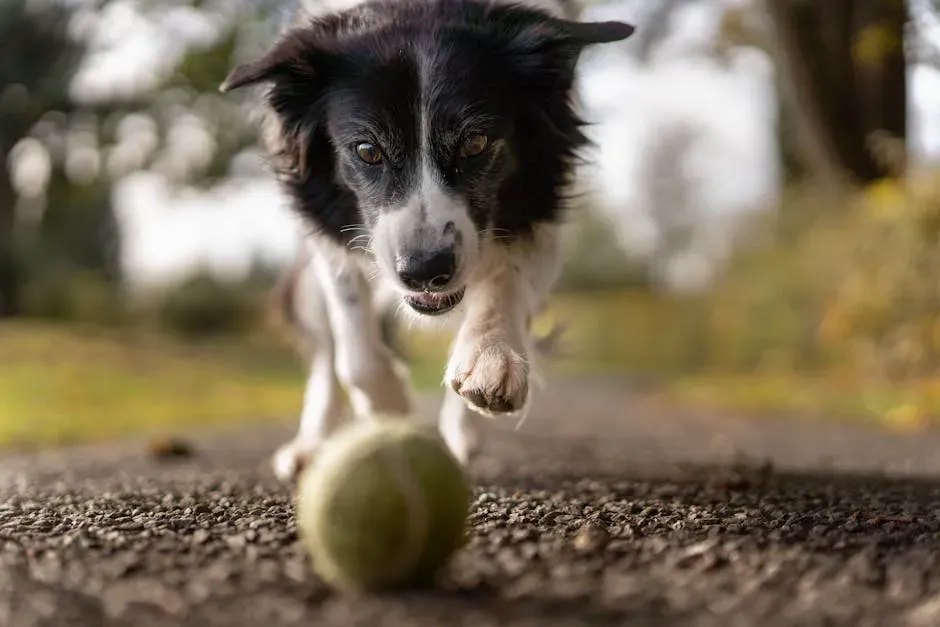
Since it’s innate, you can’t “fix” a dog’s herding behavior. However, you can employ positive training and other approaches to help manage their actions. Let’s be real, you wouldn’t want to erase it completely anyway. That drive is what makes these dogs so dazzling to live with.
Positive reinforcement is vital in training herding dogs. Using treats, praise, and play to reward desired behaviors makes training more enjoyable for both of you, strengthens your bond, and encourages your dog to repeat those good behaviors. Consistency is everything here. Same words, same routine, same expectations every single time.
Games and sports like flyball, treibball, and dog agility competitions are full of herding breeds, whose brains and speed make them excellent at fast-paced competitive sports. If your dog is obsessed with fetch, flyball will provide intense positive feedback for their natural instincts, and for highly intelligent dogs, agility will keep them engaged and even bolster your bond. It’s a win all around.
Conclusion: Your Dog Isn’t Controlling You, They’re Completing You
There’s something quietly extraordinary about a dog that, at its very core, just wants the whole family together in one place. No one missing. No stragglers. Everyone accounted for. It sounds less like a bossy dog and a lot more like love expressed in the only language they know.
Understanding your herding dog means seeing past the circling, the nudging, and the occasional ankle nip, and recognizing the ancient, beautiful drive underneath it all. Herding dogs are known for their deep loyalty to their family members, and it isn’t just about following commands. It’s about forming a bond built on trust and mutual respect, and whether it’s a Border Collie, an Australian Shepherd, or a Corgi, expect a companion that’s genuinely devoted to the well-being of their human pack.
So the next time your dog starts doing laps around the living room to get everyone gathered before dinner, maybe instead of sighing, you stop and appreciate it. You’ve got a four-legged family manager who takes their job very, very seriously. What do you think about it? Does your dog herd your family too? Tell us in the comments!


