
Picture this: you’ve asked your dog to sit three times, your voice is getting tighter with each repetition, and your dog is staring at something across the yard like you don’t exist. Your first instinct? “He’s being stubborn again.” It’s one of the most common things dog owners say, and it’s also one of the most inaccurate.
The truth is, dogs don’t do stubborn. Not in the way we mean it. They don’t dig in their heels out of spite or decide to ignore you for personal satisfaction. What looks like defiance is almost always something else entirely – confusion, distraction, fear, or a simple breakdown in communication between two species who genuinely want to understand each other. Once you shift that perspective, everything changes.
The “Stubborn” Label Is Holding You Both Back
Many people chalk up their training roadblocks to stubbornness, and even certain breeds as a whole can be mistakenly labeled as too stubborn to train. In reality, stubbornness is a human characteristic. What looks like a dog refusing to cooperate out of spite may in reality be a dog who is struggling to understand, or a dog who needs a different approach.
Dogs do what works for them, and when they aren’t doing what we ask, they have a good reason. When your dog doesn’t respond to your cue, perhaps he’s come to associate it with something aversive, perhaps he doesn’t understand what you’re asking, or perhaps he’s too distracted or stressed and your request doesn’t even register in his brain.
What we perceive as a stubborn streak in certain dog breeds is actually a complex interplay of genetics, evolutionary history, and breed-specific traits that have been deliberately selected for over generations. Science tells us that so-called stubborn breeds aren’t being deliberately difficult; rather, they’re often displaying exactly the traits they were bred to exhibit. When we understand the biological and evolutionary foundations of these behaviors, we can approach training and management with greater empathy and effectiveness.
Being on a so-called stubborn breeds list isn’t because these breeds are actually stubborn. It’s because they’re generally absorbed by other things, such as Bloodhounds being ruled by their noses, or they’ve been developed to have an independent personality, like terriers. Labeling a dog as stubborn closes a door that curiosity and patience would keep wide open.
Your Dog Is Talking All the Time – You Just Need to Listen
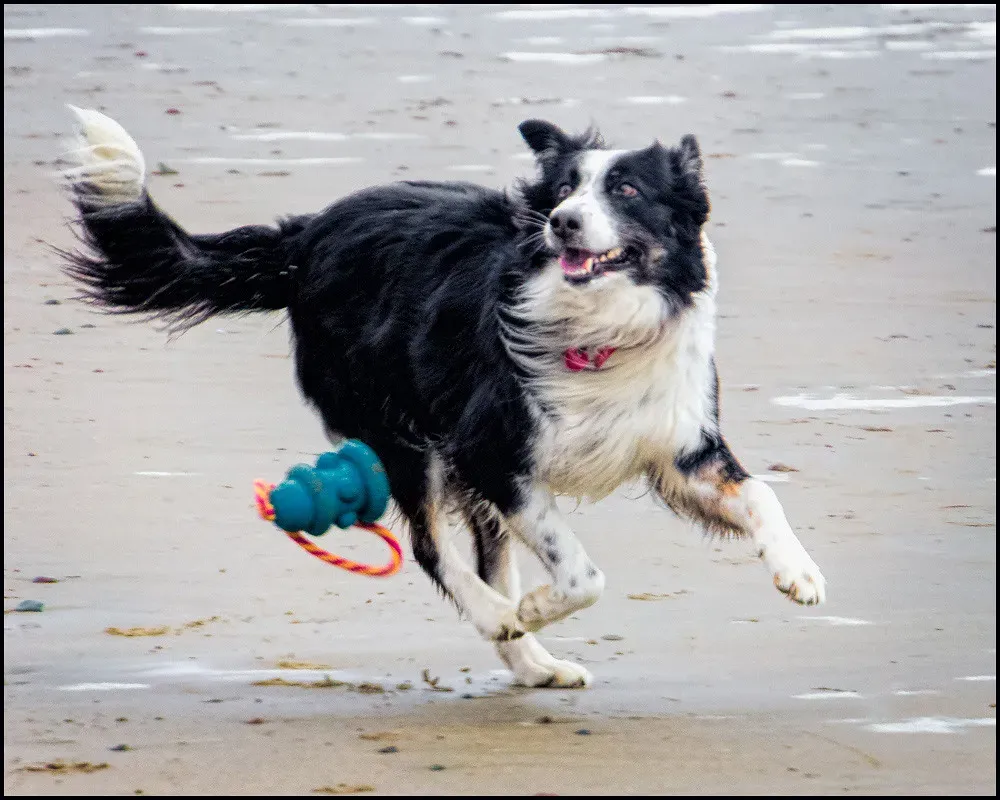
Dogs communicate using a complex language of body signals that reflect what they’re thinking and feeling. They use these signals to communicate intent, as an attempt to increase or decrease distance from something or someone, and as a way of showing their comfort or discomfort. Learning what dogs are saying with their signals and actions helps them adjust better to living with humans, and is important for safety.
No dog body language signals act alone. They’re all part of a package. So, when you read a dog’s communication, look at every signal the dog is using from the tail height to the eye shape. That means the whole picture matters – not just the wagging tail or the flattened ear in isolation.
People yawn when they’re tired or bored, but dogs yawn when they’re stressed. According to Turid Rugaas, author of “On Talking Terms With Dogs: Calming Signals,” dogs use yawning to calm themselves in tense situations and to calm others, including their owners. Similarly, lip-licking is another bit of dog body language that people often misinterpret. Just like people, dogs will lick their lips after a delicious meal, but they’ll also do it when they feel anxious. Sometimes the tongue flick is so quick it’s tricky to notice. Your dog isn’t signaling a desire to lick your face. Rather, it’s a sign of discomfort with a given situation.
Animals speak all the time, as spoken through their body language, but many times their messages are misunderstood or go unheard. As a result, a dog may be placed in a situation or interaction where they’re uncomfortable, but if polite requests for help or requests for space go unheard, their body language and behavior may escalate to a louder shout – think: lunge or growl – to get others to listen. Attending to the early signs of fear, anxiety, and stress is essential for deepened relationships, safer living with dogs, and helping dogs live happier, healthier, fuller lives.
That “Guilty Look” Isn’t What You Think It Is

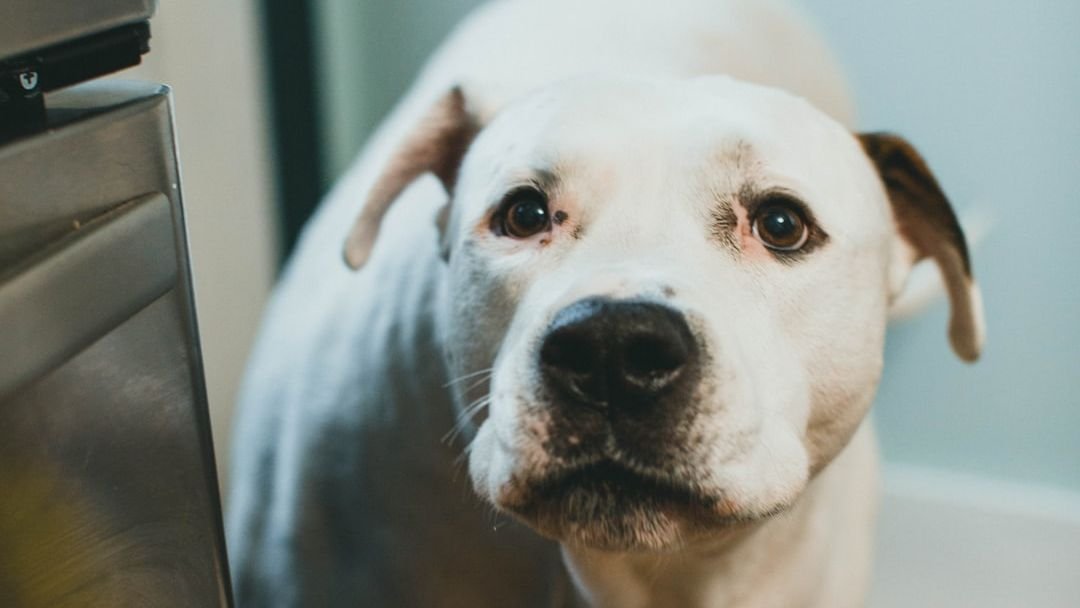
You come home, find a chewed pillow on the floor, and your dog skulks toward you with drooping eyes and a tucked tail. Guilty, right? Not quite. When you discover your favorite slippers have been destroyed or your new sofa has been scratched, you naturally respond with a scowl, a sigh, or maybe even a shriek. Your dog immediately responds with a posture that you interpret as guilt, but is actually an appeasement or submissive posture and does not reflect the emotion of guilt. Appeasement postures communicate a desire to avoid confrontation. This posture suggests that your pet is uncomfortable with your communication.
A 2009 study examined “guilty” canine expressions. Dog cognition scientist Dr. Alexandra Horowitz coordinated the research, where observers discovered that dogs would display “guilty” body language more frequently when their owners scolded them than when the owners remained neutral – regardless of whether the dogs had actually done anything wrong. That’s a telling finding. The “guilt” isn’t tied to the act at all.
Scolding dogs often does not decrease future undesirable behavior. If anything, the “guilty look” could just become more exaggerated over time as your confused companion enters an anxious cycle of destruction and appeasement. The more you understand this cycle, the easier it becomes to step out of it.
The “guilty look” is therefore a survival mechanism – an appeasement gesture intended to diffuse a perceived threat from an angry owner. It is a reaction to the owner’s anticipated or actual anger, not an admission of wrongdoing or an expression of guilt. Responding with patience instead of frustration isn’t just kinder. It’s more effective.
When “Won’t Listen” Really Means Something Else
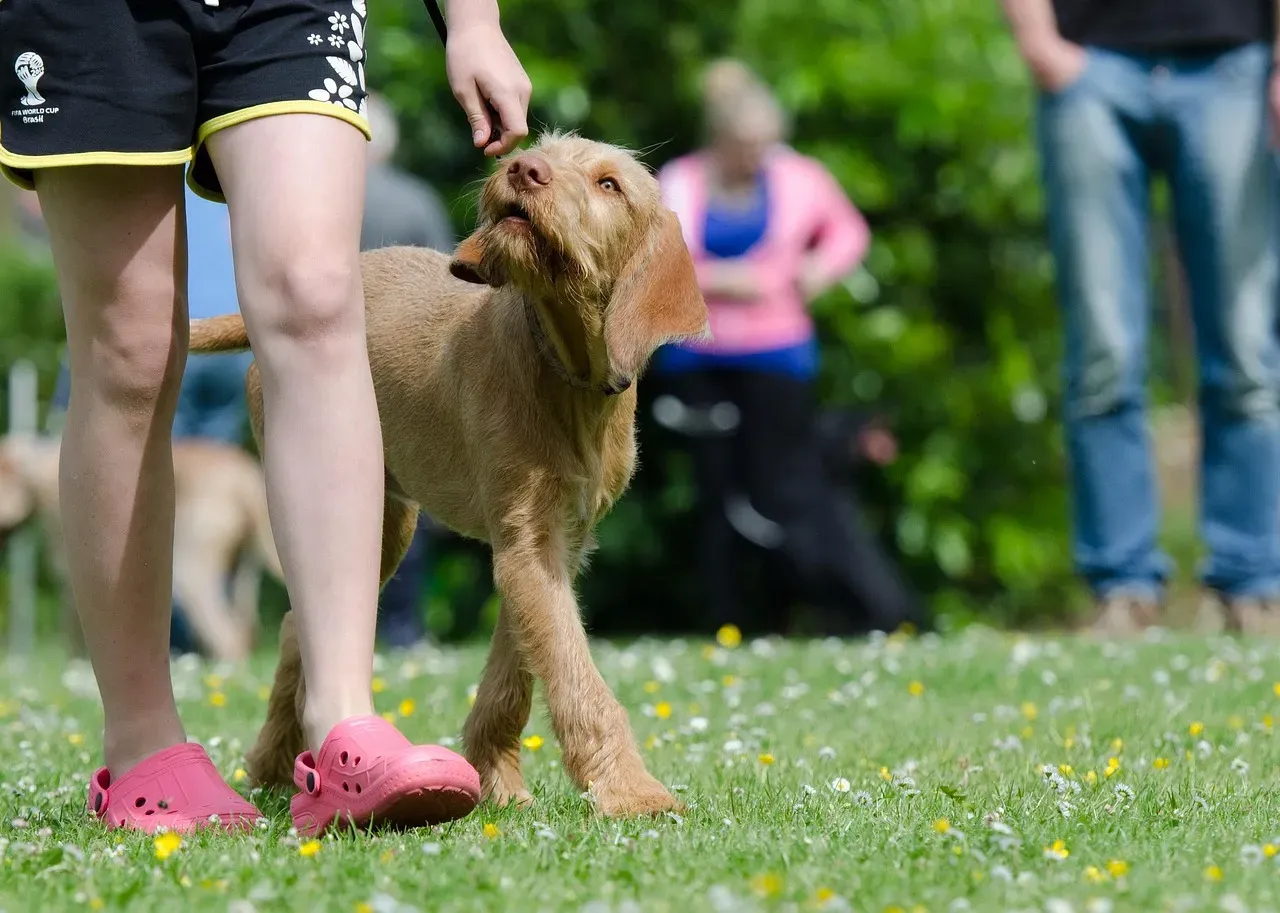
There’s an important question worth asking every time your dog doesn’t respond to a cue: did they actually understand what you were asking, in this context, in this environment? The most common reason dogs don’t listen is that they simply don’t generalize very well. Rather than assuming the worst about our dogs, we should understand that they usually understand how to perform specific behaviors, in specific locations, with specific cues.
If your dog listens at home but not outside, they aren’t being stubborn – they’re struggling with distractions. Start in a low-distraction area. Train new behaviors at home before moving to the backyard, then a quiet park, and then a busy street. Use higher-value rewards in distracting environments. If kibble works at home, use chicken or cheese when training outside.
Sometimes a dog just physically can’t do what we ask them to. Or an underlying physical problem has ignited the fuse on a behavior problem we want them to stop. A dog who suddenly stops sitting on command, for example, could be dealing with joint pain or muscle discomfort. Definitely if there is a sudden behavior change, rule out any underlying health issue that could be the root cause.
Sometimes your dog can be a source of stress, but whatever the reason, if you’re feeling frustrated, your bad mood will shut down your dog and make it difficult for them to listen or learn. What might seem like stubborn behavior is actually your dog reacting to your tone of voice and body language. Dogs are watching us far more closely than we realize.
Building Better Communication Through Positive Training
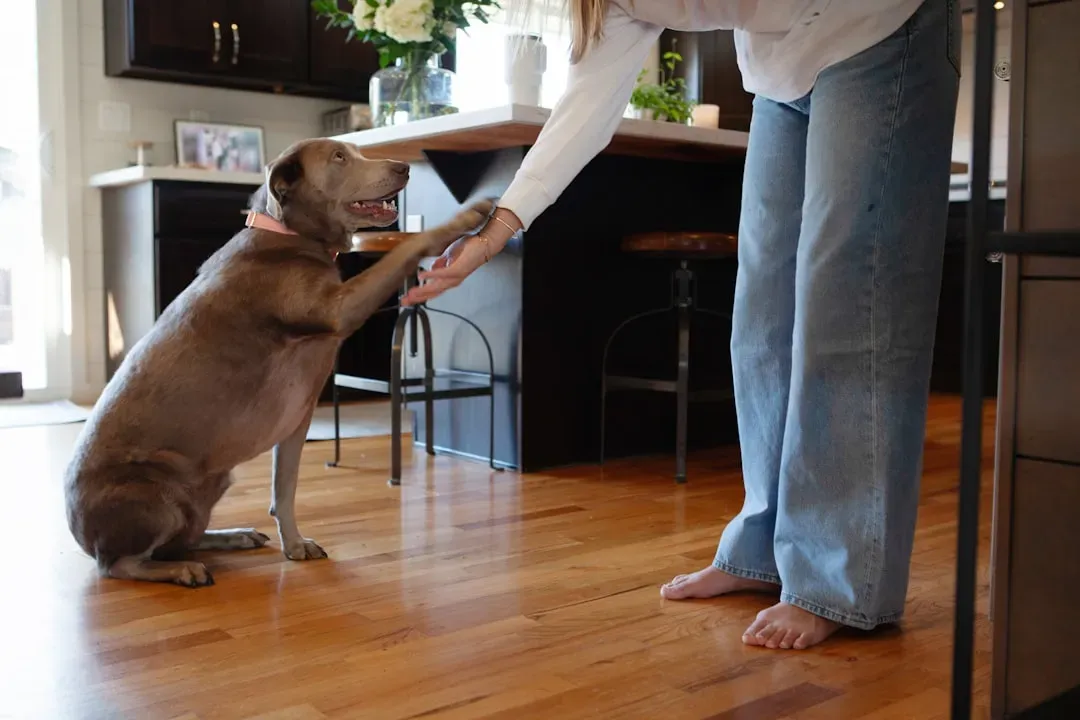
Once you let go of the stubborn label and start asking better questions, the path forward becomes clearer. Modern behavioral and cognitive science has shown that positive reinforcement is the safest and most effective way to train dogs. Because positive training motivates a dog with rewards, this can change the way a dog feels about a certain situation and increases the chance that she will make the right choices. The coping skills she has learned help her navigate the world successfully and creates a feeling of comfortable predictability.
When dogs receive a treat or praise, their brains release dopamine, a neurotransmitter associated with pleasure, reward, and motivation. Over time, the behavior that leads to this pleasurable outcome becomes more ingrained, thanks to these neurochemical pathways. Building trust and confidence through positive reinforcement not only trains a specific behavior but also fosters a deeper bond between the pet and the owner. Dogs trained with positive methods tend to be more trusting and less fearful.
Correct timing is essential when using positive reinforcement training. The reward must occur immediately – within seconds – of the desired behavior, or your pet may not associate it with the proper action. This is where a lot of well-meaning owners stumble. The timing gap between the behavior and the reward is often what creates confusion, not the dog.
Your dog is “talking” to you all the time. If you learn what your dog is saying, you will develop a deeper bond of trust and respect. Plus, your newfound understanding of your dog’s emotional state can help you predict their behavior and prevent problems before they arise. That’s not just good training. That’s a genuinely better relationship.
Conclusion: Understanding Is the Real Training Tool
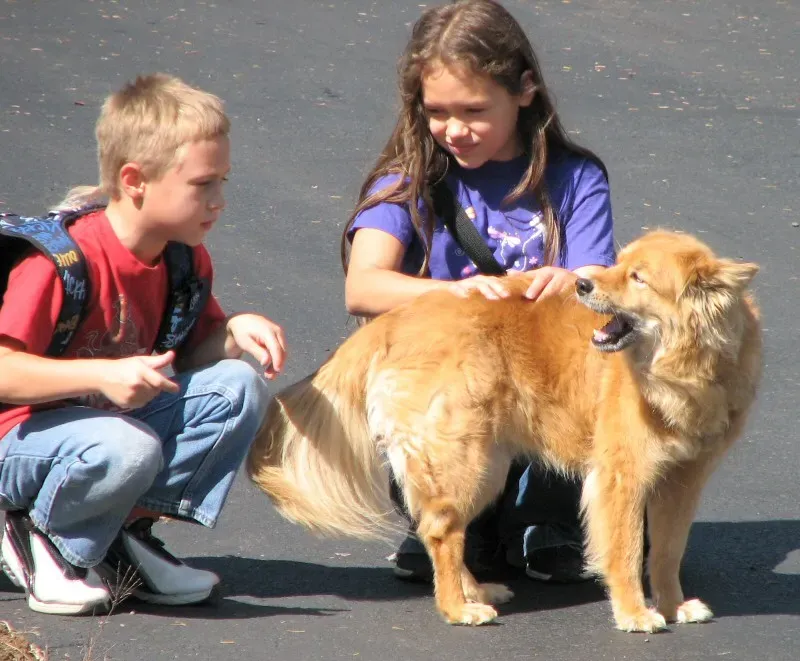
The dogs we label as stubborn are often the ones trying the hardest to communicate something we haven’t learned to hear yet. Frustration, confusion, fear, overstimulation, and even pain can all look like defiance from the outside. The difference between an owner who struggles and one who thrives usually comes down to perspective.
You don’t need a perfectly obedient dog to have a great relationship. You need a dog who feels understood, and an owner who’s curious enough to keep learning. Understanding your dog’s body language is one of the most powerful ways to improve communication, reduce stress, and build trust. When you can recognize what your dog is feeling, you can respond with confidence and compassion.
The next time your dog seems to be ignoring you, pause before frustration sets in. Ask what they might be telling you instead. That small shift in thinking is often where the real training begins.


