
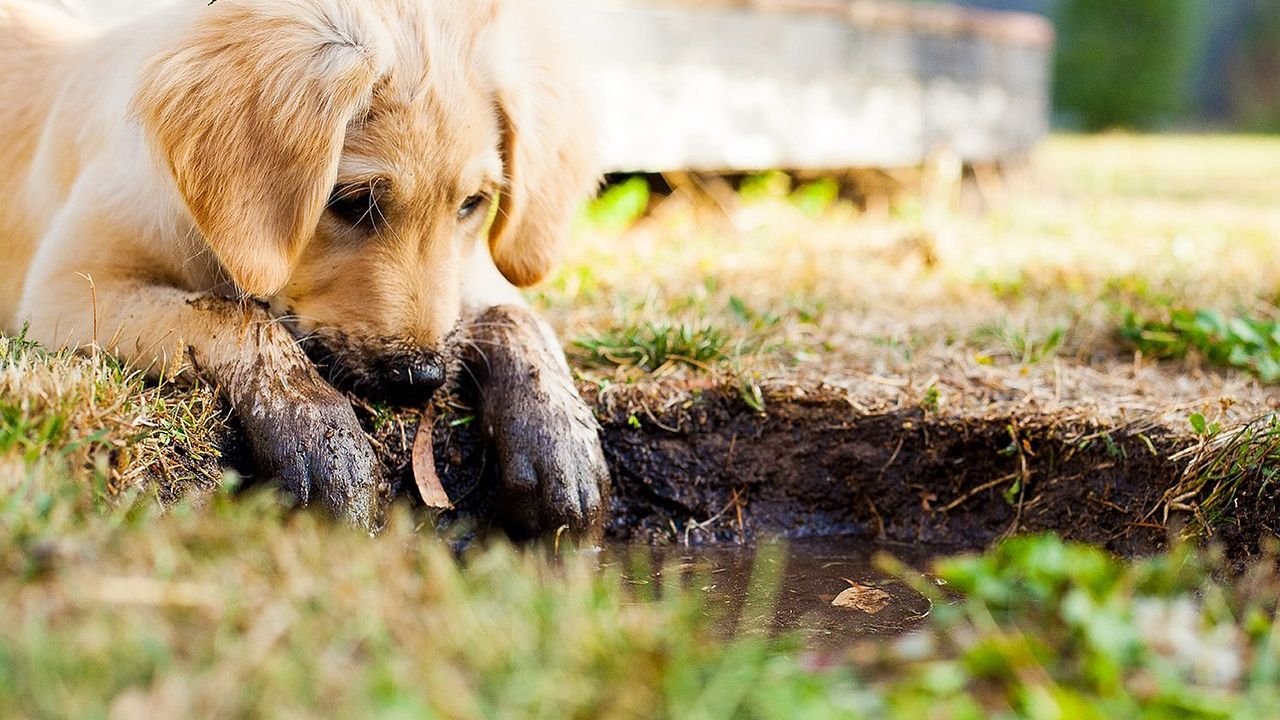
Picture this: you’ve asked your dog to sit at least five times. You’re standing there with a treat in your hand, your voice creeping louder with each request, and your dog is just… staring at you. Or worse, wandering off to sniff a blade of grass like you don’t even exist. It’s infuriating. Honestly, I know that feeling well.
But here’s the thing that changed everything for me – and for countless dog owners – once they truly understood it: your dog is not trying to be difficult. They are not plotting against you. They are not power-hungry little rebels. They are simply a different species, communicating in a completely different language, waiting for you to meet them halfway.
What we call “stubbornness” is almost always something far more interesting, and far more fixable, than pure defiance. Once you crack the code of how your dog actually thinks, communicates, and learns, everything shifts. So let’s dive in and change the way you see your best friend forever.
The “Stubborn” Label Is Hurting Your Dog More Than You Realize
Let’s be real – the word “stubborn” gets thrown around constantly in dog-owning circles. Many people chalk up their training roadblocks to stubbornness, and certain breeds can be mistakenly labeled as “too stubborn” to train. In reality, stubbornness is a human characteristic, and what looks like a dog refusing to cooperate may actually be a dog who is struggling to understand, or a dog who needs a different approach. That is a massive difference.
Many owners mistakenly believe their dog is being stubborn when they don’t comply with cues. Dogs do not think in terms of right and wrong like humans do. They repeat behaviors that lead to rewards and avoid behaviors that don’t. If your dog isn’t listening, it’s a motivation issue, not a stubbornness issue.
By thinking of your dog as stubborn, you may totally miss that your dog was trying to avoid something, was in pain, or didn’t really know what you wanted them to do. Labeling them is like putting a lid on a conversation before it even starts. Stop the label. Start the curiosity instead.
Dogs Speak a Silent Language – Are You Listening?
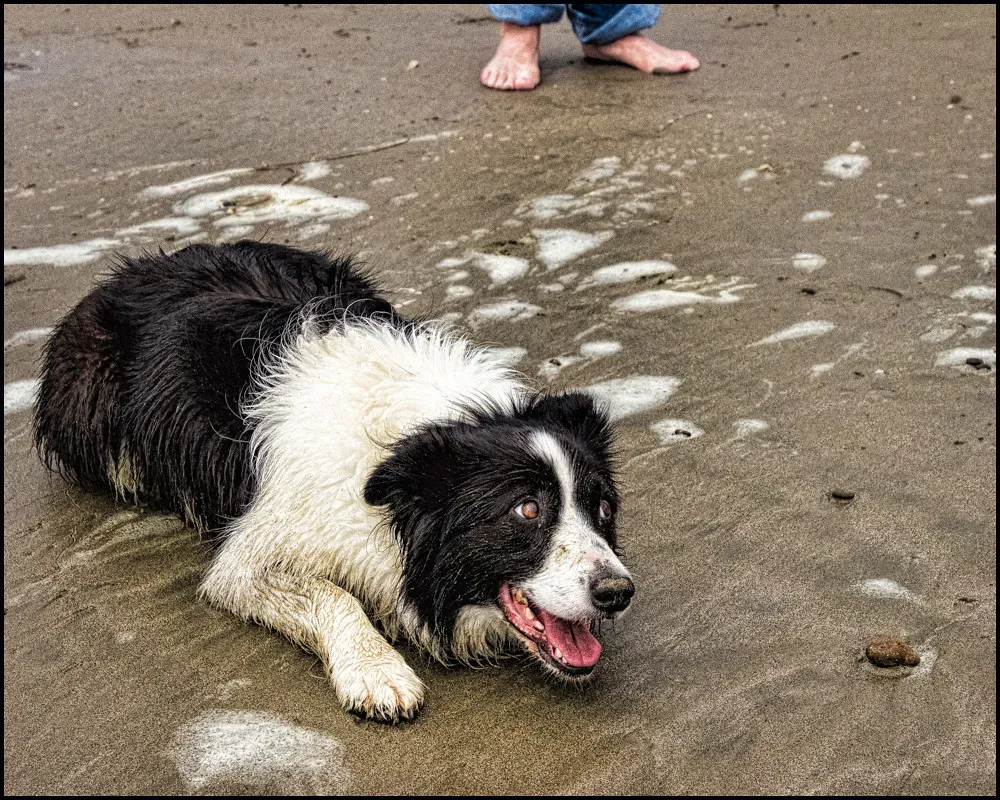
Here is something that quietly blows people’s minds when they first hear it. Unlike in people, canine body postures and olfactory cues are significant components of dog language, while vocal communications are less significant. People are listeners; dogs are watchers. We are wired so differently from our dogs, it’s almost like we’re from different planets.
Dogs are constantly communicating through body language, facial expressions, and energy, but most humans miss the vast majority of these signals. Think about that for a second. Your dog is having a full-on conversation with you every single day, and most of us are barely catching a word of it.
Dogs communicate how they feel through body language – including their ears, eyes, mouth, posture, and tail – and understanding these signals helps prevent fear, stress, and bites while strengthening your bond. That tail wag, that yawn, that subtle lean away – every one of those is a sentence. Learning to read them is like finally getting a dictionary for a language you’ve been surrounded by your whole life.
What Your Dog Is Really Saying When They “Ignore” You

You call your dog’s name and they look away. Rude, right? Not quite. When dogs feel stressed, they deliberately avert their gaze, avoiding eye contact. Although humans may misinterpret this behavior as defiance, the dog is expressing discomfort. It’s the canine equivalent of saying, “I need a moment, things feel a bit tense right now.”
Consider yawning. People yawn when they’re tired or bored, but dogs yawn when they’re stressed. So when your dog yawns mid-training session, they are not bored of you – they are trying to self-soothe. Stressed dogs often avoid eye contact or look at the trigger, then quickly look away. A distressed dog might perform exaggerated yawns, sneeze, or lick their lips frequently, and they might even shake their bodies as if their coat is wet.
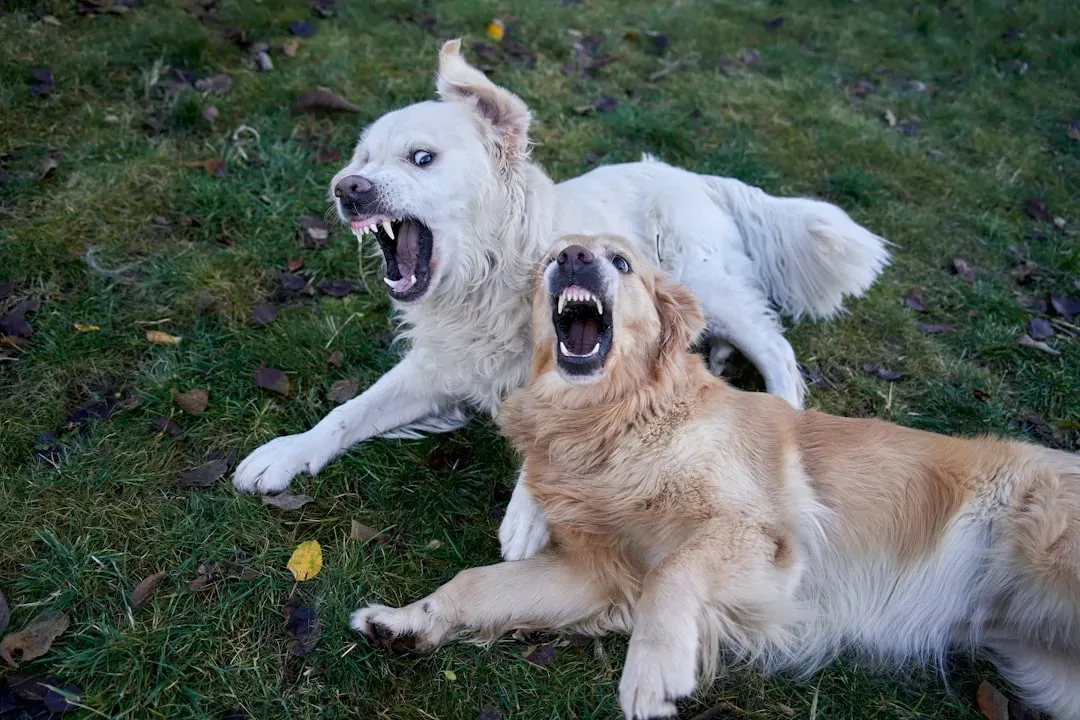
Animals speak all the time through their body language, but many times their messages are misunderstood or go unheard. As a result, a dog may be placed in a situation where they’re uncomfortable, and if polite requests for space go unheard, their behavior may escalate to a louder response – think a lunge or a growl – to get others to listen. What starts as a whisper becomes a shout, simply because no one was paying attention.
Your Dog Isn’t Defiant – They’re Distracted, Confused, or Overwhelmed

Most dogs are not actually stubborn. They are either scared, distracted, or confused. Those issues can all be solved with positive reinforcement training. I know it sounds crazy, but that’s genuinely it. There’s no secret defiant personality lurking beneath the surface.
If you’re feeling frustrated, your bad mood will shut down your dog and make it difficult for them to listen or learn. What might seem like stubborn behavior is actually your dog reacting to your tone of voice and body language. Dogs are emotional mirrors. They pick up on our frustration and respond to it, not to our commands. It’s a loop we create without even realizing it.
Dogs that are over threshold are, on a psychological and physiological level, unable to control themselves, and are not “disobeying” us intentionally. They are in a reactionary state and unable to think clearly. Imagine being asked to solve a math problem while someone screams in your ear. That’s what it feels like for a dog who’s already overwhelmed. Lower the difficulty first, then build back up gradually.
Breed Instincts Aren’t Stubbornness – They’re Who Your Dog Was Born to Be
Some breeds are famous for their so-called stubborn attitude. Lists of the most stubborn dog breeds often include the Afghan Hound, the Parson Russell Terrier, the Siberian Husky, and the American Bulldog. But this isn’t because these breeds are actually stubborn. It’s because they’re generally absorbed by other things, such as Bloodhounds being ruled by their noses, or they’ve been developed to have an independent personality, like terriers.
Different breeds are bred for different purposes. If you have a dog inclined to hunt prey, giving them outlets like playing with a flirt pole as a training reward or engaging in a sport like barn hunt will help them have appropriate outlets for their instincts – benefits both of you. It’s vitally important to your dog’s wellbeing and training success to learn about their genetic predispositions and give them appropriate outlets.
Honestly, calling a Beagle “stubborn” for following a scent trail is like calling a fish stubborn for wanting to swim. It might seem like your dog isn’t reward-motivated, but they are incredibly reward-motivated. They tell you loud and clear what they’re motivated by all the time. If you’re busy thinking of those motivations as problems instead of opportunities, you won’t see it. Work with the dog you have, not the one you imagined.
The Language Bridge: How Positive Training Actually Builds Real Communication
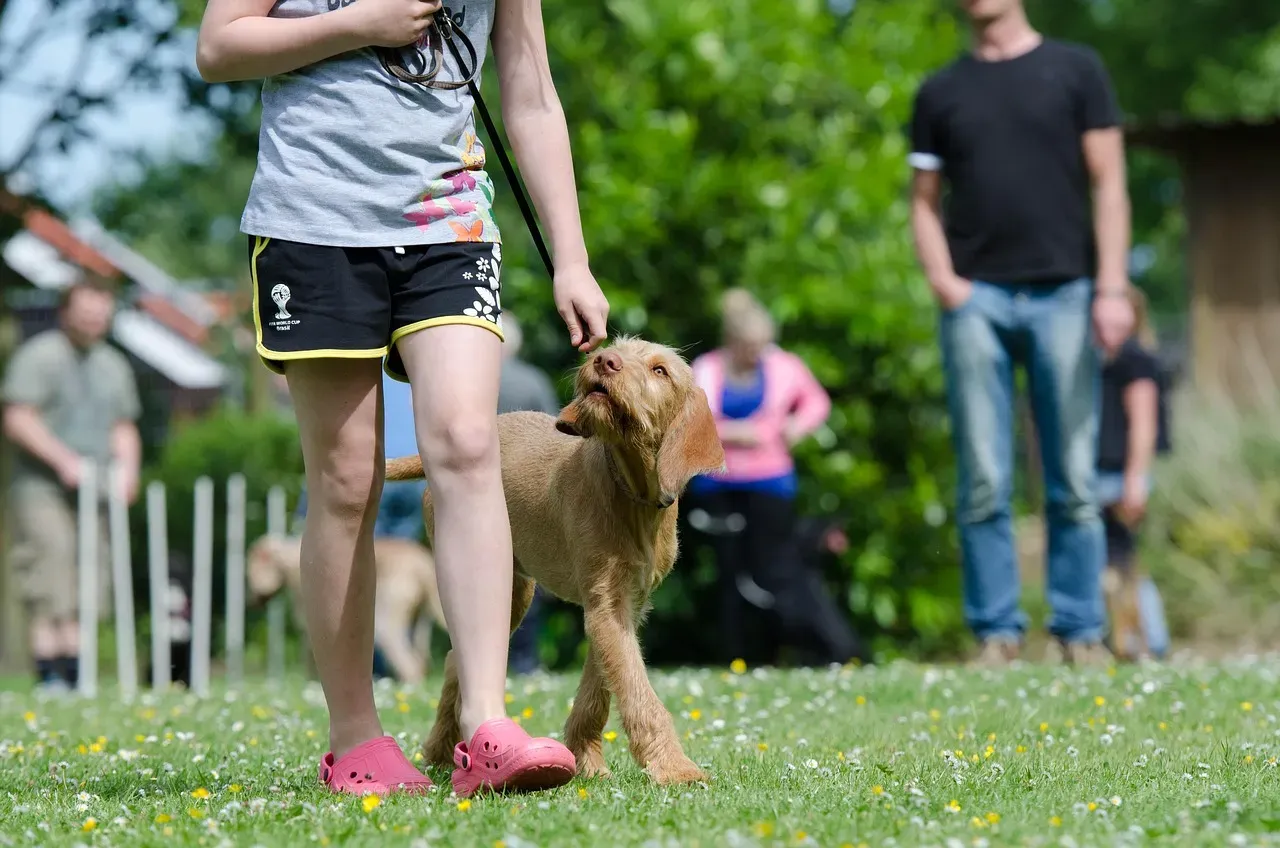
Here’s where things get genuinely exciting. Both science and professional experience overwhelmingly support reward-based training. Dogs trained through positive reinforcement learn faster, tend to show fewer stress behaviors, and form more trusting relationships with their handlers. It’s not soft, it’s not bribery – it’s science doing exactly what it’s supposed to.
A focus on rewards not only influences dog behavior but teaches dogs to love training. Without fear of doing the wrong thing, your dog can become an active participant in the training process. They’ll start trying new things, get plenty of mental exercise, and actively look for ways to earn rewards. Plus, instead of just learning what not to do, they learn what you expect in each situation.
Dogs learn best when reinforcement happens immediately after the desired behavior. A reward given even three seconds too late might reinforce something unintended. Use a marker word like “Yes!” or a clicker to pinpoint the exact moment your dog does the right thing. Precision is the secret ingredient most people skip. Think of the click or the “yes” as a spotlight, landing right on the exact moment your dog gets it right.
A New Conversation Starts Today
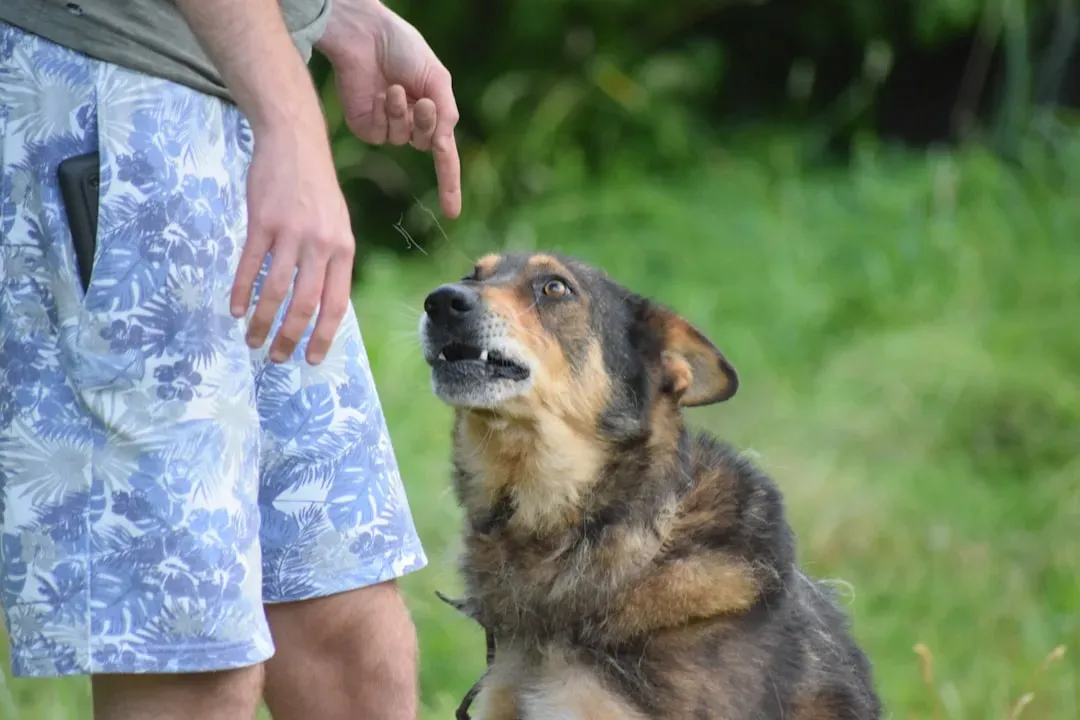
The relationship between you and your dog is not a power struggle. It never was. It’s a conversation that got tangled up somewhere along the way, mostly because we assumed our dogs understood our language rather than us learning theirs. Your dog is “talking” to you all the time. If you learn what your dog is saying, you will develop a deeper bond of trust and respect. Your newfound understanding of your dog’s emotional state can also help you predict their behavior and prevent problems before they arise.
The shift is simpler than most people expect. Watch more. React less. Replace frustration with curiosity. When your dog “doesn’t listen,” ask yourself: are they confused, overwhelmed, or simply motivated by something else in that moment? Positive reinforcement not only trains a specific behavior but also fosters a deeper bond between the pet and the owner. Dogs trained with positive methods tend to be more trusting and less fearful. That trust is everything.
Your dog has been trying to tell you something all along. They were never stubborn – they were waiting for you to learn just a little bit of their language. Now that you’re starting to, everything changes. What part of your dog’s behavior do you see differently now? Drop your thoughts in the comments – we’d genuinely love to hear your story.


