Have you ever felt that sting of frustration when your dog walks right past you in the park, completely ignoring your call? Maybe you’ve chalked it up to stubbornness, rebellion, or even disrespect. That hurts, doesn’t it? You feed them, love them, give them belly rubs, and yet there they go, acting like you’re invisible. Here’s the thing though: your dog isn’t being difficult on purpose.
They’re not plotting against you or testing your patience. Most of the time, they simply don’t understand what you’re asking. Dogs are brilliant communicators in their own language, with all their tail wags and ear positions and body shifts. Yet we expect them to decode our human words and gestures like they’re fluent in English. The gap between what we think we’re saying and what our dogs actually hear can be surprisingly wide. Let’s dive into why your best friend might be missing your cues and how you can bridge that communication gap.
The Myth of the Stubborn Dog
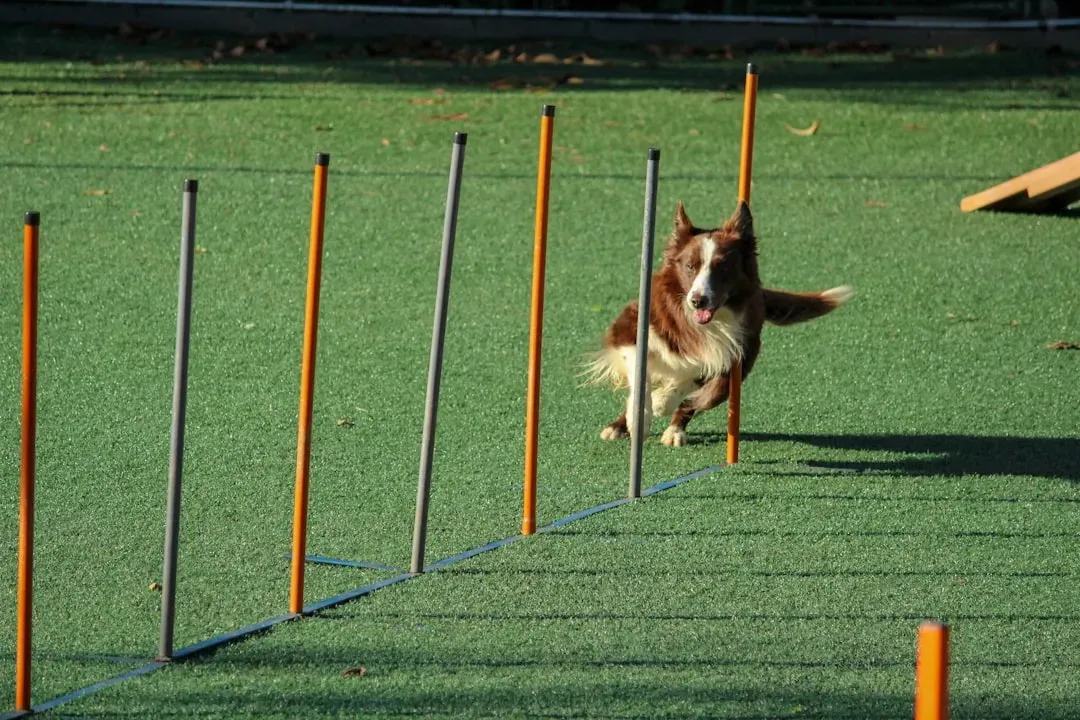
Let’s be real: the word stubborn gets thrown around way too much when it comes to dogs. Your dog isn’t manipulating or disrespecting you, despite what old school training books might suggest. Think about it from their perspective. Dogs are all about efficiency and they want to know the fastest way to get what they want.
If your dog truly understood how to earn that treat or your praise, wouldn’t they just do it? Dogs aren’t sitting there thinking about how to annoy you. They’re trying to figure out the puzzle you’ve presented. When they don’t respond, it’s usually because the message got lost in translation, not because they’re being defiant. That’s a huge mindset shift, and honestly, it changes everything about how we approach training.
Dogs Don’t Generalize the Way We Do
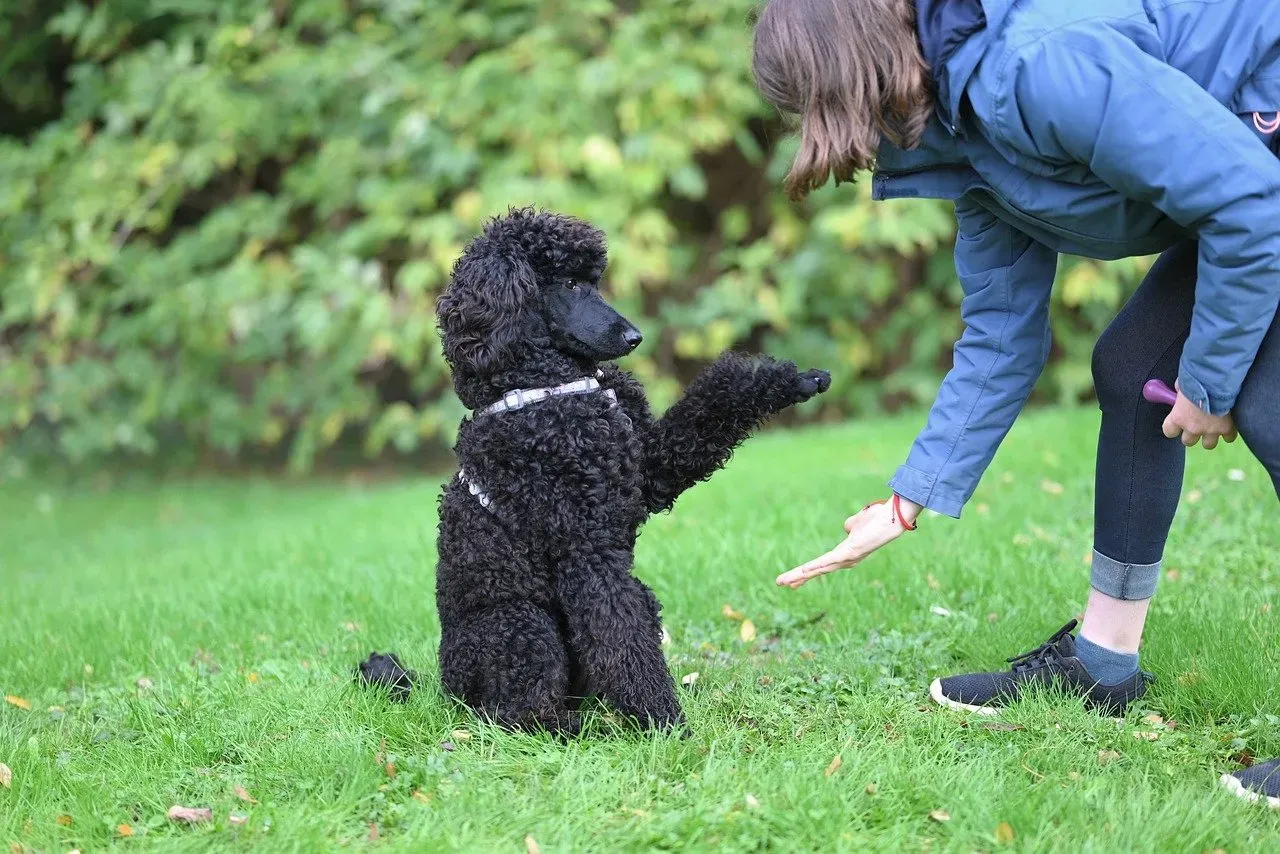
Dogs don’t naturally generalize well and they often associate commands with specific locations or individuals. Your dog might sit perfectly in your living room with a handful of treats, but take them to the dog park and suddenly it’s like they’ve never heard the word before. This isn’t stubbornness or selective hearing.
Dogs don’t automatically understand that sit means the same thing at the dog park surrounded by all their friends as it does in the living room when you’ve got a handful of hotdogs. Their world is full of context clues we don’t even notice. The smells, the sounds, the environment, even who’s giving the command all factor into whether they understand what you want. Training in multiple locations with varying levels of distraction is the only way to help them truly learn a behavior.
Your Timing and Consistency Matter More Than You Think
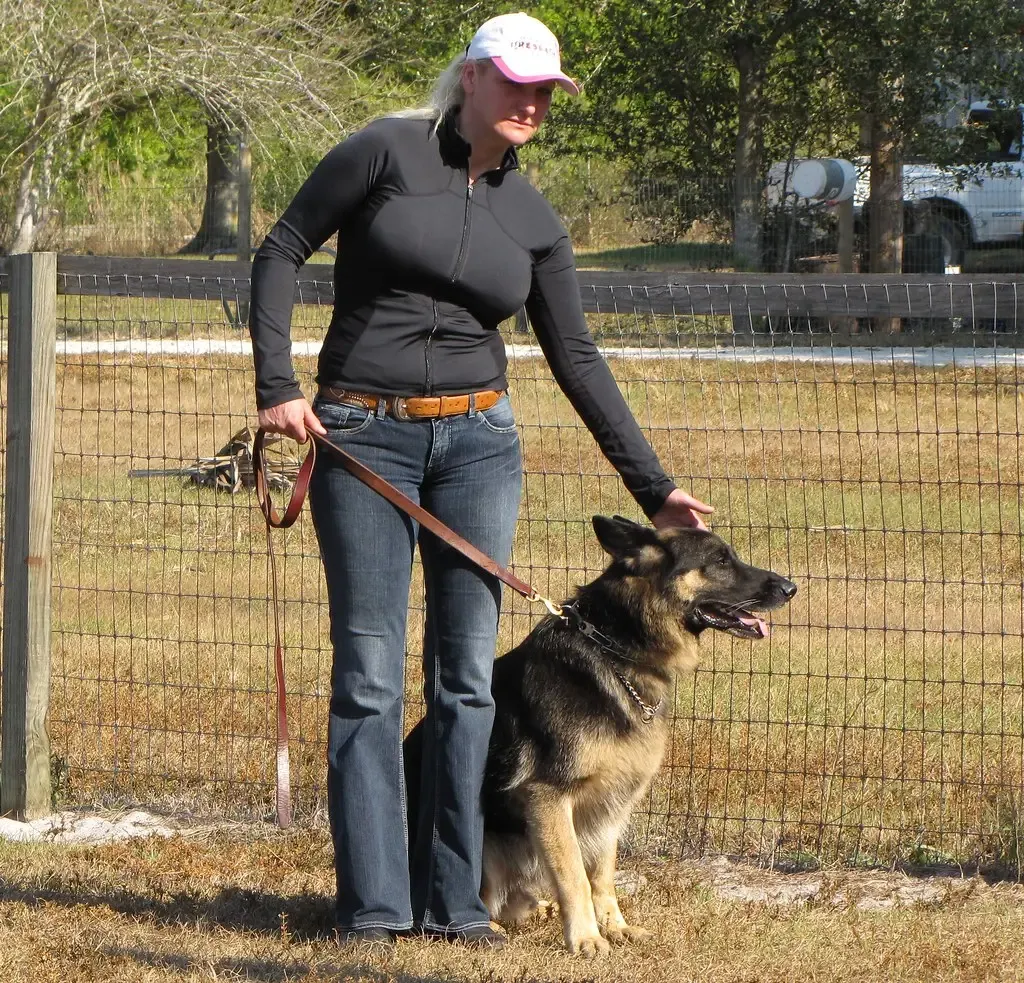
Timing plays a crucial role when using positive reinforcement and rewards should be given immediately after a correct action to help dogs link the behavior with the reward quickly. Even a delay of just a few seconds can confuse your dog about what exactly earned them that treat. Were they sitting? Looking at you? Sniffing the ground?
Inconsistent training methods can confuse dogs because they thrive on routine and mixed signals. If sit sometimes means sit and sometimes means lie down, or if different family members use different words for the same command, your dog is stuck trying to decode an ever changing puzzle. Consistency isn’t about being rigid, it’s about being clear. Use the same words, the same hand signals, and reward the same behaviors every time until your dog truly understands what you’re asking.
You Might Be Speaking a Language They Don’t Understand

Unlike in people, canine body postures and olfactory cues are significant components of dog language while vocal communications are less significant, because people are listeners but dogs are watchers. We tend to rely heavily on verbal commands, talking to our dogs like they’re little humans. They’re not. Dogs are masters of reading our nonverbal cues including our tone of voice, body posture, hand gestures, and even our facial expressions.
Your dog might be responding more to your frustrated body language than your actual words. If you’re tense, leaning forward, or using a harsh tone, that communicates something entirely different than the calm sit you think you’re asking for. Using clear concise verbal cues and consistent hand signals is important, and you should avoid repeating commands endlessly. Say it once, then help your dog understand through gentle guidance rather than nagging.
The Poisoned Cue Problem Nobody Talks About

Here’s something that might surprise you: what you’re dealing with might be a poisoned cue, and poisoned cues are more common than you think and often the culprit when a dog is thought to be stubborn. We frequently call our dogs and then do unpleasant things to them such as give them a bath, lock them in their crate, or make them stay inside when they were having fun outside, and if coming to you means unpleasant things are going to happen they are going to avoid coming to you.
It’s possible that your dog has come to associate being called with being punished, because for your dog stopping the fun activity of running around the yard could seem like punishment, and if you consistently use the recall command to end their fun without rewarding them you are creating a negative correlation. The good news? This can be fixed. You need to rebuild that cue from scratch with a new word and make sure coming to you is always followed by something wonderful, even if it’s just a quick game before they go back to playing.
Environmental Factors You’re Probably Overlooking
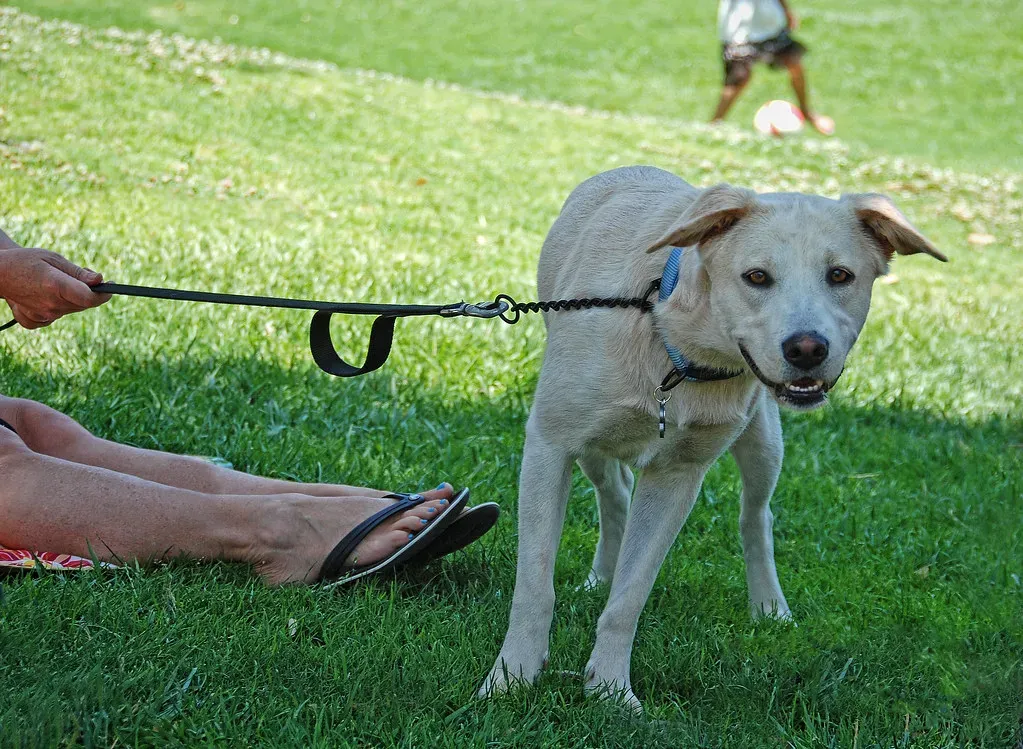
Distraction goes back to a dog that doesn’t have adequate training, and many trainers hear things like my dog listens great till he sees a squirrel. Gradually exposing dogs to distractions helps improve their concentration over time by starting with mild distractions like distant noises or few people around and slowly increasing the complexity of their surroundings through desensitization.
Think about how hard it is for you to concentrate when there’s construction noise outside or when you’re hungry. Now imagine you’re a dog with senses far more acute than ours, surrounded by fascinating smells and sounds and movements. If your dog is in a calm headspace and still isn’t responding to your cues that’s a sign that you haven’t practiced enough in that environment or your reinforcers are too low value to compete with everything else around them. Sometimes the environment is simply too overwhelming, and that’s not a failure on your dog’s part, it’s information for you about where to practice next.
Conclusion
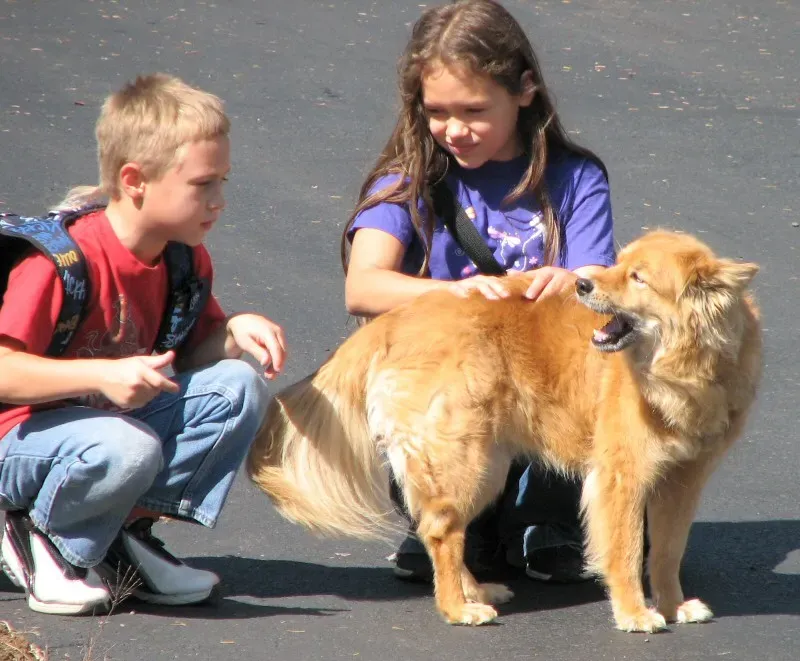
Your dog isn’t stubborn, willful, or trying to embarrass you at the dog park. They’re doing their best to understand a language that doesn’t come naturally to them. Dogs can only express themselves with their own canine communication, and new research reveals how dogs read our subtle cues, emotions, and intentions, suggesting that our canine best friends really understand us far better than we understand them. The responsibility falls on us to meet them halfway.
When you shift your perspective from my dog is being stubborn to my dog doesn’t understand yet, everything changes. You become a better teacher. You get less frustrated. Your relationship deepens. Training becomes a conversation rather than a battle of wills. So the next time your dog doesn’t respond to a cue, take a breath and ask yourself: have I made this clear enough? Have I practiced in this environment? Is something competing for their attention that I haven’t accounted for?
What changes will you make today to help your dog understand you better? Sometimes the smallest shift in how we communicate makes all the difference.
Monthly Backlinks
Friday 9th of January 2026
Thanks for your post here. One thing I'd like to say is the fact most professional areas consider the Bachelors Degree as the entry level standard for an online course. Whilst Associate College diplomas are a great way to get started, completing ones Bachelors starts up many doors to various occupations, there are numerous internet Bachelor Course Programs available coming from institutions like The University of Phoenix, Intercontinental University Online and Kaplan. Another thing is that many brick and mortar institutions give Online versions of their diplomas but often for a extensively higher payment than the institutions that specialize in online qualification programs.