
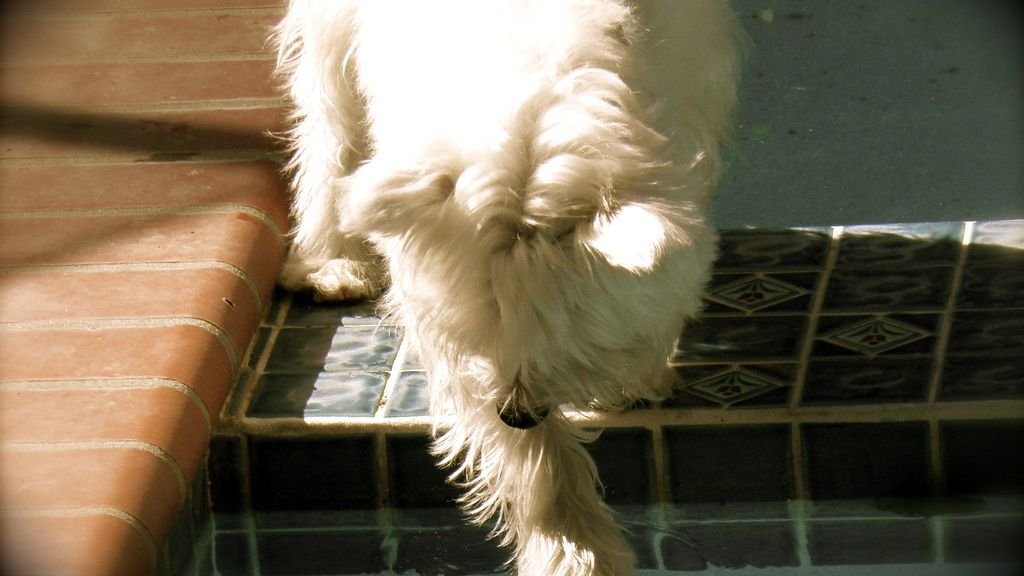
Picture this: your dog stares at the water bowl, then suddenly paws at it like it’s hiding treasure. Water splashes across the floor, and you sigh in frustration. Yet this quirky habit isn’t random chaos.[1][2]
Deep instincts drive this behavior, rooted in survival smarts from wild ancestors. They’re not just messing around. Let’s uncover the real reasons behind the pawing and what it means for your pup.
The Survival Instinct Kicking In
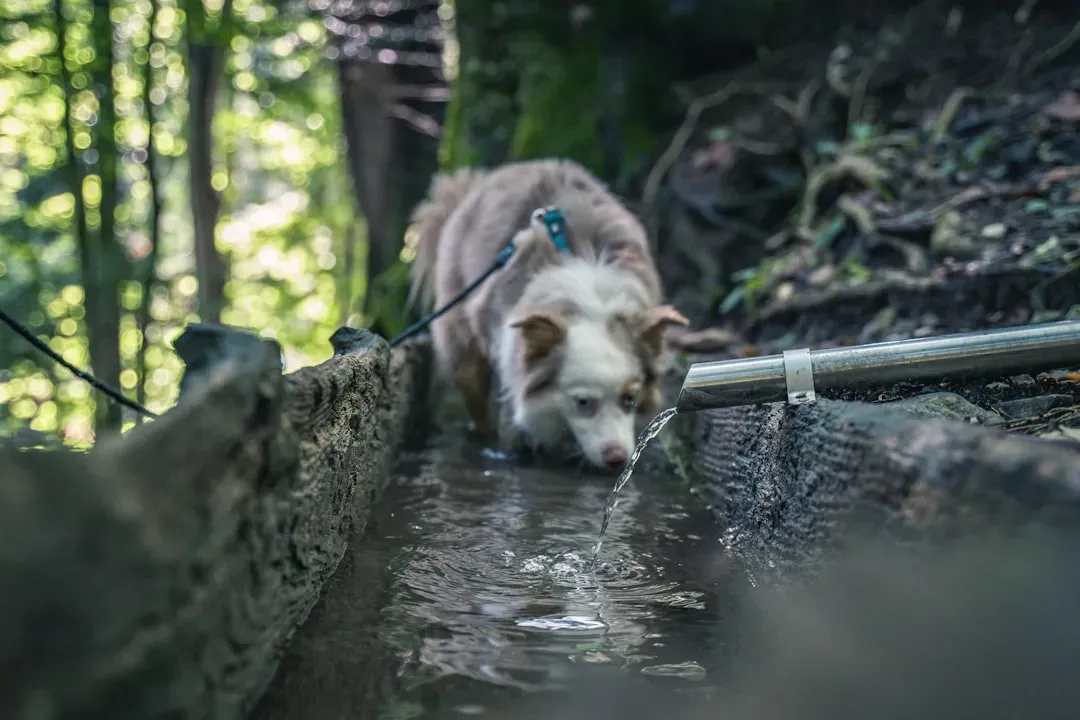
Dogs descend from wolves who drank from streams and rivers, not still bowls. Pawing mimics checking natural water sources for safety. This action stirs the water, revealing any debris or odd smells.[2]
Honestly, it’s fascinating how this ancient drive persists in our pampered pets. They test before trusting. Your living room bowl might look safe, but to them, it’s suspect until pawed.
Quality Check for Stagnant Risks
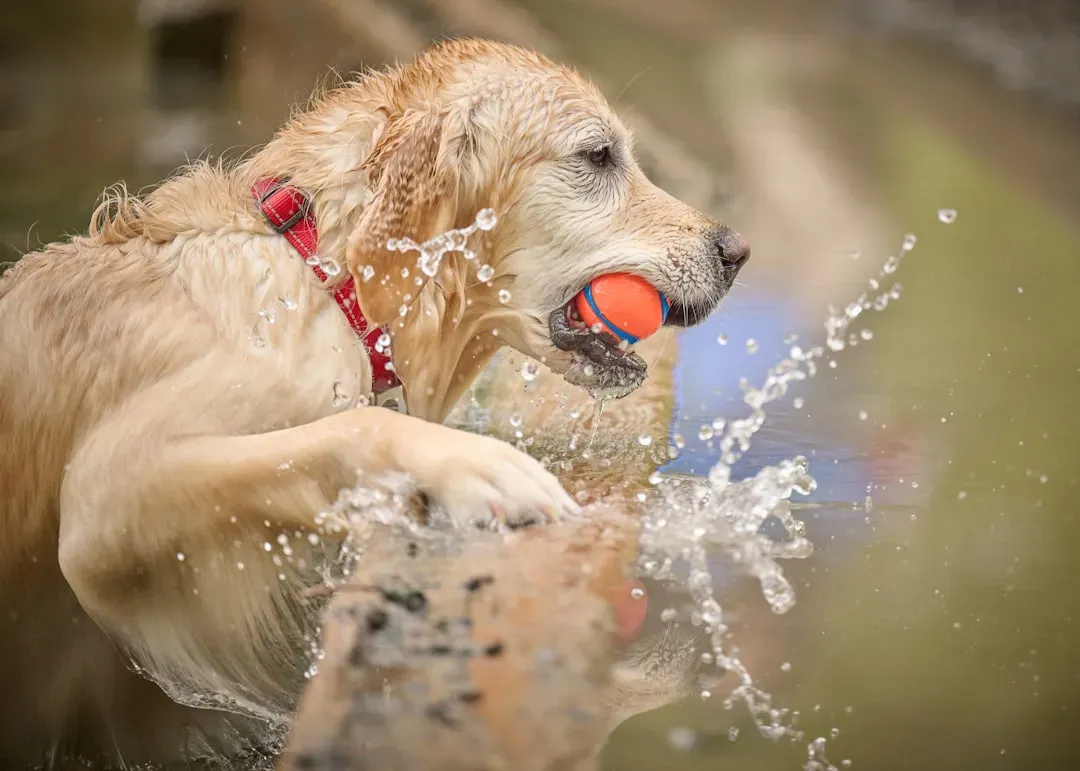
Still water breeds bacteria and parasites in the wild, a danger dogs instinctively avoid. By pawing, they aerate and inspect for contamination. Ripples help them sense if it’s fresh enough to drink.[2]
Think of it like dipping a toe in a pool before diving. Puppies especially experiment this way, learning textures and cause-effect. It keeps them safe, even if it floods your kitchen.
Most dogs outgrow excessive splashing, but the test remains.
Temperature Testing with Paws
Paws act as sensitive thermometers for dogs. They dip in to gauge if the water feels right, neither too cold nor hot. This prevents shocks to their system.[3]
On warm days, cool water tempts them more after a paw check. I once watched my neighbor’s lab do this religiously before lapping up. It’s practical, not playful folly.
Craving That Flowing Stream Feel
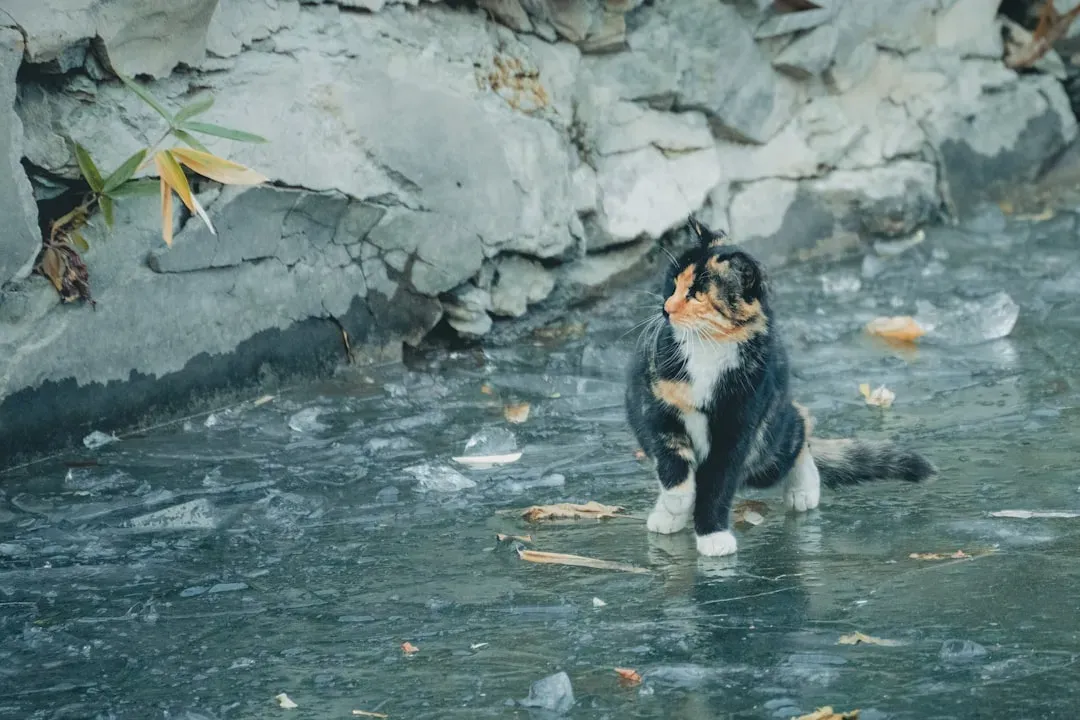
Many dogs shun motionless water, preferring the movement of rivers. Pawing creates ripples, activating their prey drive and making the bowl more inviting. It’s like turning a pond into a brook.[4][1]
This explains why fountains thrill them so much. Still bowls seem dead by comparison. Your pup’s just trying to liven things up instinctively.
Cooling Off When Overheated
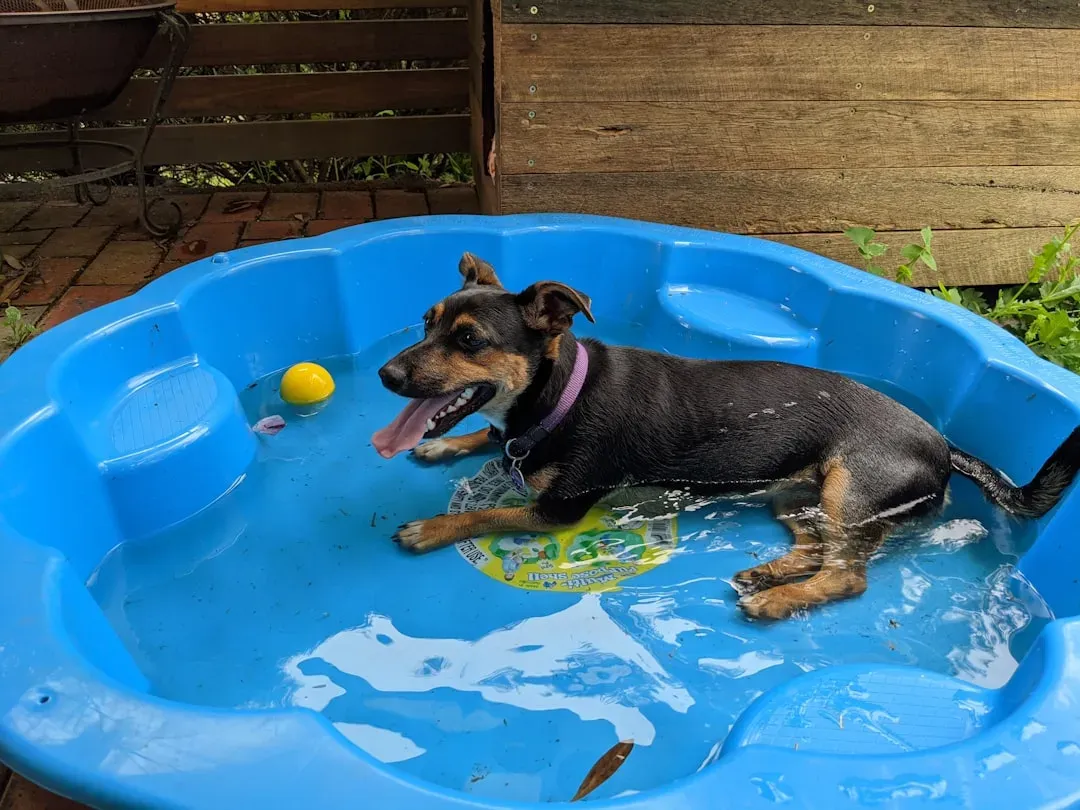
When temps rise, dogs sweat through paws, but dipping them in water cools faster. Pawing spreads moisture, aiding heat regulation. Breeds with thick coats do this often.[5]
It’s a smart self-care move, especially indoors without shade. Watch for panting alongside; it confirms the heat motive. No wonder summer sees more bowl acrobatics.
Provide shaded spots too, for full relief.
Beyond Testing: Boredom and Attention
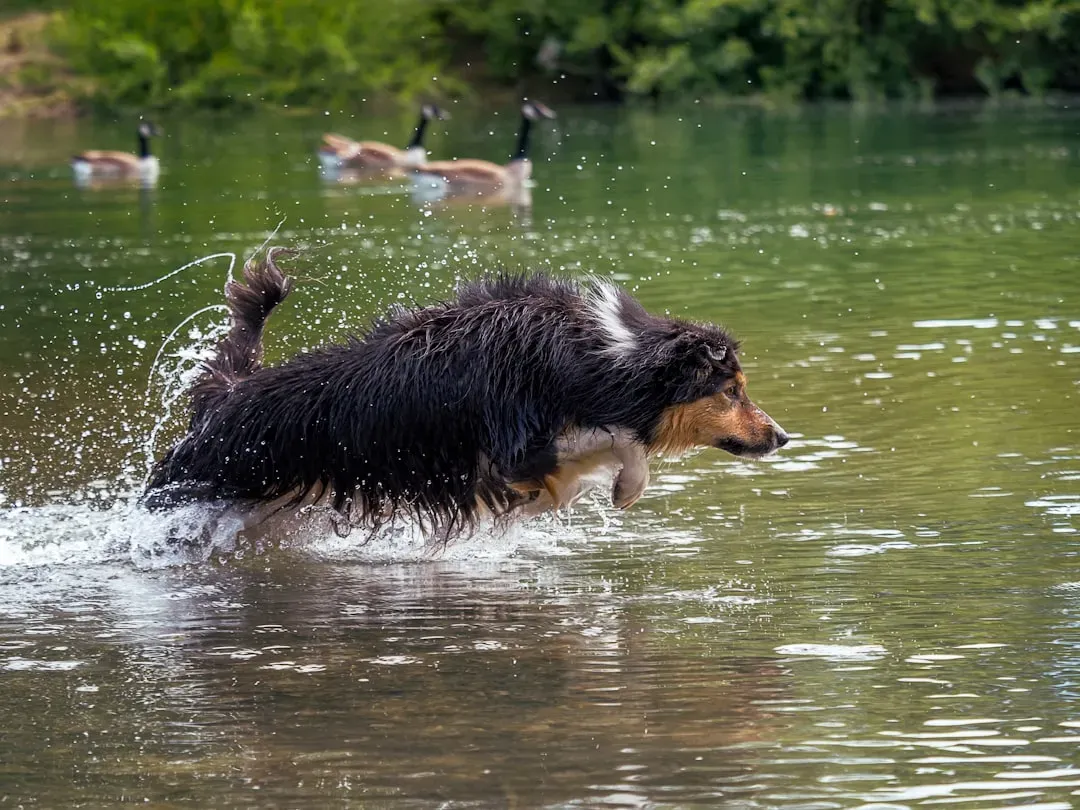
Not every paw means testing, though. Bored pups play in water for fun, or paw to summon you for interaction. Reflections in the bowl spark curiosity chases.[1]
Ignore it if attention-seeking; rewarding stops the cycle. Toys nearby curb boredom splashes. Still, testing roots run deep in most cases.
Signs It Could Be a Concern
Excessive pawing might signal compulsion, anxiety, or nausea. Sudden changes warrant a vet check. Territorial marking via paw glands shows in persistent digging.[6]
Observe patterns. If paired with refusal to drink, test water freshness yourself. Rarely, it hints at discomfort, so stay vigilant.
Smart Ways to Handle the Habit
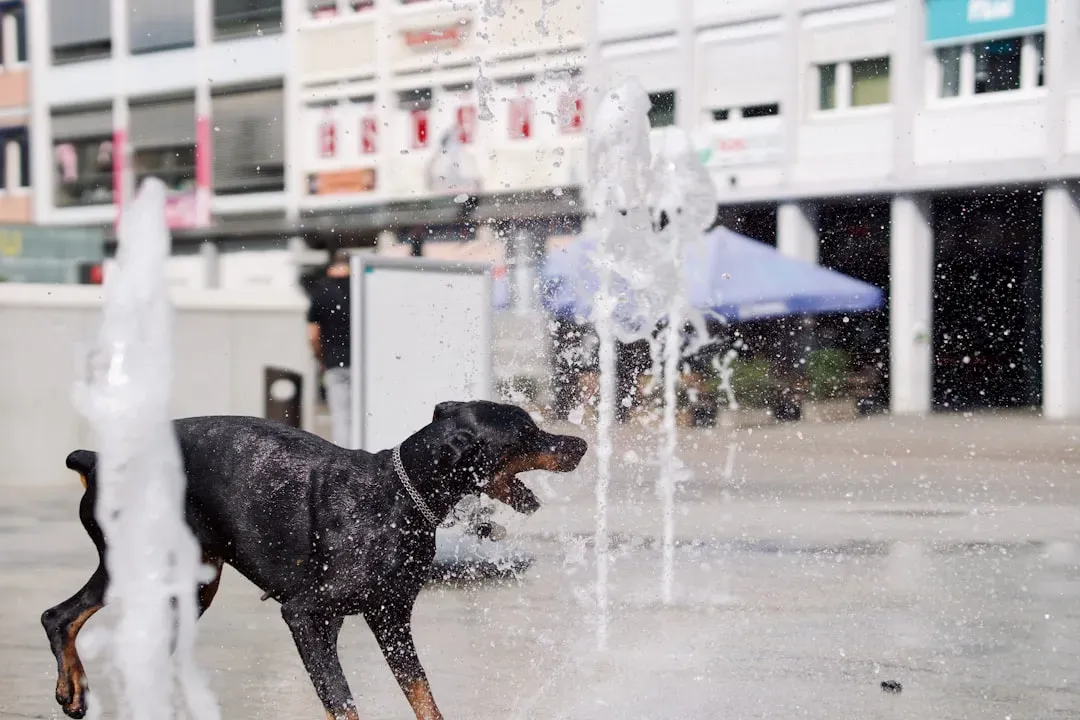
Try a pet fountain for constant flow; many dogs prefer it instantly. Wider, shallower bowls reduce splashing room. Refresh water often to pass their tests easily.[4]
Redirect puppies to a play tub outside. Patience pays off as they mature. Embrace the quirk, knowing it’s wired smarts at work.
Wrapping It Up
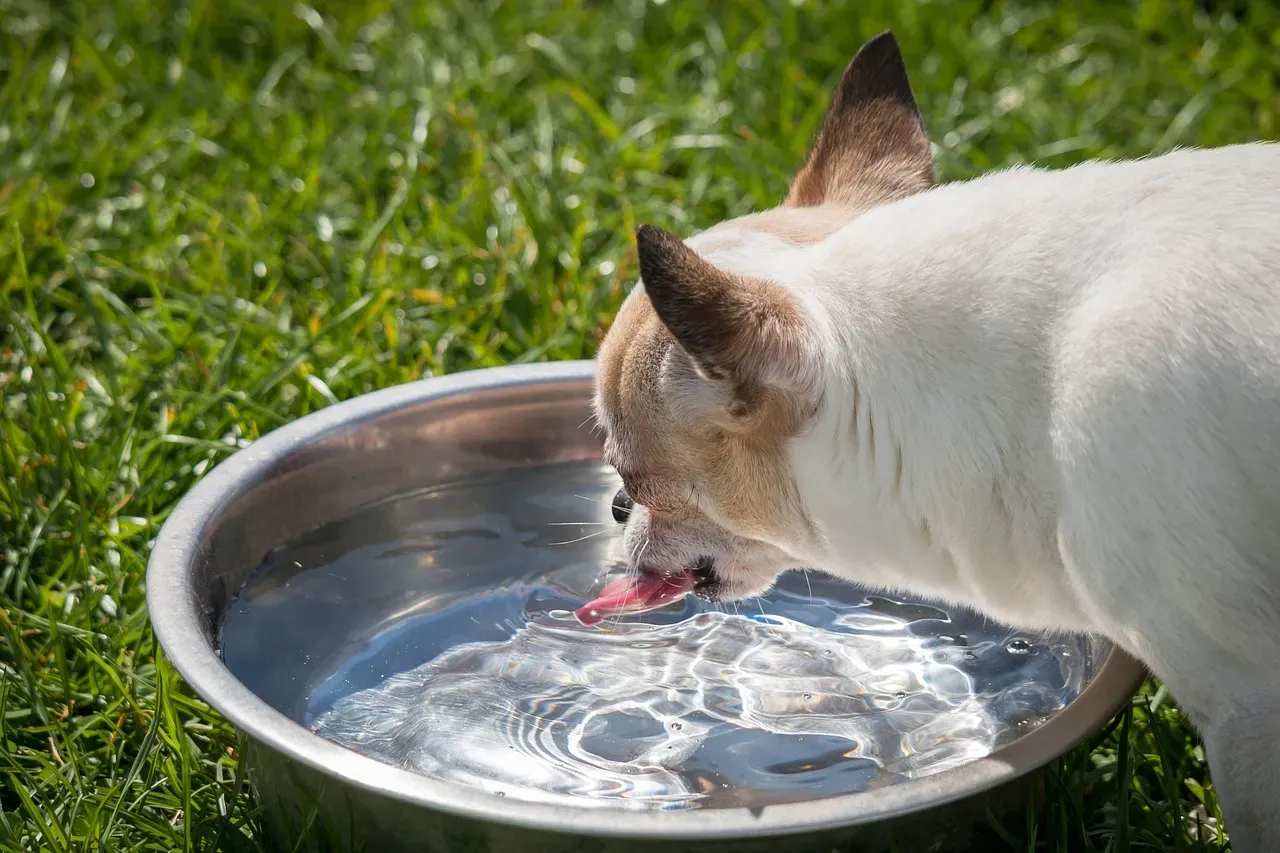
Next time your dog paws that bowl, see it as clever caution, not mischief. These tests keep them healthy and hydrated. What quirky habits does your pup have? Share below.


