

Picture this: your dog squats in the yard, takes care of business, and then – out of absolutely nowhere – explodes into a wild lap around the living room, ricocheting off the couch and skidding across the kitchen floor like a furry little race car that just found the gas pedal. You stand there, leash in hand, wondering if you need to call someone.
Here’s the thing, you really don’t. What you just witnessed is one of the most wonderfully bizarre and genuinely joyful things dogs do. It even has a name. And once you understand what’s behind it, you’ll never watch it the same way again. Let’s dive in.
Meet the “Poop Zoomies” – Yes, That’s Really a Thing
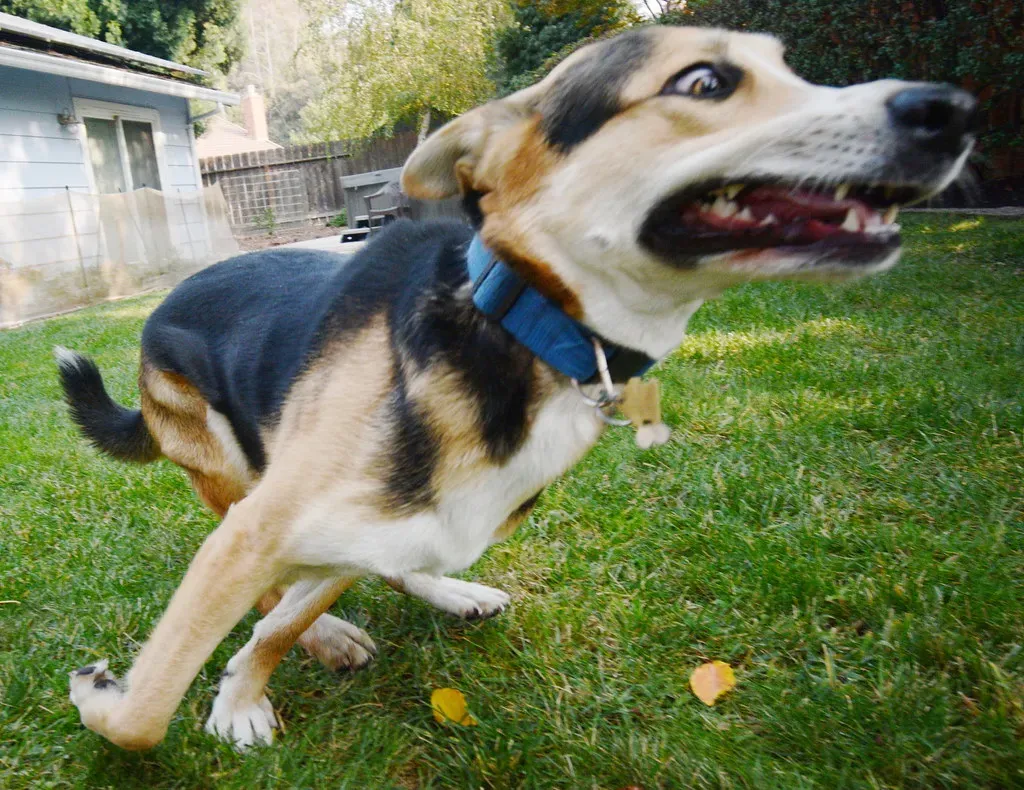
The “poop zoomies” is a term used to describe the excess excitement a dog can exhibit before or after having a bowel movement, and it includes excited, sharp, and fast-paced movements known as FRAP – Frenetic Random Activity Periods. Honestly, even the official name sounds like pure chaos, which feels very on-brand for dogs.
Accelerating in seconds from zero to cyclone, many dogs will run frantic laps of the yard or living room. Zoomies often involve sharp turns and leaps onto elevated surfaces, the nearest couch being a common target. Sound familiar? You’re not alone. This happens in households all over the world, every single day.
Though most associated with young dogs who have lots of energy to expend, zoomies can occur in dogs of just about any age. So if your senior golden retriever still does it occasionally, that’s actually a sweet little sign of life and joy.
The Science of Why It Happens (It’s Pure Joy)
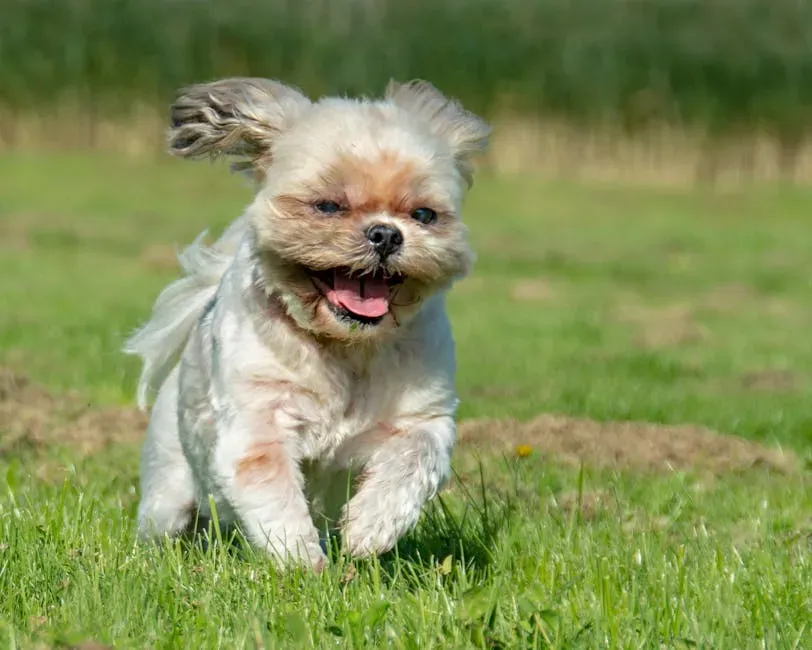
We can’t read dogs’ minds, and they can’t explain post-poop zoomies to us. The most likely answer may be the simplest: they’re happy about what they just did. Think of it like a little internal celebration – the canine equivalent of a happy dance.
In the case of eliminating, it may feel good when the dog eliminates as he removes a sensation of pressure, especially if he has been holding it all day. Emptying the bowels is something totally natural, but it’s reinforcing nonetheless. Throwing a little party by romping around may be the dog’s way of celebrating the sensation of relief.
Animal behaviorists classify zoomies as a type of frenetic random activity period, or FRAP. Such bursts compare to champagne uncorking – energy is trapped within and explodes when finally released. I think that analogy is so perfect it almost makes you want to clap for your dog too.
The Scent Marking Connection – Your Dog Is Basically Signing Their Work
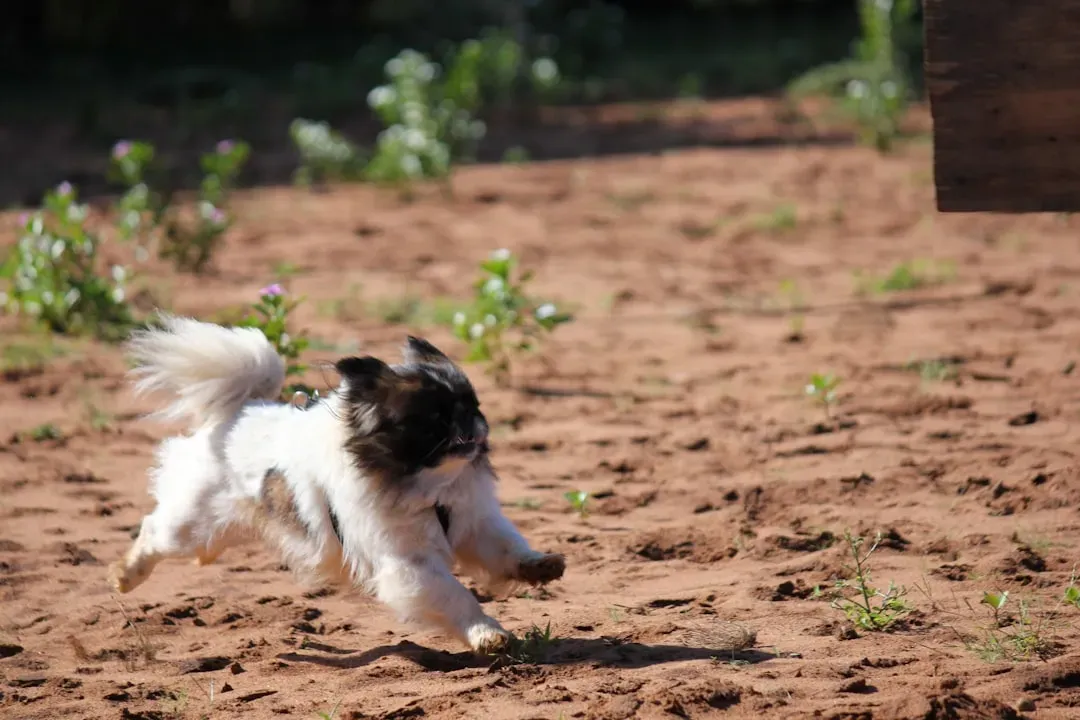
Dogs are territorial animals. Urination and defecation are both methods of marking territory, but dogs also have scent glands on the pads of their feet, so dogs that kick up their heels after pooping are adding more of their scent to the location to announce that it’s their home territory. In other words, that wild sprint isn’t just celebration – it’s also a proclamation.
Dogs who do the poopy dance after going potty where they kick the dirt with their back feet do so as a way of marking. This is because dogs have glands in their feet that secrete pheromones, and those backward scratches do a good job in releasing those chemicals. It’s layered, complex, and brilliantly instinctive.
The evidence would seem to point to the fact that our dogs want to spread their unique “scent” as far and wide as they possibly can, and running plays a significant role in helping them achieve their goal. Your dog isn’t just sprinting; they’re essentially leaving a signature all over the neighborhood.
When the Zoomies Might Be Telling You Something Else
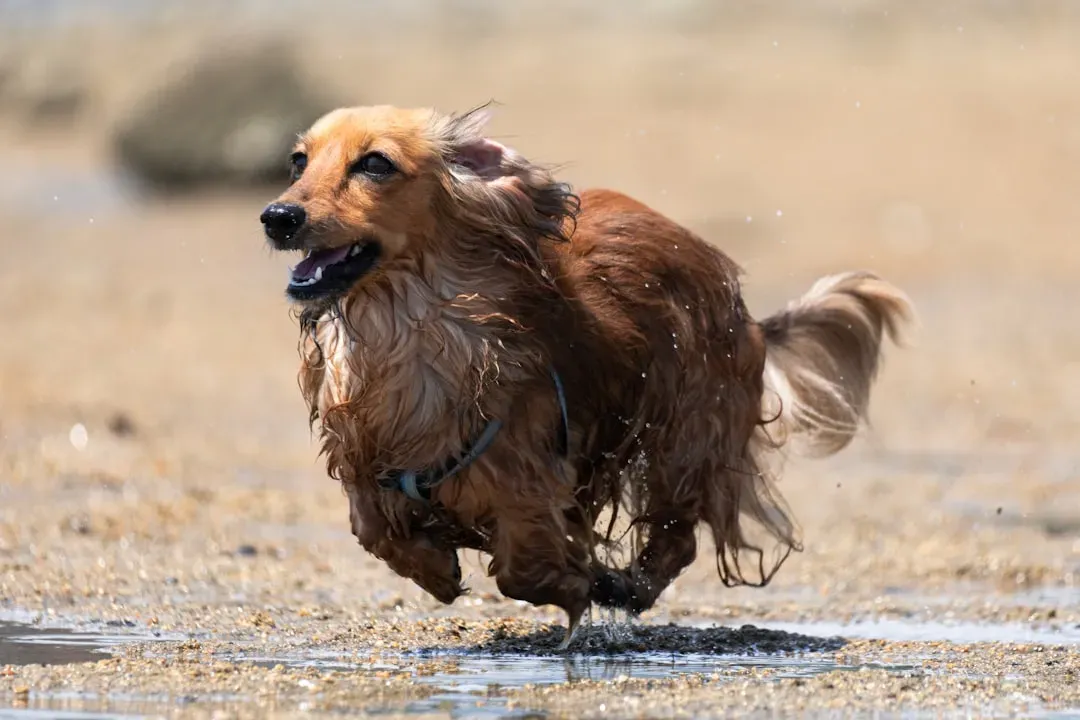
Almost always, dog zoomies are a positive event. Occasionally, however, it could be triggered by a sharp but passing pain in the hind area. Pain from a flea bite or arthritis that’s acting up may spook your pup, who then runs to escape it. So it’s worth knowing the difference between a happy zoom and a stressed one.
Some experts believe that running after a poop may be indicative of some sort of infection, itch, or even an injury to the dog’s anus. Running is a common reaction to anxiety or even pain. Your dog may be trying to express to you that he is uncomfortable and needs some help. Dogs who are running as a result of pain or discomfort exhibit an entirely different demeanor to those who are running from sheer joy.
In some cases, running after pooping may be a sign of something not right in the dog’s rear end. The dog may feel some sort of itch or pain back there. It’s not a bad idea to have a veterinarian check the dog’s anal glands to make sure they’re not full, something likely especially when the dog has a history of scooting or licking his rear end. If your dog seems distressed rather than joyful, that visit is worth scheduling.
What You Should (and Shouldn’t) Do During the Zoomies
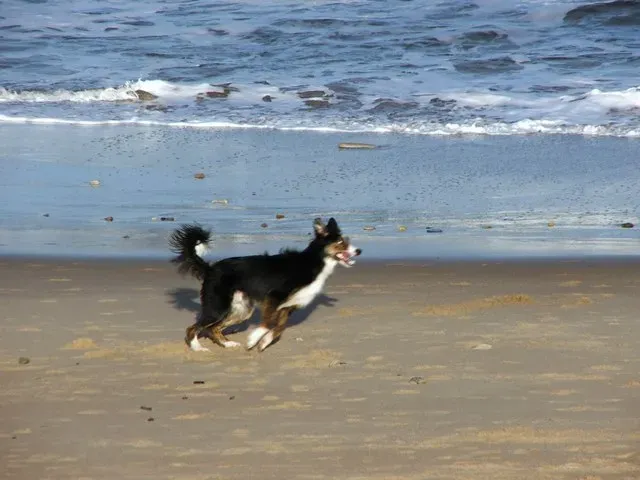
Zoomies are generally nothing to worry about provided you’ve dog-proofed the zoomie area to prevent injury to the dog or something in their path. Let a zoomie run its natural course – it’s a good idea to refrain from joining in or chasing your dog, or otherwise “egging them on” when they’re zooming. Chasing them, as tempting as it is, usually makes the chaos significantly worse.
In a 2024 Psychology Today article, Dr. Stanley Coren, Professor Emeritus at the University of British Columbia, wrote that zoomies don’t last very long – a minute or two is typical – and are not harmful. So you really just need to stay calm and clear a path.
See a vet if the behavior seems obsessive-compulsive, for example if there’s a repetitive motion like chasing their tail, rather than joyful. A happy zoomie has a clear start and finish. It winds down naturally, and your dog comes back to you looking absolutely pleased with themselves.
Conclusion: Your Dog Is Not Broken – They’re Brilliant
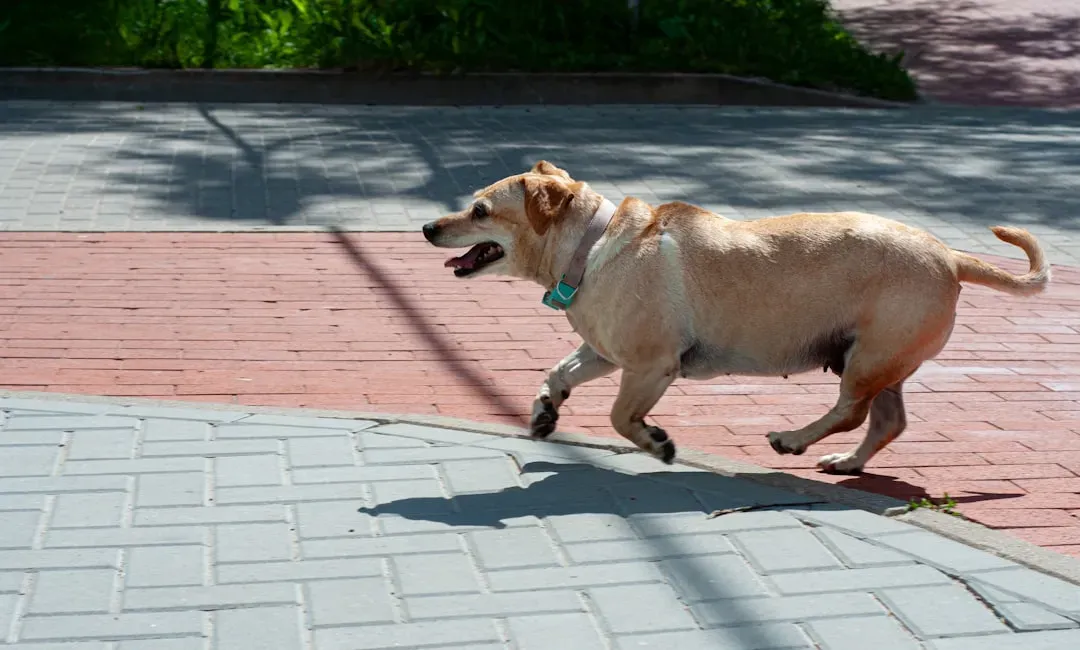
The post-poop zoomie is, honestly, one of the most endearing windows into your dog’s emotional world. It’s relief, joy, instinct, and celebration all wrapped up in one chaotic, hilarious sprint around your living room furniture. Far from being something to worry about, it’s actually a sign of a happy, emotionally expressive dog.
The next time your dog explodes off the back porch like a furry comet after doing their business, lean into the moment. Laugh. Cheer them on from a safe distance. From thorough observation of canine behavior, the post-poop run appears to be motivated by joy and a sense of satisfaction at being released from something of pressing urgency. That’s a beautiful thing.
Your dog isn’t embarrassed. They’re not confused. They feel incredible, and they want you to know it. Maybe the real question is – when was the last time something made you feel that good? What do you think about it? Drop your funniest poop zoomie story in the comments – because we all know you have one.


