

You reach down, give your dog a good scratch behind the ears, maybe a solid rub along their back, and just as the love fest ends, they start scratching themselves in that exact same spot. You probably laughed it off the first time. Maybe the second. Now you’re quietly wondering, “Wait – is my dog okay? Are they itchy? Did I do something?”
Here’s the thing. Chances are, nothing is wrong with your dog at all. In fact, what’s happening in that moment is one of the most fascinatingly ancient and deeply bonded behaviors in all of dogdom. It’s not discomfort. It’s communication. Your dog isn’t trying to scratch you off – they’re actually trying to spread you around. Let that sink in for a second. Let’s dive in.
The Secret Language of Paws: What’s Really Going On
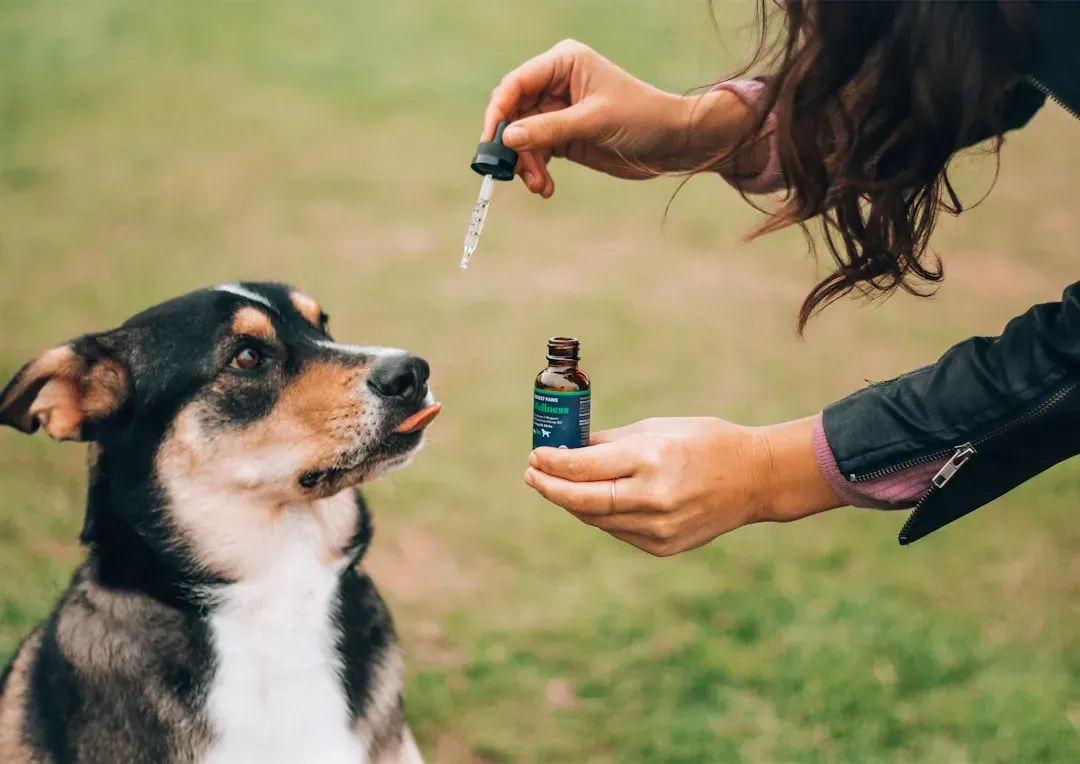
Most of us think of dog communication as barks, whines, and tail wags. Honest, straightforward stuff. What we tend to overlook is the extraordinary scent world dogs live in, one that is almost invisible to us but incredibly rich to them.
Dogs have an incredible sense of smell, and depending on the breed, they can detect scents tens of thousands to hundreds of thousands of times better than we can. So when your dog scratches after a petting session, they’re not reacting randomly. They’re responding to something they’ve detected with precision we can barely fathom.
When a dog scratches the ground or rubs a surface, it releases pheromones that convey specific messages, communicating things like mood, stress level, or social status. Think of it like your dog sending out a little handwritten note – except instead of paper, they’re using their paws.
Dogs have scent glands in their paws, and when they scratch, they might be trying to send an olfactory message to other dogs by spreading the scent from their paws or by sharing nearby odors. So when your dog scratches right after you pet them, they may quite literally be distributing your smell to the environment around them – marking the moment you two shared.
The Paw Glands Nobody Talks About
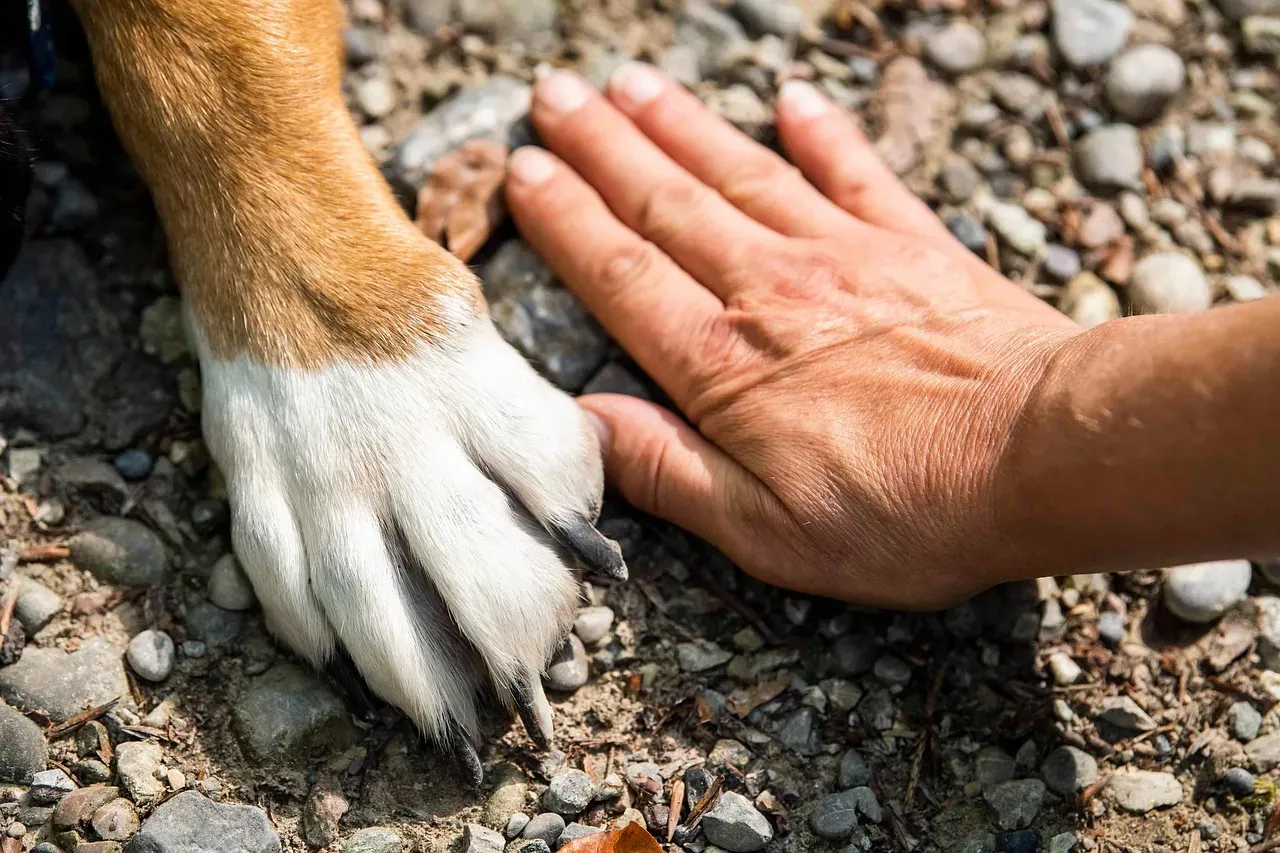
Let’s get into the actual biology for a moment, because this part is genuinely mind-blowing. Your dog’s paws aren’t just for walking. They’re communication devices.
Scent glands located on the underside of the feet provide an especially efficient way of leaving a scent trail, and while domestic dogs are well-known for their olfactory abilities, their use of pedal scent for communication is still being actively studied. We are still, honestly, piecing this together as a science.
Dogs have glands under their paw pads and bacteria between the toes, which creates a highly individual scent when wiped on the ground – essentially leaving a personal calling card. Every scratch is a signature. A tiny, invisible announcement of identity.
Olfactory communication through pedal scent glands provides an efficient means for dogs to convey information with a low energy cost, as they deposit scent passively while they walk, minimizing the cost of communication while leaving a continuous trail. So your dog’s casual after-pet scratch? It’s actually a beautifully efficient piece of biological engineering.
Spreading You: The Bonding Dimension You Didn’t Know Existed
Now here comes the part that, I think, is truly beautiful. When your dog scratches after you pet them, one powerful theory is that they are blending your scent with theirs. Not rejecting it. Blending it.
Dogs use scent to recognize and bond with other dogs and humans, and each dog has a unique scent profile, much like a human fingerprint. Your smell is familiar, safe, and deeply tied to attachment for your dog. They know you by scent before they even see your face.
Dogs can recognize their human family members by their scent, providing comfort and a sense of security. So when your hand glides across their fur and leaves your scent behind, some dogs respond by pressing that scent into their environment with their paws – as if to say, “This is mine. This person is with me.”
The glands in a dog’s paws release pheromones, and when a dog scratches the ground vigorously, they deposit a unique scent from their paws onto the ground. Combine that with the fresh scent from your hands just transferred to their coat, and the scratch becomes a layered, multi-sensory broadcast.
Scratching as Marking: Ancient Instincts Still Very Much Alive
Here’s something that surprised me when I first learned it. This scratching behavior isn’t a domesticated quirk your dog developed in your living room. It is ancient. Like, tens of thousands of years ancient.
Scientists theorize that post-elimination scratching may have a role in scent marking, and interestingly, it isn’t unique to dogs. Lions, wolves, and coyotes also do it, perhaps for similar reasons. The behavior wired into your labrador or terrier is the same one carried by wild wolves through snowy forests long before any of us were around.
Ground scratching could be yet another form of social communication, and taken together with other behaviors, it is a good example of how dogs may use what ethologists call composite signals to enhance their messages by using both olfactory and visual components. The scratch is never just a scratch. It’s a layered signal.
Research on free-ranging domestic dogs found that raised-leg urination and ground scratching probably play a role in both olfactory and visual communication, and that scratching is used as a display of social information and as a means of communicating presence. The behavior after you pet your dog taps into that exact same deep channel – it’s communication, through and through.
When Should You Actually Be Concerned?
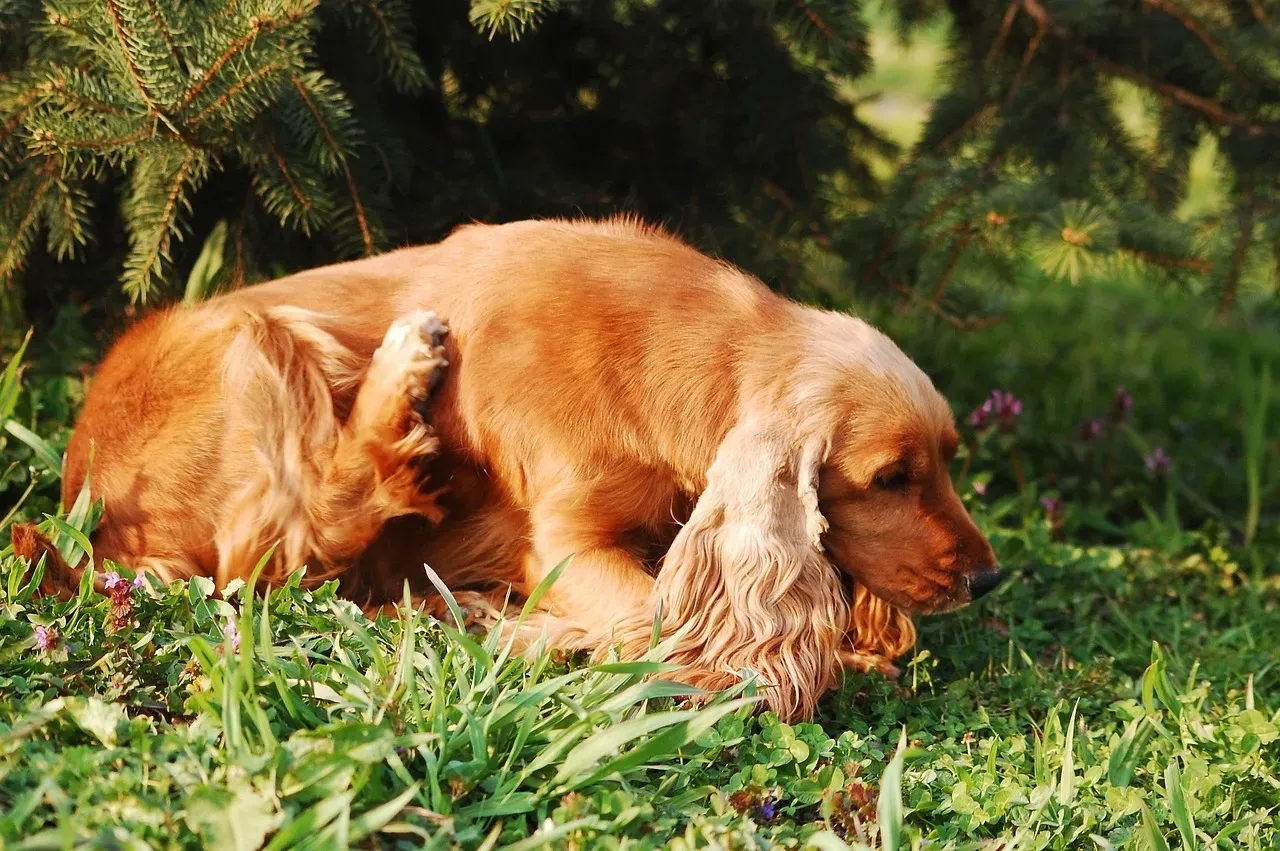
Now, let’s be real. Not every scratch is a love declaration. Sometimes a scratch is just… a scratch. And sometimes it signals something that warrants a closer look.
Dogs scratch, lick, or chew for a wide variety of reasons, ranging from allergies to boredom to parasite infestation, and when scratching gets out of hand, it is often the result of allergies to food or environmental triggers. Knowing the difference between behavioral scratching and medical scratching is genuinely important for your dog’s wellbeing.
If your dog wakes up at night to scratch, seems restless due to itching, or focuses on one area until the skin becomes raw, these are warning signs that more than simple dry skin is at play. Behavioral scratching tends to be brief, relaxed, and often triggered by contact. Medical scratching is usually persistent, focused, and accompanied by other signs.
One of the first signs your dog has a problem might be the development of a “hot spot,” a red, wet, irritated area that arises from persistent chewing, licking, scratching, or rubbing, and although hot spots can occur anywhere, they are most often found on the head, chest, or hips. If you’re seeing redness, hair loss, or your dog seems distressed, it’s time to call the vet. No article replaces a proper examination.
A dog seeking scratches far more often than usual may be a sign of an underlying medical concern, as pests in their fur, infections, and rashes causing irritation could be causing them to seek out relief. If your dog is exhibiting that kind of behavior, it may be a good idea to seek out the assistance of a veterinarian.
Conclusion: Your Dog Is Literally Wearing You

I find this whole topic quietly extraordinary. We pet our dogs as a gesture of love, affection, and connection. What many of us don’t realize is that for our dogs, that gesture doesn’t end when we lift our hand. They carry it forward. They spread it. They broadcast it to the world through ancient glands in their paws, through instincts borrowed from wolves, through a system of communication so elegant it puts most of our social media efforts to shame.
Your dog scratching after you pet them is, in the most literal biological sense, them making you a part of their world. Not just emotionally. Physically. Chemically. They are marking space with you in it.
So next time your dog gives that signature post-pet scratch, resist the urge to worry. Instead, smile. You’ve just been claimed by someone who loves you in a language older than words.
Does knowing this change the way you’ll see your dog’s scratching from now on? Tell us in the comments – we’d love to hear your story.


