
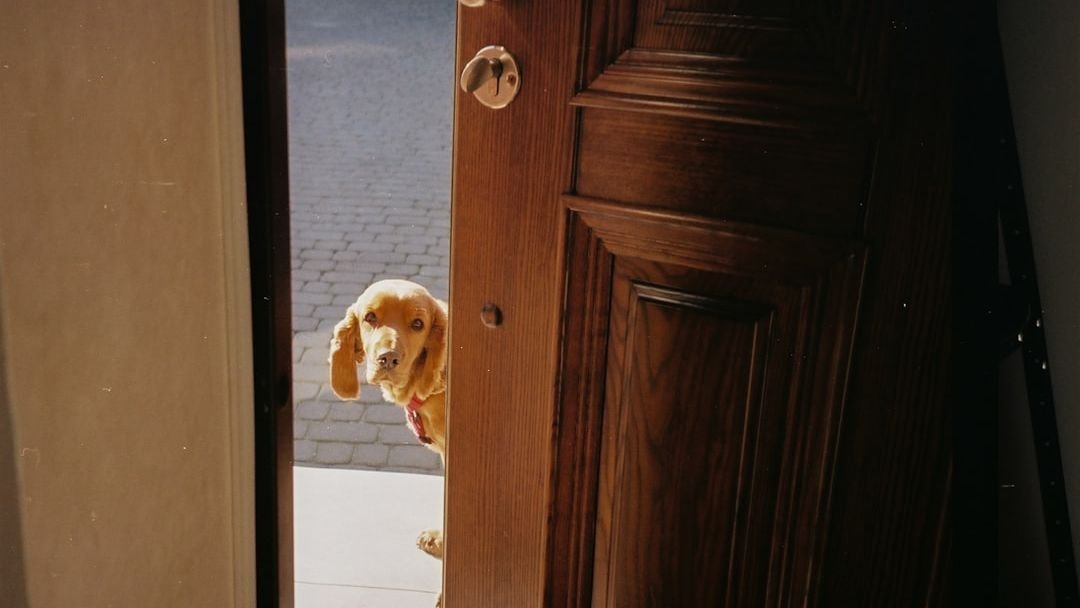
Picture this. You step into the bathroom for five minutes. Before you’ve even reached for a towel, you hear it – that frantic, desperate scratching at the door. Your dog sounds like they’re trying to claw through solid wood to reach you. Your first instinct might be to feel frustrated, maybe even a little guilty. But here’s what’s really going on beneath that scratching: your dog is not throwing a tantrum. They are in genuine distress.
This is one of the most misunderstood behaviors in the dog world, and honestly, it breaks my heart every time a dog owner tells me their dog is “just being dramatic.” There’s so much more happening in your dog’s mind and body than you might realize. So if your dog has ever left scratch marks on your door, keep reading – what you’re about to discover just might change everything.
It’s Not Bad Behavior – It’s a Panic Response

Let’s be real: the moment we label a dog’s scratching as “naughty” or “attention-seeking,” we’ve already missed the point entirely. Dogs that harm the home when left alone are not doing so out of spite or a desire to “get even.” Home destruction is often a panicked expression of fear. That’s a crucial distinction – one that shifts everything from frustration to compassion.
Separation anxiety is when your dog exhibits extreme stress from the time you leave them until you return. The symptoms can vary, but they will act as if they are terrified to be in the house on their own. According to animal behaviorist Patricia McConnell, Ph.D., we can think of separation anxiety as the equivalent of a panic attack. Think about that for a moment. A full-on panic attack – every single time you close a door.
Separation-related disorder in dogs is a multi-faceted phenomenon. Dogs can react to the absence of their owner due to different inner states such as fear, panic, or frustration. Some dogs scratch because they’re afraid. Others scratch because they’re frustrated. Many experience a horrible combination of both at once.
Why Doors Specifically? The Science Behind the Scratching
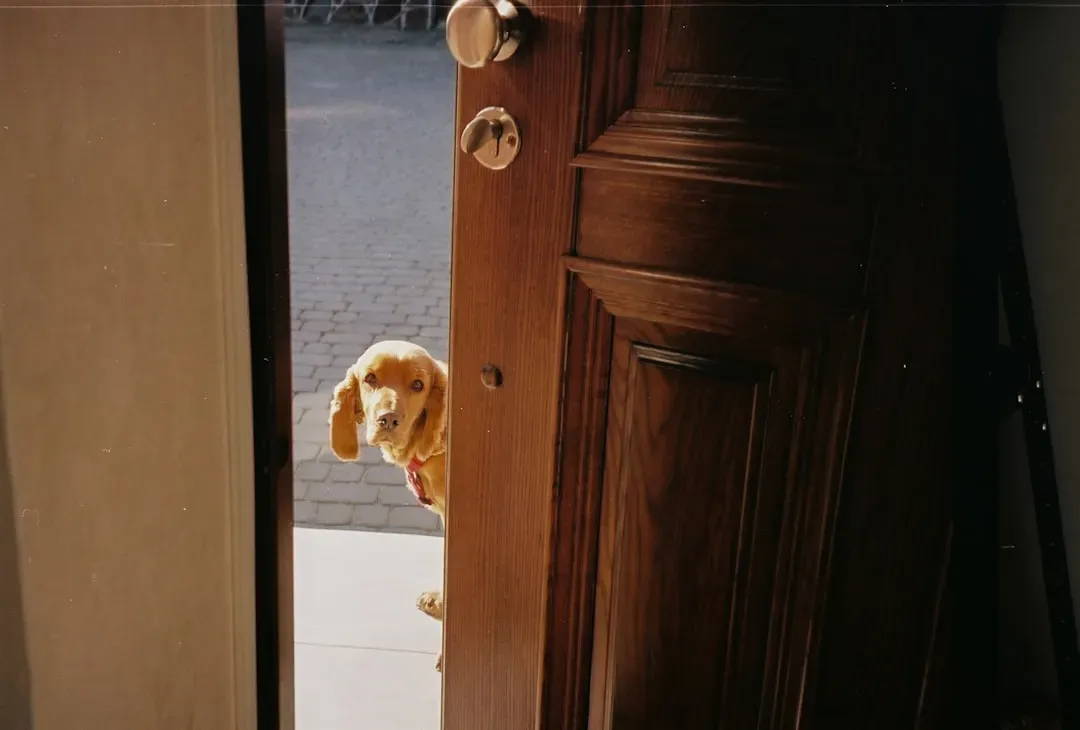
When dogs target exit points like doors or windows, it may be because they are in such an anxious state that they attempt to escape at all costs, whether it’s by chewing, climbing, or clawing their way out. A dog may chew or bend bars on a cage, climb or dig her way out of a fence, or claw or chew her way through a door. Doors represent the barrier between your dog and the one thing making them feel safe – you.
Destructive behavior to the environment or itself can also be present immediately after departure. Behavioral responses such as chewing, digging, and scratching are usually directed towards possible exits, particularly doors and windows. It’s almost like your dog’s brain fixates on that exit point as the only logical solution to an unbearable feeling.
Research shows that dogs that scored higher on demanding behavior may be in association with a lower frustration threshold, and were more likely to scratch the door during separation. So the intensity of the scratching can actually reveal a lot about what emotional state is driving it – frustration, fear, or a desperate bid to reconnect.
The Telltale Signs Your Dog Is More Than Just Upset

Door scratching alone doesn’t always paint the full picture. Besides attempting escape, signs of separation anxiety in a dog may include shadowing her person, frantic behavior upon the person’s departure and return, drooling, panting, anorexia, the inability to settle, vocalization, pacing, self-trauma, and loss of bathroom habits. If your dog is doing several of these things, this goes beyond a quirky habit.
Escape attempts by dogs with separation anxiety are often extreme and can result in self-injury and household destruction, especially around exit points like windows and doors. Some dogs suffering from separation anxiety become agitated when their guardians prepare to leave. Others seem anxious or depressed prior to their guardians’ departure. Watch your dog’s body language even before you reach the door – the anxiety often starts way earlier than you think.
Every time your dog becomes highly distressed, stress hormones occur in the body which can take days to reduce. This can cause negative, long-term effects on your dog’s body and mental state. It’s not just emotionally exhausting – it’s physically wearing your dog down. That’s how serious this is.
Why Some Dogs Are More Vulnerable Than Others

You might have two dogs at home and only one of them goes absolutely haywire when you leave. That’s not random. The behavior highlights how different emotional states combine to produce problem behaviors in dogs. Although the unwanted behavior is first triggered by the owner’s departure, it arises because of a combination of risk factors that may include elements of the dog’s temperament, the type of relationship it has with the owner, and how the two of them interact.
The human-dog social bond is thought to be analogous to filial attachment. As humans provide resources to the dog – much like parents do for offspring – the dog is dependent on humans and motivated to stay close to its owner. This motivation manifests itself as a stress response in the absence of the owner. Honestly, when you see it that way, it’s heartbreaking rather than frustrating.
Research indicates that diagnoses of separation anxiety are significantly higher among strays and mixed breeds, suggesting that a dog’s previous and current living conditions have a major impact – as many of these animals developed separation anxiety due to traumatic experiences. Rescue dogs, in particular, deserve an extra layer of patience and understanding when it comes to this behavior.
What You Can Actually Do – Practical Steps That Work

Here’s the good news: this is treatable. It takes time and consistency, but your dog can learn to feel safe without you right there beside them. In general, treatment involves desensitizing and counter-conditioning the dog to being left alone, making the experience of departures less intense, and increasing her feelings of enjoyment and relaxation when alone. Other common practices include increasing physical activity and mental stimulation to help the dog settle.
You can make your departure routine less distressing by desensitizing your dog to the signs you’re about to go out. For example, pick up your keys or put on your coat, then go make dinner rather than heading to the car. Even better, toss your dog a high-value treat right before you touch your keys. In time, they will look forward to the signs you’re about to leave rather than panicking. Think of it like rewiring a very old circuit. Slow, deliberate, rewarding.
Keeping farewells and greetings low-key can decrease the emotional intensity associated with these events. Limit affectionate gestures when leaving home, since overly emotional farewells can actually increase your dog’s anxiety. I know it’s hard. You want to give them all the cuddles. But calm goodbyes are genuinely one of the kindest things you can do for them.
Working with a certified applied animal behaviorist or experienced dog trainer who uses desensitization and counter-conditioning protocols can be transformative. Pheromone diffusers or anxiety wraps can also soothe some dogs, but they’re typically most effective when used alongside consistent training. If the scratching is severe, please don’t try to go it alone – professional support makes a real difference.
Conclusion: Your Dog Needs You to Understand, Not Just React
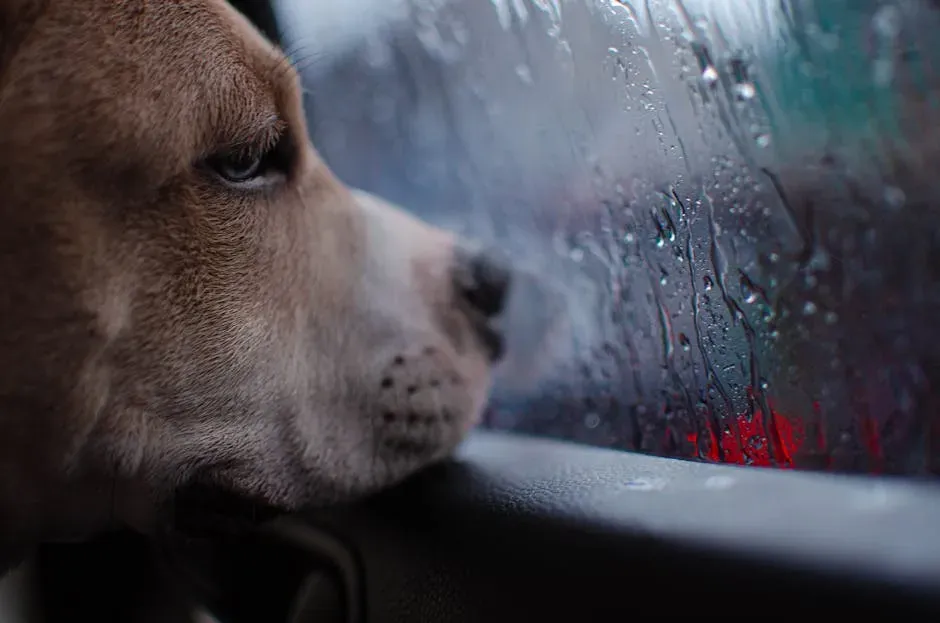
The scratches on your door are not a sign of a badly behaved dog. They are a desperate message from a creature who loves you so much that your absence feels unbearable. Research suggests that roughly eight out of ten dogs find it hard to cope when left alone – yet nearly half won’t show any obvious signs. The good news is that separation-related behavior is preventable and treatable.
Your dog isn’t trying to destroy your home. They’re trying to find you. There’s a world of difference between those two things, and recognizing that difference is the first step toward actually helping them heal. With patience, the right approach, and maybe a little professional guidance, your dog can learn that closed doors are not the end of the world.
What would change for your dog if you started seeing their panic as a cry for help rather than a behavioral flaw? Tell us your story in the comments – you might just help another dog owner feel less alone too.


