
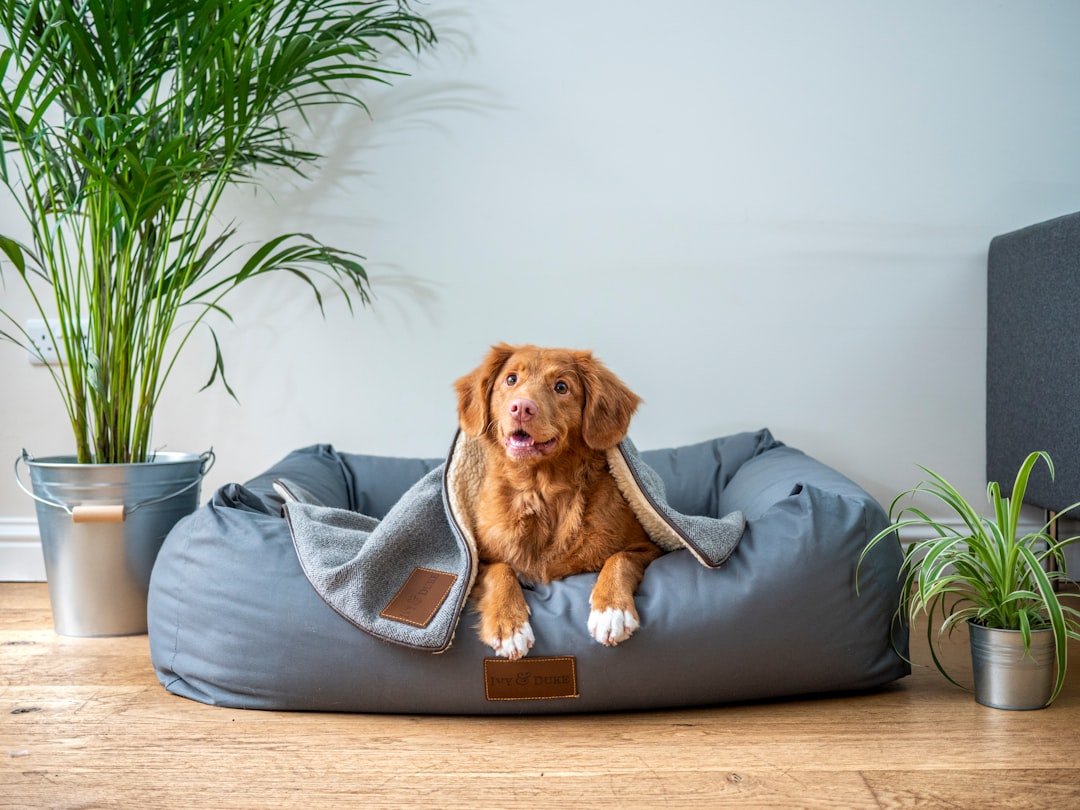
Many dog owners have seen the curious sight: a dog ignoring a large comfortable bed only to curl up in a tight corner, squeeze under a table, or wedge themselves between furniture. At first glance, it may seem strange or even uncomfortable.
In reality, this behavior often has little to do with comfort and everything to do with instinct. Dogs frequently choose smaller enclosed spaces because those environments trigger deep feelings of safety and security rooted in their evolutionary past.
Den Instinct Still Exists in Modern Dogs
Wild canines such as wolves and foxes often raise their young in dens—small enclosed spaces that provide protection from predators and harsh weather. This instinctive preference for secure spaces still exists in domestic dogs.
Even though modern dogs live in comfortable homes, the desire for a protected resting spot remains. Small spaces can feel safer because they limit exposure and provide a sense of shelter.
Tight Spaces Reduce Environmental Stress
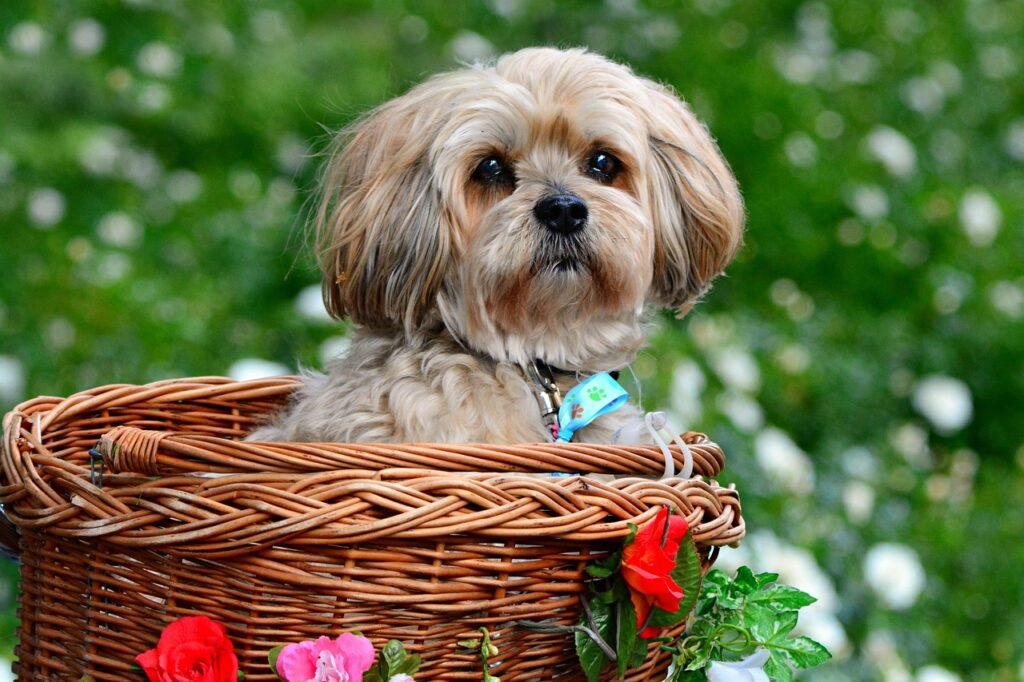
Large open areas can sometimes make dogs feel exposed. Tight spaces, on the other hand, create boundaries that reduce sensory stimulation.
When a dog curls into a small area, they may be trying to block out noise, movement, or distractions. This can be especially common in busy households where dogs seek quieter spots to relax.
Smaller Spaces Create Physical Comfort
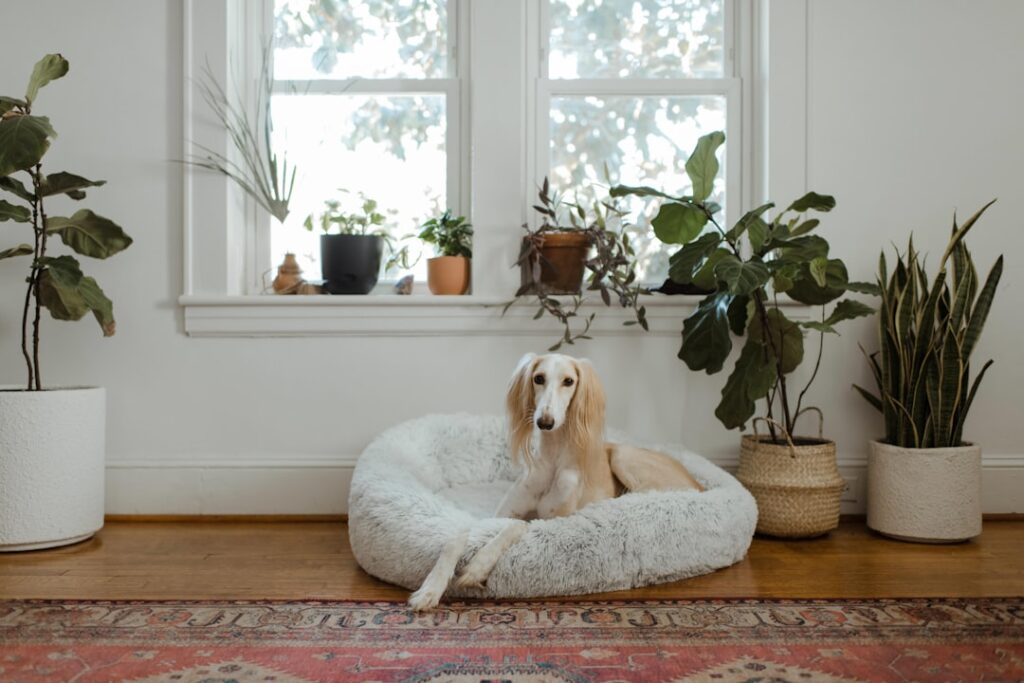
Interestingly, some dogs simply find it physically comforting to be pressed against surfaces. The gentle pressure of walls or furniture around their body can create a calming sensation.
This is similar to the concept behind weighted blankets used by humans to reduce anxiety. The pressure provides subtle reassurance that helps the body relax.
Puppies Learn Safety Through Enclosure
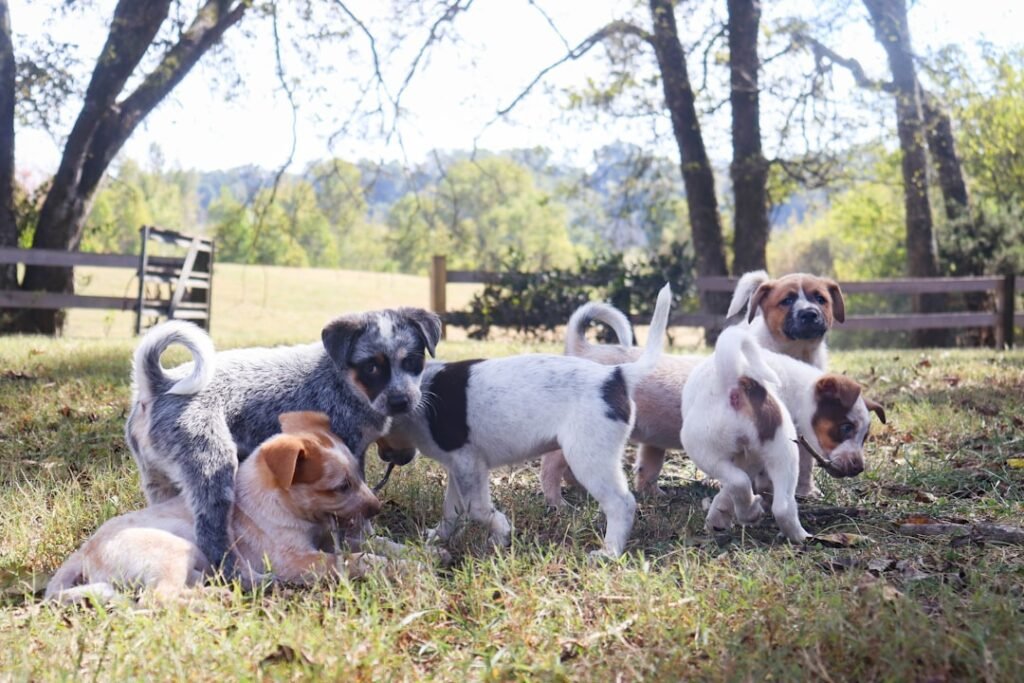
Young puppies often sleep piled together with their littermates in tight clusters. That early experience creates strong associations between close physical spaces and feelings of safety.
As adult dogs, they sometimes recreate that sense of security by squeezing into corners, under desks, or beside furniture where they feel surrounded.
When This Behavior Is Completely Normal
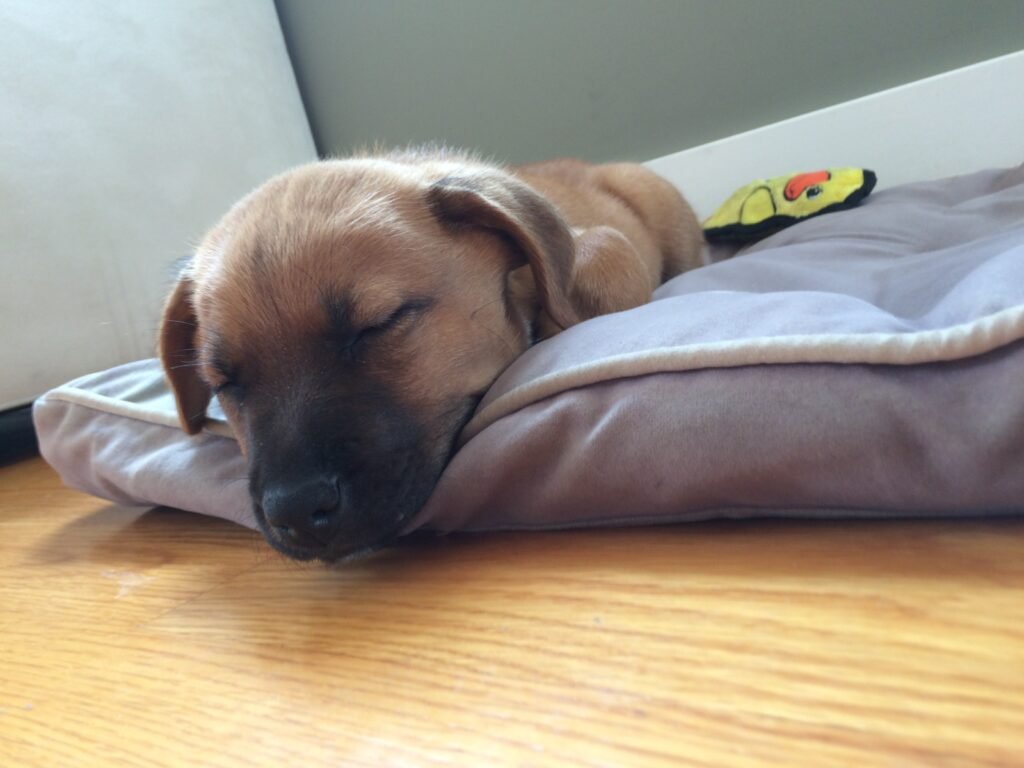
In most cases, choosing small spaces is perfectly normal behavior for dogs. As long as the dog appears relaxed, healthy, and comfortable, there is usually no cause for concern.
However, if the behavior appears sudden or linked with signs of anxiety, owners may want to observe whether environmental stressors such as loud noises or changes in routine are influencing their pet.
Conclusion
What looks like an odd sleeping choice is often a reflection of deep instinct. For dogs, small spaces can represent protection, calm, and familiarity. When a dog curls up in a tight corner instead of a spacious bed, they may simply be choosing the place where they feel most secure.


