
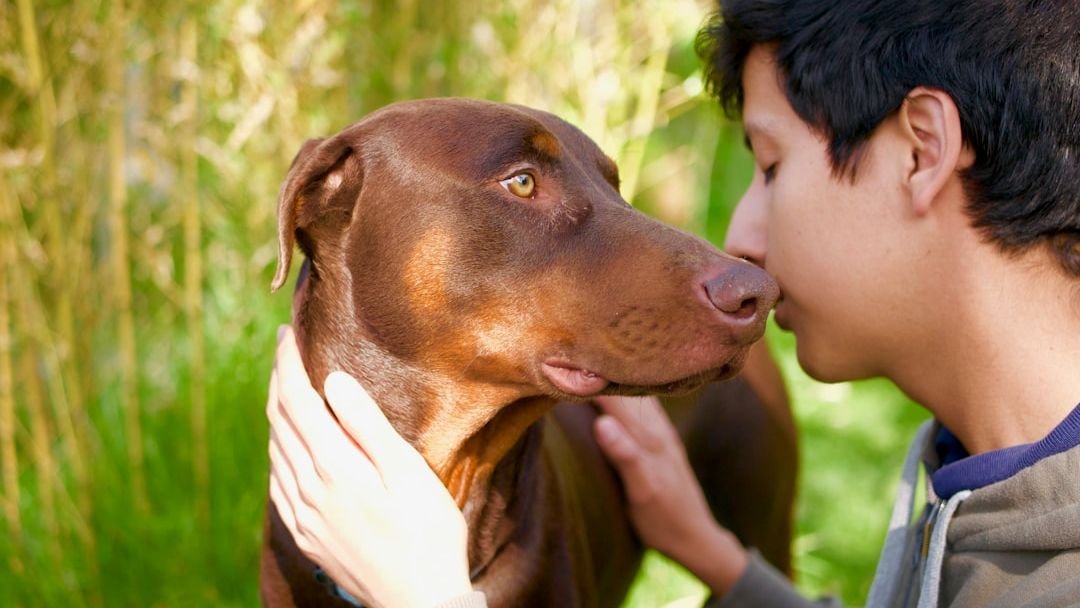
There is a moment almost every dog owner has experienced. You come home after a brutal day, you haven’t said a word, you haven’t even cried yet, and your dog is already beside you. Head resting on your knee. Eyes soft. Just… there. It feels like magic. Honestly, it kind of is.
The truth is, your dog is reading you constantly. Every sigh, every shift in posture, every chemical whisper your body releases. They are picking up on a language so rich and layered that scientists are still unpacking it. Most of us, though, are only just learning how to listen back.
This article is your guide to doing exactly that. Let’s dive in.
The Science of the Soulful Stare: How Dogs Read Your Emotions
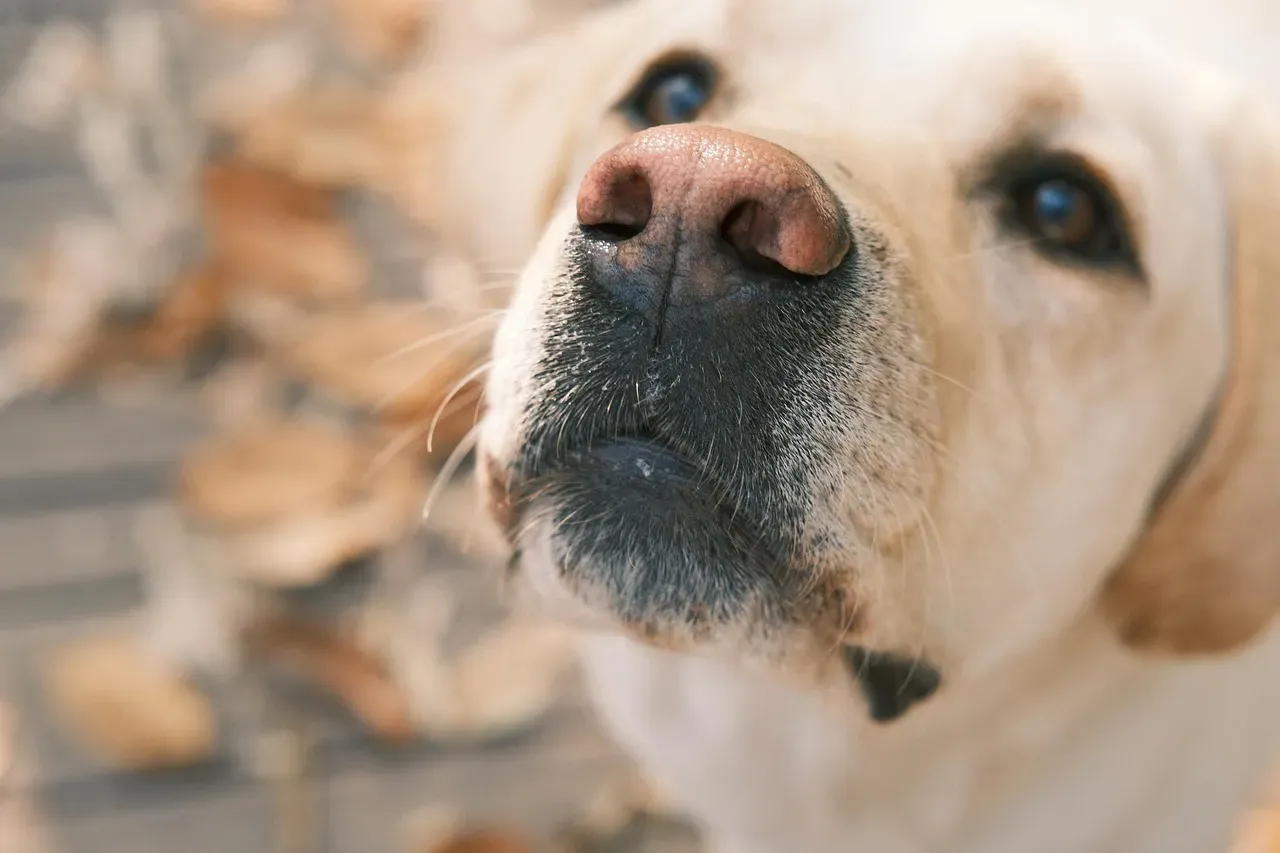
Let’s be real, when your dog locks eyes with you across the room, it isn’t just cuteness. That gaze is biological architecture at work. The most remarkable discovery in canine-human bonding may be the chemical connection we share. When dogs and humans make gentle eye contact, both partners experience a surge of oxytocin, often dubbed the “love hormone.” Think of it like a chemical handshake that says: I trust you, I’m here.
Research found that mutual gazing increased oxytocin levels, and wolves, who rarely engage in eye contact with their human handlers, seem resistant to this effect. That’s wild to think about. Something specifically evolved inside your dog, over thousands of years, just to bond with you.
Studies found that dogs behaved differently depending on the owner’s emotional state: they gazed and jumped less at owners when they were sad, and their compliance with commands was also diminished. So that day your dog seemed a little quieter, a little closer? They weren’t confused. They were responding, deliberately and precisely, to how you were feeling.
Dogs’ brains have dedicated areas that are sensitive to voice, similar to those in humans. In a brain imaging study, researchers found that dogs possess voice-processing regions in their temporal cortex that light up in response to vocal sounds. Dogs respond not just to any sound, but to the emotional tone of your voice. Brain scans reveal that emotionally charged sounds activate dogs’ auditory cortex and the amygdala, a part of the brain involved in processing emotions.
Body Talk: Decoding the Silent Signals Your Dog Is Sending You
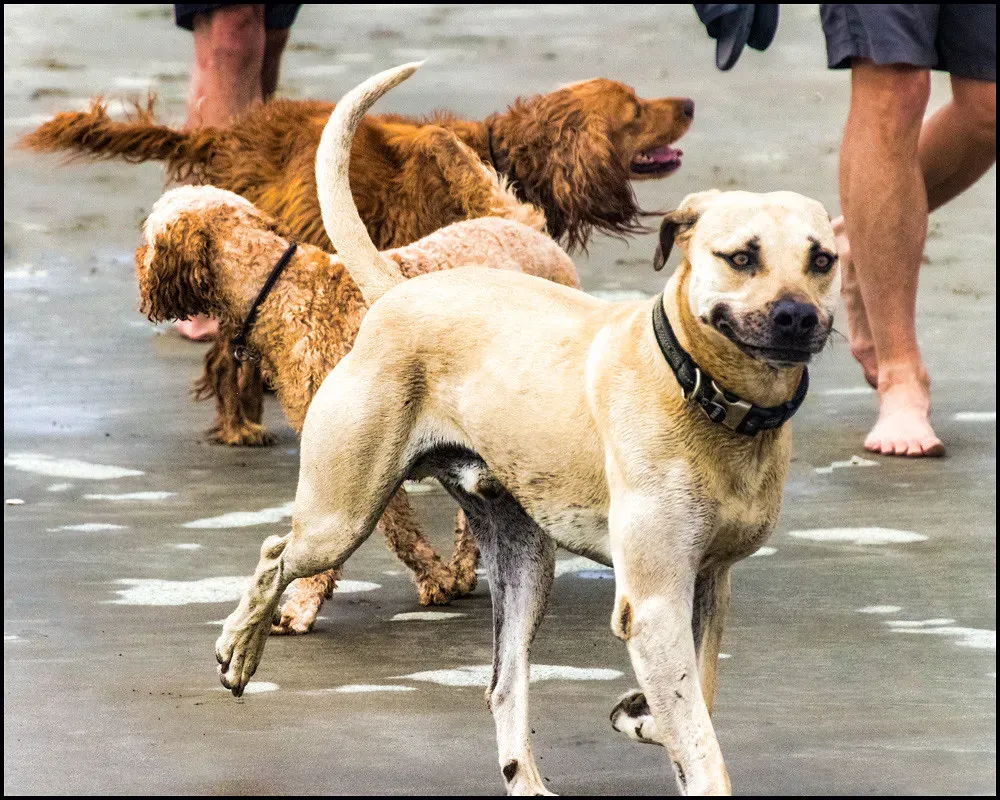
Canine body language is complex, with dog behavior conveyed through movements of the eyes, ears, mouth, tail, and entire body posture. Dogs use this non-verbal communication to consciously and unconsciously express emotions, avoid conflicts, and ensure their safety. While humans depend mainly on spoken language, dogs rely primarily on body language and secondly on barks, growls, and other vocalizations.
Here’s the thing: tails are not just wagging machines. Tail-wagging seems like an obvious body language signal. If a dog’s tail is wagging, the dog is happy, right? All a wagging tail actually means is that the dog is emotionally aroused. Excited, nervous, alert, even agitated. The direction, height and speed all matter deeply.
A key sign is found in circular wags. If your dog is wagging its tail in a circle, it is showing you that it is very happy and joyful. Meanwhile, a tail held high and stiff with rapid short flicks? That’s a very different message. People yawn when they’re tired or bored, but dogs yawn when they’re stressed. According to canine behavior expert Turid Rugaas, dogs use yawning to calm themselves in tense situations and to calm others, including their owners. Suddenly that midday yawn looks a lot more meaningful.
Canine communication entails the use of ears, face, muzzle, teeth, body, coat, paws, and tail, all in addition to odours, all in combination with vocalisations. No single cue tells the whole story. Think of it like reading a sentence with only one word. You have to take in the whole paragraph.
The Nose Knows: Your Dog Is Literally Smelling Your Feelings
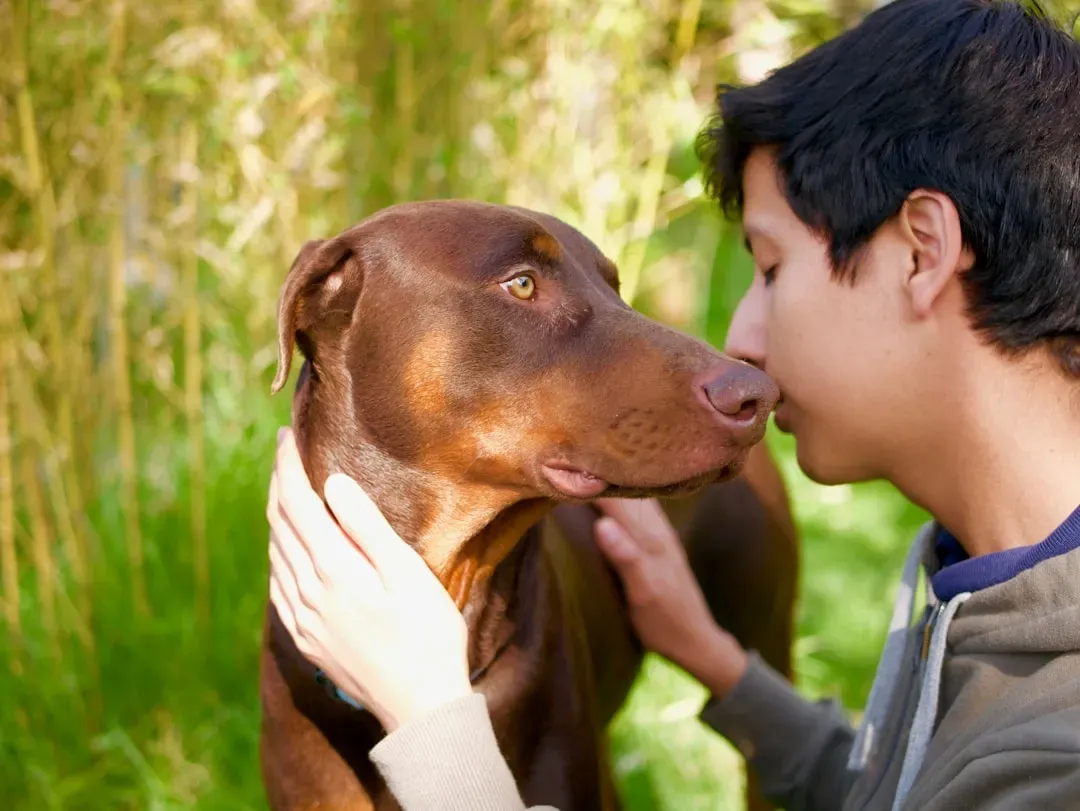
I know it sounds crazy, but your dog might know you’re stressed before you do. It is known that dogs are able to smell stress in humans. Their olfactory system is almost unimaginably powerful. Dogs’ high olfactory sensitivity, roughly ten thousand to one hundred thousand times more acute than humans’, allows them to access social and contextual information through their sense of smell. That’s not an exaggeration. That’s a biological superpower.
Dogs can discriminate stressed from non-stressed human odour samples. Using a cognitive bias task, researchers tested how human odours affect dogs’ likelihood of approaching food bowls placed at ambiguous locations between trained positive and negative spots. The results were remarkable. When exposed to stress odour, dogs were significantly less likely to approach a bowl placed at ambiguous locations, indicating possible risk-reduction behaviours in response to the smell of human stress.
Dogs experience emotional contagion from the smell of human stress, leading them to make more pessimistic choices. In other words, when you are anxious, your dog catches that anxiety like a wave. It washes over them. This isn’t just touching. It’s a vital reminder that your emotional state isn’t private around your dog. They are soaking it all in, invisibly but completely.
Lost in Translation: Why We So Often Misread Our Dogs

Here’s something a little humbling. New research from Arizona State University has revealed that people often do not perceive the true meaning of their pet’s emotions and can misread their dog. The reasons for this include a human misunderstanding of dog expressions due to a bias towards projecting human emotions onto our pets. We essentially put our feelings into our dogs’ faces and then read them back as confirmation.
A perfect example? That so-called guilty look your dog gives after raiding the trash. That “guilty” face your dog gives after knocking over the trash likely isn’t guilt at all. According to a 2025 study published in Anthrozoös, many people mistakenly assign human emotions to canine expressions, which can lead to misunderstandings or even unfair corrections. The study found that when people interpret a dog’s body language based on human behavior rather than canine-specific cues, they often get it wrong.
Often, submissive or appeasement signals are misinterpreted by owners to be indicative of “guilt.” In truth, dogs that display submissive postures towards their owners are likely responding to discernible human body language or past association with punishment and are attempting to lessen predictable forthcoming punishment based on previous experience. That crouching, tucked-tail posture isn’t confession. It’s a plea.
When participants viewed recut videos where the dog’s reaction no longer matched the original trigger, they still rated the dog’s emotion based on the trigger they saw. That suggested their answers relied more on context than on the dog’s actual behavior. We look at the situation and assume the emotion. The better approach? Watch the dog itself, every single time.
Building a Deeper Bond: Practical Ways to Listen Better and Respond Smarter
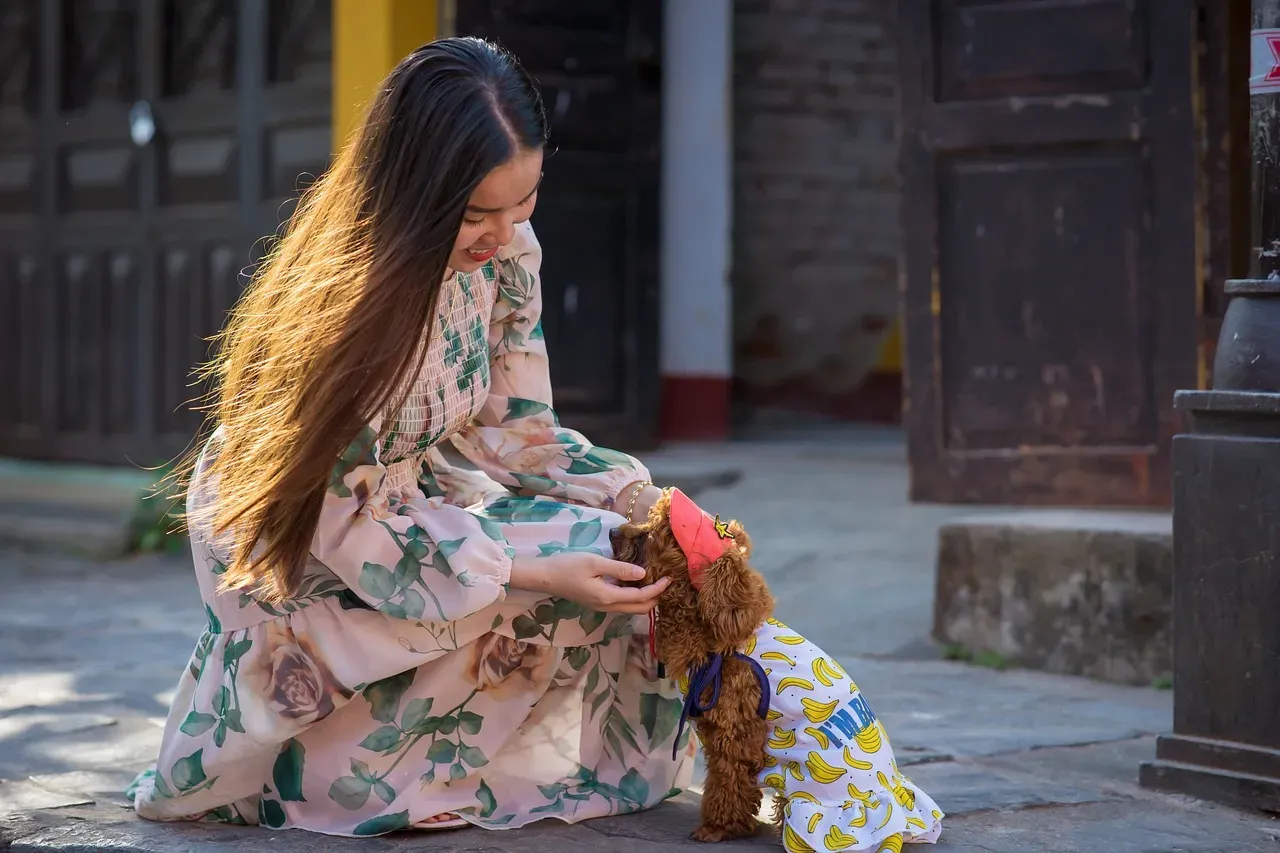
Learning how to decode your dog’s signals is an important step in understanding issues surrounding their happiness, stress, and health. It’s genuinely one of the most meaningful things you can do for the relationship. Your dog is “talking” to you all the time. If you learn what your dog is saying, you will develop a deeper bond of trust and respect. Plus, your understanding of your dog’s emotional state can help you predict their behavior and prevent problems before they arise.
Prevention matters more than most owners realize. A high number of stress behaviours can occur due to misunderstanding of the information a dog is communicating. This can cause feelings of discomfort, anxiety, fear, and confusion in a dog, which may result in a fractured human-dog bond, welfare issues, and the possibility of a dog escalating to defensive behaviour should communication fail. Learning to spot the early warning signs isn’t just about avoiding conflict. It’s about keeping your dog feeling safe.
Some simple, actionable things to watch for daily: When dogs feel fearful or overwhelmed, they use calming signals to relieve stress and communicate they mean no harm. Being able to recognize these appeasement behaviors allows you to identify anxiety in your dog and respond appropriately. Calming signals are subtle body language dogs use to self-soothe fear or anxiety and de-escalate tense situations. These include yawning, lip licking, looking away, shaking off, and sudden bouts of sniffing at the ground.
Research has shown that dogs synchronize their behavior with both children and adults and that they produce significantly more facial movements when a human is paying attention to them. In plain terms: when you look at your dog with genuine attention, they respond to you. They give more back. The simple act of truly watching creates the conversation.
Conclusion: You Two Are Already Speaking the Same Language
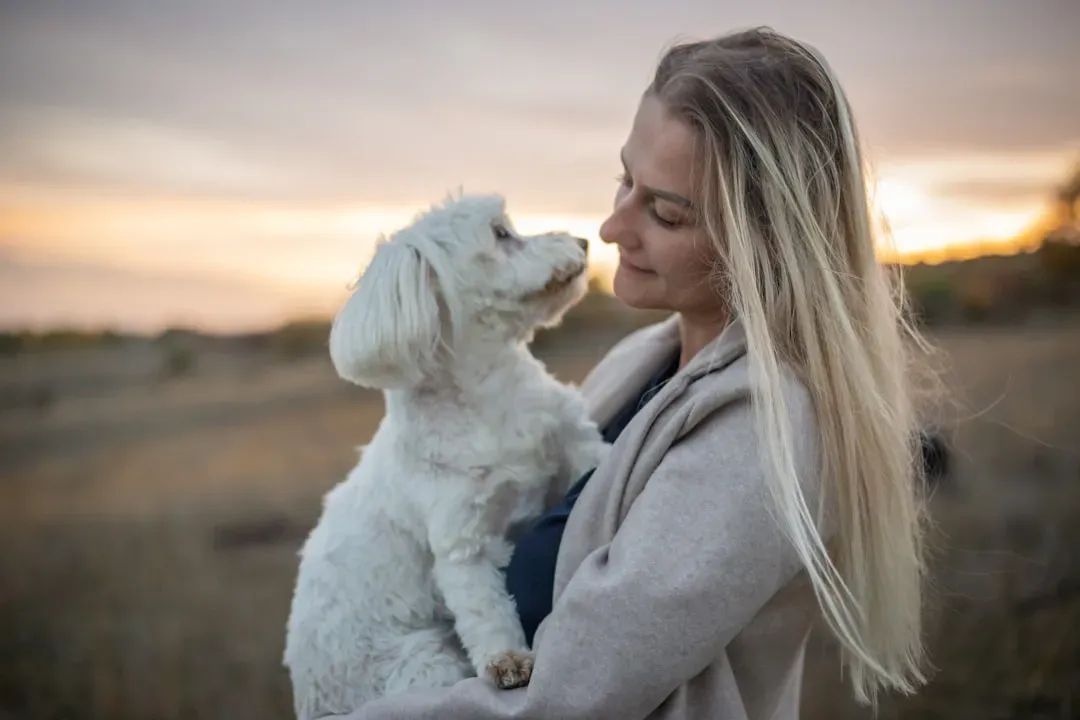
The relationship between a dog and their human is one of the most quietly extraordinary things in the natural world. Not because dogs are performing tricks or running on instinct, but because over tens of thousands of years, they have evolved to actually understand us. Our moods. Our voices. Our invisible chemical signals. That’s not a small thing.
The gap, honestly, is mostly on our side. We rush past the yawns, the tucked tails, the quiet lean against our leg. We project human feelings onto a beautifully different kind of emotional intelligence. The good news? This is learnable. The more you watch, the more you hear.
Your dog has been trying to talk to you from the moment they walked through your door. Now that you know where to look, the conversation can finally go both ways. What signal from your dog has always puzzled you? Take a closer look today. You might be surprised by what they’ve been saying all along.


