
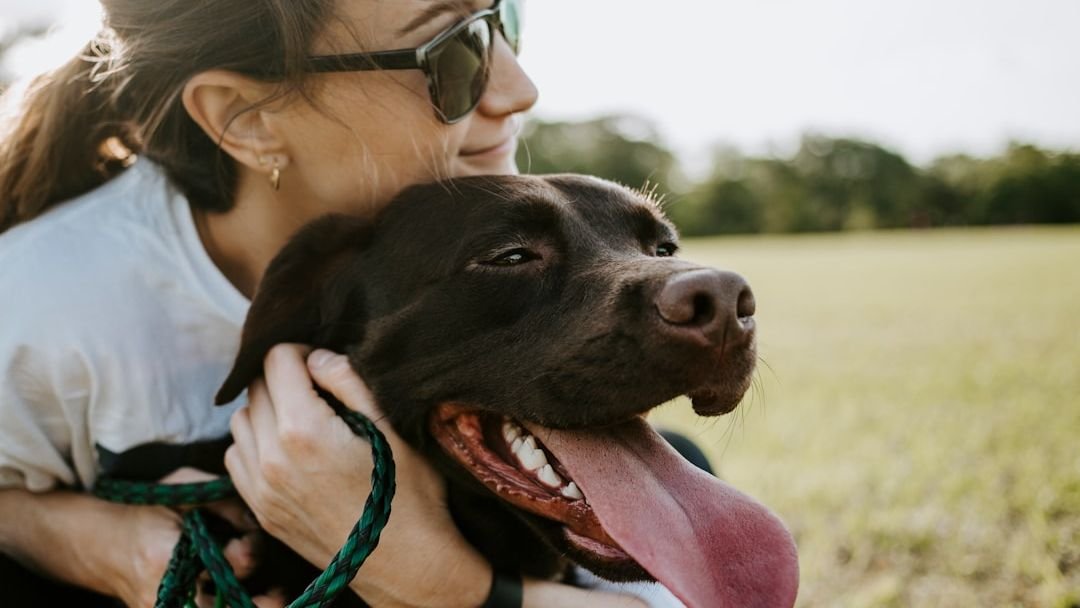
Picture this: you scoop your dog into your arms, squeeze them tight, and right there in the middle of your big loving moment, they let out a massive yawn. You laugh it off. Maybe they’re just sleepy. Maybe they had a big day. It’s adorable, right?
Honestly, not quite. That yawn is a message. A very deliberate, very polite one – and your dog has been sending it to you every single time. The question is whether you’ve been listening. Let’s dive in.
What a Yawn Really Means in Dog Language
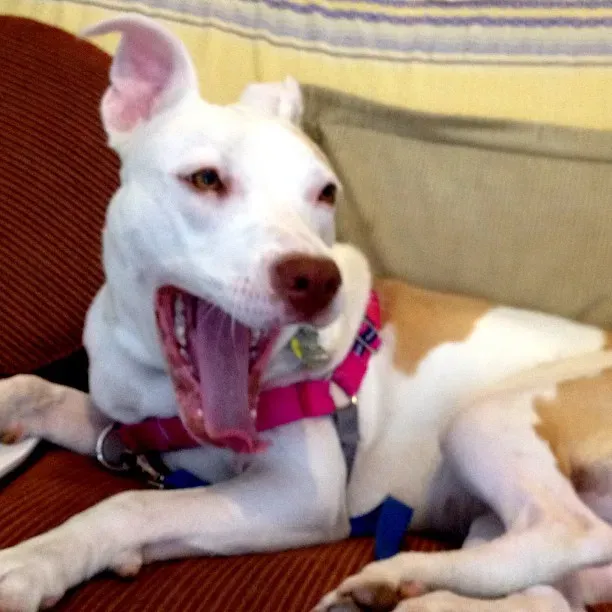
Animal behaviorists have classified yawning as a calming signal, a way for dogs to regulate emotion and communicate non-verbally with others, whether they’re human or canine. Think of it like a dog’s version of taking a deep breath and saying “okay, I’ve got this.” It’s subtle. It’s quiet. It can look incredibly cute. Yet it carries real weight.
In dogs, yawning can mean fatigue, but watch the context – it can also be a sign of stress or an uncomfortable situation. That’s the key word: context. A yawn while your dog is stretching out on the couch after a nap? Totally fine. A yawn the moment you wrap your arms around them? That’s a different story altogether.
Yawning can indicate anxiety, anticipation of something stressful, or an attempt to calm themselves or others in the environment. So when your dog yawns mid-hug, they are quite literally trying to manage their own emotional overwhelm – using the only tool they’ve got.
Why Hugging Feels Threatening to a Dog
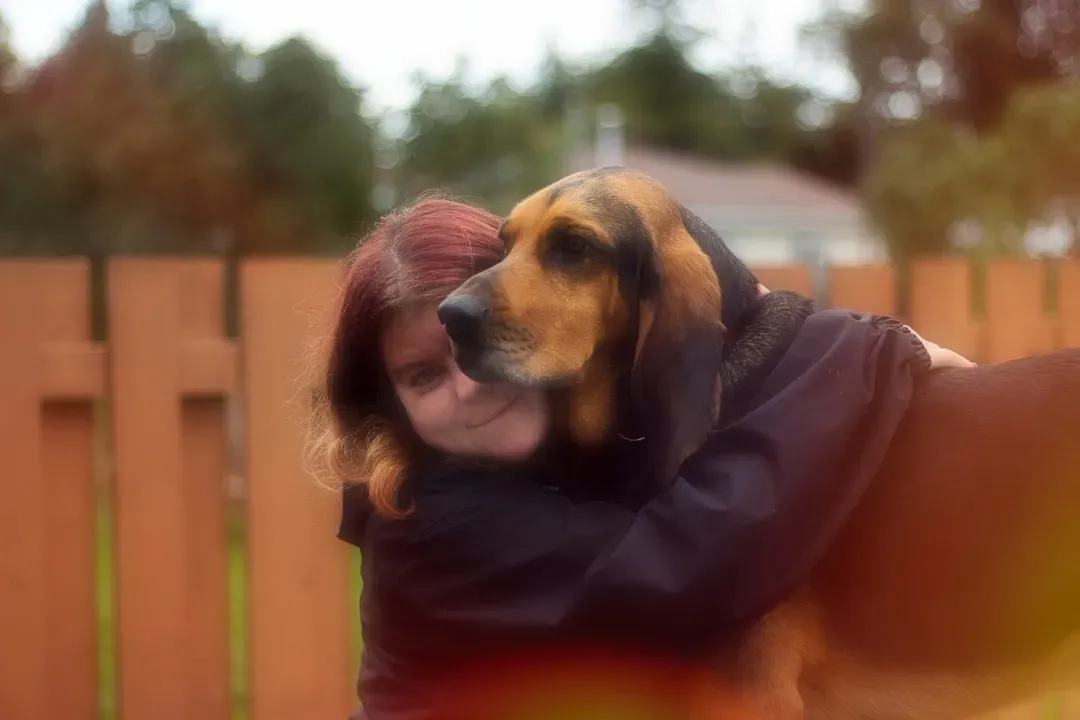
Here’s the thing most dog lovers don’t realize: hugging isn’t a natural part of canine communication at all. If you watch dogs interact, you’ll notice they don’t embrace each other. They might pin each other to the ground, but it’s in only one of two contexts: play fighting or real fighting. So from your dog’s perspective, being wrapped up in arms doesn’t scream “love.” It can read as something closer to a threat.
Dogs are technically cursorial animals, which means that they are designed for swift running. That implies that in times of stress or threat the first line of defense that a dog uses is not his teeth, but rather his ability to run away. Behaviorists believe that depriving a dog of that course of action by immobilizing him with a hug can increase his stress level. It’s like being stuck in a crowded elevator with no button to press – that rising, helpless discomfort? That’s what your dog may be feeling in your embrace.
Researchers noted that humans aren’t great at reading the signs. We assume a dog being still is a dog being chill. But often, stillness is a freeze response – not affection, but stress. That perfectly motionless dog in the Instagram hug photo? Yeah. Worth a second look.
The Research Is Pretty Uncomfortable to Read
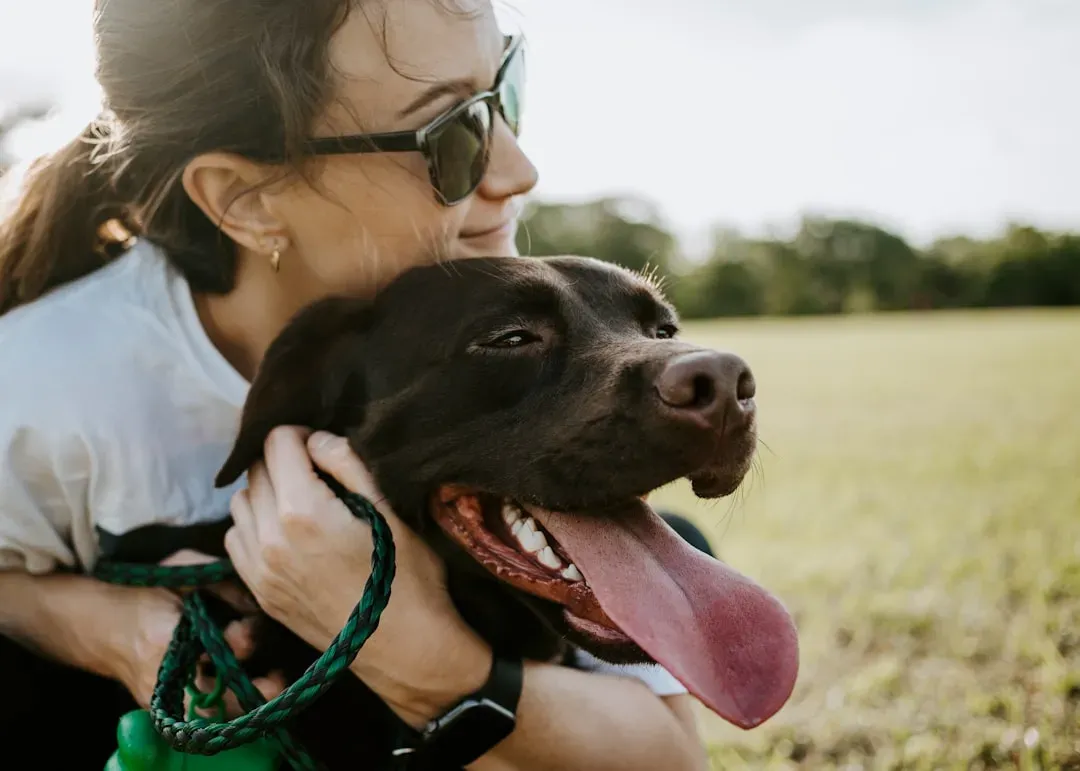
I’ll be honest – the science here stung a little when I first read it. One study of 250 photographs of people hugging their dogs found that 82% showed at least one sign of stress. A study of videos found that two-thirds of dogs who were hugged responded by trying to nip or bite. That’s a staggering number, especially when you consider those were photos people chose to share publicly to show off their loving bond.
A recent study led by Elizabeth Ann Walsh from the Cork Pet Behaviour Centre in Ireland is backing up what behaviorists have warned for years: hugging your dog may actually stress them out – and not just a little. A large majority of dogs show signs of discomfort when embraced. The fact that video footage was analyzed in that newer study meant researchers could catch even more signals, like blinking, panting, and tension, that still images simply miss.
While some dogs may tolerate or even enjoy the physical closeness, others may feel uncomfortable or stressed. Whether a dog enjoys hugs often depends on their personality and past experiences, including how well they’ve been socialized. So not every dog hates every hug. But the odds are not in your favor without checking first.
Other Stress Signals You Might Be Missing Alongside the Yawn
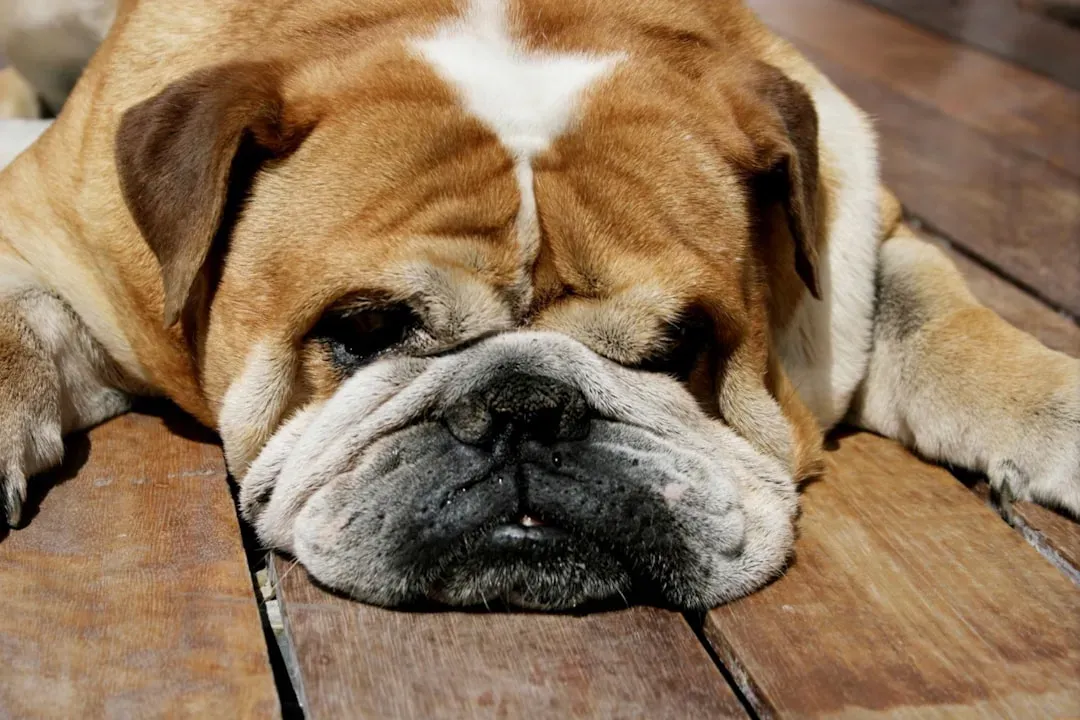
A yawn is rarely a solo act. Stress yawns are usually accompanied by other signs, like cowering, panting, pacing, or hiding. Learning to spot these cluster signals together is what really transforms you from a well-meaning owner into a truly tuned-in companion.
Watch for these in the moment you go in for a hug. If your dog stiffens or becomes still when you hug them, they are not enjoying the experience. A happy dog is loose and relaxed. Dogs will not make eye contact when they are uncomfortable, so they might turn their head away from you, sometimes also closing their eyes. Lip licking is another huge tell. When a dog quickly flicks its tongue across its lips, it is often a clear indicator of stress or unease.
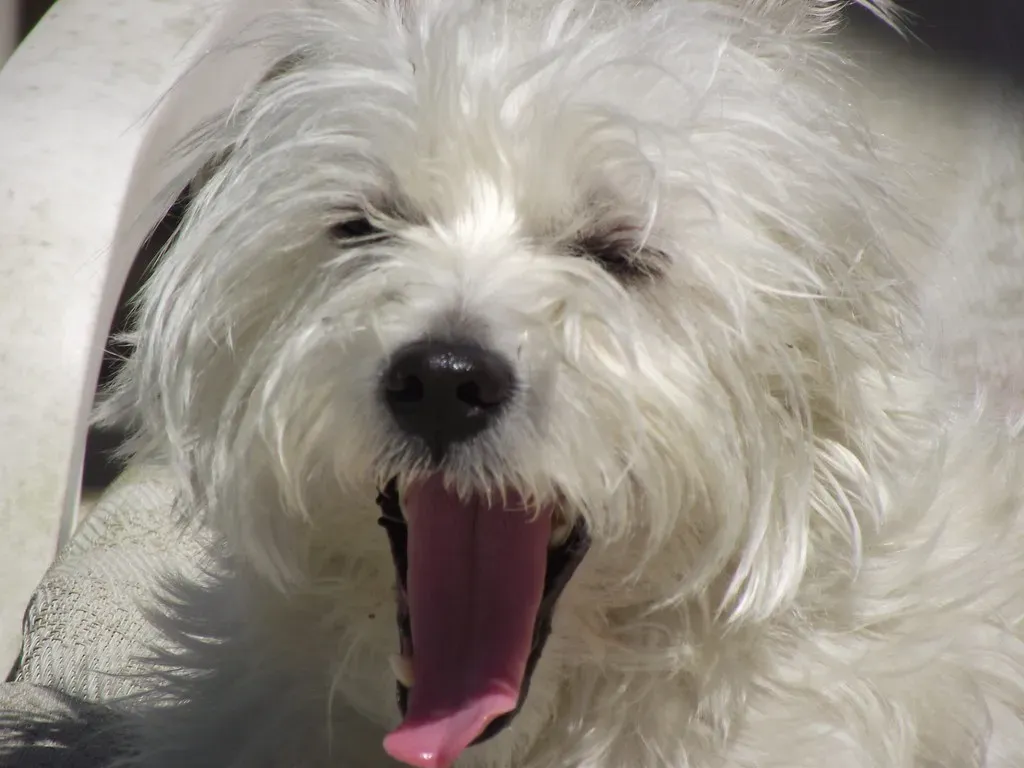
Yawns that happen in rapid succession are a surefire sign that your dog feels uncomfortable in its current situation. One yawn might be ambiguous. Three in a row while you’re mid-squeeze? Your dog is begging you, as politely as possible, to please let go. They’re not being dramatic. They’re communicating beautifully. It’s on us to hear it.
How to Show Love in Ways Your Dog Actually Understands
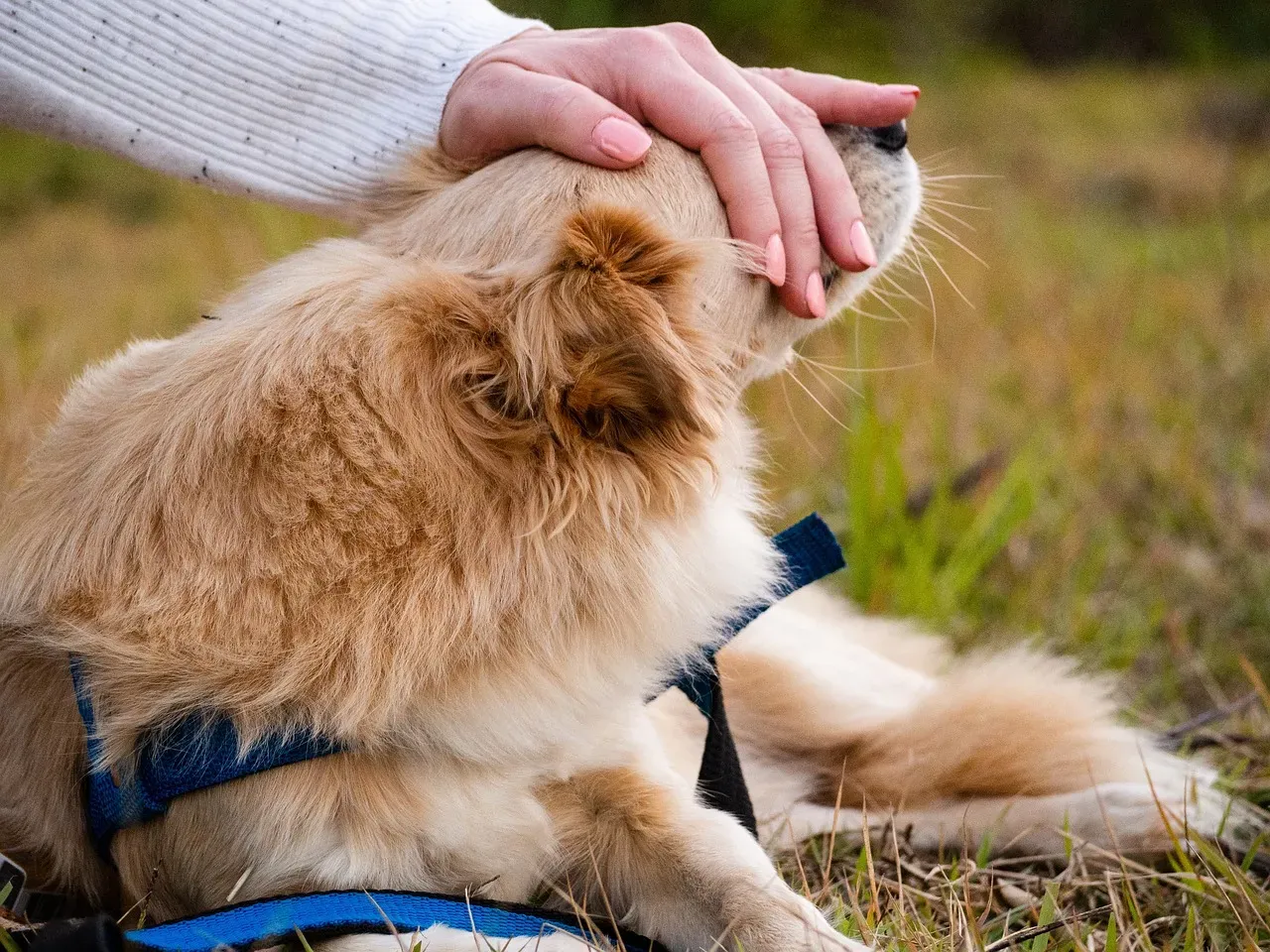
This is the part that should leave you feeling hopeful, not guilty. There are so many ways to love your dog that genuinely feel wonderful to them. Focus on gentle gestures like chin rubs, ear scratches, and calm strokes. These kinds of touches let your dog stay in control of the interaction – they can lean in, or they can walk away. That choice matters deeply to them.
When you and your dog maintain eye contact, both of you get a boost in oxytocin. This hormone strengthens social bonds and lets your dog literally “feel the love.” Long gazes over one minute boost your dog’s oxytocin more than short glances. A soft, lingering gaze with a calm voice can be more bonding than any squeeze. Try it and watch what your dog does next – they might just lean right into you.
Talk to your dog in a low, warm voice, give them belly rubs when they roll over to ask for affection, and cuddle with them on the couch on their terms. That phrase “on their terms” is everything. If your dog rests their head on you or nuzzles against you, it’s a subtle sign they’re enjoying the moment and trust you deeply. An even stronger sign is if they seek out hugs and physical affection on their own. When they come to you, that’s the real love language.
Conclusion: Listening IS Love
Understanding the yawn changes everything. It shifts the relationship from one where we project our feelings onto our dogs, to one where we actually hear them. The subtle stress signals – whale eye, lip licking, yawning, and others – are not signs of misbehavior or disobedience. They’re polite, peaceful communications that say, “I need help; I’m feeling overwhelmed.”
When you listen to your dog’s signals, you build trust. Your dog learns, “My person pays attention and keeps me safe.” This trust makes your bond even stronger. Honestly, that’s a far more beautiful connection than any photo-perfect hug could ever capture.
Your dog isn’t pushing you away. They’re just asking you to love them differently – in a language that truly makes sense to them. The moment you start responding to that ask, everything changes. So the next time your dog yawns when you pull them close, take it as a gift. They trusted you enough to tell you the truth. What will you do with that?


