You know that moment when you walk through the door and your dog greets you like you’ve been gone for years, even though you only stepped out for groceries? That pure, unfiltered joy is something special. It’s hard to put into words what makes the bond with a dog so profound, but maybe that’s because it goes beyond words entirely. In a world where connections can feel transactional or complicated, the love your dog gives you is refreshingly simple and deeply genuine.
The thing is, your dog’s affection isn’t just endearing or heartwarming. It’s actually rooted in fascinating science, complex emotions, and thousands of years of evolution that made them uniquely wired to bond with us. Let’s explore what makes that connection so irreplaceable.
The Science Behind Those Loving Gazes
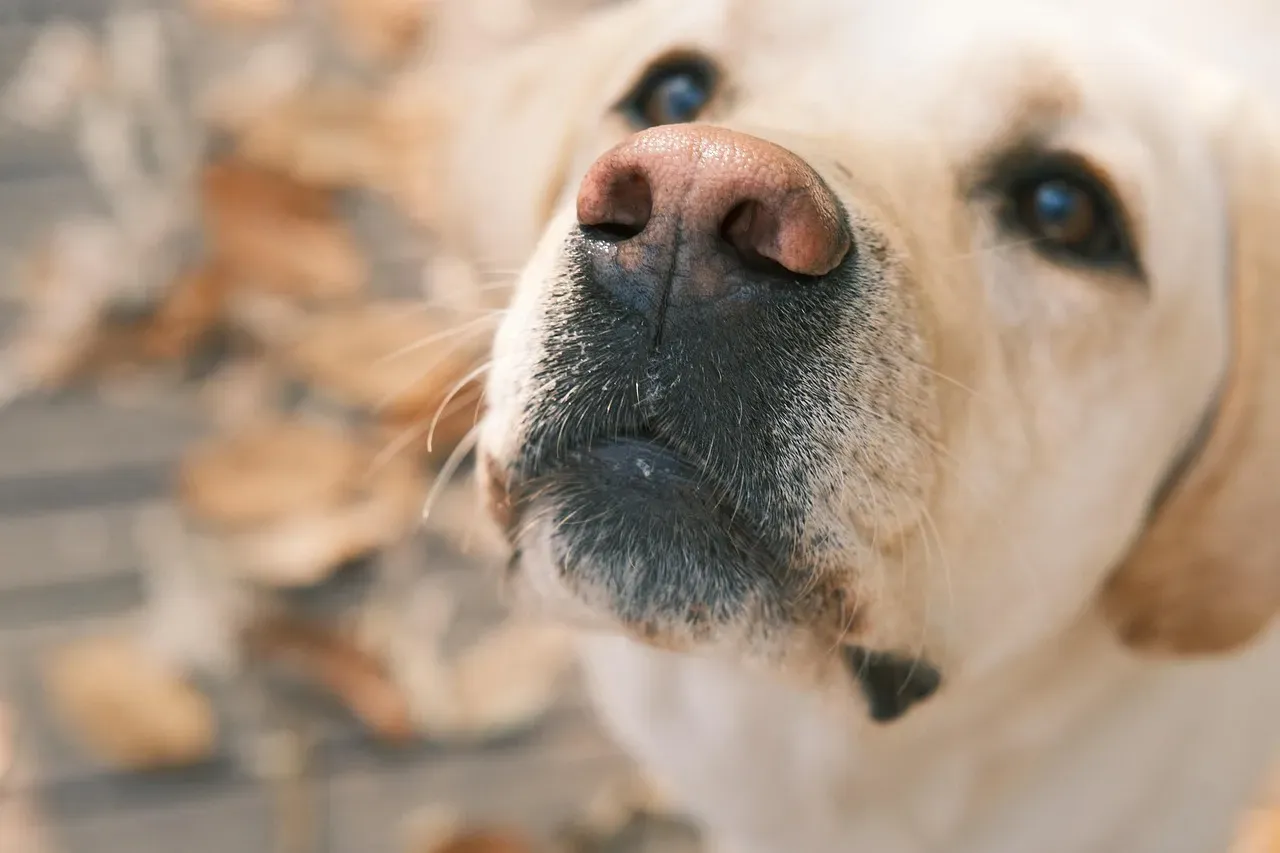
Ever caught your dog staring at you from across the room with those soft, soulful eyes? That’s not just cute behavior. When dogs and humans interact with each other in a positive way, both partners exhibit a surge in oxytocin, often called the love hormone. Dogs that spent the greatest amount of time looking into each other’s eyes experienced a 130% rise in oxytocin levels, and owners saw a 300% increase.
What makes this truly remarkable is that it mirrors the same bonding loop between mothers and infants. Human-dog interactions elicit the same type of oxytocin positive feedback loop as seen between mothers and their infants. When your dog gazes at you, your brain releases oxytocin. This makes you feel warm and connected, which encourages you to look back. Your dog then gets another oxytocin boost, creating a beautiful cycle of affection.
Interestingly, this bond is unique to dogs. Even wolves that had been raised by humans did not communicate by eye gazing and did not experience an oxytocin feedback loop. This means your dog has evolved specifically to connect with you in this powerful way.
Decoding Your Dog’s Love Language
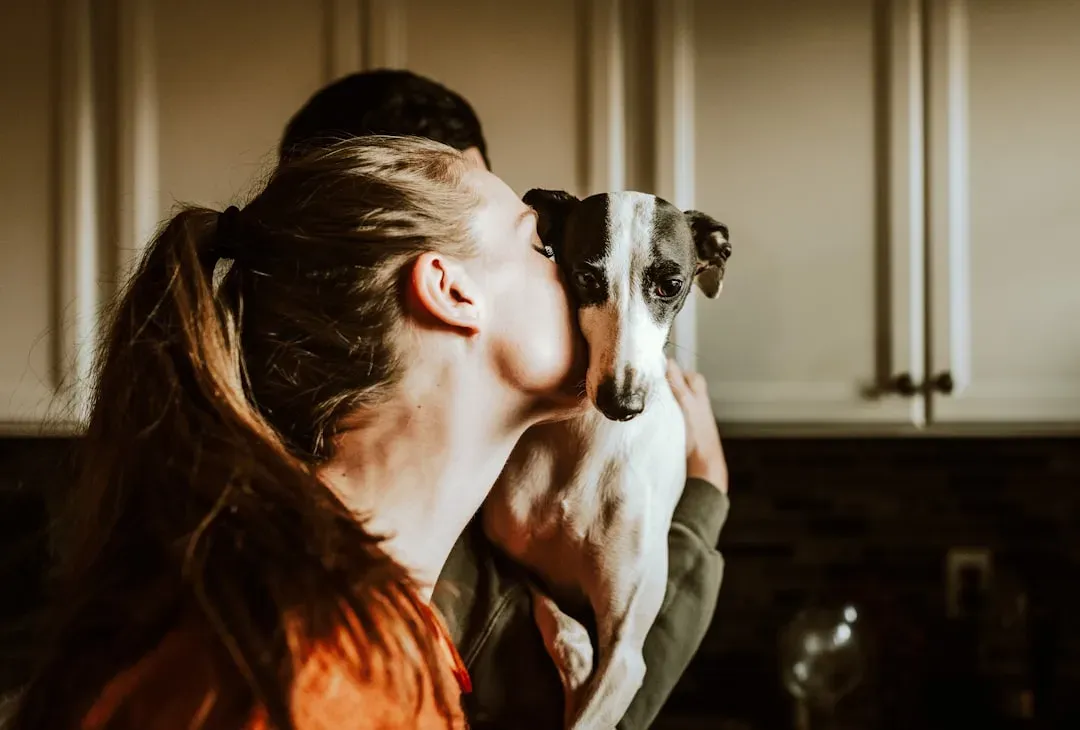
Dogs speak volumes without saying a word. Your dog may jump, wag their tail vigorously, and even bark out of excitement when you return home. That full-body greeting is one of the most honest displays of joy you’ll ever witness.
If your dog leans their body weight against you or rests their head on your lap, it’s a sign of trust and attachment. They’re literally putting their weight on you because they feel safe. Some dogs express their attachment by bringing you toys or other items as gifts, similar to how a mother dog might bring food to her puppies.
Following you everywhere is another telltale sign. An emotionally attached dog will follow their human around the house from the moment they wake up, whether you’re brushing your teeth, washing the dishes, or doing a workout. That constant companionship isn’t clinginess. It’s devotion. They genuinely want to be part of every moment of your day.
The Attachment Bond That Mirrors Human Relationships
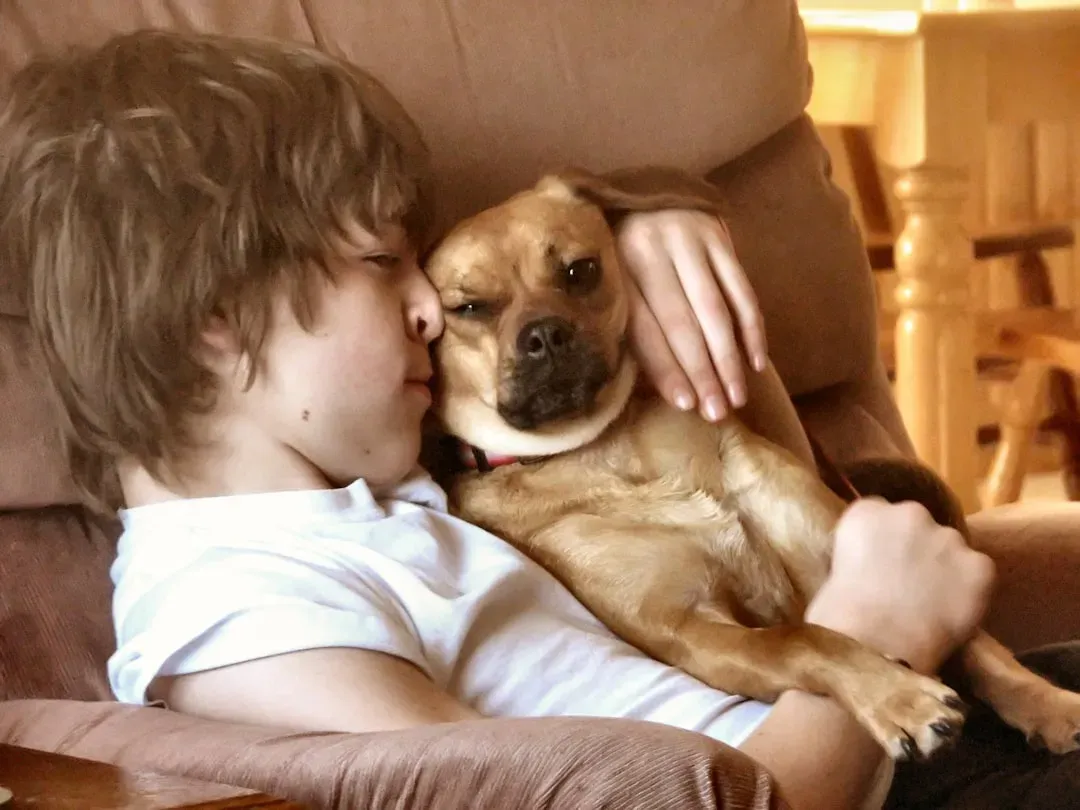
Psychologists believe that the relationship between human and canine is a bidirectional attachment bond, which resembles that of the typical human caretaker/infant relationship. This isn’t just a poetic comparison. It’s backed by behavioral science.
The display of proximity seeking behavior where the canine will seek out its caretaker as a means to cope with stress shows how deeply your dog depends on you emotionally. When a securely attached dog is separated from their owner, exploratory behaviours decrease and distress behaviours and vocalizations increase significantly, and a stranger cannot comfort the dog.
Yet when you return, watch how quickly their world rights itself. The dog will approach the owner, make eye contact and initiate physical contact including touching with the head or snout, and distress behaviours usually disappear quickly once reunited. This reunion behavior is powerful evidence of the secure attachment your dog has formed with you.
When Your Dog Becomes Your Emotional Support
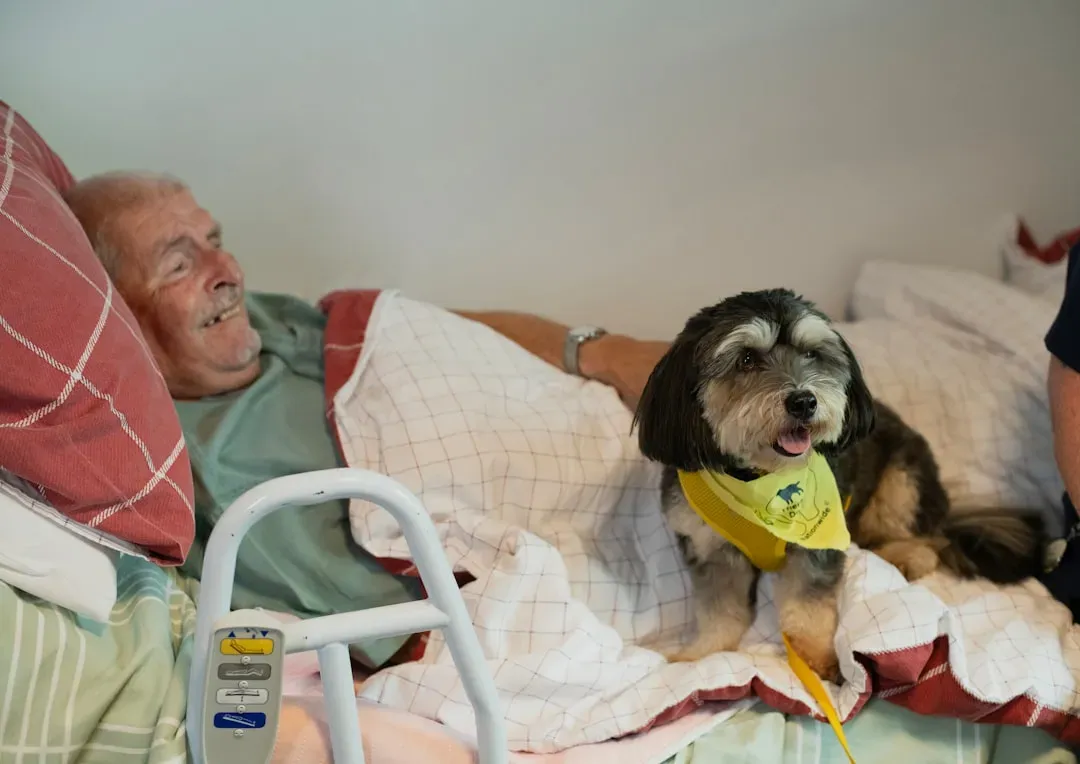
Dogs with strong emotional attachments will be very in tune with their pet parent’s emotions and can pick up on feelings of anxiety or sadness and will try to provide comfort by nuzzling or licking your face. Honestly, there’s something profound about how dogs just know when you’re having a rough day.
Pups who are truly connected with their humans will turn to them when they are stressed or anxious, and this behavior is indeed proof of strong attachment. A 2016 study found dogs can recognize human emotions on our faces, which explains why your dog seems to respond differently when you’re upset versus when you’re happy.
When dogs sniffed their owner’s scent, the caudate nucleus lit up, but when the dogs sniffed other random humans or dogs, the effect wasn’t as strong. Your specific presence triggers a reward response in your dog’s brain. You’re not interchangeable with any other person in their eyes.
Building and Strengthening Your Bond
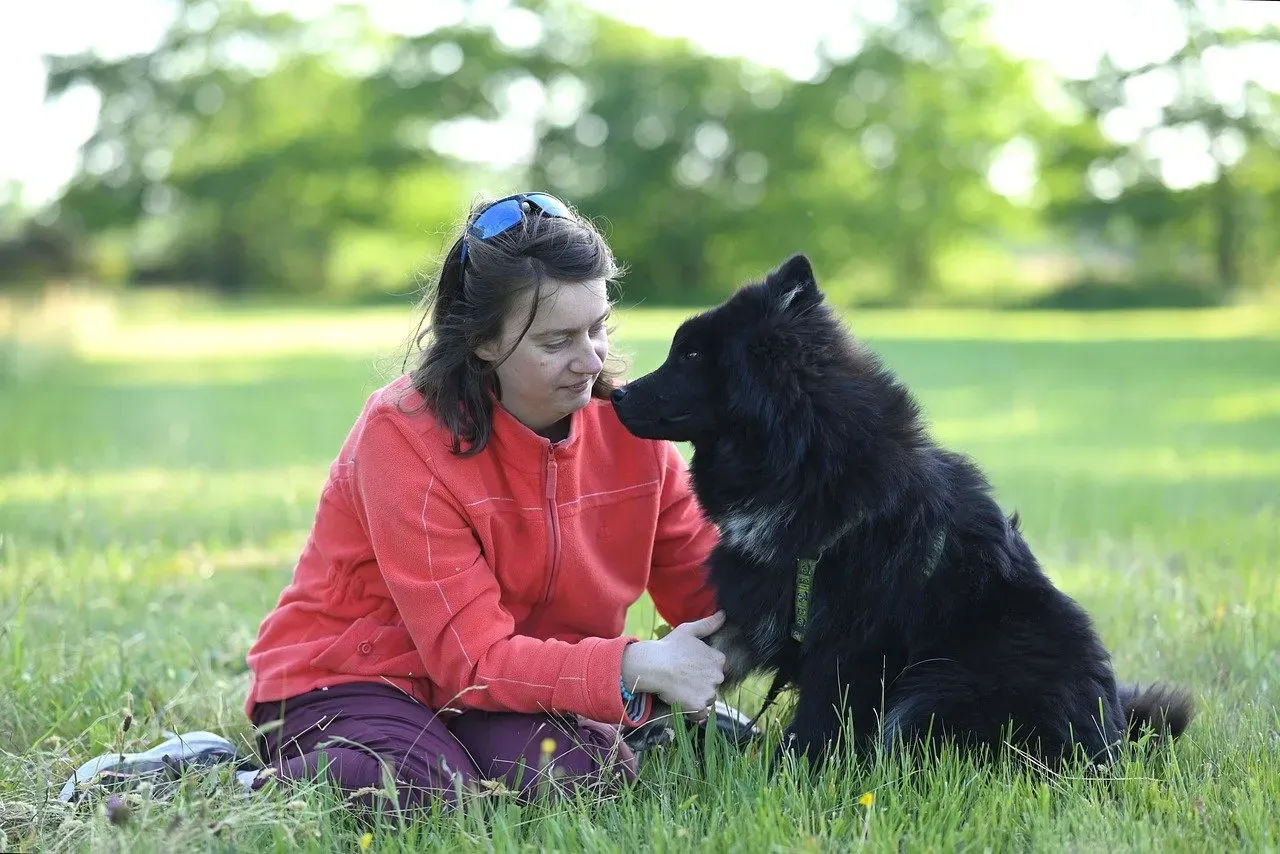
The beautiful thing about the dog-human relationship is that you can actively nurture it. Using rewards to train your pup is bonding because dogs get to be with you, learn a behavior, and eat all at the same time. Positive reinforcement isn’t just effective training. It’s quality time that deepens trust.
Dogs belonging to those who regard their animals as social partners or meaningful companions have been shown to have relatively low salivary cortisol concentrations. How you view your dog actually affects their stress levels. When you see them as a true companion rather than just a pet, they feel it.
Consistency matters deeply. Your dog wants to know they can count on you, and feeding them nutritious meals on a set schedule is one way to build that trust. Activities like walks, training sessions, and play aren’t just exercise. When you participate in activities like walking, swimming, or practicing agility with your dog, you’re demonstrating love and strengthening the bond.
Recognizing the Gift They Give You Daily
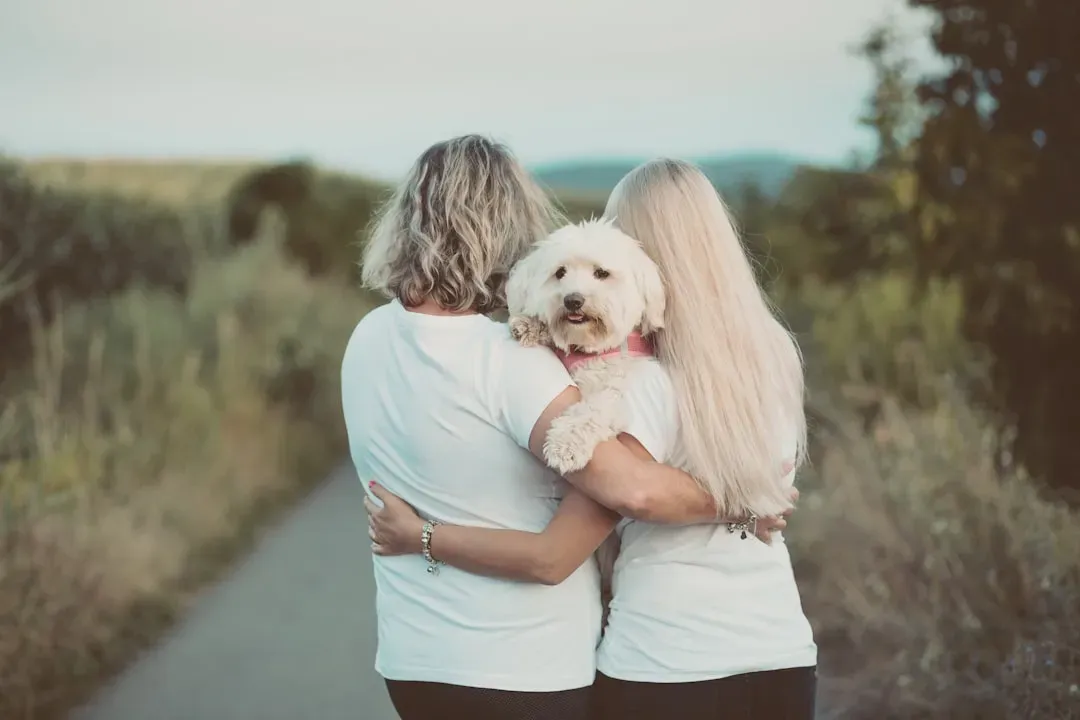
Pets show love by being excited to see us, by greeting us, by vocalizing in ways that show us they’re excited to see us, by spending time with us and seeking us out. Every wag, every nudge, every contented sigh is a gift. A mutual gaze between a dog and a human can increase oxytocin in both the human and the dog, creating shared moments of genuine connection.
Let’s be real. Your dog doesn’t care about your job title, your bank account, or whether you remembered to vacuum this week. You are the most important individual in your dog’s life, and he looks to you for guidance, approval, companionship and love. That kind of unconditional acceptance is rare and precious.
The relationship works both ways. Almost all the ways that show that pets love you are built on the understanding that you love them, and the human-animal bond goes both ways. The more you invest emotionally in your dog, the more secure and loving they become. It’s a beautiful feedback loop of trust and affection.
Conclusion: A Love Worth Celebrating
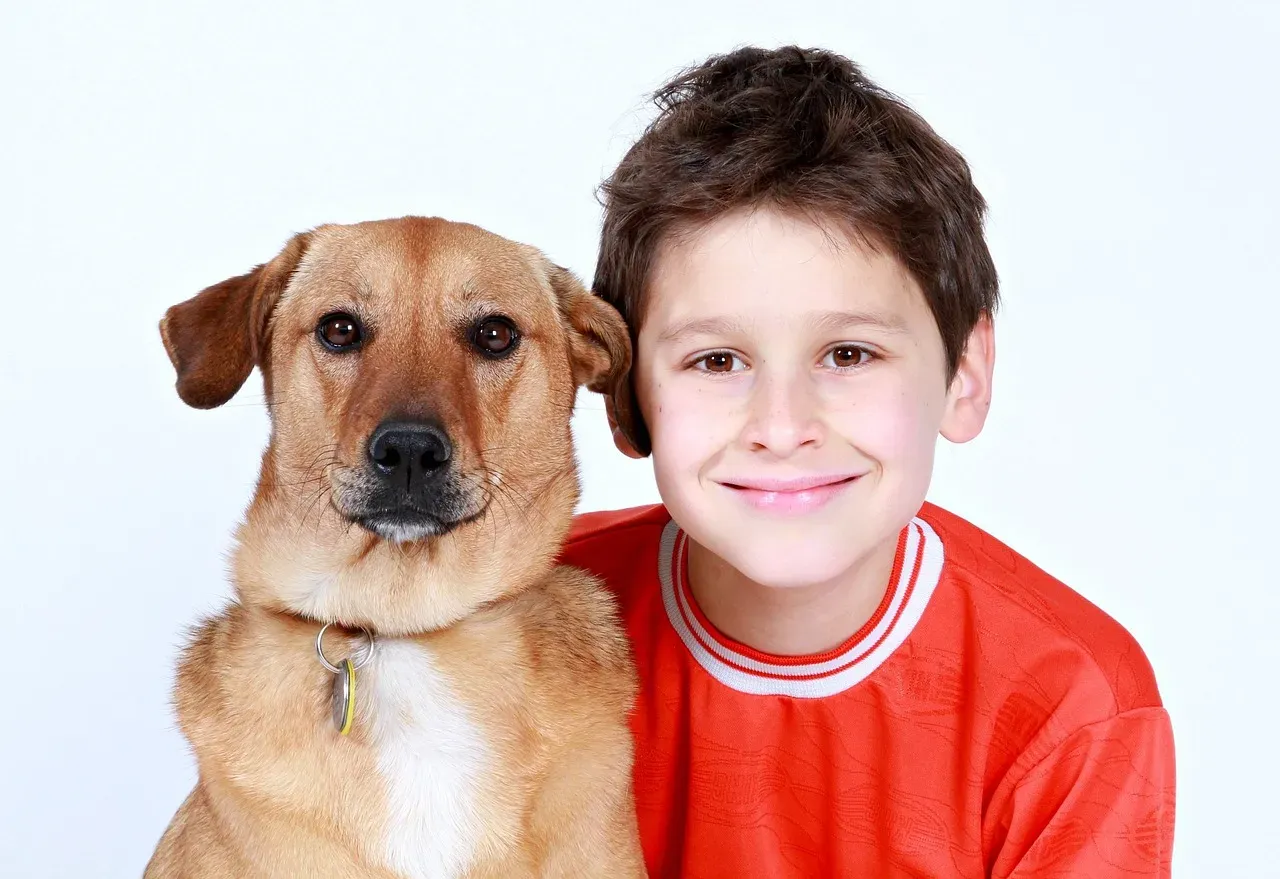
Your dog’s affection represents one of the purest forms of connection available in this world. It’s a bond forged through evolution, strengthened by daily interactions, and validated by cutting-edge science. Every tail wag, every gentle lean, every time they choose to rest beside you is a reminder of the profound trust they place in you.
This gift your dog offers, this unwavering devotion and joy, deserves to be cherished and reciprocated. They don’t ask for much. Just your presence, your consistency, and your love in return. What do you think makes your bond with your dog so special? Tell us in the comments.