
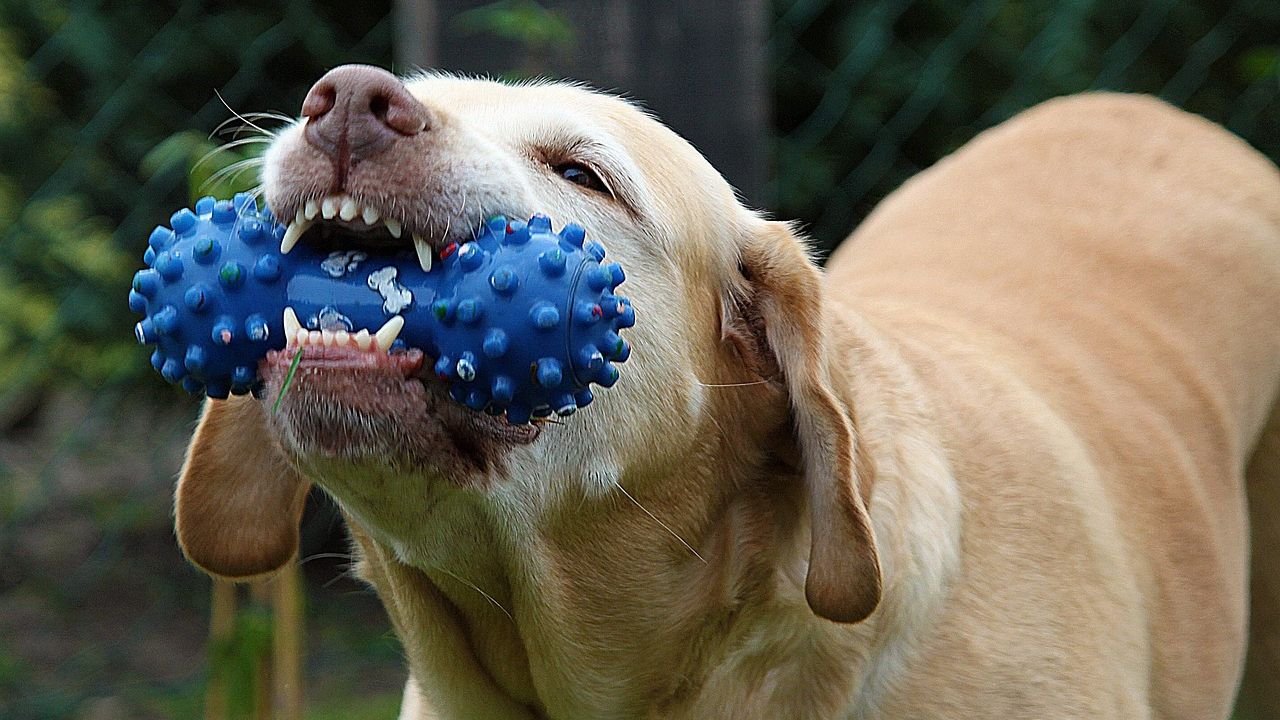
Picture this: you come home after a long day, and there it is. A shredded pillow. Muddy paw prints up the wall. Your favorite shoes, unrecognizable. You look at your dog, who is wagging their tail with absolutely zero remorse, and you think – why? Why do they do this?
Here’s something that might shift everything for you. Your dog isn’t being spiteful. They aren’t trying to punish you. They are, quite simply, trying to tell you something. Dogs don’t act out simply to be difficult or spiteful. Their behavioral changes often stem from underlying issues that require careful attention and understanding. Think of it like a child throwing a tantrum because they can’t find the words to express how they feel. The behavior looks like the problem. It rarely is. Let’s dive in.
The Barking That Won’t Stop: Your Dog Is Desperately Trying to Communicate

Honestly, nothing tests a dog owner’s patience quite like relentless barking. Your neighbors are giving you looks. You’re giving yourself looks. Yet before you lose your mind, take a breath and listen more closely. Excessive barking is usually an indicator of underlying issues such as pain, fear or distress, the presence of triggers, and/or failure to meet the dog’s mental and physical needs, including insufficient exercise, mental stimulation, and/or social interaction.
Modern research from the American Veterinary Society of Animal Behavior points to fear, stress, and unmet needs, not pack leadership struggles, as the root of most problem barking. So that thunderous woofing at every jogger passing the window? It might be frustration, boredom, or genuine fear. Knowing that your dog has a reason for barking helps resolve issues with compassion and understanding. Start by noting patterns: when does it happen, what triggers it, and does the bark sound panicked or excited? That context changes everything. Make sure your dog is getting enough exercise and mental enrichment. If your dog barks at outside noises, close blinds, play calming music, or use puzzle toys to redirect their focus.
Destructive Chewing: It’s Not Naughtiness, It’s Biology
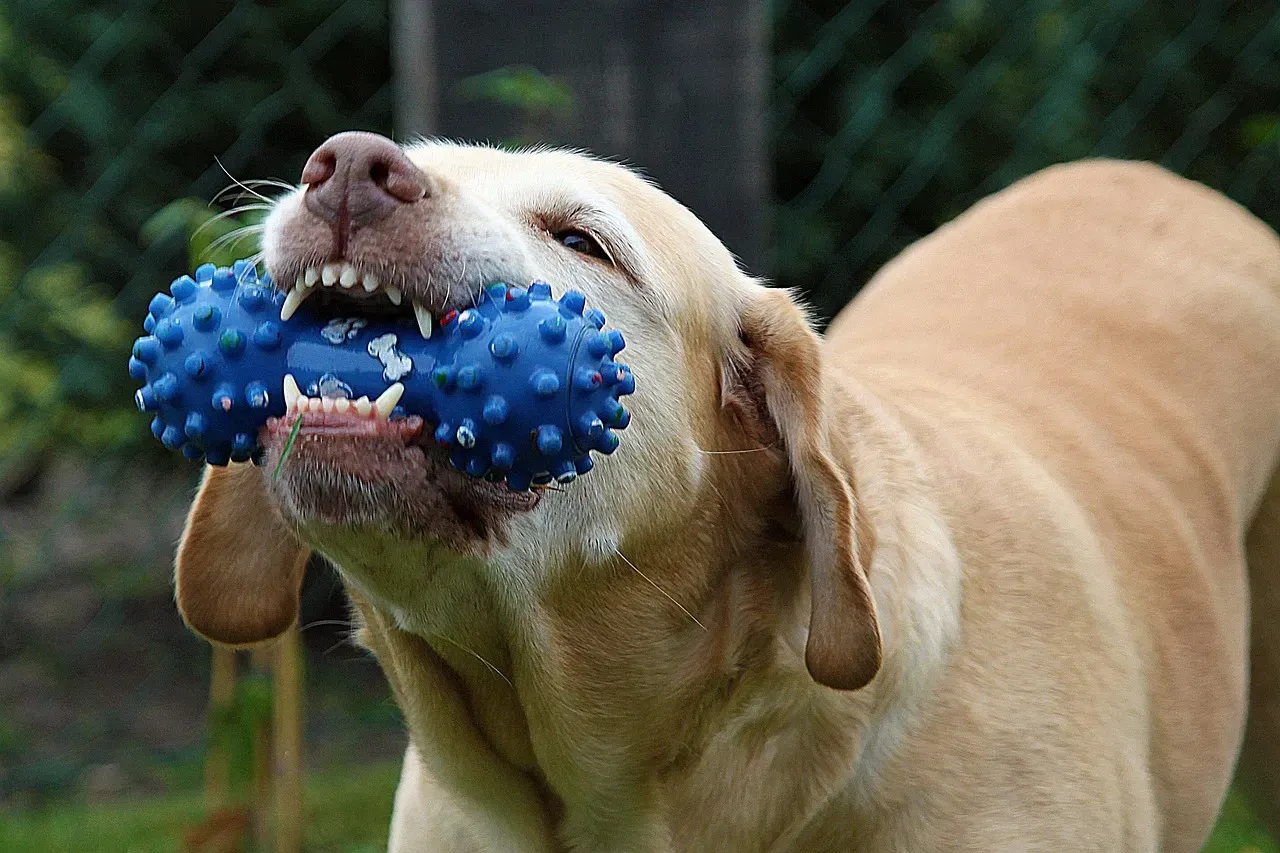
Let’s be real. Discovering your dog has demolished your couch is genuinely infuriating. Still, science actually backs your dog up on this one, at least in terms of motivation. Chewing relieves stress, occupies the brain, releases energy, and provides comfort. Adult dogs that chew excessively aren’t misbehaving but are instead communicating. When the chewing turns destructive, it usually means the dog lacks appropriate outlets to release their energy.
Chewing may fulfil appetitive motivations, while the denial of the opportunity to chew appropriate substrates may leave these motivations unfulfilled and cause frustration. To achieve oral satisfaction, dogs seeking to fulfil their need to chew may target available but inappropriate substrates or those valued by humans, such as bedding or furniture. Think of it like this – if someone hid every pen in your house and you desperately needed to write, you’d eventually use a marker on the wall. By providing a variety of safe, durable chew options, it can help dogs make better choices. Try rotating toys to keep your dog engaged, which can help prevent boredom from creeping back in. Variety is the key word here. One neglected rope toy in the corner simply won’t cut it.
Separation Anxiety: The Heartbreak Hidden Behind ‘Bad’ Behavior

Of all the behaviors that get mislabeled as bad, separation anxiety is perhaps the most misunderstood – and the most heartbreaking, honestly. Separation anxiety is a stress response a dog exhibits when they are away from the person or people they’re bonded to. It’s similar to a human having a panic attack. So when your dog soils the house or scratches the door frame while you’re out, they aren’t being vindictive.
Dogs with separation-related behavior problems engage in unwanted behavior such as destruction of property and excessive vocalization when left alone, causing distress for both the dog and the owner. Although it remains somewhat of a mystery as to what makes certain dogs more prone to separation anxiety, triggers can include over-attachment due to how they were raised as a puppy, underlying emotional predispositions, having been rehomed, or a sudden change in household routine. The fix involves patience, not punishment. The best way to help a dog with separation anxiety is to permanently change their perception of what being alone means, one second at a time. Start tiny. Leave for one minute. Come back calm. Build slowly from there.
Jumping, Digging, and Pulling: The Unmet Exercise and Stimulation Problem
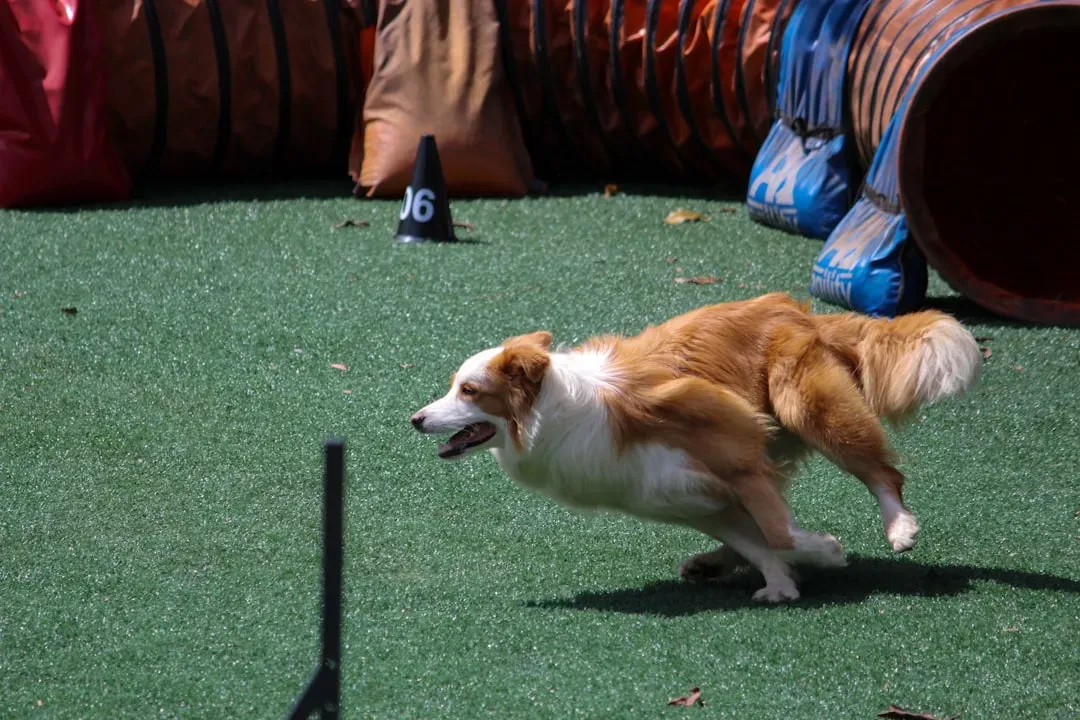
Here’s the thing most dog owners overlook: a bored dog with full batteries is basically a tiny, furry chaos engine. Dogs need structure, physical exercise, mental stimulation, and consistent communication. Without these, they may develop bad habits as a way to cope, get attention, or burn off energy. Jumping on guests? That’s excitement spilling over because their social needs weren’t met that morning. Digging up the garden? That might be boredom, instinct, or even an attempt to cool down.
Dogs dig for many reasons: to cool off, relieve boredom, or because it’s instinctual. Rather than battling the instinct, redirect it. Embrace the desire to dig by setting up a small sandbox in your yard where your dog can satisfy their instinct. To encourage them to use that spot, bury something they need to dig out and offer lots of praise when they do. For jumping, positive reward-based training teaches your dog that good things happen when they do what you ask, strengthens your bond, and provides mental stimulation that will help tire them out, making them less likely to misbehave. It’s not complicated, but it does require consistency from every person in the household.
The Power of Positive Reinforcement: Rewriting the Story Together

Now we get to the good part. Once you understand that your dog’s behavior is a form of communication about unmet needs, the path forward becomes genuinely exciting rather than exhausting. Behavior problems in dogs are not a sign of a ‘bad’ pet. They are a message that something is off in the dog’s environment, routine, or emotional well-being.
Positive reinforcement strengthens behavior, builds trusting relationships between pet parents and their animal companions, and protects the behavioral health of pets. It’s worth knowing too that many studies find that people who use reward-based training methods report their dogs as being more obedient than those who use aversive techniques. Using positive reinforcement is better for the human-canine bond and better for animal welfare than using negative reinforcement. Practically speaking, this means rewarding the behavior you want to see more of, and redirecting – not punishing – the behavior you don’t. Dogs that suddenly show a change in behavior might actually be suffering from a medical issue. For instance, a dog that you believe has ‘forgotten’ that they’re housebroken might have a bladder infection. Always rule out physical health causes first, then address the behavioral piece. Your vet is always a valid first call.
Conclusion: Your Dog Isn’t Broken, They’re Talking
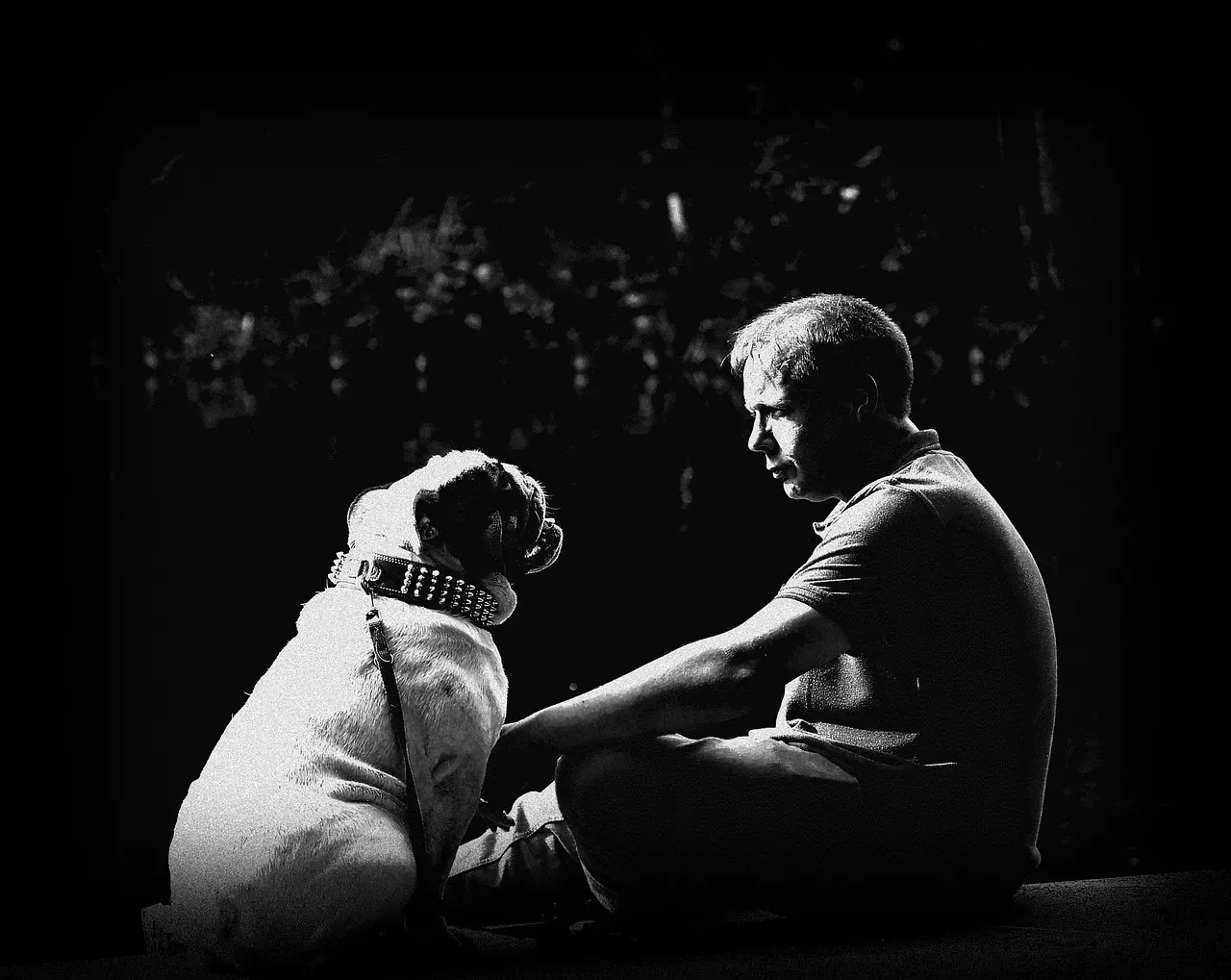
Every chewed shoe, every bark marathon, every muddy dig site is your dog trying to bridge a gap in communication. Destructive dog behaviors can almost always be traced to an underlying issue. A dog suffering from behavior problems is perhaps bored, being accidentally encouraged, or might even be suffering from a medical condition. Once you stop seeing these moments as acts of defiance and start seeing them as requests – for stimulation, comfort, connection, or simply more to chew on – everything shifts.
You don’t need a perfect dog. You need a better conversation. Start small, be consistent, lead with empathy, and watch how quickly your relationship deepens. Even older dogs can learn with the right help. That’s the most beautiful part of all of this. It’s never too late. So next time your dog looks up at you after some questionable behavior, ask yourself not “why are they so bad?” but “what are they trying to tell me?” The answer might just change everything.
What do you think? Has understanding your dog’s behavior changed how you respond to them? Share your experience in the comments below!


