Ever wonder why your neighbor’s dog barks at every leaf that falls, while yours only pipes up when the doorbell rings? Here’s the thing about your dog’s barking: it’s not random. Behind every woof, bay, or howl is a genetic story written by centuries of selective breeding. Some dogs were designed to sound the alarm, others to stay silent as they worked.
When you welcome a dog into your life, you’re not just adopting a personality. You’re also bringing home generations of instinct baked right into their DNA. The sound level in your home might depend less on training and more on what your dog was bred to do hundreds of years ago. Let’s dive into this fascinating connection between breeds and barking habits.
The Genetics Behind Your Dog’s Voice
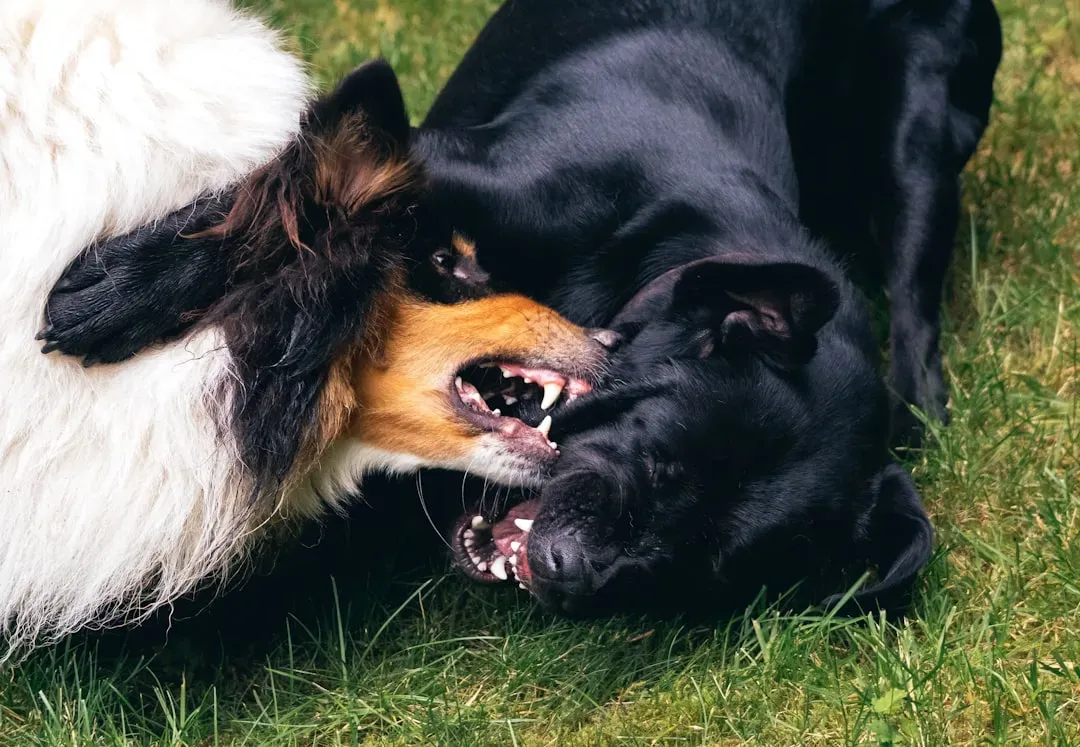
Barking differences in dogs are primarily attributed to genetic variation caused by domestication rather than just environmental factors. Think of it like this: when humans started breeding dogs for specific jobs, they weren’t just selecting for physical traits. They were also choosing dogs based on how they communicated.
Genetics play a significant role in a dog’s propensity to bark, as certain breeds have been selectively bred for specific traits, including vocalization. This means your Beagle’s tendency to bay at every scent trail or your Basenji’s unusual silence isn’t a quirk. It’s hardwired behavior passed down through bloodlines.
Honestly, the science gets even more interesting. Bark structure varies predictably with context, suggesting that barks can be divided into contextual subtypes, which shows just how complex canine communication really is.
Hounds: The Original Loudmouths
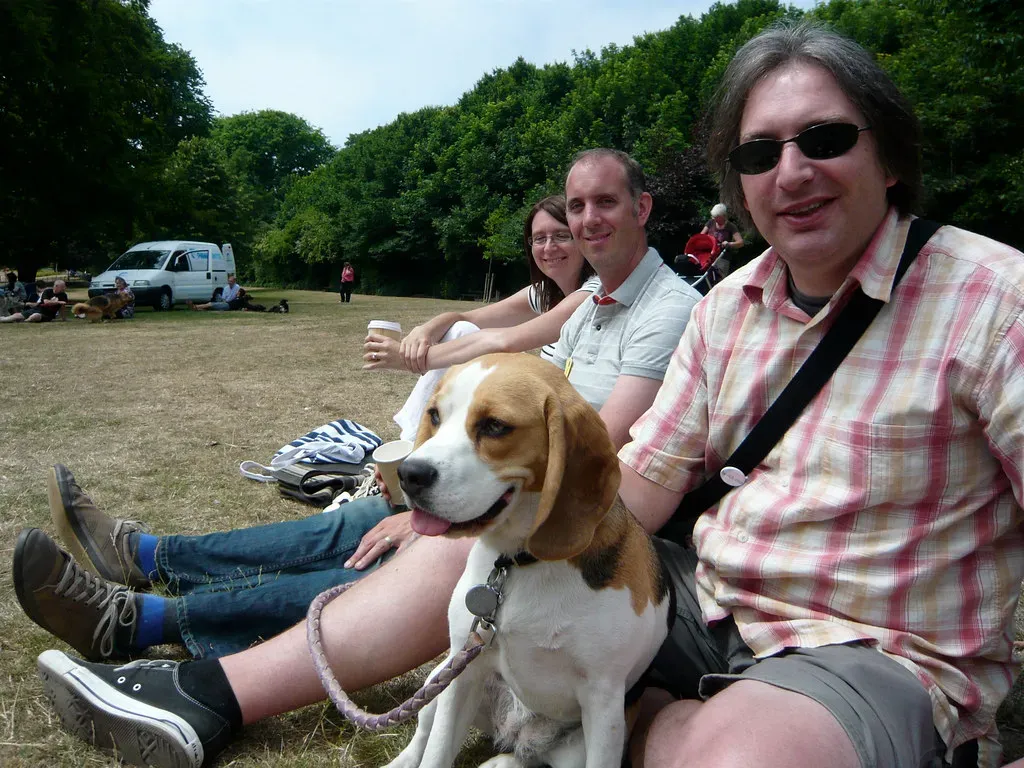
Many hound breeds were bred to assist hunters by tracking prey and alerting with distinctive bays. Take the Beagle, for instance. Beagles are a vocal breed, and their barking is often linked to their hunting heritage as they were originally bred to alert hunters.
Most Beagles will bark when confronted with strange situations, and some will bay when they catch the scent of potential quarry. That distinctive howling sound? It’s not annoying behavior – it’s your Beagle doing exactly what their ancestors were meant to do. Their vocal nature served a purpose: keeping hunters informed of their location during a chase.
What makes hounds particularly chatty is their incredible sense of smell combined with their communication instincts. When a scent hound picks up an interesting trail, staying quiet simply isn’t in their vocabulary. They’re literally bred to broadcast their discoveries.
Working and Herding Breeds: Vocal Coaches of the Animal Kingdom
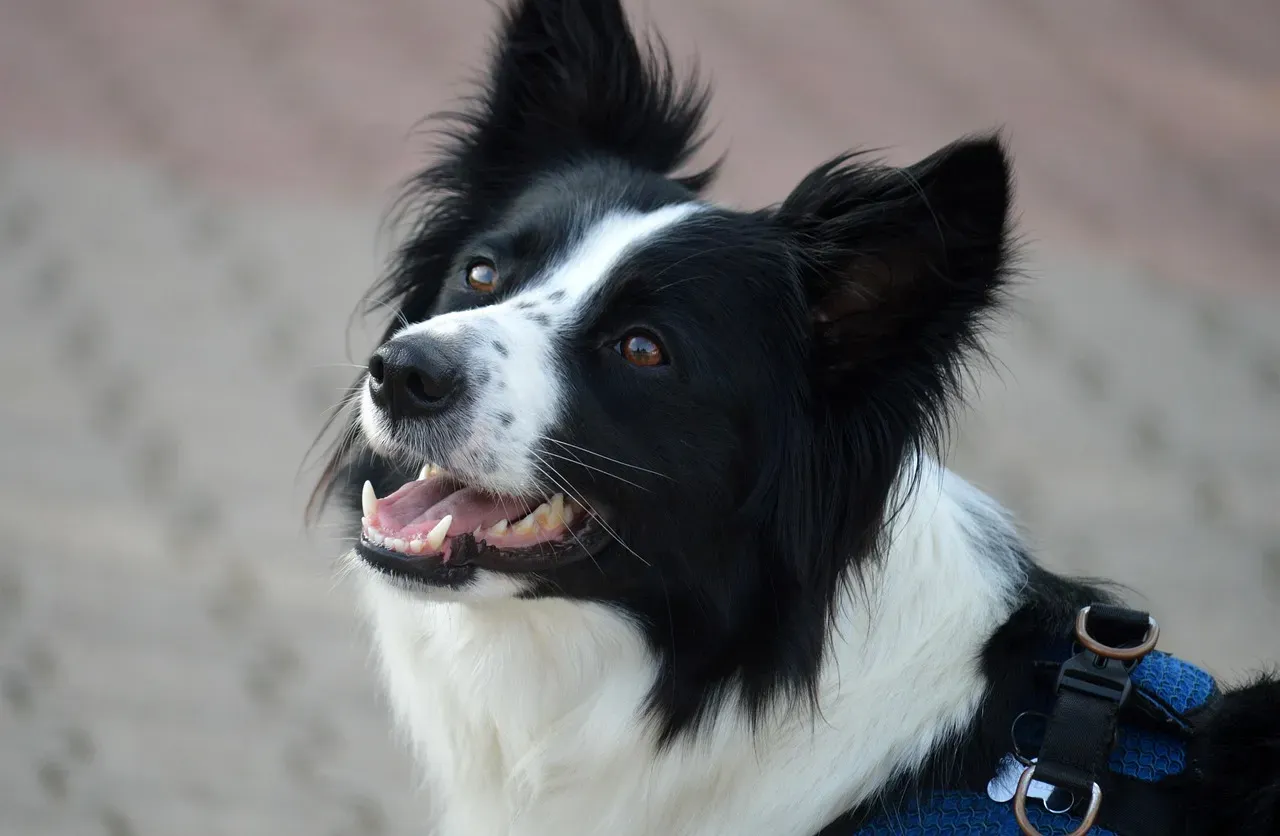
Breeds historically employed for herding, such as border collies, may exhibit a genetic predisposition toward alertness and the utilization of vocal cues to maintain control over their charges. These dogs needed to communicate across vast distances in fields and mountainsides.
The New Zealand Huntaway uses its loud, deep bark to muster mobs of sheep, which shows how essential vocalization became for certain working lines. Meanwhile, livestock guardian dogs developed different vocal patterns altogether. Livestock guardian dogs confront predators by vocal intimidation, barking, and displaying very aggressive behavior.
Most livestock guardian dogs bark a lot when sensing an unfamiliar or threatening presence. These breeds, like Great Pyrenees and Anatolian Shepherds, were designed to use their voices as weapons – deterring wolves and predators through sound alone before ever needing physical confrontation.
The Silent Types: Breeds That Keep It Quiet
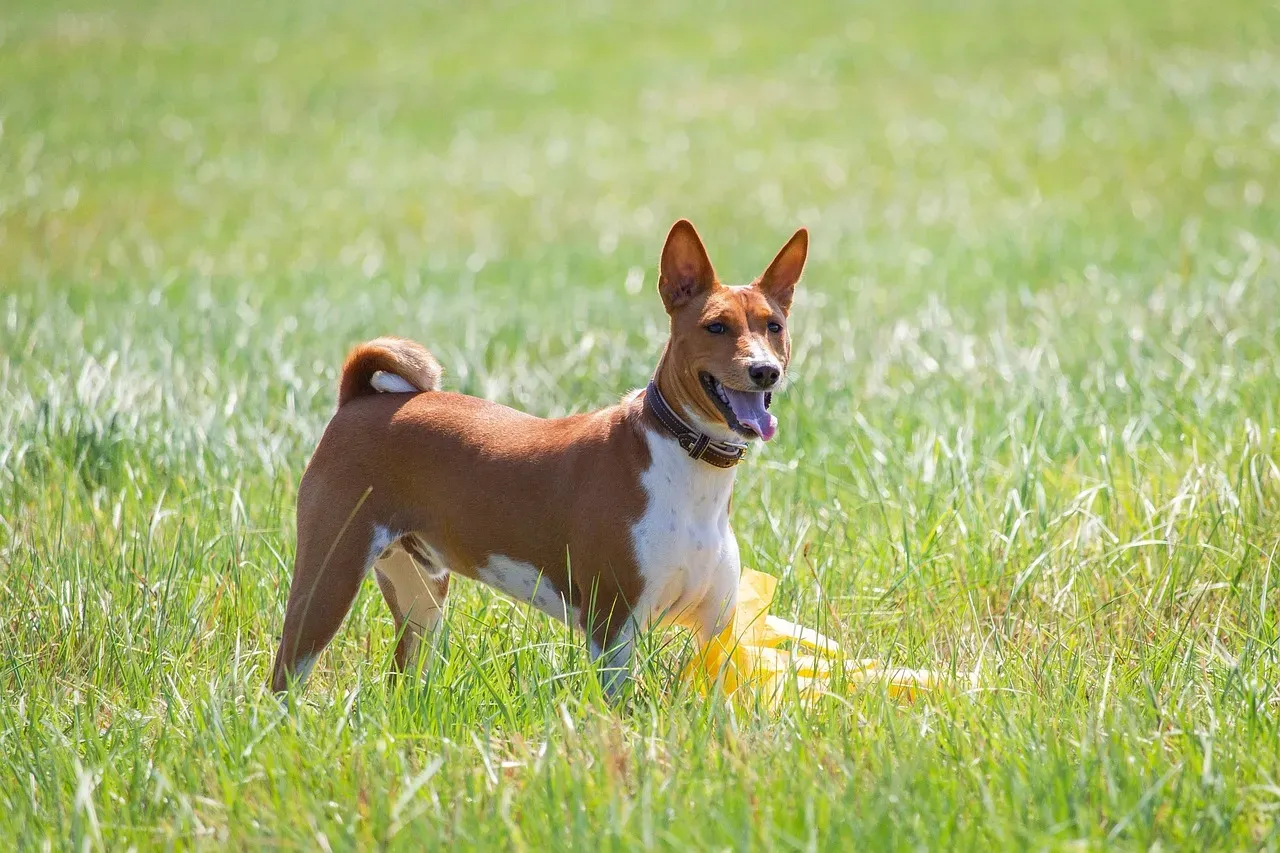
Not every breed believes in making noise. The basenji is known as the “barkless dog,” probably due to the unusual shape of their larynx, which may make it virtually impossible to bark. Instead, they produce unique yodeling sounds that are far less disruptive than traditional barking.
Stealthy breeds in the sighthound group or dogs bred for close companionship were often selected for quieter behavior. Greyhounds, Whippets, and Borzois fall into this category. These elegant dogs were bred for silent speed, not vocal alarms.
Even some toy breeds surprise people with their quiet nature. Cavalier King Charles Spaniels, originally bred as lapdogs for royalty, learned that peace and quiet were valued traits in palaces. Their calm demeanor reflects generations of selection for companionship over guarding instincts.
Understanding Your Individual Dog Beyond Breed Tendencies
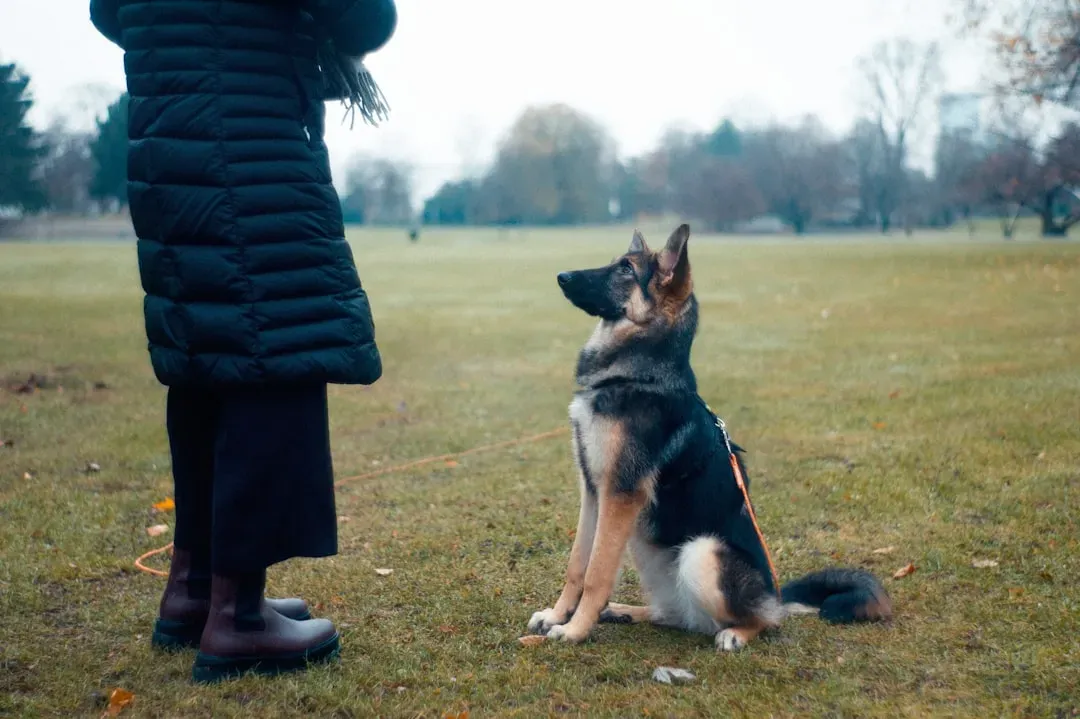
Here’s where things get nuanced. Breed explains just nine percent of behavioral variation in individuals, which means genetics aren’t the whole story. Your dog’s environment, training, socialization, and individual personality all play massive roles.
Beagles, Yorkshire terriers, and miniature schnauzers are known to be talkative breeds, yet plenty of individual dogs from these breeds live quietly with proper training and mental stimulation. The key is recognizing that breed tendencies give you a starting point, not a destiny.
Let’s be real: a bored herding dog in an apartment will bark more than a well exercised one with a job to do. Environment and training play major roles in vocal behavior, and many dogs bark out of boredom, stress, or lack of stimulation. Meeting your dog’s physical and mental needs often matters more than their breed label.
Conclusion
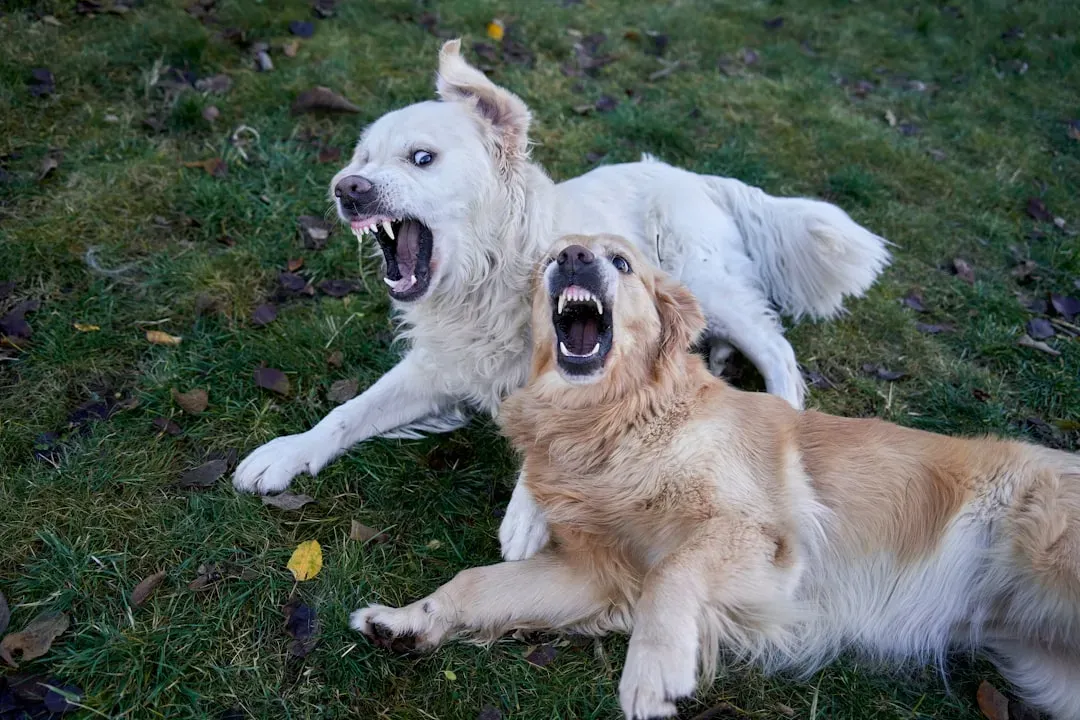
Your dog’s barking habits tell a story that stretches back centuries, woven into their breed’s original purpose and survival needs. From the Beagle’s hunting bay to the Basenji’s silent yodel, every bark carries meaning rooted in genetic history. Understanding this connection helps you appreciate why your dog communicates the way they do.
The beautiful part? While you can’t change your dog’s genetic blueprint, you can work with it. Knowing your breed’s natural tendencies empowers you to provide appropriate outlets, training, and understanding. Your vocal hound might need scent work activities, while your guardian breed needs boundaries around nighttime barking.
What surprises you most about your own dog’s vocal habits? Maybe now you see them in a whole new light – not as quirks to fix, but as echoes of their ancestral calling.