
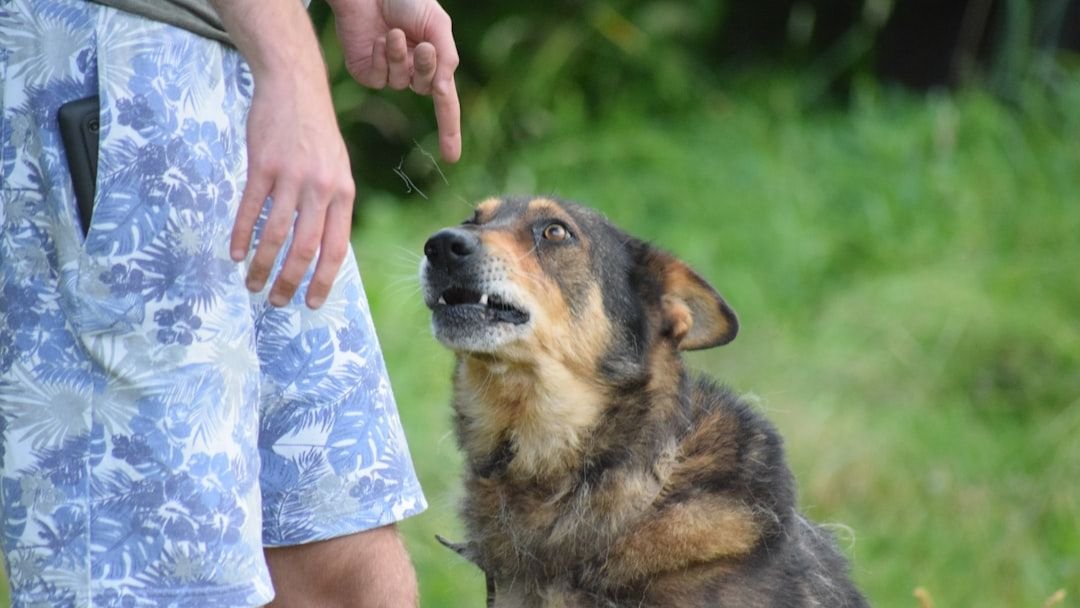
Picture this: you walk through the front door after a long, exhausting day, and your dog immediately erupts into a chorus of excited barks. Your first instinct might be to shush them, maybe even worry that something is wrong. But what if that bark is actually the most sincere, enthusiastic “I love you” your dog knows how to give?
Most of us think of barking as noise. As a problem to solve, a behavior to train away. Honestly, that’s a completely understandable response, especially if the neighbors have started giving you the look. Yet there’s so much more happening beneath the surface of every woof, yip, and howl your dog throws your way. The science is fascinating, the emotional depth is real, and once you understand it, you’ll never hear your dog’s bark quite the same way again. Let’s dive in.
Barking Is Your Dog’s Love Language – Literally

Barking is integral to a dog’s communication repertoire, enabling them to express emotions, interact with their human family, and alert their owners to potential threats. Think of it less like noise and more like a text message your dog is desperately trying to send you. The problem is, we haven’t always known how to read it.
It’s a natural behavior that evolved as a means of communication for domestic dogs, who rely on vocalizations more than their wild ancestors. While wolves primarily use body language and howling to communicate, dogs have developed barking as a versatile way to connect with humans and each other. In other words, your dog didn’t bark because evolution messed up. They bark because thousands of years of living alongside us taught them it works.
If dogs recognize your name and show signs of happiness, like tail wagging and barking, they associate you with good things. So when your dog loses their mind the moment you walk in, that bark paired with a wagging tail isn’t chaos. It’s joy. Pure, unfiltered, deeply felt joy – directed entirely at you.
The Greeting Bark: When Noise Is Actually “I Missed You So Much”

Let’s be real – the greeting bark hits different. Many pet parents are familiar with this scene: you open your door, and your dog is immediately attached to you at the hip, welcoming you home. Your dog might even bark, whine, or happy cry when you get back. That whole symphony of sound? That’s your dog’s version of a standing ovation.
Whether it’s been five hours or five minutes since they saw you, the certainty of their happy welcome is an indisputable sign of affection. I think that’s one of the most beautiful things about dogs. They don’t hold back. They don’t play it cool. They just love you, loudly and without apology.
A loving dog may let out a happy yip or bark, or even jump up on you, especially if they haven’t seen you for a little bit. Notice the body language that comes with it – a loose, wiggly body and soft eyes tell you everything you need to know. The bark is just the exclamation point at the end of the sentence.
The Protective Bark: Devotion in Disguise

Here’s the thing about the bark your dog directs at strangers, passing dogs, or that suspicious Amazon delivery driver. It might look like anxiety or aggression from the outside. Underneath it, though, there’s often something much warmer going on.
Dogs often show their connection to others by being outwardly protective. That means expressing warning signals, like barking or “back off” body language, to anything that seems a threat to your safety. Your dog isn’t just reacting. They’re actively standing guard over someone they love. That’s devotion expressed through sound.
A dog may bark or stand between you and a perceived threat. This protective behavior is not just instinct; it’s a sign of devotion and care. Still, it’s worth noting that not all protective barking needs encouragement. This kind of behaviour isn’t always positive, and some training can help them become desensitised to some noises and events so they recognise there’s not always a threat. Balance is everything.
The Attention-Seeking Bark: Your Dog Is Literally Asking for You

Sometimes the bark isn’t about danger or excitement. Sometimes your dog just misses you, even when you’re in the same room. Dogs are naturally social creatures that flourish in the company of others and benefit from regular interaction. In many cases, barking can be their way of seeking attention from their owners or other pets. When left alone for extended periods, dogs may bark to express their desire for companionship or to alleviate boredom.
Dogs bark for a variety of reasons, but your dog may bark more if she feels ignored. It’s hard not to feel a little guilty reading that. Dogs communicate in many ways, and barking is one of them. Your dog may simply be doing this as a way to get your attention. Think of it like a child tugging at your sleeve. They’re not being naughty. They just want to be seen.
Ensuring they receive regular exercise, mental stimulation, and quality time with their human family can help reduce excessive barking caused by attention-seeking behaviors. The fix, in many cases, is beautifully simple. More of you.
How to Respond: Deepening the Bond Through Better Communication
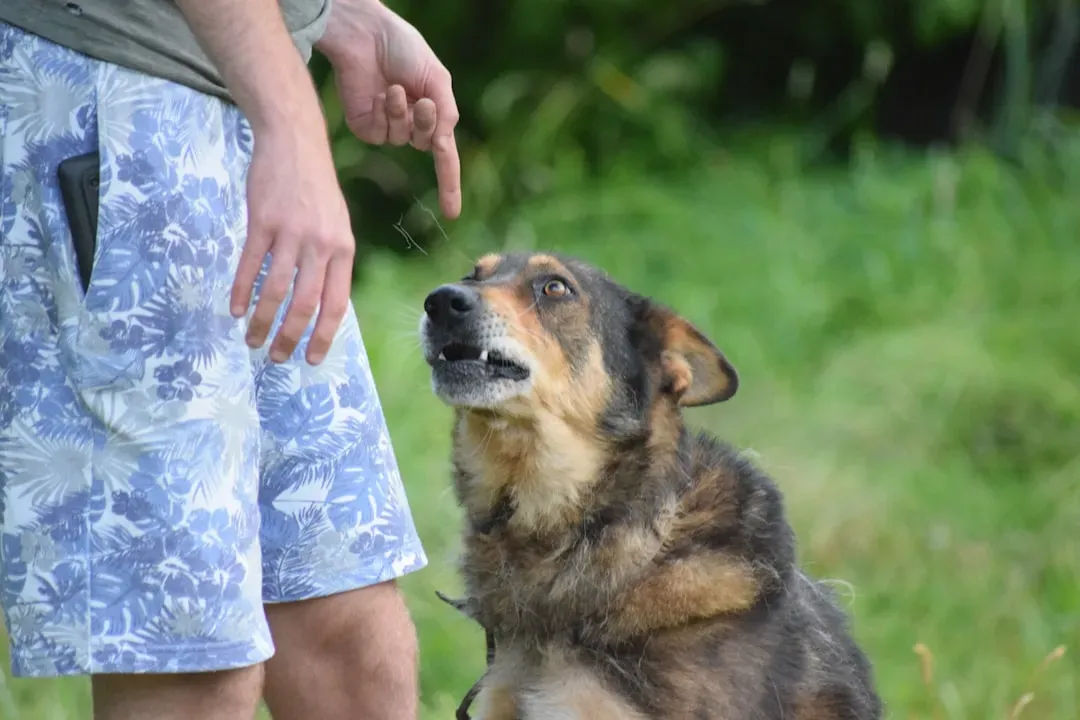
Now that you know your dog’s bark is loaded with meaning, the real magic happens when you start responding to it thoughtfully. The best way to build a strong bond with your dog is by learning to read their facial expressions and body language. Once a pet parent learns what their dog is trying to say, the door to improved understanding and communication opens.
Just like humans use different tones to express feelings, dogs use varied types of barks to convey different messages. A high-pitched, rapid bark while bouncing around is not the same as a low, repetitive bark at the window. Context, tone, and body language together tell the full story. Playful barks are typically high-pitched and accompanied by a wagging tail or “play bow.” These barks signal excitement and a desire to engage in fun activities, like playing fetch or running around in the yard.
Using punitive techniques and tools, such as spraying your dog with water when they bark, can increase a dog’s fear and anxiety and even lead to aggressive behavior. Instead, lean into positive reinforcement. Acknowledge the bark, understand the need, and respond with warmth. The key to nurturing this love is healthy communication and respect between you and your dog.
Conclusion: Listen Closer – Your Dog Has a Lot to Say

There is something quietly extraordinary about a creature that has spent thousands of years learning to speak your language, even without a single shared word. Gone are the days when barking was merely seen as a nuisance to be silenced. Today, we recognize it as a vital aspect of a dog’s communication toolkit, deserving of our attention and understanding.
Every bark carries a message. Every woof is a window. Research shows that dogs’ oxytocin levels mirror those of humans when they engage in affectionate interactions, highlighting a shared biochemical basis for emotional bonding. You and your dog are literally wired for connection. The science says so.
So the next time your dog barks at you, pause before you shush them. Ask yourself what they might be saying. Is it love? Worry? A desperate plea for belly rubs? Chances are, it’s all of the above. And honestly, isn’t that a pretty wonderful thing to have in your life? What does your dog’s bark say to you? Share your story in the comments – we’d love to hear it.


