

You come home after a long day and find your favorite throw pillow reduced to a pile of fluff. Your first instinct? Frustration. Your second instinct, if you’re anything like me, is a quiet wondering – what on earth was going on inside that furry little head? Here’s the thing: your dog wasn’t just being naughty. They were communicating something real, something deep, something that actually makes total sense once you understand the hidden language of chewing.
Dogs are complex emotional creatures, and their mouths are one of their most expressive tools. What they chew, when they chew, and how intensely they chew can tell you an enormous amount about their emotional state, their physical needs, and even their mental health. So before you replace that pillow, let’s decode what’s really going on. You might be surprised by what you find.
Chewing Is Far More Than Just a Bad Habit

Let’s be real – most of us grow up thinking chewing is just something puppies do and eventually outgrow. But that couldn’t be further from the truth. Chewing is a perfectly normal behavior for dogs of all ages. It’s not misbehavior. It’s biology.
Chewing appears to promote biological fitness, providing benefits such as dental and oral hygiene, digestive health, bone strength, psychological health, and stress management. Think of it like a full-body wellness ritual, wrapped in a single, satisfying gnaw.
Dogs love to chew on bones, sticks and just about anything else available. They chew for fun, they chew for stimulation, and they chew to relieve anxiety. That alone should shift how we view the whole behavior entirely.
Overall, chewing positively impacts a dog’s physical and psychological health, contributing to its welfare and appearing essential as a regular part of a dog’s daily life. Honestly, denying a dog the chance to chew is a bit like taking away a human’s ability to take a long, deep breath when stressed. It matters that much.
What Your Dog Chooses to Chew Is Telling You Something
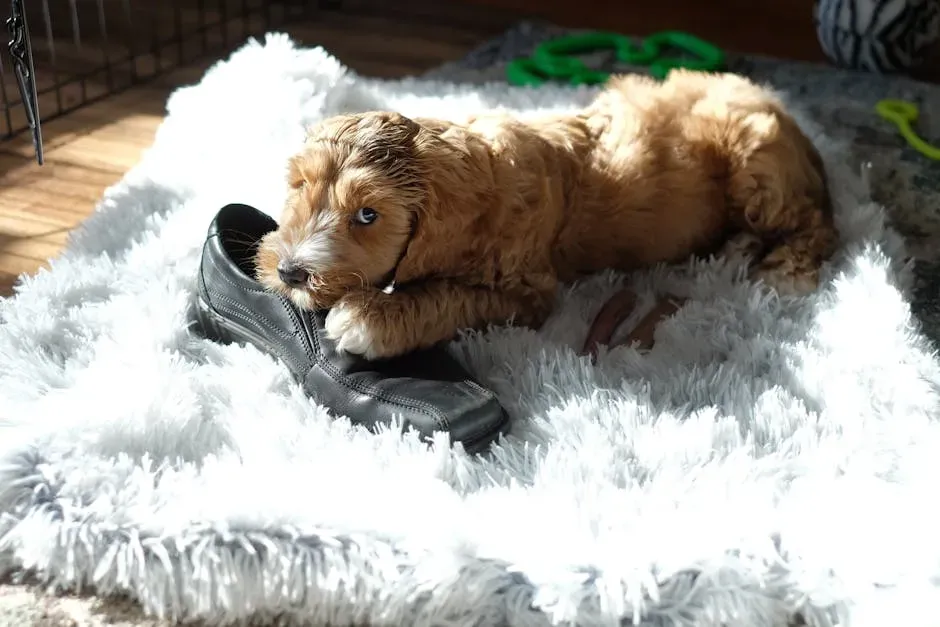
A dog’s preference for chew items is primarily driven by odour, taste, and mouthfeel. But beyond the physical, the choice of target is where it gets really fascinating. A dog gravitating toward your worn socks or your shoes isn’t being spiteful. They’re drawn to your scent because it provides comfort.
Dogs experiencing separation anxiety frequently gnaw on door frames, windowsills, or belongings such as shoes or clothing that have their pet parents’ smell. That’s not destruction. That’s your dog trying to hold on to you the only way they know how.
Chewing on objects was not substantially related to reported motivation of the dog to play or the frequency of activities with the dog, but was reported to occur in contexts that may cause negative emotional states such as leaving the dog alone or changes in routine activities. Routine disruptions, like moving house or a new baby, can suddenly trigger chewing that never existed before.
Some dogs chew on non-food items, like rocks or dirt, as a sign of pica, which can stem from a lack of proper nutrients in their diet. So if your dog is targeting bizarre, non-typical items persistently, that’s worth a conversation with your vet sooner rather than later.
Stress, Anxiety, and the Comfort of a Good Chew

The act of chewing releases endorphins in the brain, which have a calming or soothing effect. Think of it like a dog’s version of stress-eating a tub of ice cream – except it’s actually good for them when directed at the right things. The body literally rewards them for doing it.
Studies of humans, rodents, and dogs indicate that chewing plays a significant role in moderating stress and its various deleterious sequelae. In other words, when your dog is overwhelmed, chewing is one of their most instinctive and effective coping tools.
Sometimes a dog will chew when experiencing something that causes stress, such as being crated near another animal they don’t get along with or getting teased by children when confined in a car. Context is everything. Look at the “when” as much as the “what.”
Dogs who chew to relieve the stress of separation anxiety usually only chew when left alone or chew most intensely when left alone. If chewing happens exclusively in your absence, that pattern alone is a significant signal worth taking seriously.
The Puppy Stage, Boredom, and Breed-Specific Drives

The desire to investigate interesting objects and the discomfort of teething motivate puppies to chew. Much like human infants, puppies go through a stage when they lose their baby teeth and experience pain as their adult teeth come in. Puppies essentially use their mouths as a combination of pain relief and scientific exploration – all at once.
This intensified chewing phase usually ends by six months of age. That’s a short window, but it can feel endless when your furniture is under siege. Patience and redirection, not punishment, are your best friends here.
Dogs left alone without mental or physical stimulation will often chew to entertain themselves. Boredom chewing is one of the most common and overlooked drivers. Imagine being stuck in a room with nothing to do, all day, every day. You’d find something to do too.
Many of the breeds obtained as family pets have been bred for a variety of working tasks. This means that they are mentally and physically capable and “programmed for” activities such as retrieving, herding, hunting or sledding. A working breed without a job is practically a recipe for chewed baseboards. They need their drive fulfilled one way or another.
How to Redirect Chewing and Support Your Dog’s Inner World
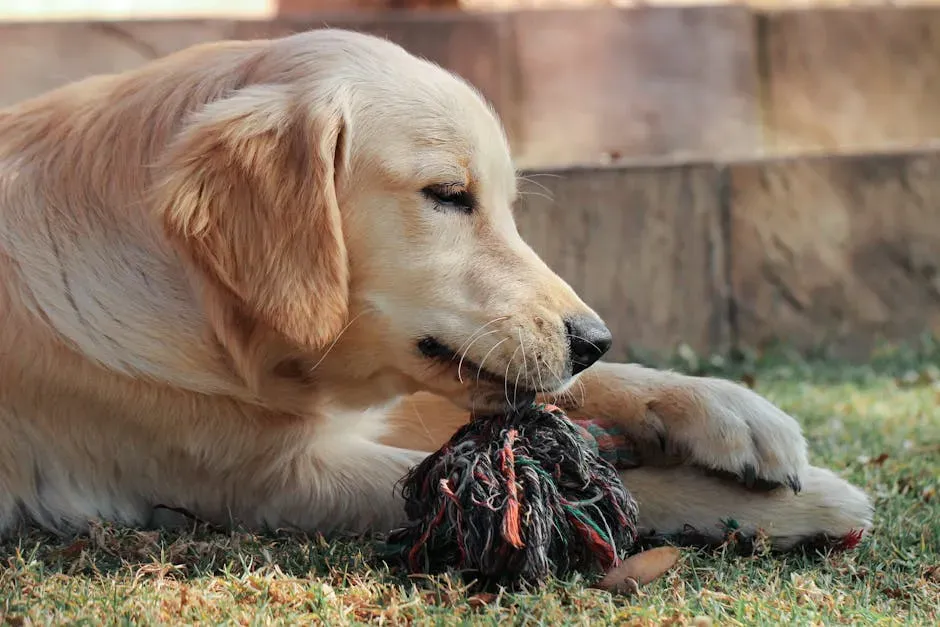
Now that you understand why your dog chews the way they do, the goal shifts from simply stopping the behavior to channeling it wisely. A lack of preferred chew items may result in redirected chewing toward less appropriate items, such as non-food chews that could be harmful to dentition or the gastrointestinal tract. Give them better options and they will almost always take them.
When you leave, provide a puzzle toy stuffed with food, and a variety of fun, special toys that your dog only gets to play with while you are away to retain the novelty. Providing your pooch with lots of interesting toys will not only create a positive association with alone time, but will also serve as a distraction from the objects that you don’t want your dog to chew on.
When your dog chews on appropriate items, reward them with praise, a treat, or extra playtime. This reinforces good behavior and helps them learn what’s acceptable to chew. Positive reinforcement is so much more powerful than any scolding ever will be. They want to please you – help them understand how.
Visit the vet if a dog who hasn’t previously been destructive abruptly begins chewing, there are signs of pain, drooling, bad breath, or pawing at the mouth, the dog keeps chewing nonstop regardless of being exercised or mentally engaged, or chewing occurs along with vomiting, loss of appetite, or gastrointestinal problems. Sudden changes in chewing behavior are your dog’s way of waving a red flag. Don’t ignore it.
Conclusion: Listen Closely – Your Dog Is Talking to You
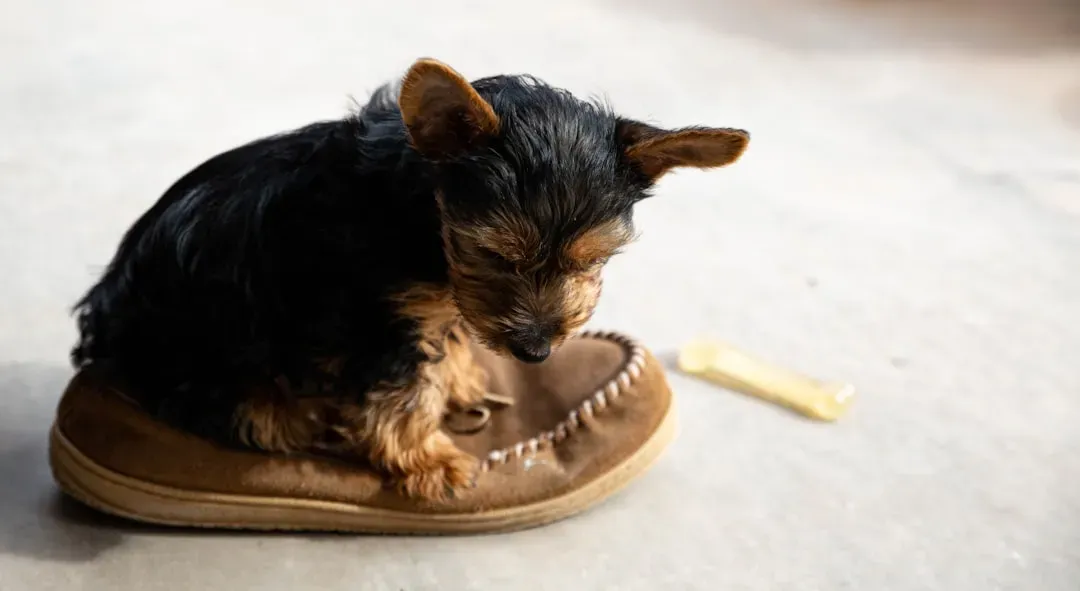
Every chewed shoe, every gnawed chair leg, every destroyed cushion is a sentence in your dog’s emotional diary. Once you learn to read it, everything changes. You stop seeing destruction and start seeing communication. That shift, honestly, is one of the most profound parts of truly knowing your dog.
Chewing is a way for dogs to explore their world. Just as humans use their hands to interact with objects, dogs use their mouths. Their mouths are their most intimate connection to the world around them, including you.
So next time you catch your dog in the act, take a breath before you react. Ask yourself: what are they feeling right now? Are they bored, anxious, teething, or just in need of a good outlet? The answer is almost always right there, if you’re willing to look. Your dog is not trying to drive you crazy. They’re trying to tell you something. The question is – are you ready to listen?


