
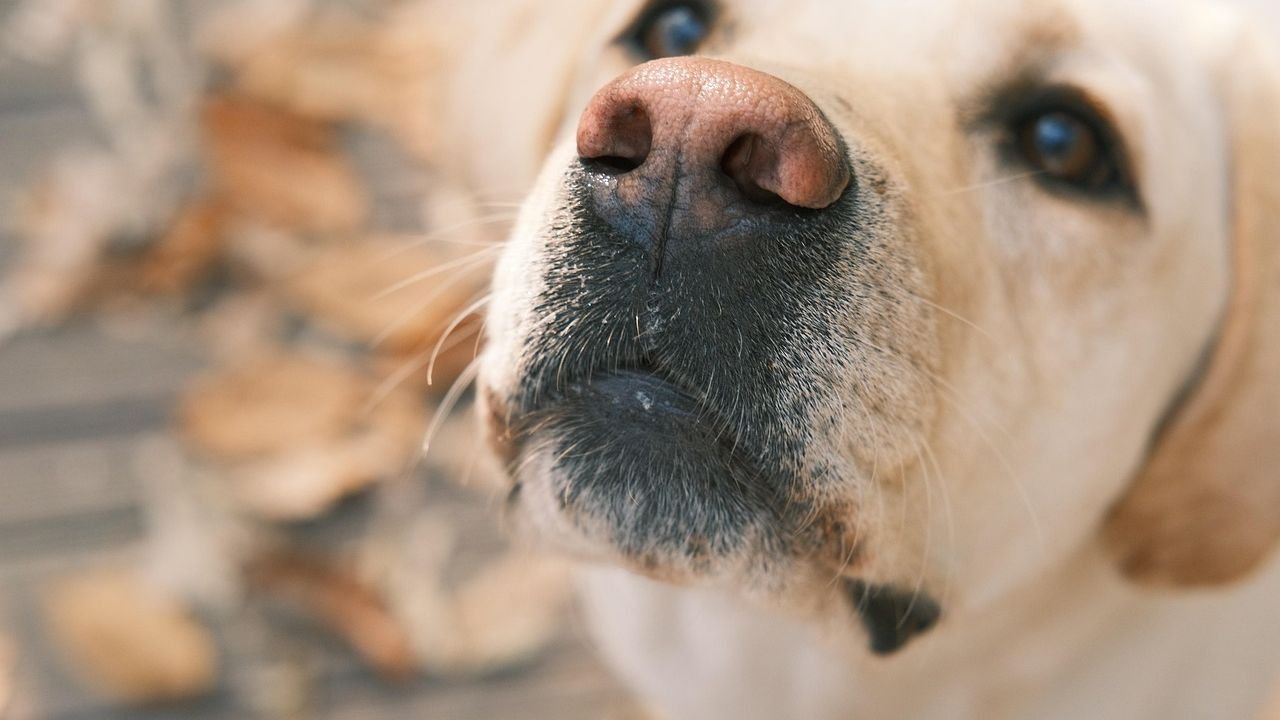
You know that moment – you step into the bathroom for literally sixty seconds, and when you open the door, there’s your dog. Sitting right there, tail wagging, looking at you like you’d been gone for a year. Or maybe you come home after a long day, completely defeated, and somehow your dog already knows. They press their warm body against your legs before you’ve even dropped your keys.
We laugh at these moments. We call our dogs “clingy” or “weird” or “obsessed.” But here’s the thing: those quirky habits everyone rolls their eyes at? They’re not random. They’re not annoying (well, mostly). They’re your dog speaking the only language they have. Let’s decode what they’ve been trying to tell you all along.
Why Your Dog Follows You Absolutely Everywhere (Yes, Even the Bathroom)
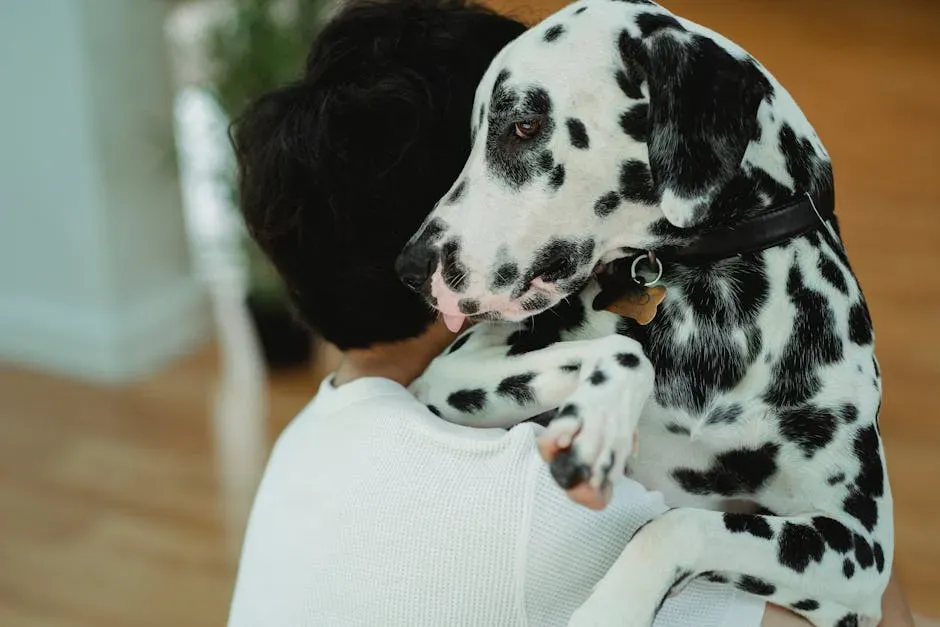
It happens to nearly every dog owner. You get up from the sofa, and within seconds you have a four-legged shadow. If your dog follows you everywhere you go, it’s a sign of their love and attachment to you – they want to be near you, be a part of your life, and following you is also their way of feeling secure and protected.
Studies have found that dogs stick closer to their owners than to other people, which is a strong sign that they feel safe, bonded, and emotionally connected to you. They’re not necessarily looking for food, walks, or playtime. They just want to be close.
That said, there’s a line between loving closeness and anxious clinginess. Some dogs exhibit separation anxiety and clinginess, leading to constant following behavior. Symptoms include persistent proximity, restlessness when apart, and attention-seeking – and this behavior can stem from insecurity rather than just a strong bond.
If your dog seems distressed when you disappear from view, rather than simply content to trail along, it’s worth consulting your vet or a trainer. To manage it, provide consistent routines, engage in regular exercise, and gradually train independence using positive reinforcement. Avoid reinforcing clingy behavior by giving attention only when your dog is calm.
The “Soggy Kisses” Habit: What Your Dog’s Licking Really Means
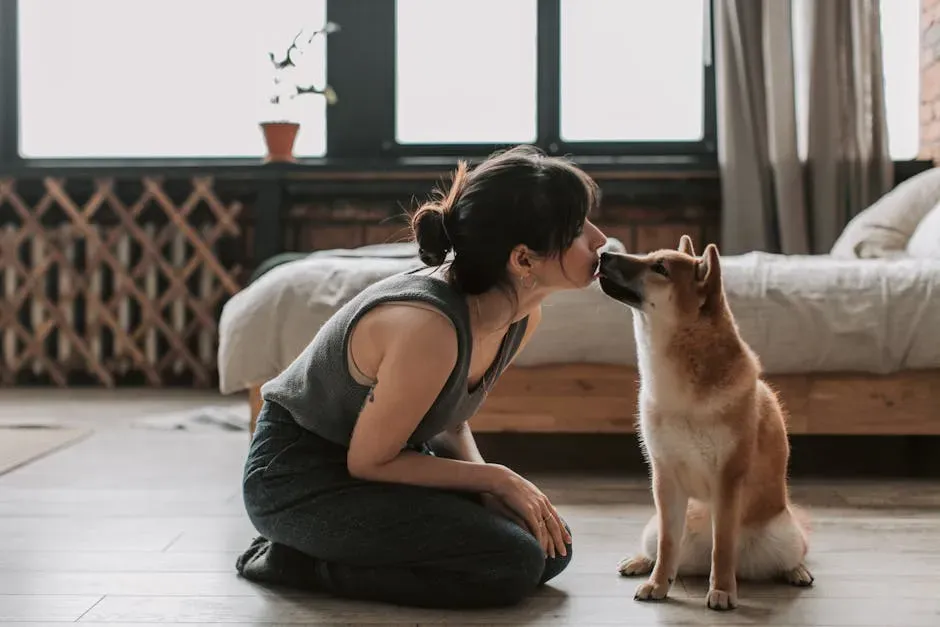
Let’s be real – not all of us are wild about a face full of dog tongue first thing in the morning. Still, most of us secretly love it. There is evidence that licking is sometimes a sign of affection. Licking has become a ritualized greeting for many dogs, and some wild species in the dog family will lick pack members just to welcome them home – so those daily slobbers really might just be a sign that your dog is happy to see you.
Studies have shown that licking releases endorphins in a dog’s brain – neurotransmitters that make dogs feel calmer and more relaxed. This then leads to a release of dopamine, another neurotransmitter associated with pleasure and motivation. Think of it like a little internal happiness boost every time they lick you. That’s honestly kind of beautiful.
In a 2012 study, researchers asked owners to pretend to cry and found that their dogs were more likely to lick and nuzzle them than when their owners were just humming or talking. It’s possible that these dogs were displaying a learned behavior, but many of us would argue that dogs can, to some extent, share and understand our feelings.
However, keep an eye on the intensity. Licking is a completely normal and natural dog behavior, but excessive or repetitive licking may be an indication of an illness or behavioral condition. Sometimes stress and anxiety are the culprits. If the licking seems compulsive or focused on one body part, a quick chat with your vet is always the smart move.
Spinning in Circles Before Bed: Ancient Instinct, Modern Comfort
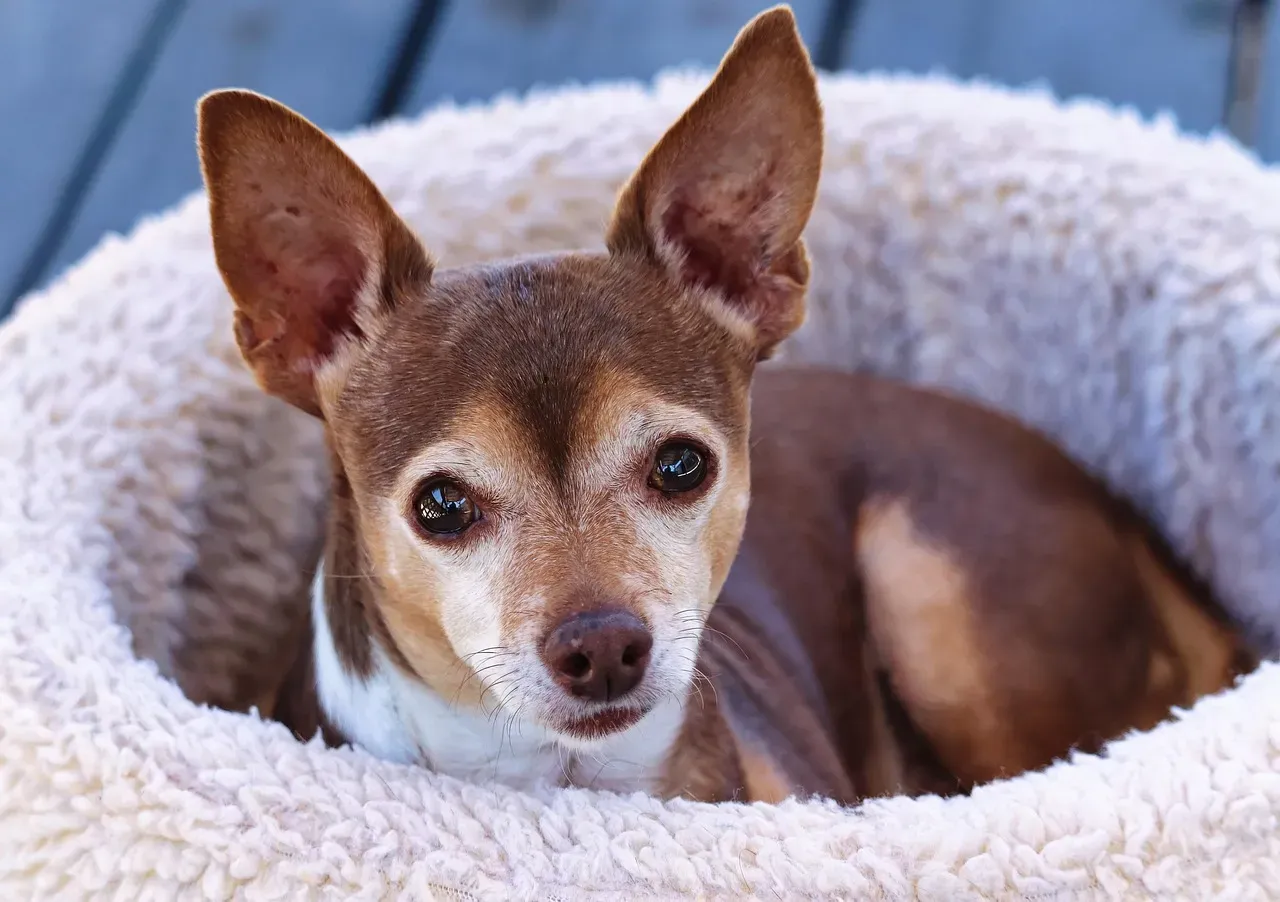
Picture this: your dog has a perfectly plush memory foam bed. You’ve spent good money on it. Yet every single night, they spin around on it three times before flopping down. It seems ridiculous. It’s actually ancient. Long before domestication, dogs in the wild needed to create a safe and comfortable spot to rest. By circling, they could pat down grass, leaves, or snow into a makeshift bed – and this ritual also allowed them to check for snakes, insects, or other dangers lurking in the brush. Even today, most dogs carry this instinctive habit deep in their DNA.
Circling also serves as a self-soothing technique. When dogs prepare for rest, this repetitive motion can calm their nervous system, helping them transition into sleep more smoothly – similar to pacing before bed in humans, it signals the body and brain that it’s time to wind down.
Here’s where you need to pay attention, though. While watching our dogs turn around before bedding down is amusing, it can also be a signal that something is wrong. Dogs that are in pain will circle excessively as they struggle to find a more comfortable position. They may also crouch and rise several times before completely reclining – if your dog has difficulty settling down even after several revolutions, consult your veterinarian.
A dog who cannot settle after several rotations may be signaling discomfort in the hips, spine, or muscles. Older pets, especially, may struggle with arthritis, while younger ones may experience minor injuries. So yes, the spinning is sweet – just watch for the red flags hiding in the ritual.
The Long, Lovesick Stare: Your Dog’s Eyes Are Saying “I Love You”
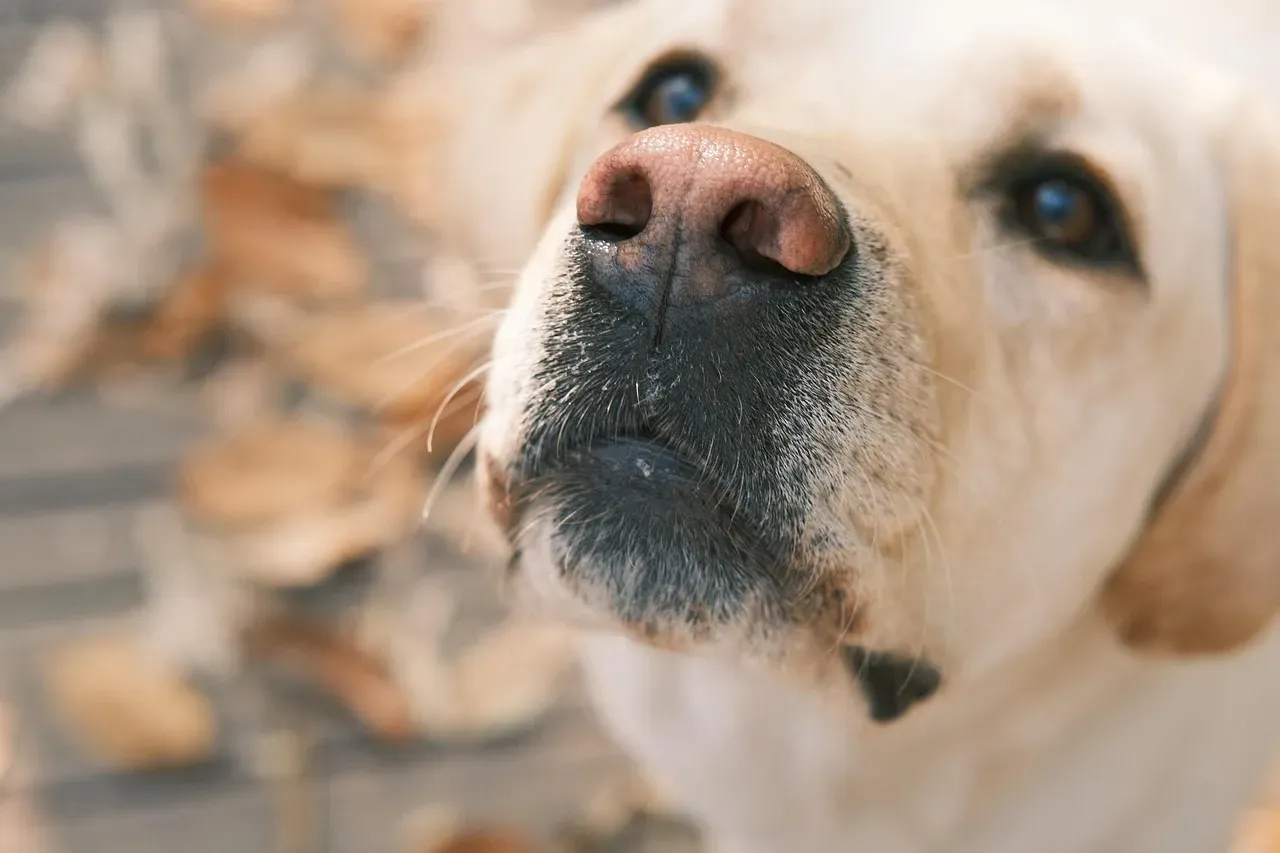
Your dog locks eyes with you from across the room. You hold the gaze. You both just… sit there. Staring. I know it sounds crazy, but science says this is one of the most powerful bonds happening between two different species on the entire planet. Research suggests that humans may feel affection for their companion dogs similar to that felt toward human family members, and that dog-associated visual stimuli, such as eye-gaze contact, activate oxytocin systems.
Mutual gazing has a profound effect on both dogs and their owners. Of the pairs that spent the greatest amount of time looking into each other’s eyes, both male and female dogs experienced a remarkable rise in oxytocin levels, and owners experienced an even greater increase. This is the same hormonal loop that bonds mothers to their newborns. Your dog co-opted it for you. Honestly, that’s one of the most moving things science has ever told us about animals.
If your dog is making eye contact with you, blinking, and maintaining a calm and relaxed demeanor, they are expressing their love. Research shows that when dogs and their owners lock eyes, both experience a spike in oxytocin. However, it’s important to recognize their body language together with these signals – if your dog is making eye contact without blinking and looks stressed or agitated, they may be trying to tell you something else entirely.
The simple tip here? Return the gaze – but keep it soft and warm. Gazing into your dog’s eyes creates a sense of intimacy and trust. It’s a simple yet powerful way to deepen your bond. No expensive toys required.
Bringing You Their Treasures: The Gift Habit That Will Melt Your Heart
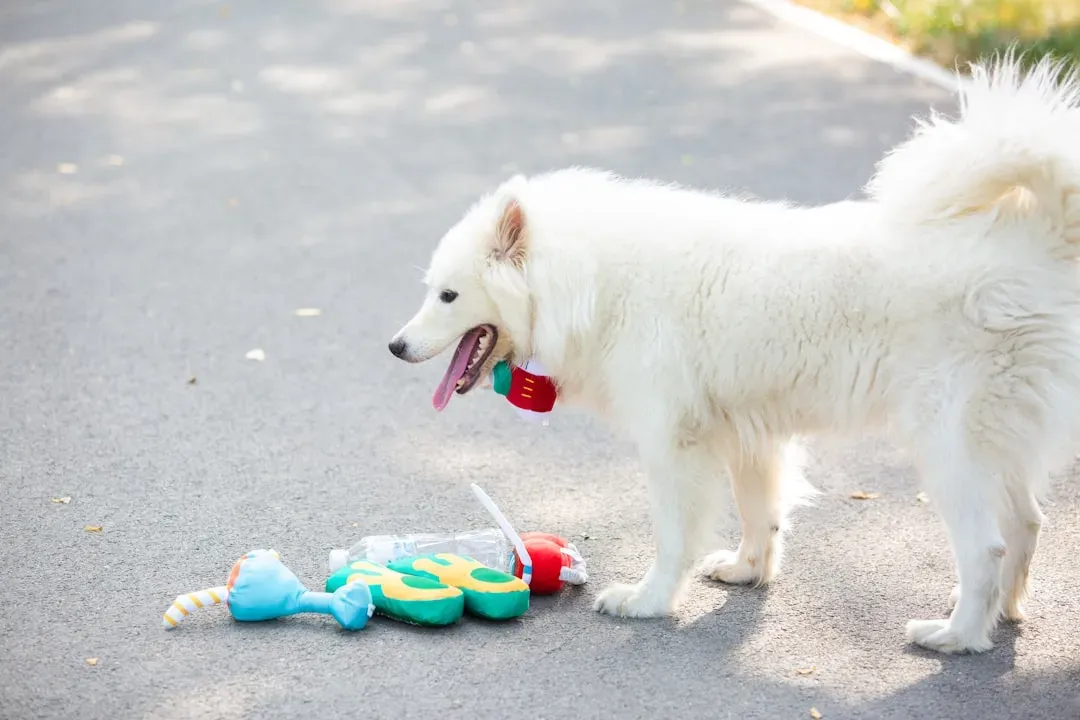
Your dog just dragged their favorite squeaky toy over to you and dropped it directly onto your laptop. You groan. They stare at you with pure expectation. Here’s the thing – they didn’t do that to annoy you. That was a gift. A heartfelt, genuine, carefully chosen gift. Dogs will often give gifts to the leaders of their pack to show affection, respect, and trust. They can be possessive of their belongings, so trusting you with their favorite toys could be their way of expressing their faith in you to take care of their treasured items.
Bringing you favorite toys means your dog is emotionally open and receptive to connection. Think of it the way a little kid proudly shows you a drawing they made. It’s not about the object – it’s about the intention behind it. Your dog is saying: “You are important to me. Here is my most prized possession. I want to share it with you.”
Does your dog constantly bring you toys? Presenting you with their prized possessions is a major sign of affection. Respond warmly to this. Get down on the floor. Take the toy. Play a little. Responding warmly when your dog initiates contact or brings toys – with play and praise – encourages more of this affectionate behavior.
It’s worth noting that if your dog suddenly stops bringing you things or withdrawing from interactions they used to enjoy, that can signal they’re not feeling well. Each dog is unique, and their ways of expressing love can vary – so pay attention to your dog’s individual behavior and cues to deepen your bond and understanding of their affectionate nature.
A Final Thought Worth Sitting With
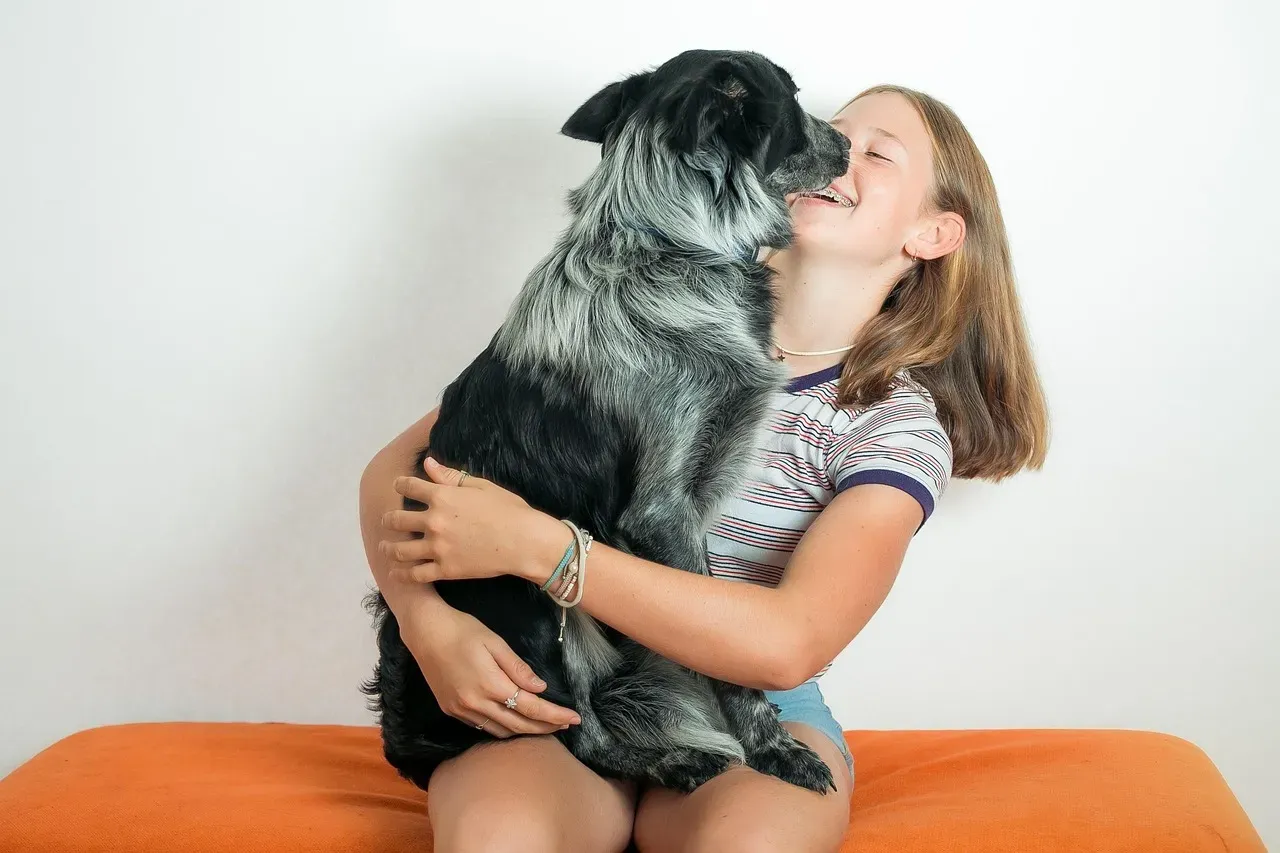
When you add it all up – the shadow following you to every room, the sloppy morning kisses, the bedtime spin ritual, the soulful stares, the proudly delivered soggy toy – what you have is a creature pouring everything they have into loving you.
Your dog might just be a part of your life, but for them, you’re their entire existence. Their relationship with you doesn’t leave their mind, whether you’re in the next room or headed to your car outside.
Oxytocin deepens the emotional bond between dogs and their owners and remarkably affects overall well-being. It reduces stress, lowers blood pressure, and promotes relaxation in both dogs and their human companions – and this hormone is vital to your beloved pet’s physical and emotional health.
So next time your dog does something “weird,” pause before you laugh it off. There’s a message in every circle spun, every lick given, every long gaze held. They’re saying the same thing in a hundred different ways. The question is: are you listening?
What habit does your dog have that you’ve never quite understood before? Drop it in the comments – you might just be surprised by what it means.


