Have you ever noticed how your dog seems to know exactly when dinner is served, even before you open the cupboard? Or how they start pacing near the door at the same time every evening, anticipating their walk? Dogs are creatures of habit in the most beautiful way, and their daily routine isn’t just a series of tasks you check off. It’s their security system, their mental anchor, and quite frankly, their version of a warm hug in an unpredictable world.
The rhythm you create each day shapes their emotional landscape more than you might realize. When life feels chaotic for us, imagine how it feels for a being who can’t understand why suddenly everything is different. Let’s be real, your dog doesn’t care about your promotion or that dentist appointment that threw off the schedule. They just know something feels off, and that discomfort can ripple through their whole day.
Why Predictability Is Your Dog’s Best Friend

Dogs naturally thrive when they understand what to expect throughout their day, which helps them feel calm and secure by reducing uncertainty. Think about it like this: we feel anxious when we don’t know what’s coming next, right? Your dog experiences that same emotional response, but they can’t rationalize it away like we try to do.
Dogs thrive on consistency and benefit from knowing what to expect, with routines supporting everything from house training to grooming to preventing behavioral challenges and boosting canine confidence. When breakfast arrives at eight in the morning every single day, your dog’s brain relaxes into that pattern. When dogs eat at regular times each day, their body becomes conditioned to expect food at those times, creating a biological rhythm that extends beyond just hunger.
This predictability reduces cortisol, that pesky stress hormone we all battle. Research shows that dogs with consistent training routines have lower levels of cortisol, indicating that training effectively acts as a form of mental therapy. The routine itself becomes therapeutic, not just the activities within it.
The Morning Ritual: Setting the Tone for Everything
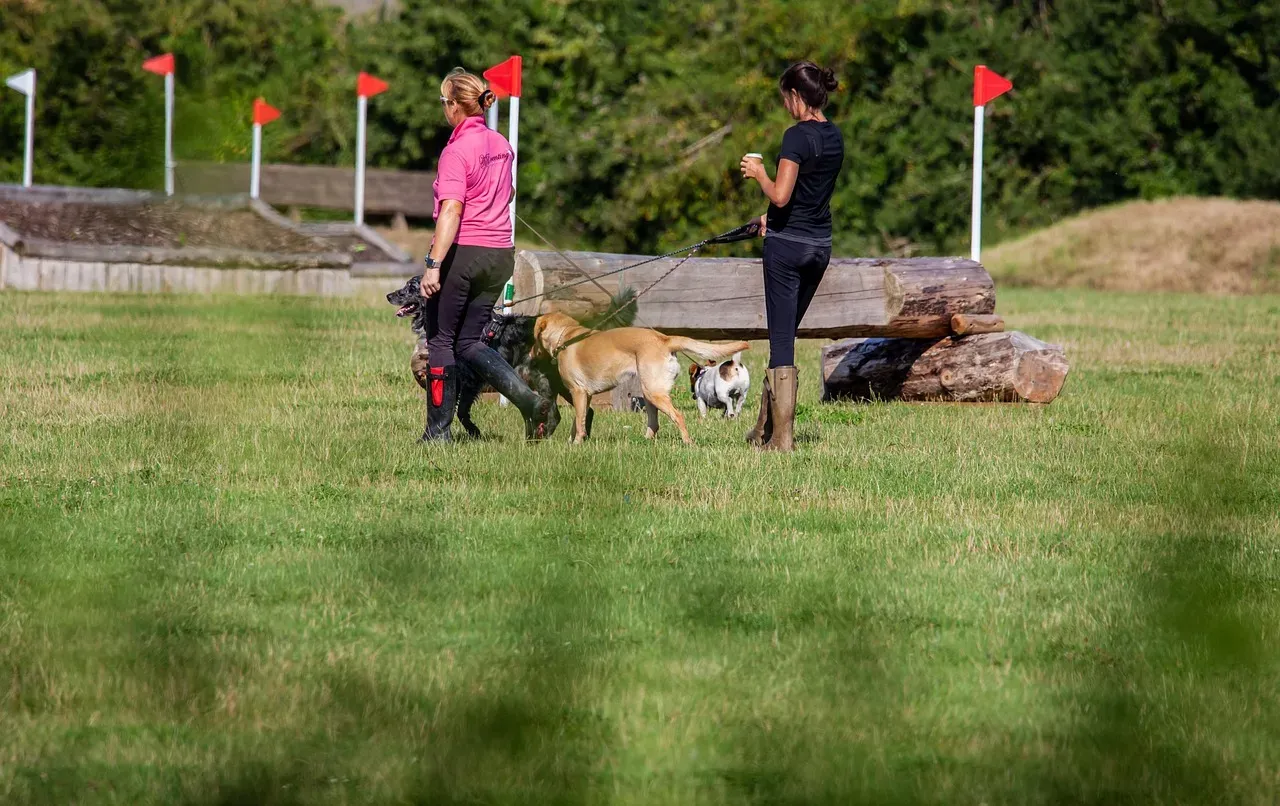
Veterinarians advise feeding most dogs twice a day, typically morning and evening, with morning meals requiring time for a potty break or walk since dogs often need to defecate after eating. Your morning routine with your dog isn’t just about getting them fed and out the door. It’s about establishing trust and consistency that carries through their entire waking hours.
Picture this: your dog wakes up, perhaps they stretch in that adorable downward dog pose, and then they wait. They’re watching you for cues about what happens next. Dogs typically need a bathroom break just after waking up, and starting the day with a potty break sets the tone for a positive, accident-free day.
After that morning relief comes breakfast, ideally at the same time each day. The most important thing is developing a routine you can stick to consistently, as keeping a regular daily schedule for feeding, walking, exercise, and playing helps dogs feel comfortable and less stressed. That morning walk? It’s not just exercise; it’s mental stimulation, it’s bonding time, and honestly, it’s often the highlight of their day.
Feeding Times: More Than Just Filling the Bowl

Here’s something that might surprise you: After eight to ten hours, an empty stomach begins to send signals to the brain stimulating a hunger response, which is why at least two meals per day are best for dogs. It’s not just about convenience for you as an owner. It’s about respecting your dog’s digestive biology and emotional needs.
A regular feeding schedule helps with house training puppies as well as adult rescue dogs who haven’t been taught household manners. But beyond the practical benefits, there’s something deeper happening. When dogs eat on a regular schedule, that habit becomes strong, making it easy to see if all the food from a meal is consumed, which can be an early warning sign if something’s wrong.
Veterinarians advise waiting at least two hours after your dog has eaten a meal before walking them, particularly for more vigorous activity. This timing consideration protects against gastric issues and shows how interconnected every part of their routine really is. Everything affects everything else in your dog’s day.
Exercise and Mental Stimulation: The Non-Negotiables

More frequent walks are associated with lower reported anxiety in dogs, which makes sense when you consider that a bored dog is often an anxious dog. Physical activity isn’t optional; it’s essential for their mental health. But I think we sometimes forget that mental exercise matters just as much as physical.
Mental stimulation is just as important as physical exercise for overall wellbeing, as an engaged brain helps prevent boredom that can lead to stress, anxiety, and problematic behaviors while supporting healthy brain function as dogs age. Those puzzle feeders, snuffle mats, and training sessions aren’t just cute accessories. They’re tools that keep your dog’s mind sharp and satisfied.
The timing of exercise matters too. Establishing a regular walking schedule can help create a sense of routine for your dog, which many pets find comforting. Whether it’s morning, afternoon, or evening doesn’t matter as much as the consistency of when it happens. Your dog’s internal clock is remarkably accurate.
Recognizing When Routine Disruption Causes Stress

Let’s be honest, life happens. Sometimes routines get disrupted through no fault of our own. But knowing the warning signs of stress in your dog can help you respond appropriately. An anxious dog may pant, pace, tremble, drool, or withdraw from its owner, or they may appear irritable or aggressive, such as barking or growling at someone, with their tail low or tucked and ears back.
Stressed behavior in dogs may be misinterpreted as excitement or poor training, and dogs may even be labeled as bad or punished for misbehaving when they are simply communicating feelings of discomfort, making it crucial to pay close attention to their body language. That “badly behaved” dog might just be a stressed dog trying to tell you something’s wrong.
Predictability can help with common challenges like separation anxiety and excessive barking, because when dogs know what’s coming, they don’t have to worry about it. Worry is exhausting, whether you’re human or canine.
How to Build and Maintain a Sustainable Routine
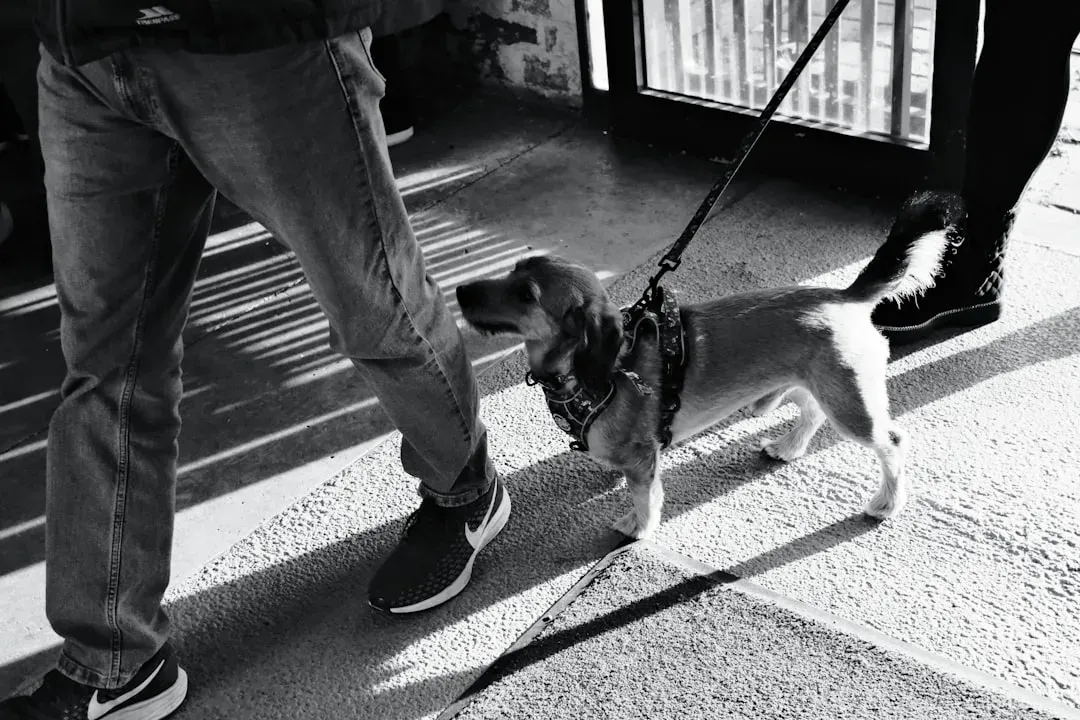
Predictability seems to work best, with the concept being if a dog does X, then Y happens, and while it sounds simplistic, it really seems to help dogs know what happens when. Start simple and build from there. You don’t need an elaborate schedule; you just need consistency in the basics.
Schedule your dog’s meals, walks, play time and training time so they know when to expect these activities, and you can also make rest time part of your regular routine, such as putting your dog in their crate every night while the family eats dinner to create a safe spot inside your home. This kind of structure gives your dog mental landmarks throughout the day.
The more consistent and thoughtful their routine, the more secure and balanced they feel. It’s hard to say for sure, but I genuinely believe that the effort you put into maintaining routine pays dividends in your dog’s overall happiness and health. Small sacrifices on your end translate to big emotional payoffs for them.
The Routine Flexibility Paradox: When Life Demands Change
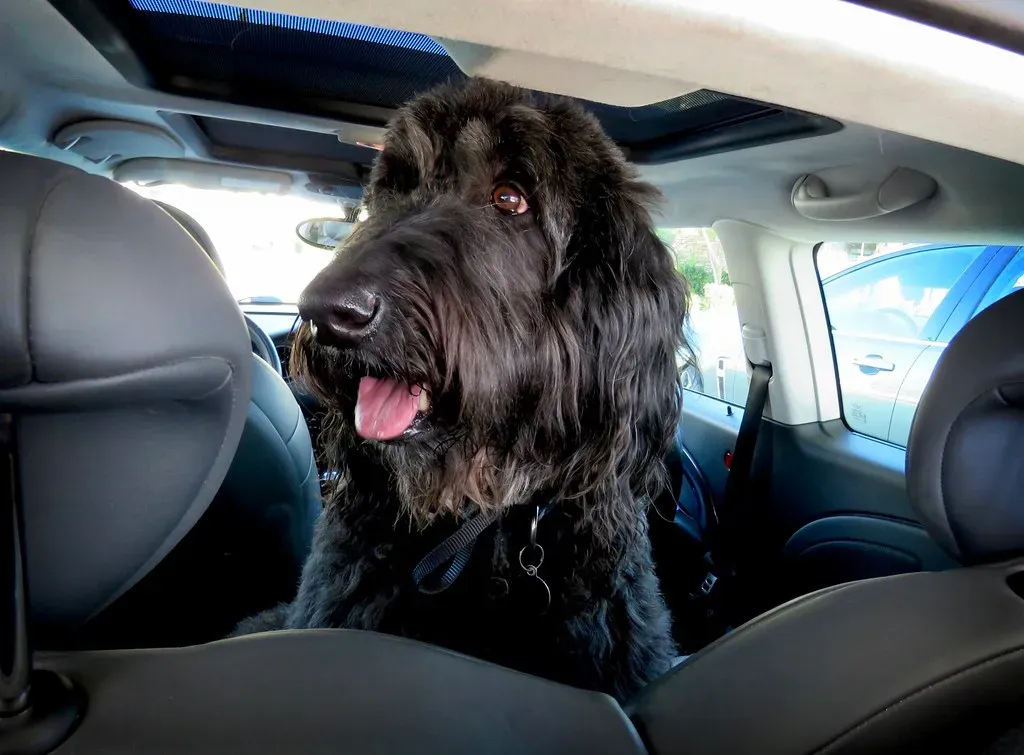
Here’s the thing about routines: they need to be consistent, but life is inherently inconsistent sometimes. If you miss a step in the routine, just resume it as soon as possible, because dogs are adaptable, especially when consistency is generally strong. Don’t beat yourself up over the occasional disruption.
Dogs thrive on routines and predictability, but they are also adaptable, so if you work nights and your morning is in the afternoon, that’s fine for your dog as long as there is consistency. The key word there is consistency. Your routine doesn’t have to match anyone else’s timeline; it just needs to be reliably yours.
Almost all anxious dogs benefit from positive reinforcement training and increased predictability and consistency in their routine and in interactions. When you do need to make changes, do so gradually when possible. Sudden shifts are harder on your dog than incremental adjustments over time.
Conclusion: The Gift of Predictability
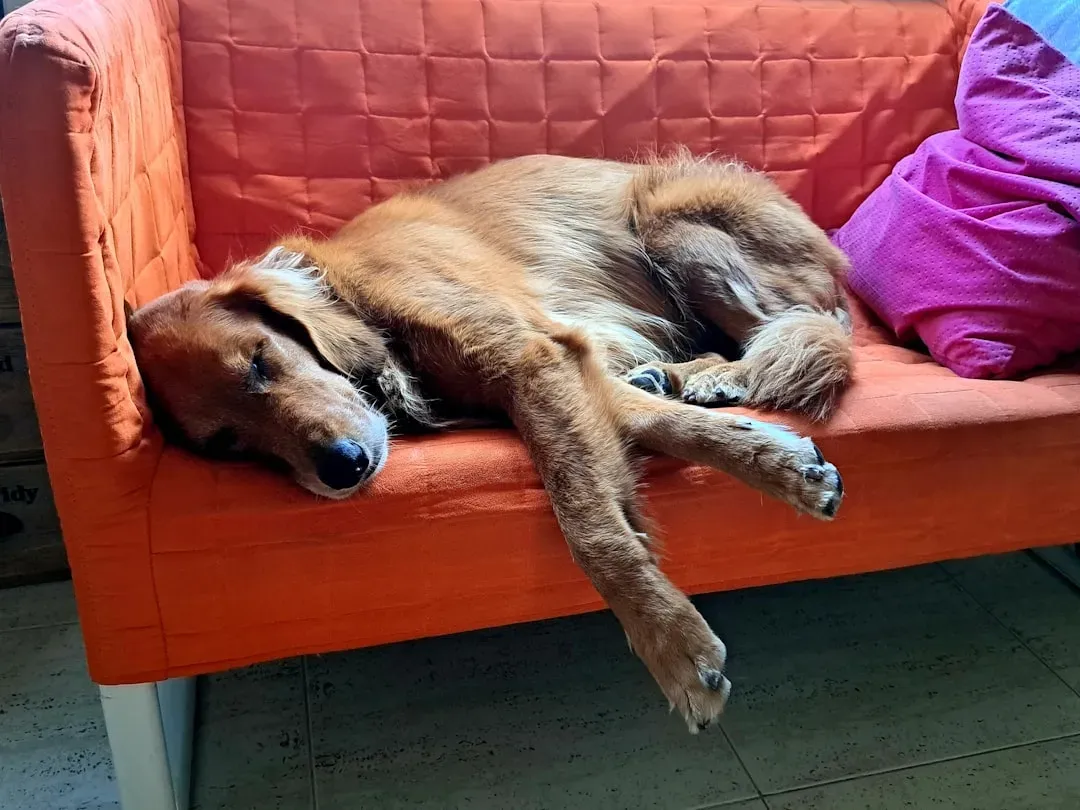
Your dog’s daily routine is so much more than a schedule on paper. It’s their roadmap through a world they don’t fully control, their promise that good things are coming, and their reassurance that you’re reliable. Gentle, positive interactions such as calm stroking, light massage and play help build trust and promote relaxation in dogs, while consistent daily routines provide a sense of security and reduce stress.
Every time you feed them at the same hour, walk them on schedule, or even just settle into your evening wind-down routine, you’re telling them something important: the world is safe, predictable, and they matter. That’s powerful stuff.
So the next time your dog starts hovering near the door before walk time, or positions themselves hopefully by their food bowl right on schedule, remember what’s really happening. They’re not just Pavlovian responses. They’re expressions of trust in the rhythm you’ve created together. What’s one part of your dog’s routine that brings them the most joy?