
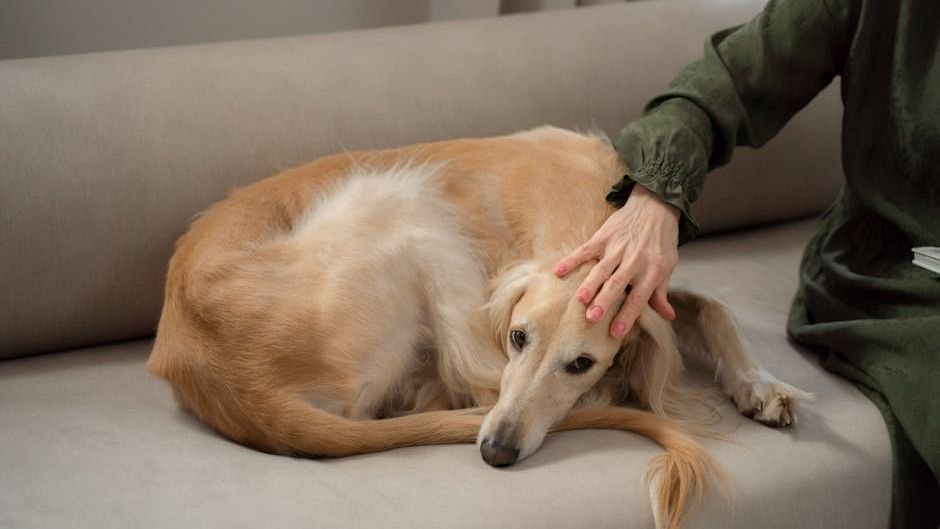
Have you ever paused for a moment and really watched your dog go through their day? The way they stretch dramatically after waking up, the precise moment they appear in the kitchen as you prepare their bowl, the tail that swings like a pendulum the second you reach for the leash. It all looks ordinary. Honestly, it’s anything but.
Your dog communicates in a language that doesn’t use words. Every habit, every ritual, every predictable little quirk they carry through the day is their way of saying something important, something tender. If you’ve ever wondered what all those daily behaviors actually mean, or how to use them to become a better, more attuned dog parent, you’re in the right place. Let’s dive in.
The Science of Why Dogs Live for Routine

Here’s the thing most people don’t fully appreciate: your dog isn’t just a creature of habit by accident. There’s real biology behind it. Dogs have internal biological clocks that control when they feel sleepy and when they wake up, just like humans do. These natural rhythms affect everything from their energy levels to their appetite throughout the day.
Dogs observe daily cues like daylight changes, your body language, and household activity patterns to anticipate what’s coming next. When those cues follow a consistent pattern, your dog learns to expect what happens when, which provides emotional stability and reduces reactivity.
Think of it like this: imagine going to work and never knowing whether you’d have a desk, a lunch break, or even a manager who showed up. The uncertainty alone would fray your nerves. That’s how an unstructured day feels to your dog. A predictable routine provides dogs with a sense of security and stability, reducing their overall stress levels. Without a routine, dogs may become confused, leading to hyperactivity, destructive actions, or excessive barking.
Uncertainty and inconsistency elevate cortisol, the stress hormone. A 2021 study published in Animals found that shelter dogs on consistent schedules had significantly lower cortisol levels than those without a routine. The numbers don’t lie. Routine is not just a convenience for you. It is genuinely protective for your dog’s emotional health.
The Morning Ritual: More Than Just a Wake-Up Call
I think a lot of dog owners underestimate just how much their morning matters to their pup. That goofy, full-body wiggle when you open your eyes? It isn’t random excitement. One of the most obvious signs of attachment is the enthusiastic, full-body greeting you receive whenever you return home or wake up. Your dog may jump, wag their tail vigorously, and even bark out of excitement.
Research shows that when a dog looks at their owner, both the dog and the human release oxytocin, the same hormone responsible for bonding between parents and children. That morning eye contact your dog makes isn’t just sweet. It’s chemistry. It’s connection.
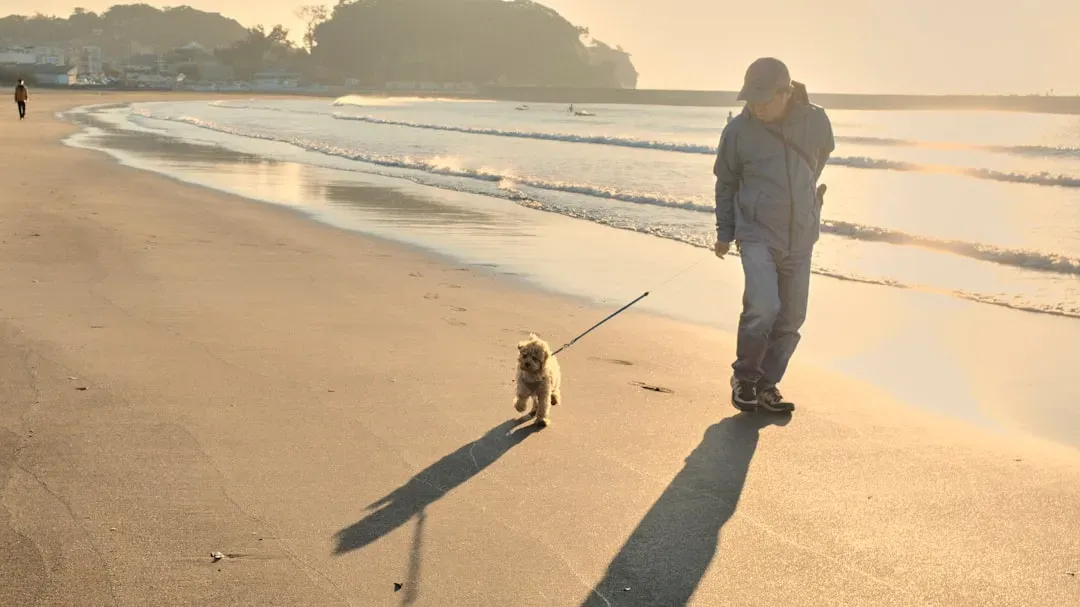
If you take your dog for a walk every morning after breakfast, they will begin to anticipate this activity as part of their day. Over time, that walk becomes something your dog mentally prepares for, something they rely on. Missing it can genuinely throw off their mood. Dogs that don’t get regular, scheduled activity are more likely to show signs of frustration, restlessness, and destructive behavior. On the other hand, those who know when their next walk or play session is coming are generally more relaxed and focused the rest of the day.
Mealtime: A Bowl Full of Trust

Let’s be real, your dog going absolutely wild at feeding time isn’t just about being hungry. It runs deeper. Feeding your dog at the same time each day sends a message that their needs are seen and will be met. That’s trust. That’s them learning, day after day, that you keep your promises.
Feeding your dog at the same time each day supports digestion, regulates bowel movements, and reduces begging behavior. Most adult dogs do well with two meals per day, spaced 8 to 12 hours apart. It’s simple, but it works on both a physical and emotional level.
Here’s something worth paying close attention to. Consistent feeding routines make it easier to detect any changes in your dog’s appetite, which can be an early sign of illness. If your dog always eats at the same time and suddenly isn’t interested in food, you’ll notice the change right away. That’s your dog’s routine practically handing you an early warning system.
Warning signs that your current feeding schedule needs adjustment include constant hunger behaviors, regularly leaving food uneaten, unexpected weight fluctuations, or digestive issues like vomiting or irregular bowel movements. Never ignore these. They are your dog’s version of raising their hand and saying something’s not right.
Playtime, Walks, and the Power of Mental Stimulation
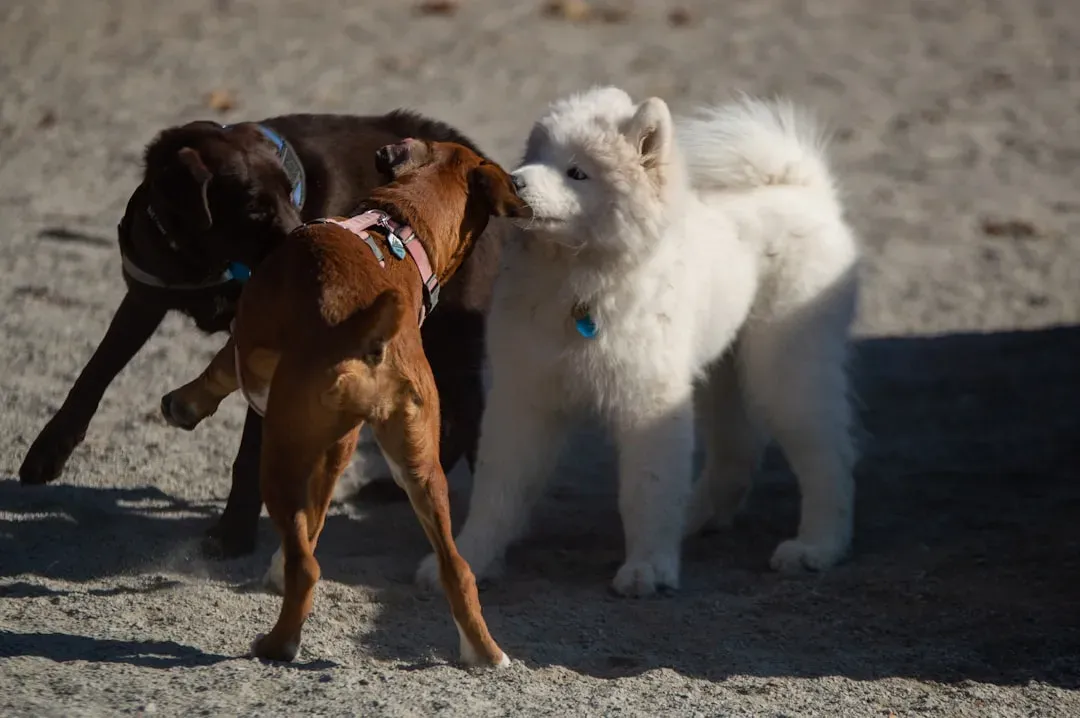
You’ve probably heard “a tired dog is a good dog.” Honestly, that’s only half the story. Dogs need regular physical activity to stay healthy and engaged. Beyond burning off excess energy, playtime strengthens your bond and prevents destructive behavior caused by boredom.
Mental stimulation is equally important. Training sessions, scent work, and interactive games help keep the mind sharp. Think of mental exercise as the puzzle your dog’s brain desperately needs to chew on. A walk that lets your dog sniff freely? That’s basically a Netflix episode for their nose.
Playtime is an important dog bonding behavior that helps build connection. Play strengthens social bonds and builds trust. When a dog invites you to wrestle or chase, they are practicing cooperative play within a relationship they feel safe in. So when your pup drops a ball in your lap for the fourteenth time, they’re not just bored. They’re inviting you into their world.
Sleep Habits: What Your Dog’s Rest Reveals About Their Health
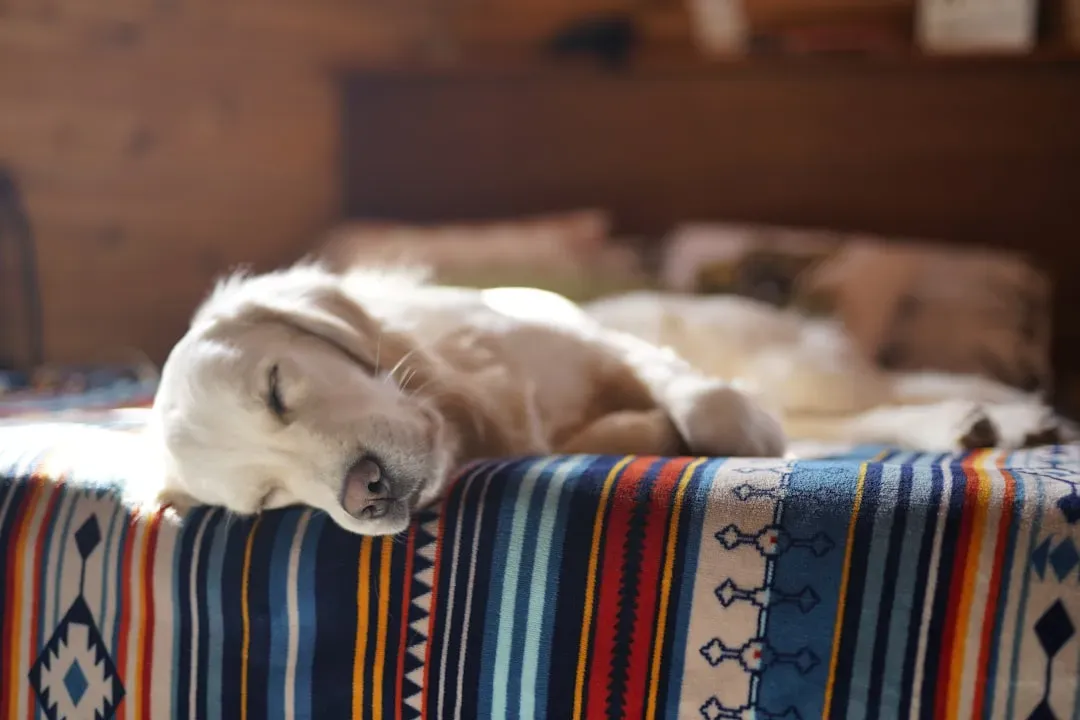
It surprises a lot of people to learn just how much dogs sleep. Adult dogs should be snoozing for 12 to 14 hours every day, while their puppy counterparts may be zonked out for 19 hours. So if your dog seems to nap constantly, that’s not laziness. That’s biology working exactly as it should.
When an animal is asleep, the body releases vital growth hormones that support muscle recovery and tissue regeneration. Active dogs or pups healing from injuries may sleep more to renew the body of what’s been lost or damaged. Sleep is when the real repair work happens, quietly, behind closed eyes.
Pay attention to changes though. If your pet is sleeping significantly more or less than usual, it can signal health problems like pain, infection, hyperthyroidism, or anxiety. Is your pet overly restless, whimpering, or circling their bed a lot before trying to lie down? Pets that can’t seem to get comfy may be in pain.
Exercise 3 to 4 hours before bedtime allows enough time for adrenaline and cortisol levels to decrease. Late-evening intense activity can overstimulate dogs and delay sleep onset. So that wild game of fetch right before lights out might actually be working against you both. A gentle wind-down routine, same steps every night, goes a long way.
When Routine Changes: How to Support Your Dog Through Disruption
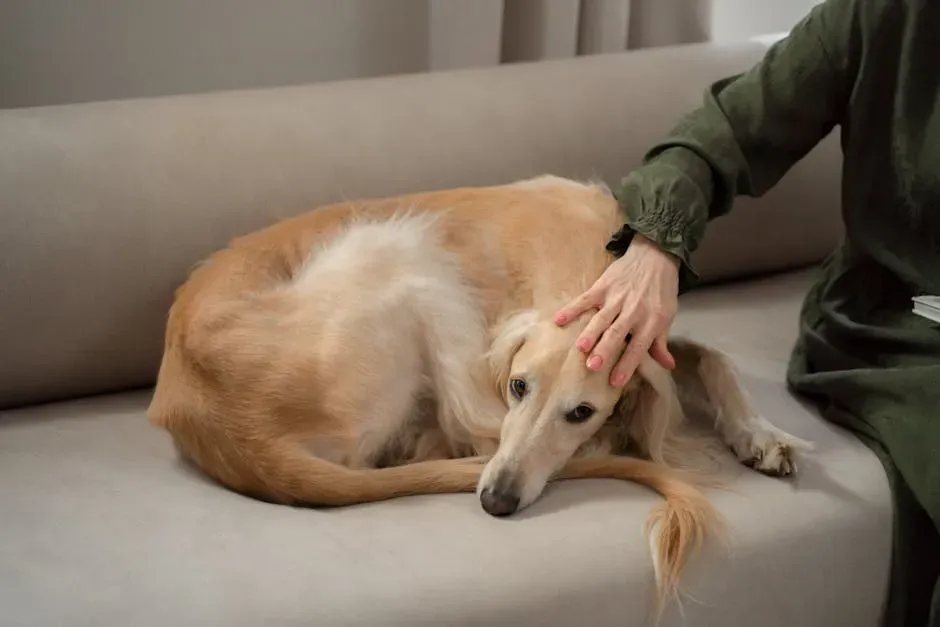
Life changes. New jobs, moves, new babies, schedule shifts. We adapt, usually with coffee and mild anxiety. Your dog? They adapt too, but they need your help to do it gracefully. Domesticated dogs still carry wild instincts, and when their day-to-day life feels chaotic or unpredictable, they may become anxious, disobedient, or even physically unwell.
If you need to change your dog’s routine, such as feeding times or walk schedules, do so gradually to give them time to adjust. Think of it like easing into cold water rather than diving in headfirst. Small, incremental shifts are kinder to your dog’s nervous system.
Some senior dogs develop cognitive dysfunction, a condition similar to dementia. Big changes in the home can contribute to confusion and disorientation, whereas a familiar environment and routine can provide comfort and reassurance. For older dogs especially, routine isn’t just comfort. It’s a lifeline.
Routine is vital, but it’s equally critical to have some flexibility. Otherwise, if something changes, like a dog parent leaving town or coming home late, the dog may get nervous. The sweet spot is a reliable rhythm with just enough variety to keep your dog resilient when surprises happen.
Conclusion: Every Habit Is a Heartbeat
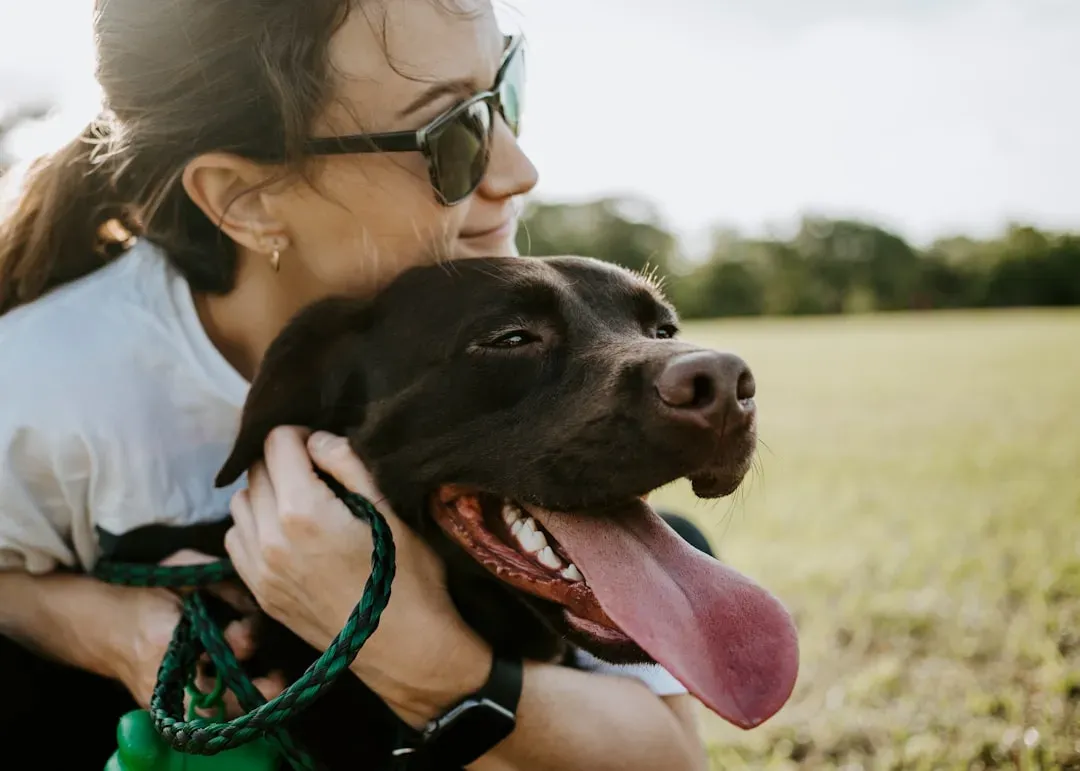
Your dog doesn’t write poetry or leave little notes. They can’t call you when they miss you. Instead, they show up. Every single day, in all the small, repeating moments. The scratching at your bedroom door at 7 AM. The way they carry their bowl when they’re excited. The quiet lean against your leg at the end of a long day.
These aren’t just habits. They are the daily language of a creature who has chosen you, completely and without condition. When you understand that language, you stop seeing a dog going through the motions. You start seeing a soul expressing devotion through ritual.
So the next time your dog wakes you up at the same time two mornings in a row, or spins circles at the sound of the leash, or curls impossibly close to you as you fall asleep, pause. Receive it. That’s their love letter, written in routine, delivered every day without fail. What small habit does your dog have that you now see a little differently? Share it in the comments. I’d genuinely love to know.


