
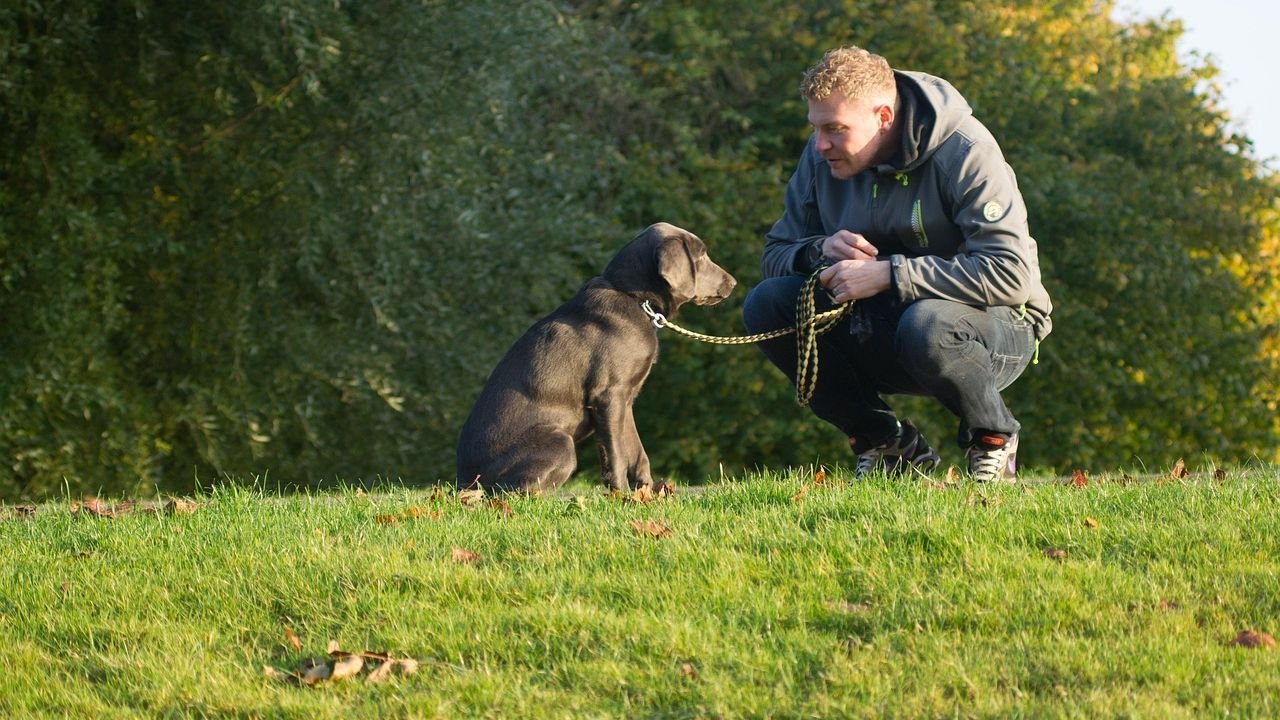
You’ve probably noticed how excited your dog gets when you grab the leash, right? That tail wagging, those eager eyes, the little dance by the door. It’s adorable, honestly. But here’s the thing, that daily walk isn’t just about burning off energy or bathroom breaks. What’s happening during those twenty or thirty minutes outside is so much more profound than most of us realize.
Your dog’s brain is working overtime out there, processing scents, sounds, sights, and textures in ways that are absolutely essential for their mental wellbeing. Think of it like this: imagine spending every single day in the same four rooms, seeing the same furniture, hearing the same sounds. You’d go a little stir crazy, wouldn’t you? That’s essentially what happens to our dogs when we skip walks or make them too short and rushed. So let’s dive into why that simple daily ritual matters far more than you might have guessed.
The Brain Science Behind Walking

Here’s something that might surprise you. Physical exercise triggers the release of a protein called brain-derived neurotrophic factor, which results in the growth of new brain cells. I know it sounds a bit technical, but essentially your dog’s brain is literally growing and adapting when they’re out walking. That’s pretty incredible when you think about it.
Dogs have been proven to reduce stress, anxiety and depression, and walking is a huge part of that equation. It’s not just folklore or wishful thinking from dog lovers. Research shows that dog owners engage in higher levels of physical activity, which creates a beautiful cycle where both human and canine mental health improve together.
The outdoor environment provides sensory stimulation that indoor life simply can’t match. Every lamp post, every patch of grass, every passing squirrel presents your dog with information to decode and process. Regular walks provide mental stimulation, allowing dogs to explore their environment, interact with other animals, and engage their senses.
What Happens When Walks Are Skipped

Pent-up energy with no outlet can turn into barking, chewing, digging, or even aggression, behaviors that often stem from frustration, boredom, or anxiety. I’ve seen this countless times with clients. They call about a “behavior problem” when really, the dog is just desperately understimulated.
Let’s be real, the symptoms can be subtle at first. Some dogs respond to lack of physical activity by appearing lazy as their bodies adapt and lose stamina and physical fitness. They kind of give up, which sounds sad because it is. Dogs can become anxious, depressed, or even aggressive without enough exercise.
The long term consequences aren’t pretty either. Lack of exercise puts dogs at risk for behavioral problems which can be destructive, stressful, and sometimes lead pet parents to rehome their dogs. That breaks my heart every time because it’s so preventable.
The Power of Sniffing and Sensory Exploration
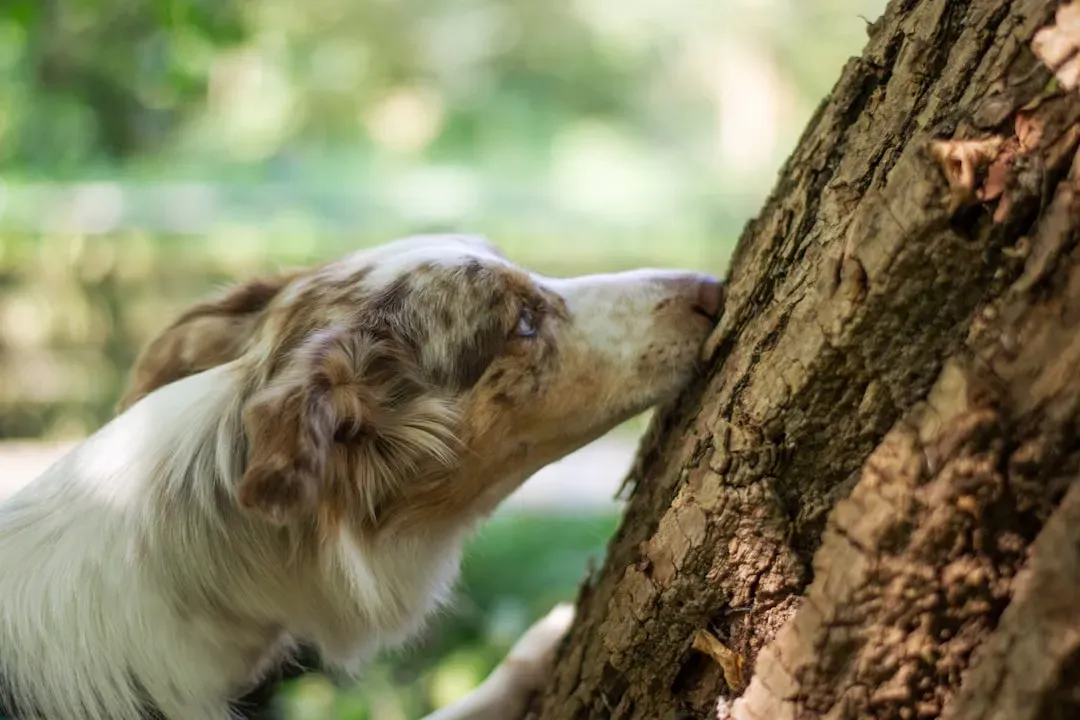
You might think your dog is wasting time when they stop to sniff every single blade of grass, but they’re actually doing important mental work. Scent work releases dopamine and satisfies a natural drive in dogs, being beneficial for their mental health. Think of sniffing as their version of reading the morning newspaper.
Sniffing and exploring is a really good way to mentally stimulate a dog, with experts saying that 20 minutes of sniffing can be equivalent to an hour’s worth of a walk in terms of enrichment. That’s a pretty amazing return on investment, honestly.
Dogs love to sniff, and spending time searching can stimulate their mind and help them relax. It might look boring to us, but for your dog, it’s fascinating detective work. Every scent tells a story about who passed by, what they ate, how they were feeling.
Walking as Social and Emotional Connection
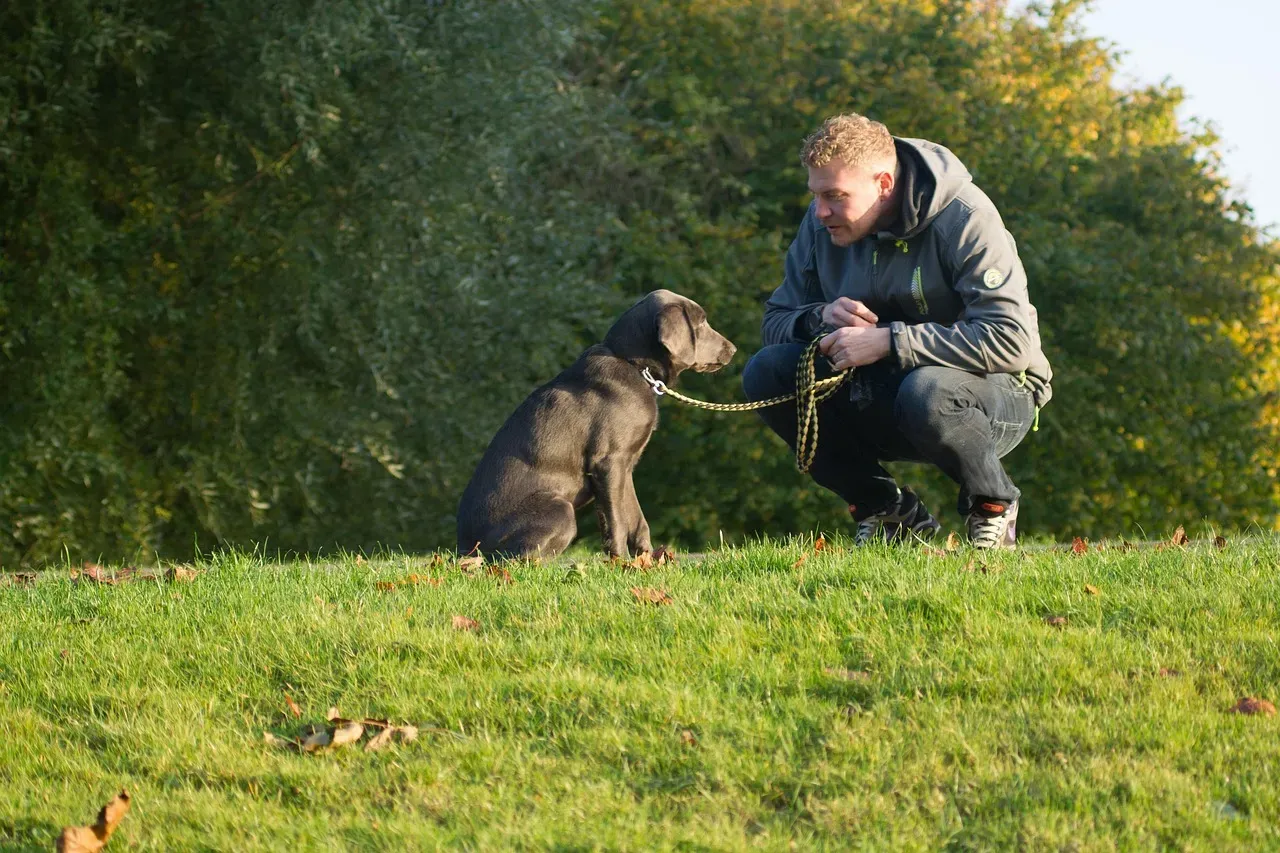
Many dog owners experience a sense of dog obligation that strongly motivates them to walk their dog, and this purposeful activity is more likely to be sustained in the long run. There’s something beautiful about that mutual commitment between species.
Positive emotions in dog walkers can be produced by their perception that the dog is enjoying themselves, and the human-dog bond may be key for maximising psychological benefits. It’s not just one-sided. When you see your dog’s pure joy at discovering a new smell or greeting a friendly neighbor, that happiness is contagious.
Walking is an opportunity to bond with your pet and build trust, and when you spend quality time together, your dog feels more secure and loved. Those quiet moments walking side by side create trust and understanding that no amount of fancy toys can replicate.
Recognizing Mental Health Warning Signs

How do you know if your dog needs more mental stimulation? Behavioral problems, especially destructive behavior, are commonly a result of not getting enough exercise, with many dogs becoming bored and frustrated. Watch for excessive barking, destructive chewing, or restlessness.
The most common physical sign of lack of exercise is weight gain with more subtle changes in muscle mass and endurance. If your normally bouncy pup seems sluggish or is putting on pounds despite the same diet, lack of walking might be the culprit.
Some dogs show their distress differently. Separation anxiety affects roughly one in seven dogs, with symptoms like persistent barking, destructive chewing, or indoor elimination happening only during absence. Regular walks help establish routine and reduce this anxiety significantly.
Making Walks More Enriching
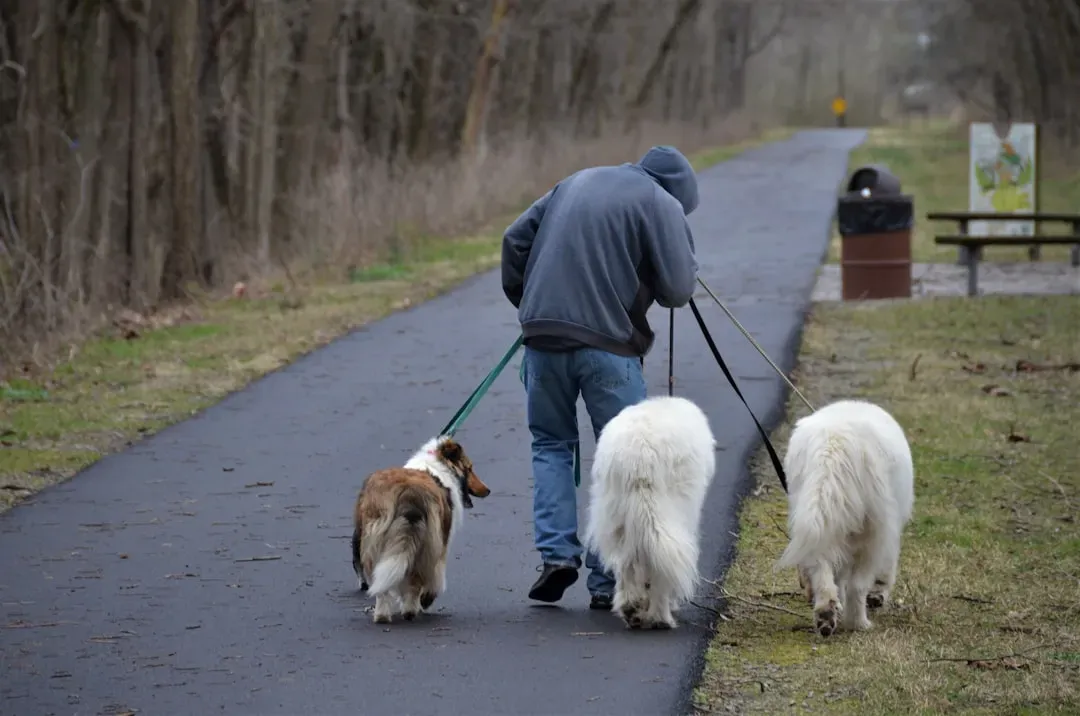
Not all walks are created equal, and that’s actually good news. Sniff walks, where you allow and encourage your dog to sniff, are great exercise for their mind, so try swapping high-excitement activities for leisurely sniff walks. Slow down, let them investigate.
Vary your routes when possible. New environments provide fresh mental challenges. Dogs can motivate neighborhood walking and encourage engagement in community events, which enriches both your lives socially. That corner café with the dog-friendly patio? Perfect destination.
Enrichment helps prevent boredom and can help with dog behavior problems such as anxiety, and increasing enrichment is one of the first things recommended for any type of behavior problem. Bring a few treats, practice some training, play hide and seek with a favorite toy during the walk. These little additions transform a simple walk into a rich experience.
Conclusion: Small Steps, Big Impact
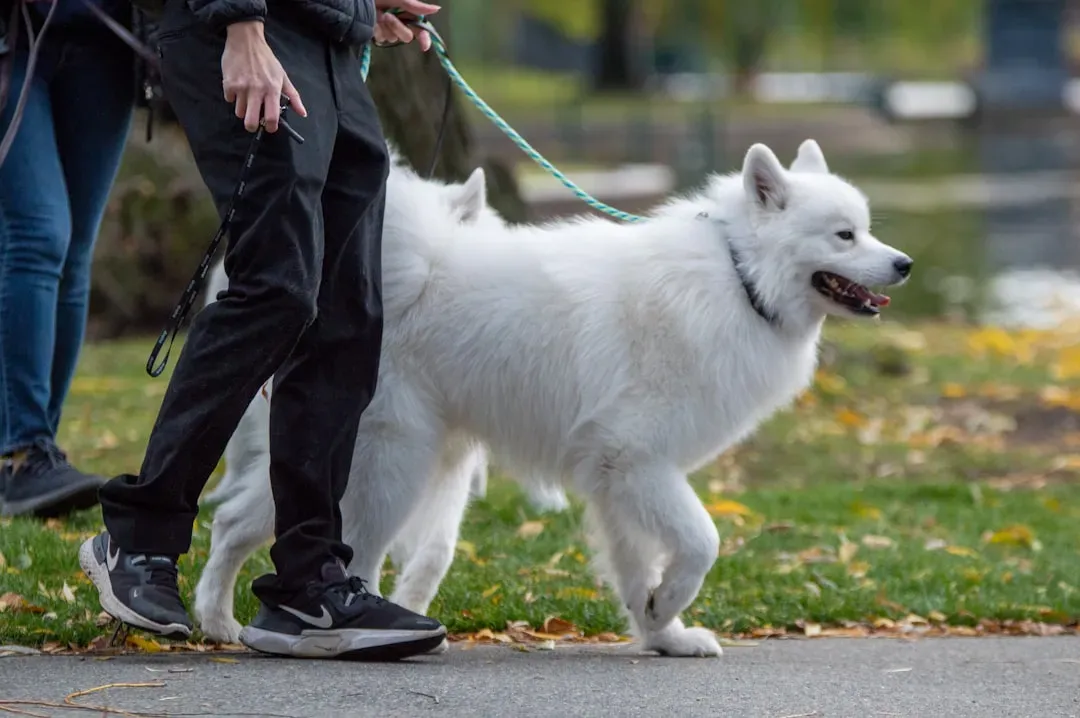
Your dog’s daily walk is far more than exercise. It’s therapy, education, socialization, and joy all rolled into one simple activity. Dog walking potentially combines exercise, purposeful activity, emotional connection, social contact, and time spent in nature, all known to improve mental health.
The beautiful thing is that you don’t need to become a marathon runner or spend hours outdoors. Even a twenty minute walk where your dog can sniff, explore, and connect with you makes an enormous difference to their mental wellbeing. A lack of exercise allows buildup of mental energy and can cause behavioral problems, with an unstable dog not being a happy dog.
So tomorrow morning when your dog brings you that leash, remember you’re not just taking them out for a bathroom break. You’re giving them the mental stimulation they need to be balanced, happy, and truly themselves. What do you think about it? Have you noticed changes in your dog’s behavior based on their walking routine? Tell us in the comments.


