

You come home after a long day, eager to relax, only to find your favorite shoes chewed beyond recognition. Or maybe it’s the couch cushions scattered like confetti across the living room. Your first instinct might be frustration, even anger. Here’s the thing though: your dog isn’t trying to punish you or deliberately misbehave. They’re actually trying to tell you something important, and honestly, we’ve all missed the signs at some point.
What if those destructive behaviors weren’t signs of a bad dog, but rather a desperate plea for help? Let’s be real, our dogs can’t exactly tap us on the shoulder and say they’re bored out of their minds. Instead, they communicate through their actions, and sometimes those actions look pretty destructive to us. Understanding what’s really going on in that furry head of theirs can transform your relationship and save your belongings in the process.
The Hidden Language Behind the Destruction
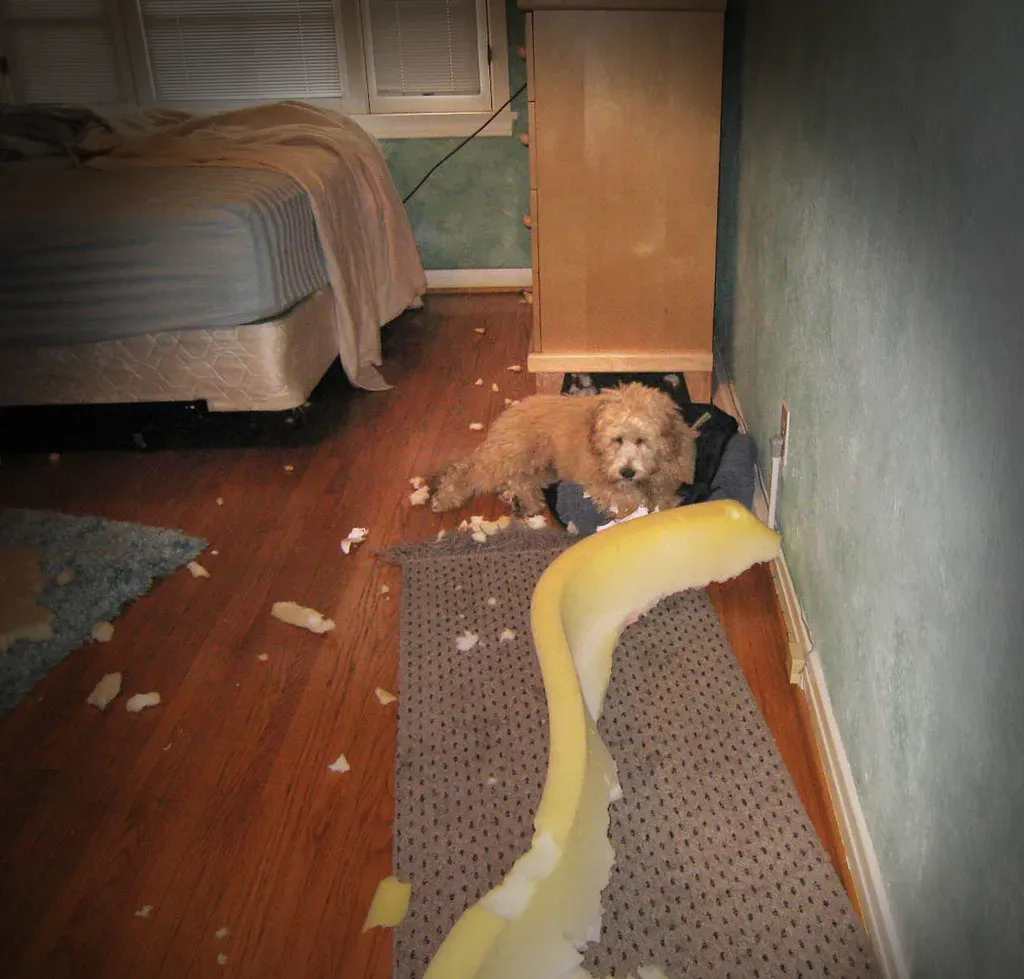
Destructive behavior is typically a form of doggy communication, as your dog may be trying to express frustration, relieve stress, or entertain themselves. Think about it from their perspective for a moment. Imagine being trapped in a house for hours with absolutely nothing to do, no phone to scroll, no book to read, no conversation to have. You’d probably start picking at the wallpaper too.
What many of us don’t realize is that common causes include boredom, anxiety, teething, lack of exercise, or insufficient mental stimulation. Your pup might be physically tired from that morning walk, yet their brain is still running at full speed with nowhere to channel that energy. A bored dog may seek entertainment by interacting with household objects in undesirable ways, as lack of mental stimulation, long periods alone, or insufficient physical activity can all contribute to bored dog behavior problems.
I’ve seen so many dog owners increase their pet’s exercise routine, running them for miles each day, only to find the destructive behavior continues. That’s because physical exhaustion isn’t always the answer. Providing mental stimulation is just as important as physical exercise, as mental stimulation lowers stress levels, helps them learn, and tires them quickly, even more so than physical effort.
Reading the Warning Signs Your Dog Is Understimulated

Dogs give us plenty of clues before they move to full-blown destruction mode, but we often miss them until it’s too late. Many dogs will start to dig holes in the yard as a way to release pent-up energy. Some dogs pace endlessly, bark at seemingly nothing, or follow you around like your shadow even when you’re just moving from room to room.
Persistent barking when left alone can signify that your dog is anxious and stressed when left alone. Maybe you’ve noticed your dog has started excessively licking themselves or becoming fixated on certain spots in the house. These aren’t just quirky habits. They’re red flags waving frantically, trying to get your attention.
Even seemingly minor changes can signal a problem. Does your dog no longer settle down in the evening? Do they seem restless even after a long walk? Even if your cat or dog is a couch potato, you should still observe periods of active playtime, and if they’re inactive and never seem to get up from naptime, they could be bored. Sometimes understimulation shows up as excessive lethargy rather than hyperactivity.
Why Mental Exercise Trumps Physical Exercise

Let’s talk about something that might sound crazy but is absolutely true: fifteen minutes of brain games can tire your dog out more than an hour-long walk. Mental work is tiring work, which is why mental stimulation for dogs is just as important as physical activity. When your dog’s brain is engaged in problem-solving, it burns through energy at a remarkable rate.
Recent research has shown just how powerful mental enrichment can be. Studies show that daily mental enrichment can dramatically improve a dog’s emotional balance, with consistent cognitive activities shown to reduce aggressive behavior by up to 50% when used regularly. That’s not a small improvement. That’s life-changing for both you and your furry companion.
Giving your dog opportunities to think, problem-solve, sniff, explore, and use their natural instincts – the same activities their ancestors performed effortlessly every day – matters because modern life doesn’t offer those built-in mental challenges anymore, and the result can be anxiety, destructive behavior, or even aggression. We’ve essentially domesticated dogs into a world that doesn’t naturally satisfy their cognitive needs, so we need to intentionally create those opportunities.
Simple Brain Games That Actually Work
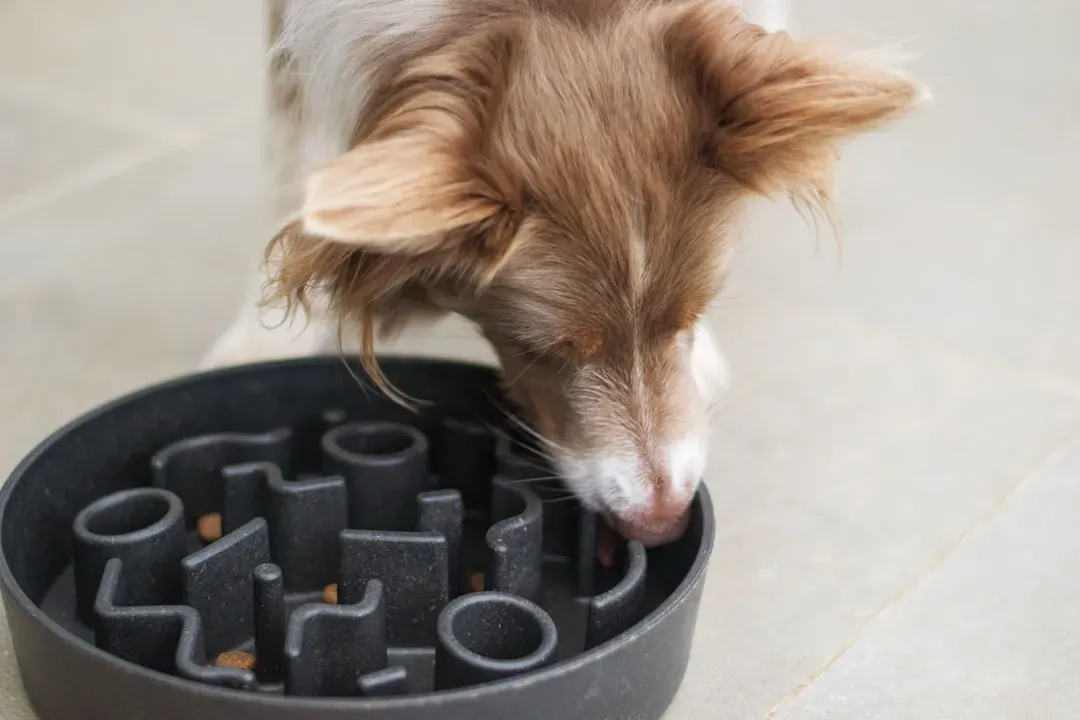
Providing interactive toys, puzzle feeders, and daily exercise can significantly reduce destructive tendencies. You don’t need to spend a fortune on fancy equipment either. Some of the most effective enrichment activities use items you already have around the house. The muffin tin game involves placing treats in several cups of a muffin tin and covering all the cups using tennis balls, soft toys, or crumpled paper.
Sniffing activities are absolutely golden for mental stimulation. Dogs love to sniff, and spending a few minutes searching for treats on a fringed mat can stimulate your dog’s mind and help them relax. You can hide treats around your house, creating a scavenger hunt that taps into their natural foraging instincts. Start simple with treats in obvious places, then gradually increase the difficulty as your dog gets the hang of it.
Interactive toys, socialization, scent work, training sessions, and playtime with other dogs are all great means of providing mental stimulation. Even something as simple as teaching your dog a new trick engages their brain in ways that physical exercise alone cannot. The beauty is in the variety – rotating different types of mental challenges keeps things fresh and prevents your dog from becoming bored with the same old routine.
Enrichment activities can prevent boredom, build confidence, and teach a variety of skills such as problem-solving, searching and agility. I think what surprises most people is how quickly they see results once they start incorporating these activities into their daily routine.
Creating a Balanced Enrichment Routine
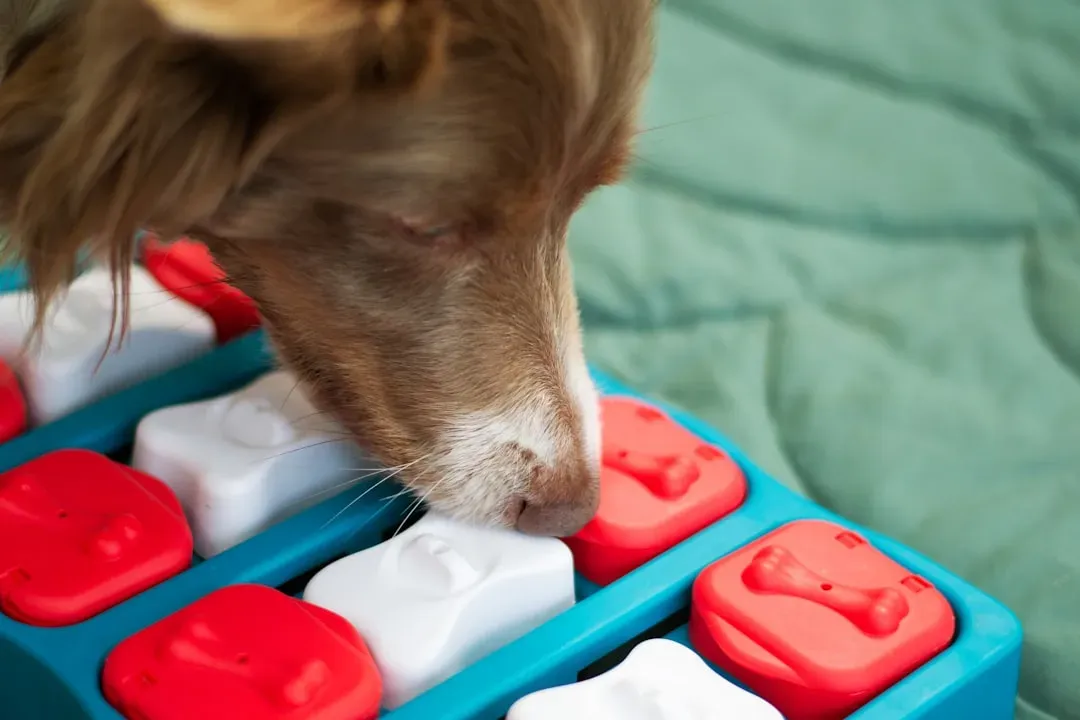
Enrichment should be provided daily and can be used throughout the day. The key is consistency rather than intensity. You don’t need to dedicate hours each day – honestly, even ten to fifteen minutes of focused mental stimulation can make a tremendous difference in your dog’s behavior and overall happiness.
There’s also such a thing as too much stimulation though. Balance is key, as too much stimulation can be just as harmful as too little, and dogs need a lot of rest each day – up to 18 hours. Think of enrichment activities as strategic bursts of engagement rather than constant stimulation. Your dog needs downtime to process all those new experiences and recharge their batteries.
Combining mental and physical enrichment with consistent training for best results requires patience, consistency, and positive reinforcement. Maybe you do a puzzle feeder at breakfast, a short training session mid-morning, a sniff walk in the afternoon, and a hide-and-seek game with treats before dinner. Mix it up based on your schedule and your dog’s preferences. Some dogs go absolutely crazy for scent work, while others prefer puzzle toys.
When Professional Help Makes Sense

Persistent or severe destructive behavior may warrant a consultation with a veterinarian, who can evaluate whether medical conditions, nutritional needs, or environmental stressors are contributing factors, because early intervention is important. Sometimes what looks like boredom is actually anxiety, pain, or another underlying medical issue that needs professional attention.
Destructive behaviors are often a natural canine response to boredom or loneliness, but they can also be a manifestation of anxiety, fear, phobia, or other emotional problems, which is why pinpointing the underlying motivations for your dog’s destructive behavior is crucial because it allows for a more targeted approach to treatment and prevention. A professional can help you distinguish between different causes and create a tailored plan for your specific situation.
If you’ve tried increasing mental stimulation and the behaviors persist or worsen, don’t hesitate to reach out to a veterinary behaviorist or certified dog trainer. Separation anxiety is a more severe expression of boredom and loneliness that amounts to a diagnosable mental health issue. This goes beyond normal boredom and requires specialized intervention. There’s absolutely no shame in seeking help – in fact, it’s one of the most responsible things you can do for your furry friend.
Conclusion: Understanding Your Dog’s True Needs

Those chewed shoes and destroyed cushions aren’t acts of revenge or signs of a bad dog. They’re your pet’s way of saying their incredible brain needs more to do. Your dog isn’t misbehaving on purpose; they’re asking for guidance, engagement, and meaningful work, and by making mental stimulation a simple daily habit, you can help your dog feel understood, balanced, and joyfully calm. The transformation can happen faster than you might expect once you start addressing their cognitive needs.
One of the most important things to understand about destructive behavior in dogs is that it is often a symptom of underlying issues such as boredom, anxiety, or a lack of physical and mental stimulation. When you shift your perspective from “my dog is bad” to “my dog needs help,” everything changes. You become partners in solving a problem rather than adversaries in a battle of wills.
Start small today. Choose just one enrichment activity from this article and try it with your dog. Watch how their eyes light up when they finally have something meaningful to do with all that energy and intelligence. Your relationship will deepen, your home will stay intact, and your dog will be so much happier. What small change will you make today to help your dog thrive mentally? Share your experiences in the comments – we’d love to hear what works for your pup.


