
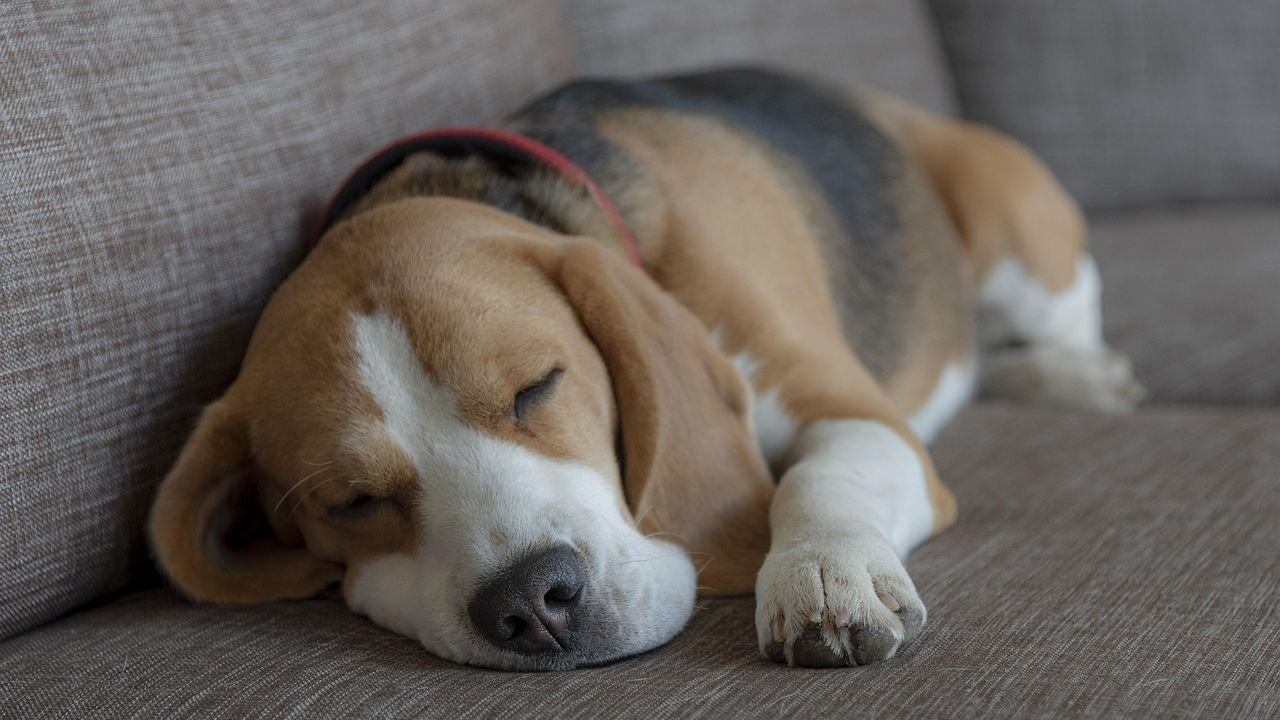
Picture this. It’s late at night, the house is quiet, and your dog is curled up in their favorite spot, legs twitching softly, and then suddenly – a muffled little bark slips out. You look over, heart warm and half amused, and wonder: what on earth are they dreaming about?
Here’s the thing, those sleep sounds are not random noise. They are tiny windows into your dog’s inner world, and science actually backs that up in the most beautiful way. What’s happening inside that furry head is far more layered, emotional, and fascinating than most dog parents realize. Let’s dive in.
The Science of Canine Sleep: Your Dog’s Brain Never Fully Clocks Out
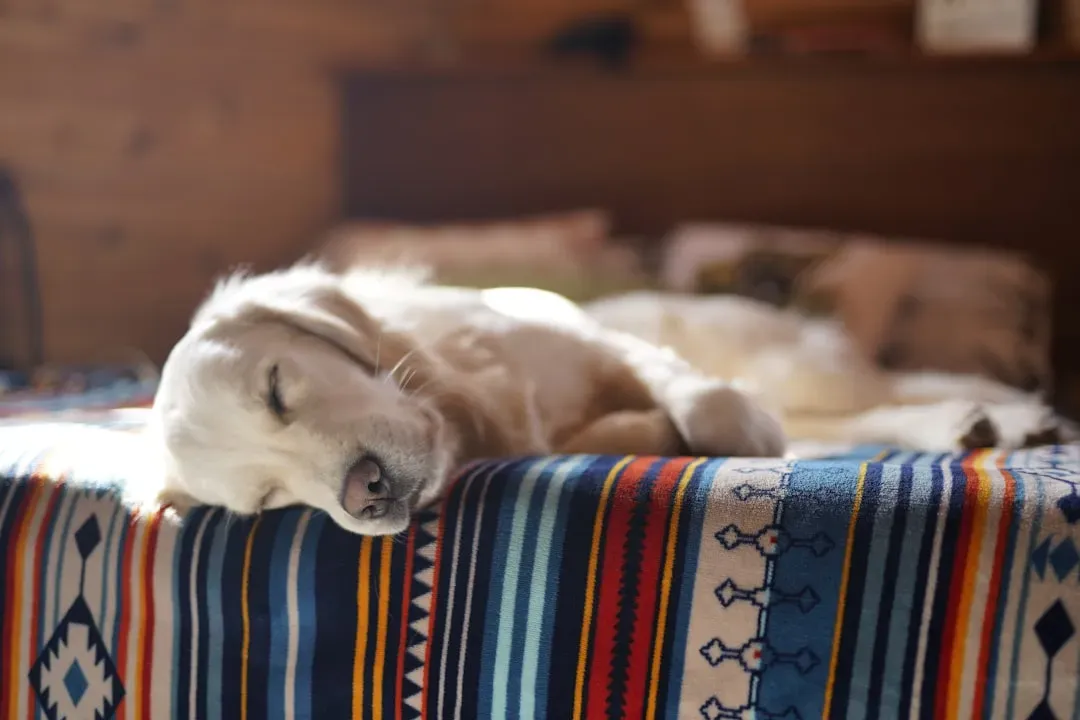
Canines, like humans, go through different sleep stages, including REM (Rapid Eye Movement) sleep, which is associated with dreaming. Think of it like your dog’s brain running a nightly highlight reel. It’s doing real, important work while the rest of them is completely still.
During the REM stage, the brain becomes highly active even though the body remains mostly still, and electrical patterns recorded in sleeping dogs closely resemble those seen in dreaming humans. That parallel is honestly remarkable. Your dog’s sleeping brain is functioning like a mini cinema, replaying, sorting, and storing.
Canines have shorter sleep cycles of roughly 15 minutes and often experience as many as 20 of them in a single night. That’s a lot of mental activity happening while you’re none the wiser. Researchers believe the REM stage of sleep is when the brain performs critical tasks, like converting short-term memories into long-term ones.
Puppies spend up to half of their sleep time in REM, reflecting just how much their brains are learning and growing. So if you’ve got a young pup who seems to twitch constantly during naps, don’t worry. Their little brain is simply working overtime to make sense of this big, exciting world.
What Are They Actually Dreaming About? (Hint: Probably You)
Honestly, this is the question every dog lover wants answered. We may never get a full picture, but science gives us some pretty compelling clues. Scientific evidence and behavioral cues give us strong hints. Most experts believe that dogs dream about familiar experiences, people, and emotions from their daily lives. Their dreams may replay moments of excitement, play, or affection, like running through the park or greeting their favorite person at the door.
One landmark study from MIT in the early 2000s explored how animals dream by monitoring brain activity during both waking and sleeping hours. When rats ran through mazes during the day, their brain patterns matched up almost perfectly with patterns recorded during REM sleep. Scientists concluded that rats, and by extension dogs, likely dream about their daily activities. So yes, that morning walk you took together? It may very well be replaying in their dreams.
Hunting dogs might dream about chasing prey, and Collies may rerun earlier herding routes, with positive and negative experiences influencing their responses. I think that’s both adorable and deeply telling about how connected a dog’s identity is to their purpose and daily routine.
Dogs probably dream about their owners. Since dogs spend so much time with their human companions, it’s likely they dream about familiar faces, shared activities, and the affection they receive. There’s something incredibly moving about that, isn’t there? You are literally the stuff of their dreams.
Decoding the Sounds: What Each Bark, Whine, and Growl Might Mean

Not all sleep sounds are created equal, and learning to read them is genuinely useful. Some sounds you may hear when your four-legged friend is dreaming are barking, growling, whimpering, grunting, howling, or even licking. Each of these tells a slightly different story, like emotional subtitles to a movie you can’t quite see.
Dogs are incredibly emotional creatures. Their barking, growling, or whining in sleep might not always be about what they’re “seeing” in their dreams but rather what they’re “feeling.” Fear, excitement, curiosity, or even anxiety could manifest in vocalizations. It’s the canine equivalent of laughing or crying in your sleep.
Your dog may bark if they tend to get excited easily over treats, but most dogs may give a happy whine or smack their lips when they dream about food. They may also wag their tails slightly as a sign of happiness. So a soft tail wag during sleep? That’s a good sign. That’s a happy dream unfolding.
Since dogs have a strong sense of smell and hearing, their dreams are likely to be more related to smells and sounds, instead of visualizations, as it is with humans. Think about that for a second. Your dog’s dream world might smell like your jacket, sound like your voice, or feel like the grass under their paws. That’s a whole different sensory universe.
When to Let Them Sleep and When to Gently Step In

This is where so many well-meaning dog parents get it wrong. The instinct to rush in and comfort a whimpering dog is completely natural, but it can actually do more harm than good. About 6% of dog bites occur while waking a dog from REM sleep, so it’s best to let your dog wake up on their own. That’s not a small number. It’s a genuine safety reminder.
Waking your dog while they’re dreaming can be shocking or startling to them, and they can wake up feeling very disoriented and confused. Some dogs may instinctively bite as a means of protecting themselves if woken up suddenly. Even the sweetest, most gentle dog can react defensively when pulled from deep sleep. Especially children should be taught this.
The best thing to do is to caress them gently and give your hand to sniff so that they notice your presence and relax. That’s actually brilliant advice. Let your scent do the reassuring work before your voice does. It’s the softest, safest way to bring them back to the waking world.
However, not every situation calls for hands-off patience. If your dog seems distressed, is exhibiting intense or prolonged vocalizations, or appears to be having a nightmare, you might consider gently waking them. Trust your gut here. You know your dog. A brief soft murmur from across the room can sometimes be enough to ease them through it.
When Dream Barks Signal Something More: Health Signs to Watch For
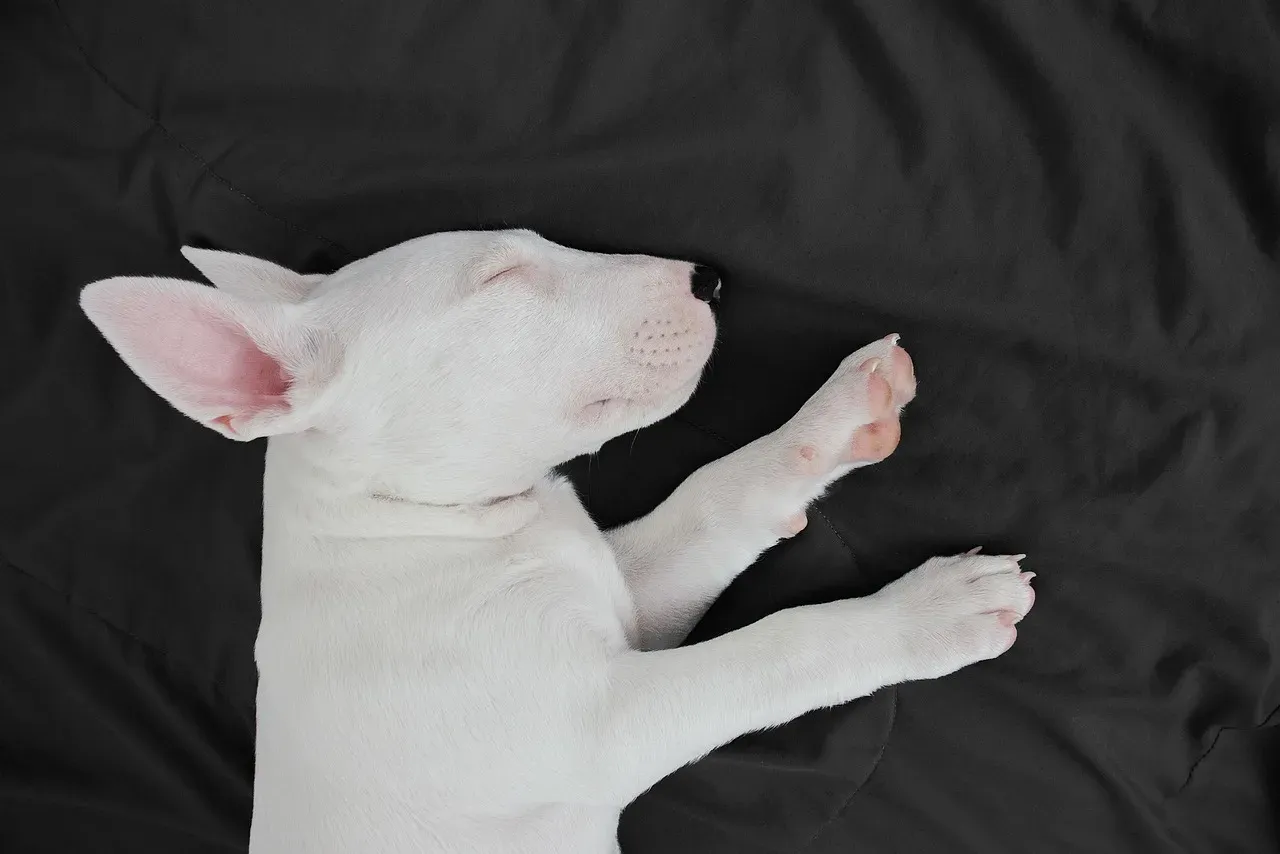
Let’s be real, most sleep sounds are completely harmless. But occasionally, they can be your dog’s way of telling you something deeper is going on. A condition called REM sleep behavior disorder (RBD) has been described in dogs, which can cause them to bark in their sleep. Usually, muscles don’t activate during dream states as they enter a temporary paralysis called muscle atonia. With RBD, motor neurons don’t stop generating action potential, allowing a dog’s movements to manifest in real life. Dogs with this disorder exhibit abnormal, complex, and sometimes violent motor behavior during REM sleep.
For dogs with seizure disorders, including epilepsy, unusual barking can be a sign of seizures. A seizure is caused by uncontrolled firing of neurons in the brain and can have many underlying causes. Certain kinds of seizures can present with barking and may occur during sleep. This is why context and pattern matter so much when observing your dog’s sleep behavior.
Occasionally, medical conditions, particularly in older dogs, can lead to increased vocalization during sleep. These can include cognitive dysfunction syndrome, similar to dementia in humans, pain, or other neurological disorders. If your dog’s sleep vocalizations are new, frequent, or accompanied by other signs of discomfort, it’s a good idea to consult with a vet.
If you ever notice significant changes in your dog’s sleep patterns, such as restlessness, excessive fatigue, or nighttime distress, it’s always best to schedule an exam to rule out underlying issues. Think of it this way: if something about their sleep suddenly shifts in tone, duration, or intensity, treat it the same way you’d treat a change in their appetite or energy. Your attentiveness could catch something early.
Conclusion: Those Little Barks Are Actually Love Notes
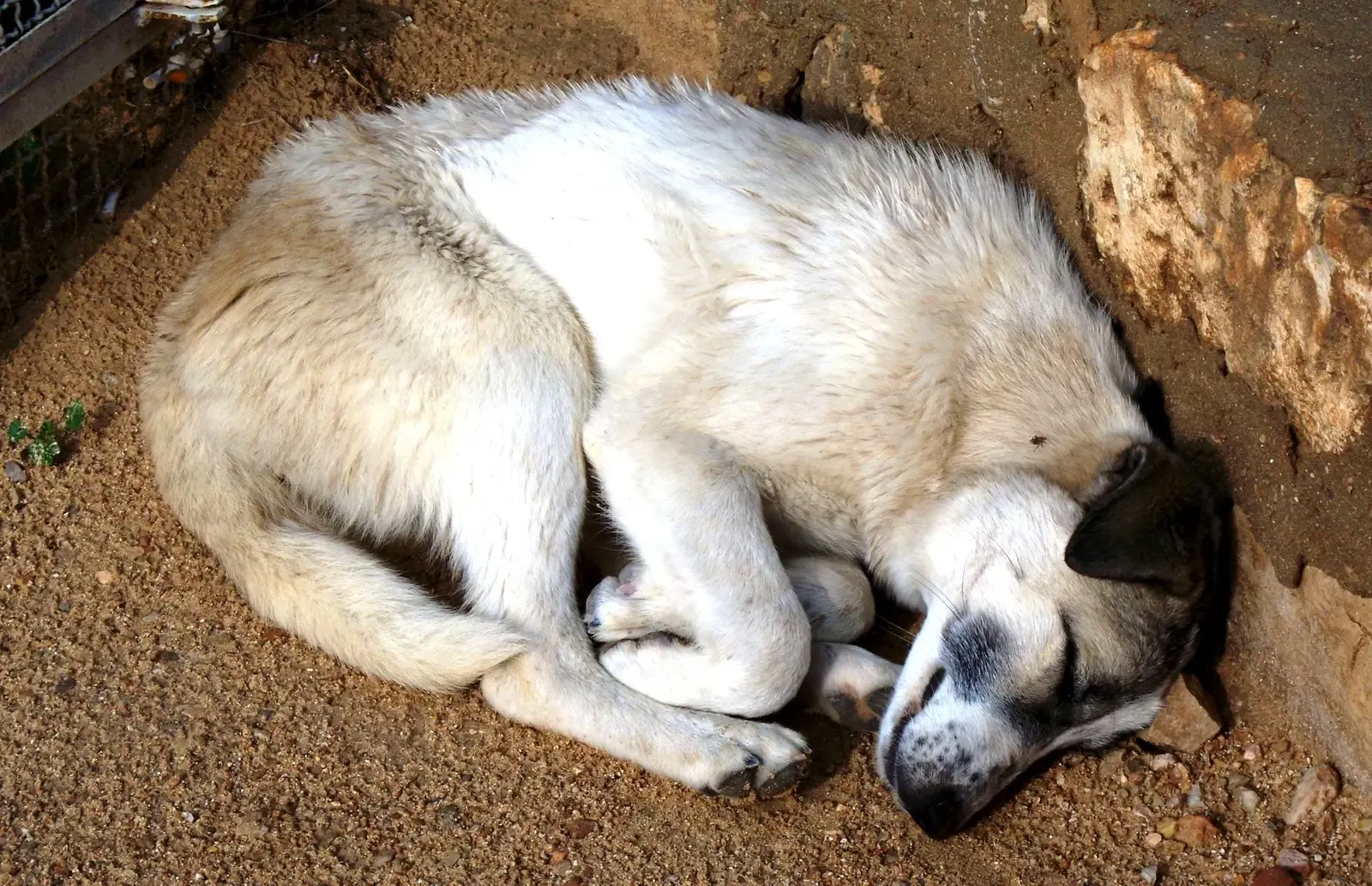
There’s something quietly extraordinary about watching your dog sleep. Watching your dog dream is more than a heartwarming moment. It’s a glimpse into how their brain processes the world around them. Every twitch, every muffled bark, every soft whimper is their mind doing exactly what it should, sorting memories, processing emotions, and yes, almost certainly thinking about you.
Dogs, like humans, use sleep to organize and store memories. Dreaming helps them process complex emotions and experiences, which may explain why dogs appear calmer and more responsive after a good night’s sleep. So one of the most loving things you can do? Protect their sleep. Keep their space calm, their routine consistent, and their days full of the kind of joy worth dreaming about.
The next time your dog lets out that sleepy little bark in the middle of the night, resist the urge to panic or wake them. Smile, maybe whisper their name softly, and know that somewhere deep in that dreaming mind, you might just be the star of the show. What do you think your dog dreams about most? Tell us in the comments.


