

You’ve noticed it happening gradually. Maybe your once-spry companion now hesitates at the bottom of the stairs, or perhaps they’re slipping more on your kitchen floor. There’s that guilty look when they can’t make it outside in time, even though they’ve been house-trained for years. It’s easy to brush these moments off as just getting older, something inevitable and unchangeable. Here’s the thing though: while you can’t stop time, you can absolutely transform how your senior dog experiences their golden years. The difference between a home that works against an aging body and one that supports it isn’t just about comfort. It’s about dignity, independence, and those precious extra years of tail wags. Let’s dive in.
The Slippery Truth About Flooring
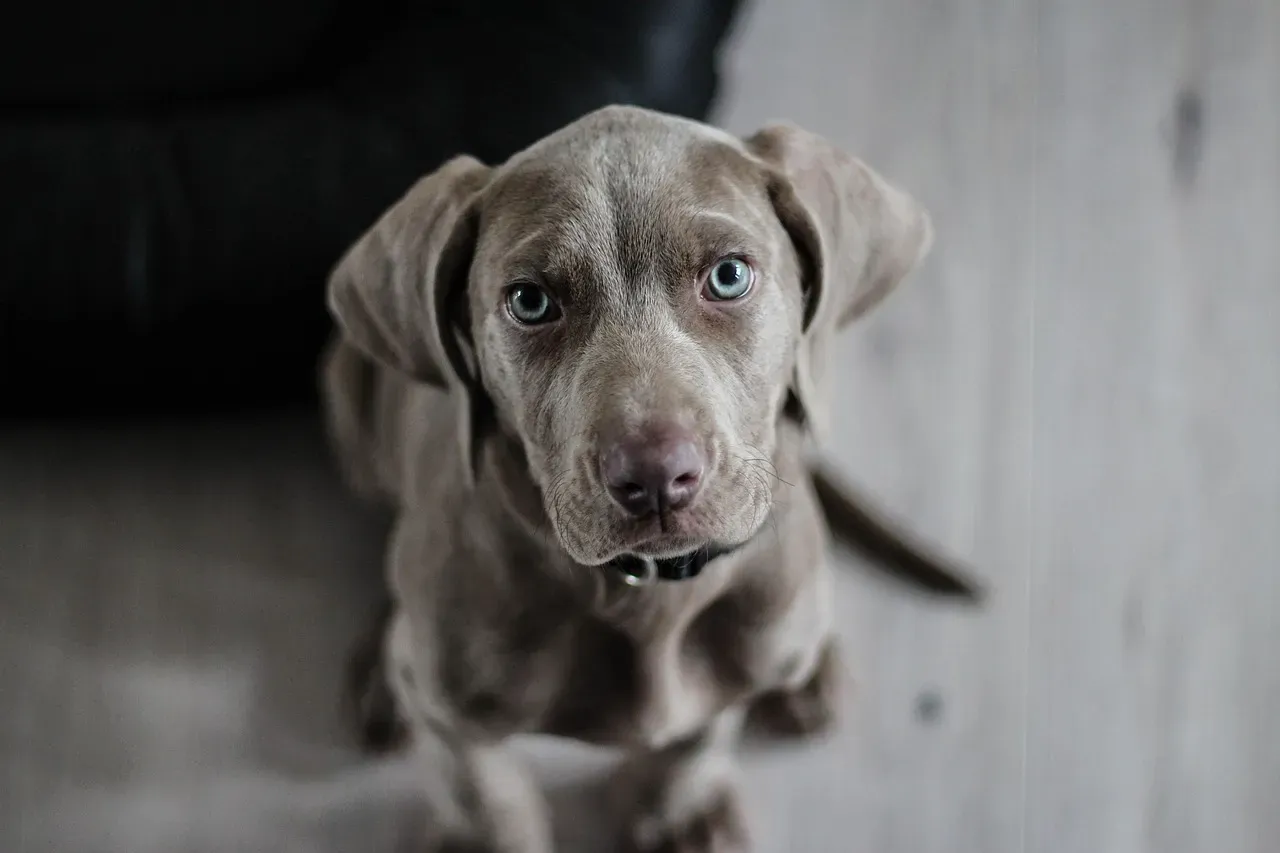
Providing traction for dogs to stand up is perhaps the most important recommendation, as products like booties or toe grips often don’t work for many dogs and are less helpful than providing a non-slippery surface. Think about your own knees on an icy sidewalk, that split second of panic when your foot slides unexpectedly. Now imagine living with that feeling every time you walk to your water bowl.
Slippery floors are particularly tough on older dogs with joint issues like arthritis, especially if your home has hard floors such as linoleum or hardwood where senior pups may slip more frequently. The solution doesn’t require ripping out your beautiful floors. Cover tile, hardwood, vinyl and other slick surfaces with rugs, yoga mats or gym floor tiles. Place them strategically along the paths your dog travels most, creating little highways of security through your home. Rugs can give them a sense of familiarity if their vision is failing.
Rethinking Vertical Spaces
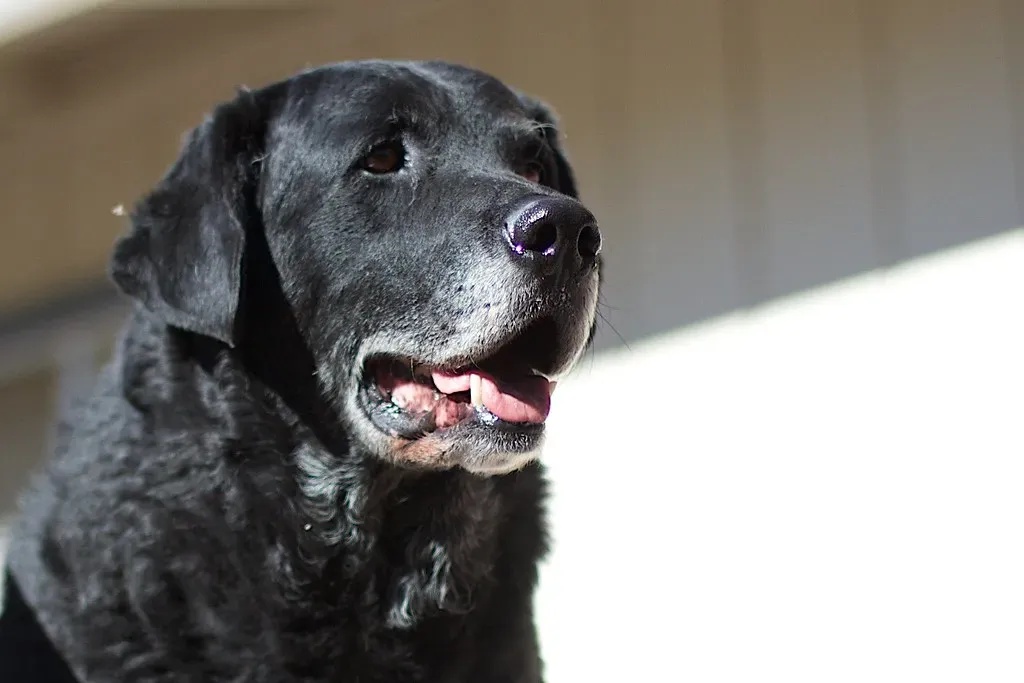
Stairs present a complicated challenge for aging dogs. Walking upstairs can actually be beneficial for medium and large breed dogs with arthritis, providing active range of motion, strengthening and proprioception, though walking downstairs offers no such advantages as forces on the front limbs increase. I think that’s fascinating because our instinct is often to prevent all stair use.
For dogs that can no longer master stairs, try a ramp with a gentle slope and non-slip surface. Blocking staircases with gates is also a good idea if your pup is no longer able to use them safely. Consider your dog’s current abilities honestly. Can they still navigate stairs with confidence, or are they hesitating, stumbling, or showing signs of fear? That hesitation tells you everything.
Sleep Sanctuaries for Aching Joints

Memory foam actually molds to the dog’s body and adjusts to weight distribution, and because of its density, memory foam dog beds don’t need to be as thick as polyurethane beds to provide the same or more support. Your senior dog likely spends considerably more time sleeping than they used to, making their bed one of the most important investments you’ll make.
Older dogs may benefit from changing from softer to firmer cushioning, making it easier to get on and off the bed, with many orthopedic beds providing extra support and reduced pressure on joints. Where you place that bed matters too. Bedding should be placed in a warm, non-drafty area of the house, with non-slick flooring under and around the bed. Additional features to consider are heating pads and cooling pads to help regulate temperature.
Food, Water, and the Geography of Daily Life
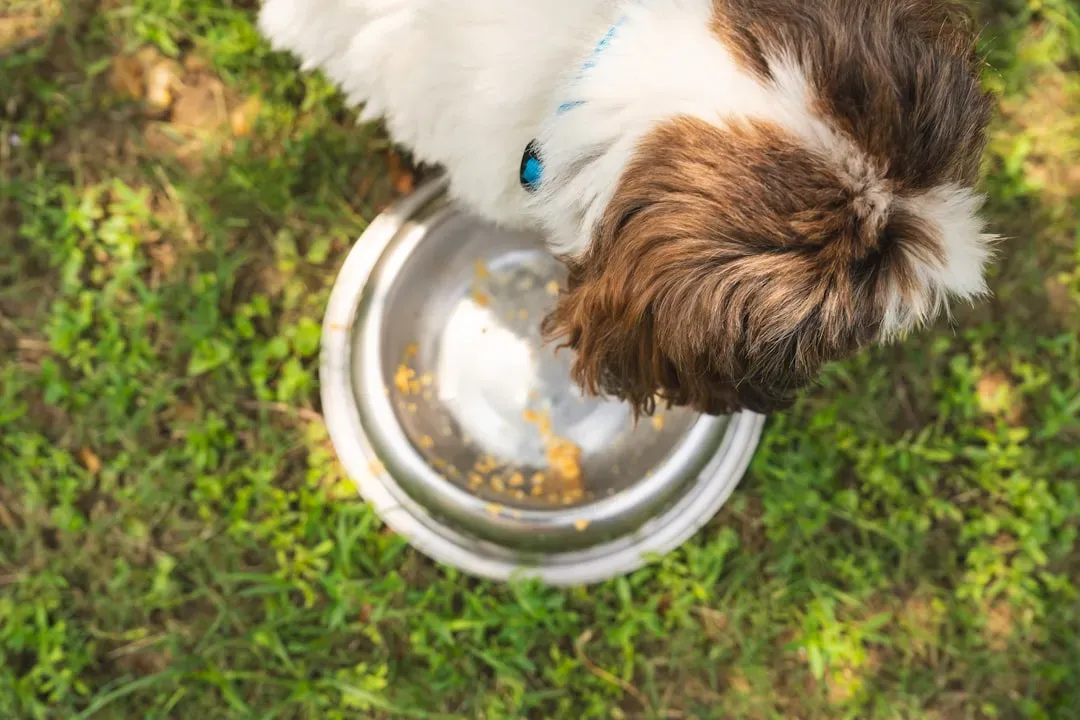
Dog owners should consider using elevated dog feeder bowls to reduce neck strain. For dogs with neck and back pain from arthritis or disc problems, elevating food and water bowls may help their comfort when eating or drinking while standing up. Something as simple as raising their bowls by a few inches can mean the difference between eating comfortably and skipping meals because bending down hurts.
Make sure your dog’s essentials like food, water, and bedding are easy to reach. Honestly, this seems obvious until you realize your dog now struggles with the two flights of stairs between their bed and water bowl. Consider multiple water bowls throughout the house to ensure your pet stays hydrated. Spreading resources across one level eliminates unnecessary trips that tax painful joints.
When Vision Dims and Minds Wander
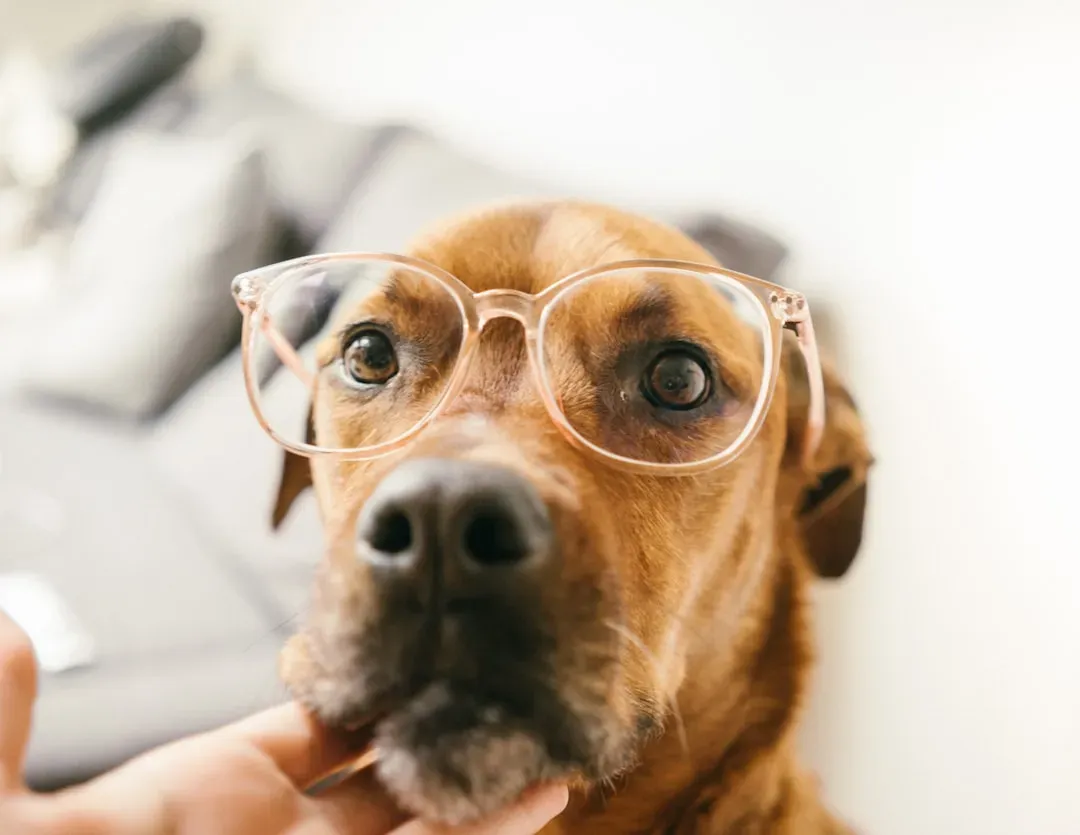
If your senior dog is experiencing vision loss, one of the best things to do is not change your setup, as your pet is probably familiar with the layout and changing it can possibly cause injuries in pups losing their sight. This runs counter to our urge to constantly rearrange and redecorate, yet it’s crucial for dogs navigating by memory rather than sight.
In one study, roughly about one quarter of owners with dogs aged eleven to twelve reported their dog exhibited at least one cognitive dysfunction sign, increasing to more than two thirds of owners with dogs aged fifteen to sixteen. Disorientation signs include getting lost in familiar areas, not recognizing familiar people, and going to the wrong side of the door. Dogs may get stuck behind furniture, run into walls, or seem cautious navigating the living room as they age and experience cognitive decline or impaired vision. Creating clear pathways with furniture pushed slightly away from walls gives confused dogs room to turn around and self-correct.
The Bathroom Situation Nobody Wants to Discuss
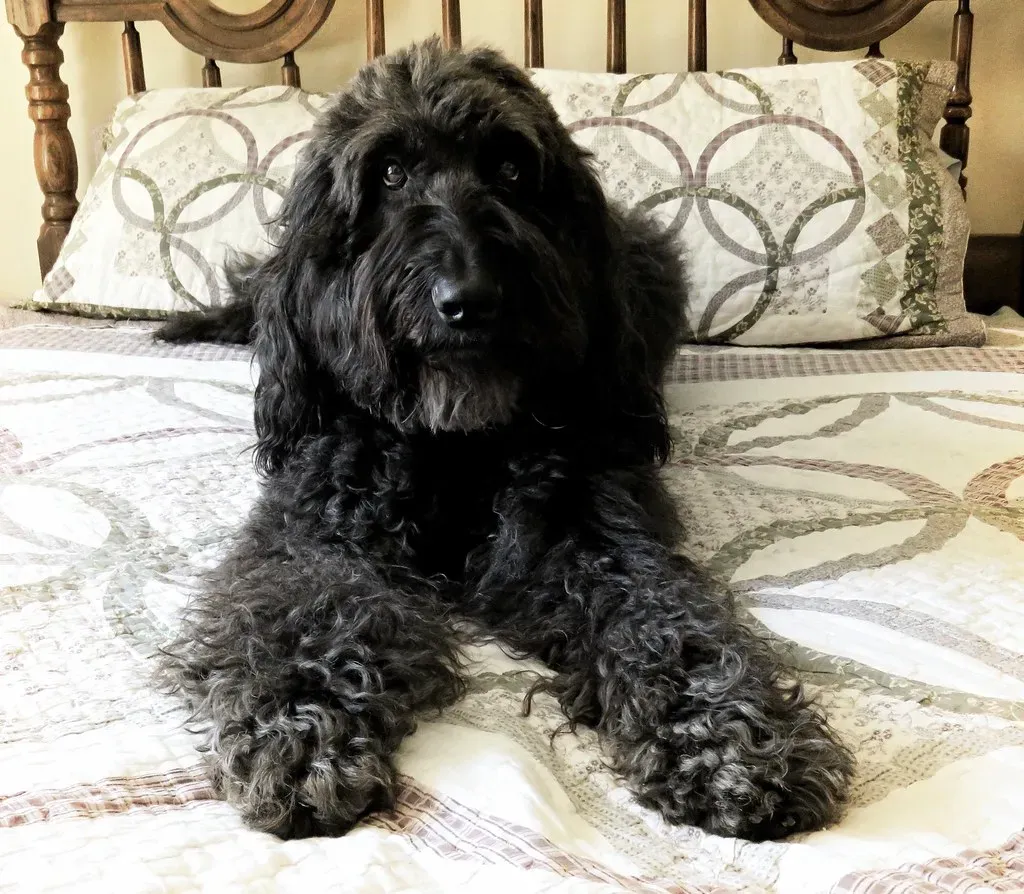
Accessibility to the area where your pet urinates and defecates should be considered. Let’s be real about this: accidents happen, and they’re mortifying for your dog who spent years being the perfect house guest. For dogs that need to eliminate more frequently, more frequent trips outside, putting in a dog door, indoor potty training, or doggy diapers may be useful or necessary.
A doggy door or dog flap can provide freedom for your canine to urinate outside as needed, and you’ll want to install the door in a low area to provide ease of access for mobility issues. Sometimes the kindest thing you can do is accept that your fifteen-year-old companion simply cannot hold it for eight hours anymore, and that’s nobody’s fault. Adapting your expectations and your home setup preserves their dignity during a vulnerable time.
Conclusion
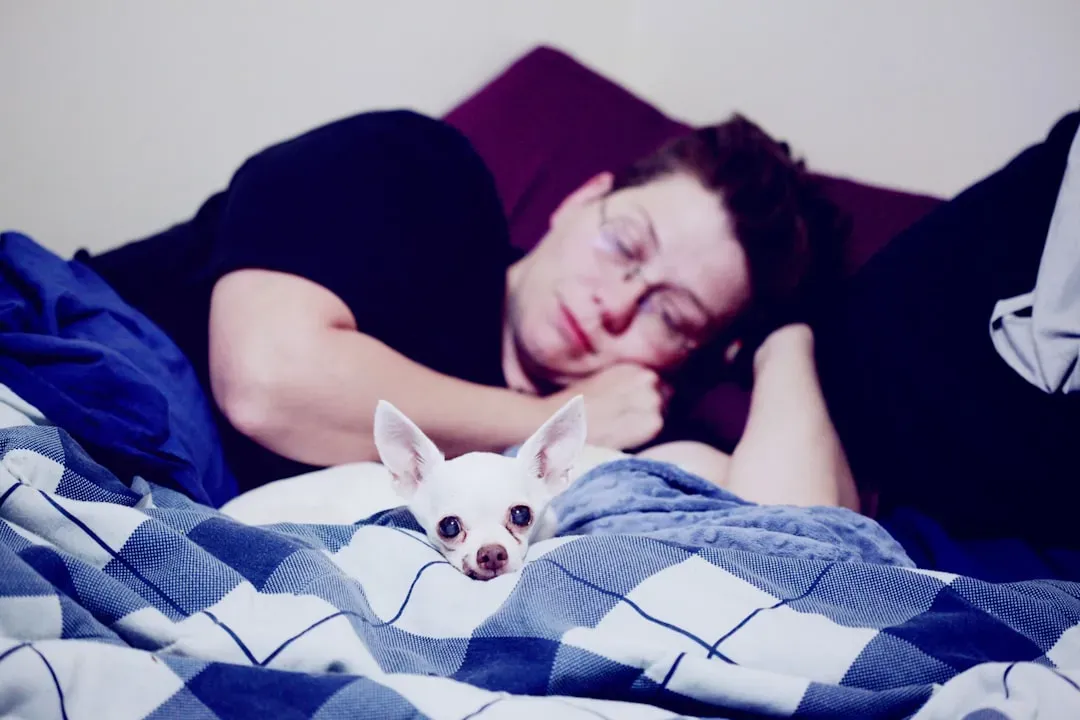
Watching our dogs age is bittersweet at best, heartbreaking at worst. These changes to your home won’t stop time or reverse arthritis, yet they do something equally important. They tell your dog that they still belong, that their comfort matters, that you see their struggles and you’re meeting them halfway. The beauty of these modifications is that most are surprisingly simple and inexpensive. A few rugs, a better bed, bowls moved to a more accessible location. Small shifts that create enormous ripples in daily quality of life.
Your senior dog gave you their best years without hesitation. Now it’s your turn. What adjustments could you make this week to help your aging companion navigate their world with a little more ease and a lot more comfort?


