
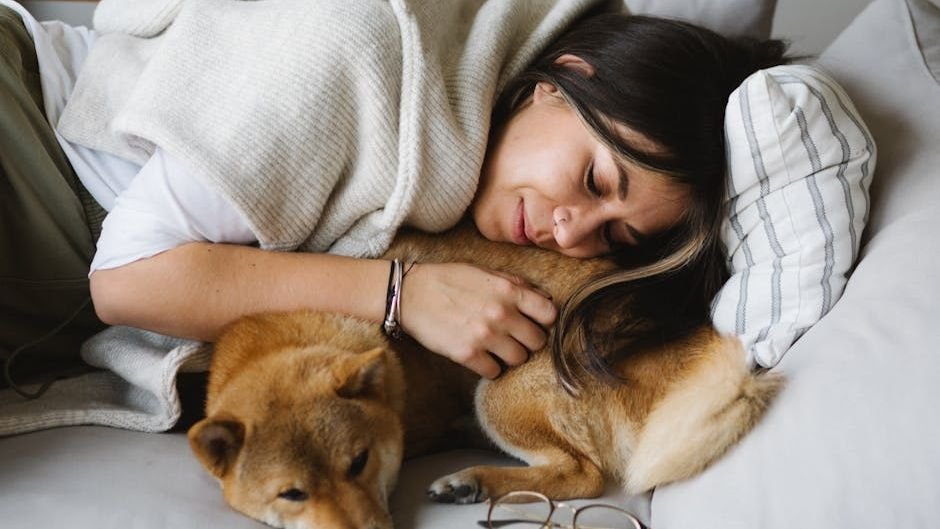
There’s a particular kind of stillness that settles over a room when your dog falls asleep. Paws twitch. Breath goes soft and irregular. A low whimper escapes, and then those legs start paddling as if chasing something just out of reach. Most of us smile and assume our dogs are dreaming. Turns out, we’re almost certainly right.
For a long time, the idea that dogs dream was treated more as charming speculation than science. That’s changed considerably. Research now points to something genuinely moving: your dog’s dream world is shaped by the people, places, and moments that matter most to them, and you’re probably in it.
The Science That Proves Dogs Really Do Dream
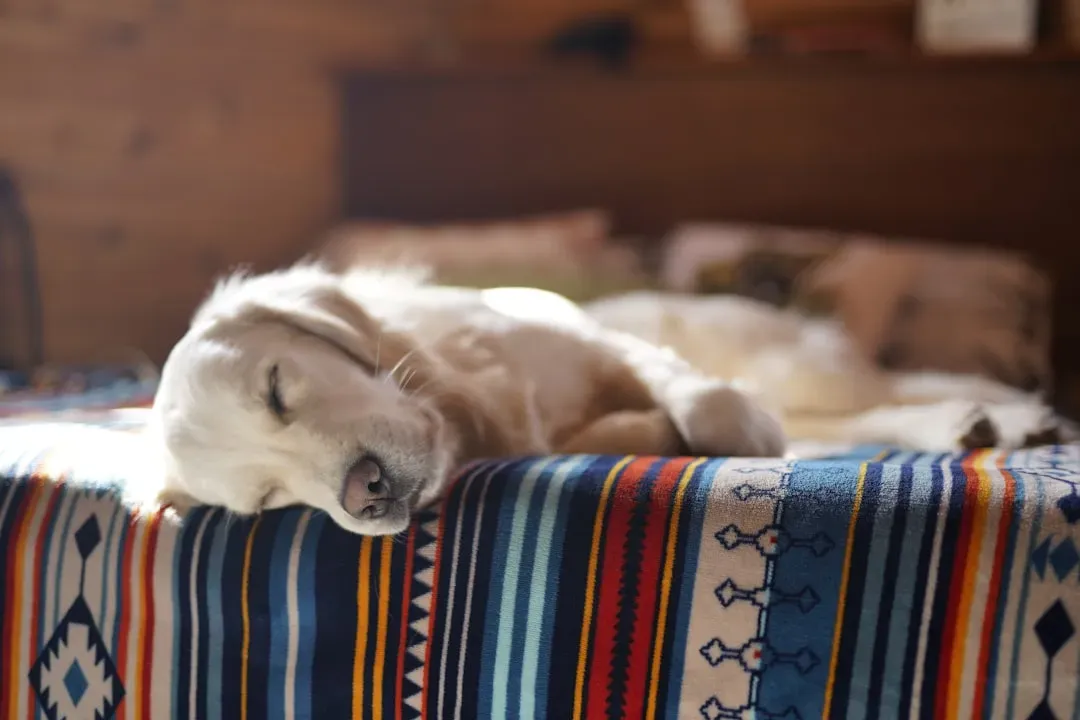
The clearest evidence for canine dreaming comes from the structure of the sleeping brain itself. There is a striking similarity between the structure of human brains and that of dogs, and both show similar cycles of electrical activity during sleep, leading researchers to speculate that dog dreams are much like ours in that they are processing events from the day’s activities. This isn’t a wild leap. It’s a logical conclusion drawn from hard neurological data.
One landmark study from MIT explored how animals dream by monitoring the brain activity of rats during both waking and sleeping hours. When rats ran through mazes during the day, their brain patterns matched up almost perfectly with patterns recorded during REM sleep, leading scientists to conclude that rats, and by extension dogs, likely dream about their daily activities.
Researchers at the Massachusetts Institute of Technology concluded that animals have complex dreams and can remember and replay long sequences of events when they’re asleep. That kind of cognitive activity in a snoozing dog is hard not to find remarkable. It means your dog isn’t just resting. Their brain is hard at work replaying the world they know.
What Your Dog Is Actually Dreaming About
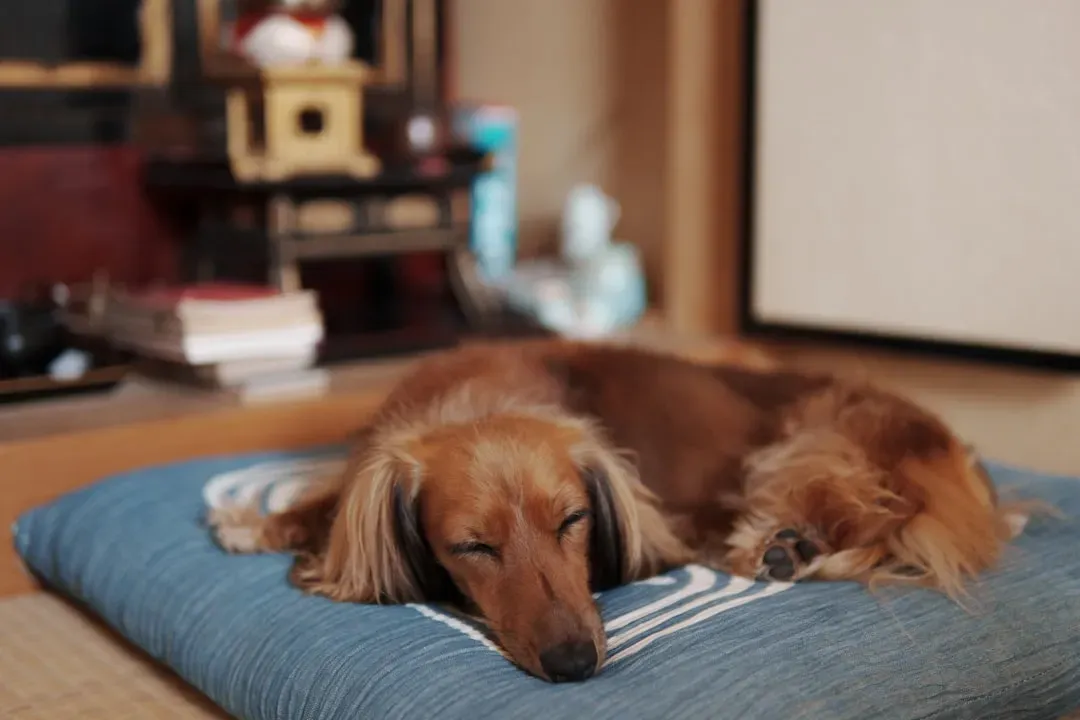
Researchers suggest the so-called continuity hypothesis for dreaming applies to dogs and cats, an idea supported by strong evidence in humans, which holds that dreams reflect daily experiences. In simple terms: your dog dreams about their life. What they did, who they saw, where they went.
Dogs most likely dream about what they see in real life. This can include a favorite walking route, a bird or squirrel they wanted to chase, or even a favorite human. Breed may play a role too. Dreams can also be influenced by your dog’s breed: Pointers may point birds, and Doberman Pinschers may chase imaginary intruders.
Humans rarely report scents when recounting dreams; however, we should expect dogs to dream in smells, given that olfaction is so central to their waking experience of the world. That’s a detail worth sitting with. Your dog’s dream isn’t a silent movie. It’s layered with scent, with texture, with the emotional memory of a specific afternoon in the park.
Yes, Your Dog Is Probably Dreaming About You
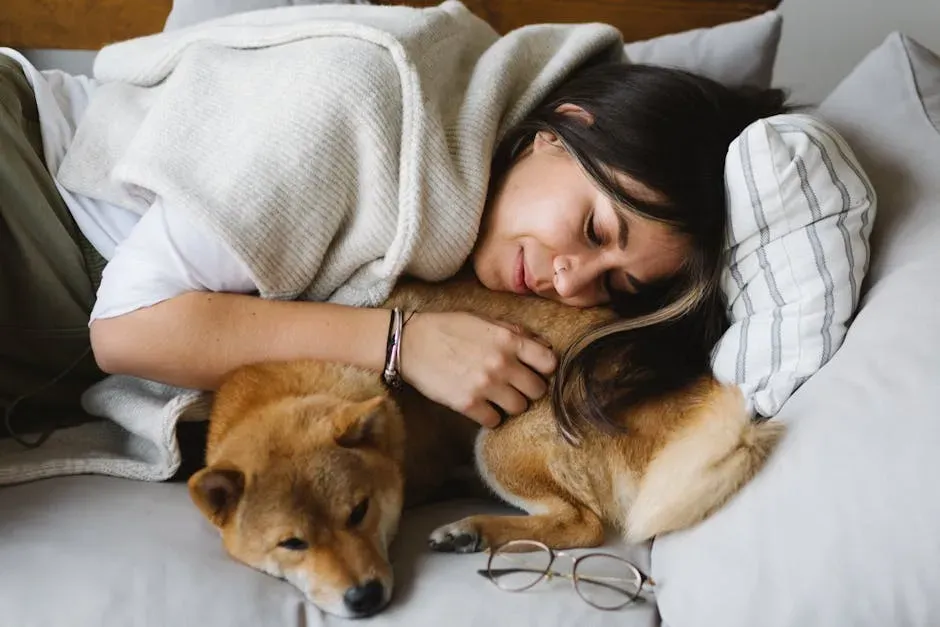
This is the part that tends to genuinely move people. There is no reason to think animals are any different from humans when it comes to dreaming about what interests them. Since dogs are generally extremely attached to their human owners, it’s likely your dog is dreaming of your face, your smell, and of pleasing or annoying you.
Your dog spends their day watching you, learning your routines, and soaking in your affection. When their brain replays the day during REM sleep, you’re likely right there beside them, whether it’s on a walk, during playtime, or snuggled up on the couch. That’s not poetic license. It’s the natural extension of how canine memory and emotion work.
Dreams are the brain’s way of organizing experiences, emotions, and learned behaviors. For dogs, that means replaying moments that mattered to them throughout the day. Meals, playtime, walks, and interactions with their favorite people are all prime candidates for dream content. Every good day you give your dog feeds directly into the quality of their inner world at night.
Reading the Signs: How to Know Your Dog Is Dreaming
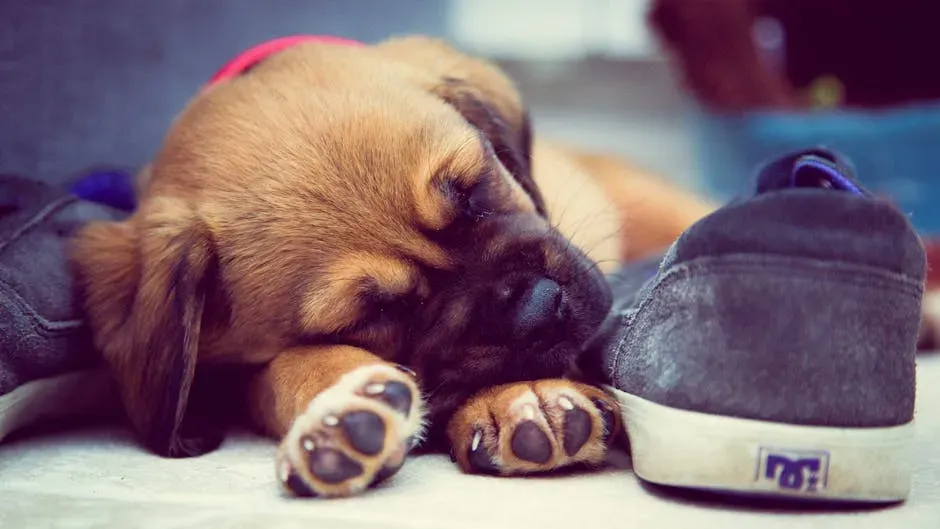
It’s not just paw twitching that can be an outward indicator that your dog is dreaming. It’s very common for dogs to react subconsciously to dream images by also wagging their tail, whining, snarling, lip curling, or even barking, often surprising themselves awake in the process. These are not signs of distress in most cases. They’re signs of an active, engaged mind.
REM sleep typically begins about 20 minutes into a nap and lasts for two to three minutes, during which time you might see moving eyelids or hear a muffled bark. If you’re watching your dog carefully, you’ll notice the transition as your dog’s breathing turns shallow and irregular. You might observe peculiar muscle twitches, and if you pay very close attention, you’ll even see the dog’s eyes moving behind closed eyelids.
Small dogs have more frequent dreams than large dogs, but those small dog dreams are shorter in duration. Large dogs, on the other hand, have fewer but longer dreams. So a Chihuahua might be dreaming almost constantly across many short cycles, while a Great Dane might take longer to build into a deep, extended dream sequence. Size really does shape the sleep experience.
When Dreams Turn Dark: Nightmares, Bad Dreams, and When to Worry
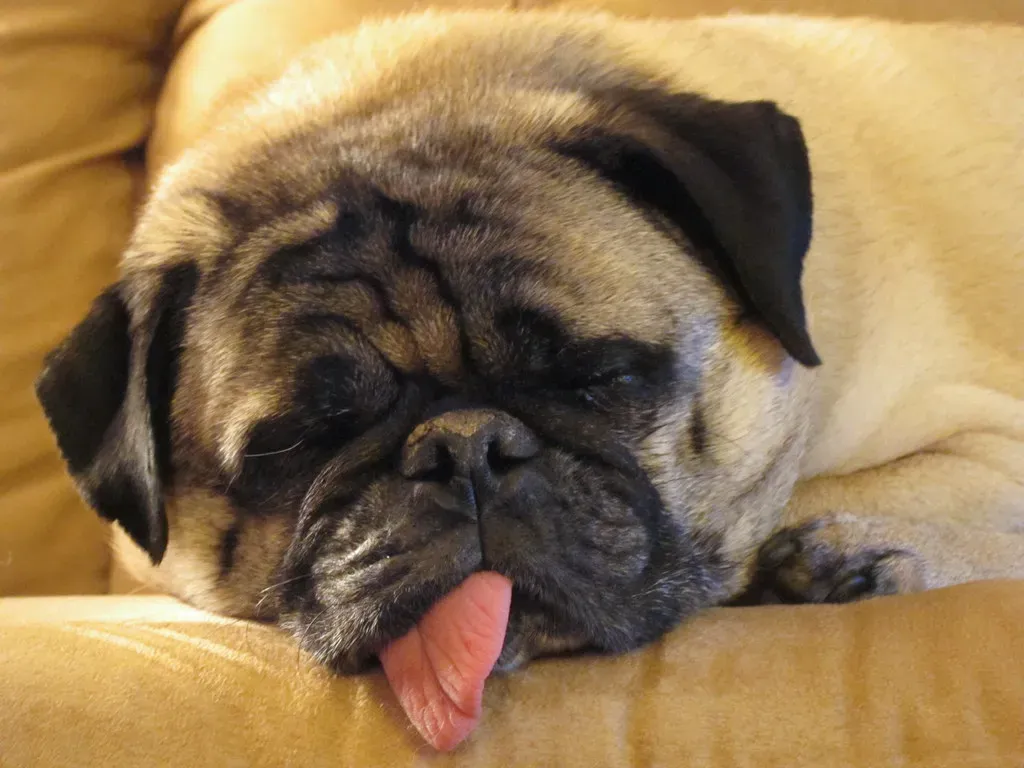
Because a dog’s dreams usually have something to do with what occurred during their waking hours, bad dreams are certainly possible. If your dog had an unpleasant encounter during their daily trip to the dog park, it seems likely they could have a bad dream related to it later. Negative emotions have a way of following us into our dreams, and the same is likely true for a dog’s fears and anxieties.
Rescue dogs tend to have more nightmares than those who have always been in a forever home. It also depends on your specific dog and their disposition. If they are especially nervous by nature, they may experience more anxiety in their sleeping hours. For dogs with a difficult past, consistent love and routine during the day genuinely helps. The best way to help dogs overcome these types of bad dreams is to show them love and attention during the day.
If your dog seems distressed during sleep, resist the urge to grab them. Behaviorists recommend waking a dreaming dog with your voice, not your hand. Start by saying their name in a hushed tone, then gradually speak louder if they don’t respond. If your dog frequently appears distressed during sleep or shows signs of sleep disturbances, it’s important to consult your veterinarian, as persistent nightmares may indicate underlying issues such as anxiety, pain, or medical conditions that can disrupt sleep patterns.
How Great Days Create Great Dreams: Practical Tips for Better Sleep
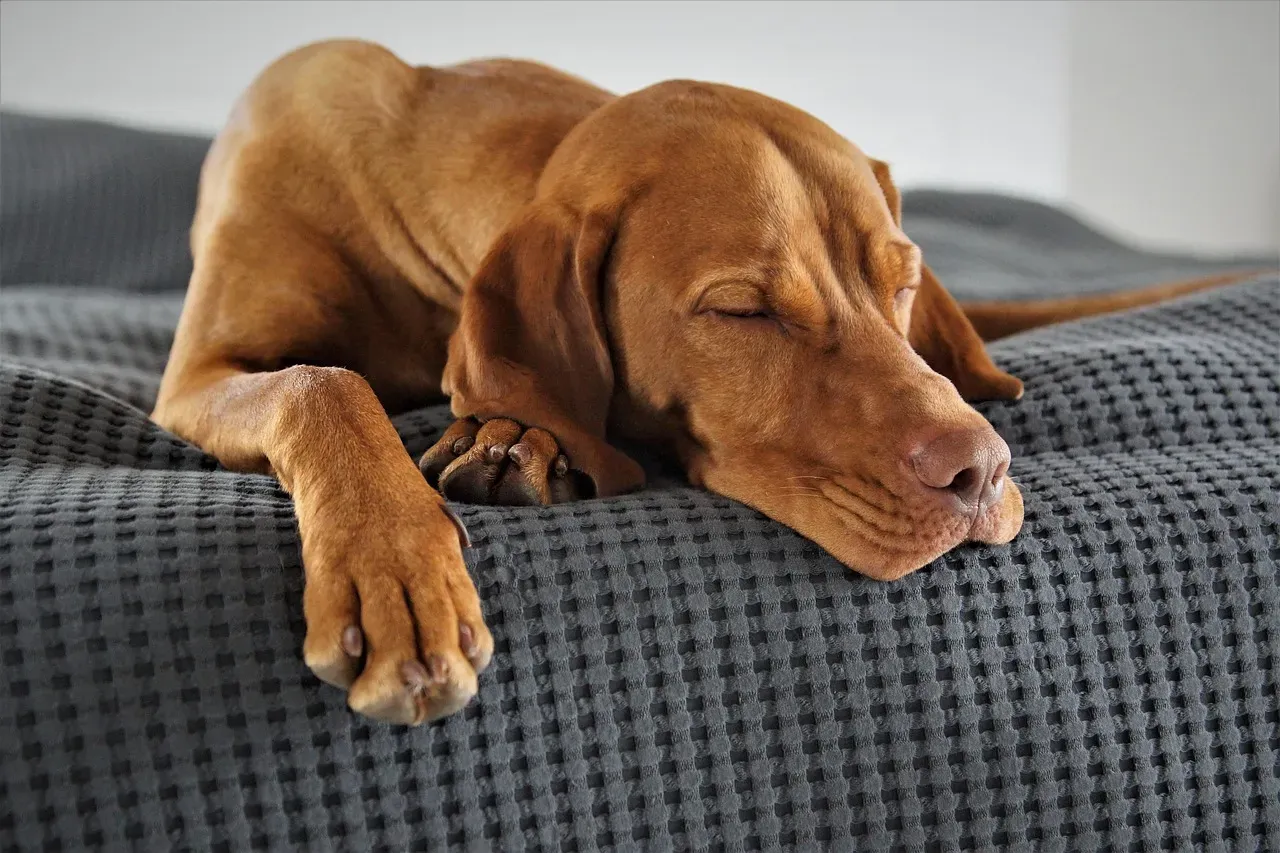
The impact of sleep deprivation doesn’t just stop at behavior. Chronic lack of sleep affects memory, weakens the immune system, and often leads to emotional instability, making dogs more vulnerable to fear-based reactions and even aggression. When dogs don’t get enough rest, their ability to retain training and recall commands is compromised. Sleep is foundational, not optional.
One of the main purposes of sleep is to consolidate memories. This has also been found true in dogs. Learning affects sleep structure, which ultimately decides whether information is retained. In studies, dogs allowed to sleep after learning a new command were more likely to retain the command at a later date than dogs allowed to walk or play. That nap after training isn’t laziness. It’s part of the learning process.
Physical exercise is essential, but mental stimulation is equally important in promoting deep, restful sleep. Activities that challenge your dog’s brain, like puzzle feeders, treat-dispensing toys, or short training sessions, help tire them out in a healthy way. Beyond that, establishing consistent times for feeding, play, and bedtime helps regulate their internal clock, making it easier for them to fall asleep and wake up rested. A predictable routine signals when it’s time to relax, which reduces anxiety and nighttime restlessness.
Conclusion
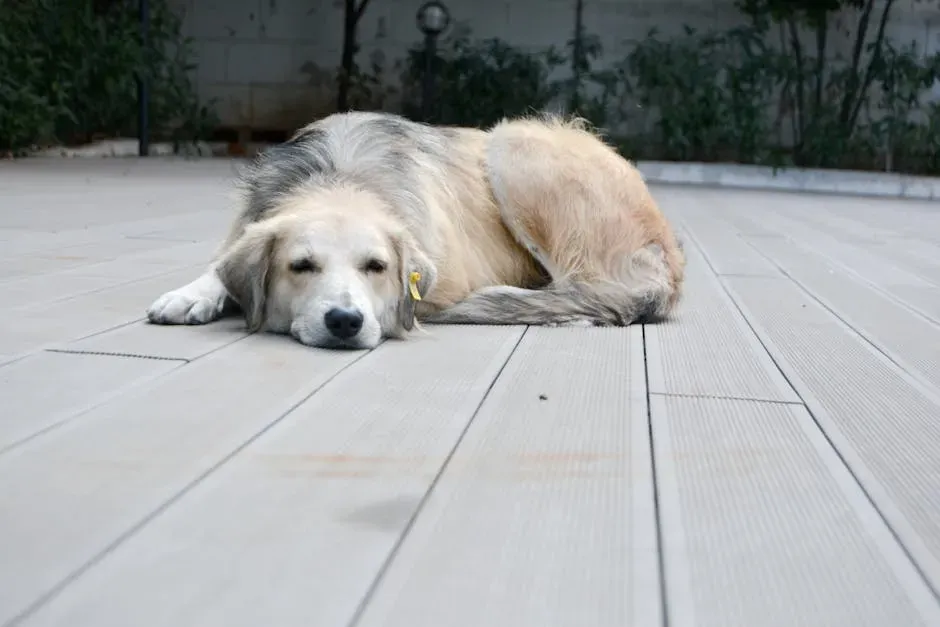
The next time you catch your dog twitching and whimpering in the middle of a deep nap, you can feel something more than curiosity. You can feel connection. Science has made it reasonably clear that your dog’s dream world is populated by the things and the people they love most, and that means you likely have a regular presence in it.
What this tells us, practically, is that the quality of your dog’s waking life shapes the texture of their inner life. The walks, the play, the calm evenings, the patient training sessions: all of it gets processed, stored, and in some form, replayed. Dreaming is a sign of emotional processing. When dogs dream about familiar people, places, and routines, it reflects how meaningful those experiences are.
So take good care of their days. The nights, it seems, take care of themselves.


