
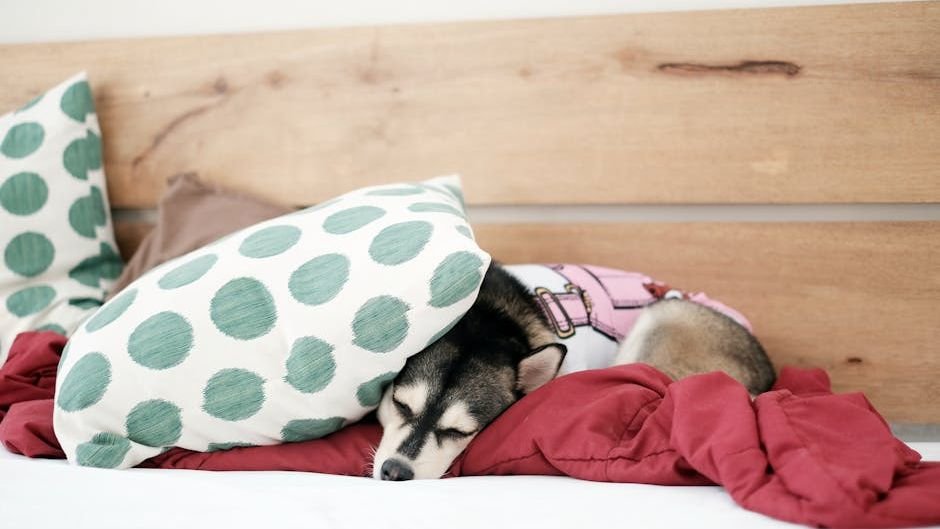
Picture this: your dog is curled up on their favorite spot, deep in sleep. Then suddenly, their paws start paddling, a soft whimper escapes, their nose twitches. You smile and wonder – what on earth is going on in that furry little head? It’s one of the most charming mysteries of sharing your life with a dog, and honestly, the answer is way more fascinating than you might expect.
Science has spent years quietly pulling back the curtain on what happens inside your dog’s sleeping brain. The results are equal parts surprising and deeply moving. So if you’ve ever found yourself watching your dog snooze and wondering whether they’re really dreaming of you, keep reading. You’re about to find out.
The Sleep Science Behind Your Snoozing Pup
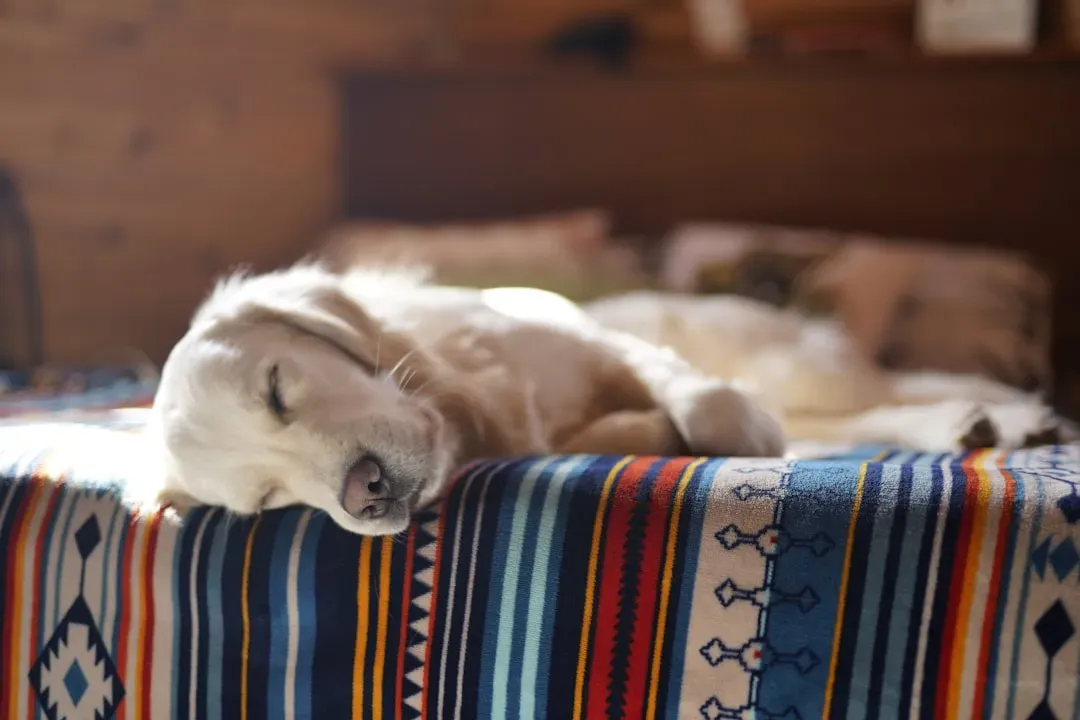
Most of us know that dogs sleep a lot. The National Sleep Foundation reports that dogs spend about half their day sleeping. That’s not laziness, though – it’s biology at work, and every single nap serves a real purpose.
Dogs follow a structured sleep cycle that mirrors that of humans but with shorter durations. Each cycle includes stages of light sleep, deep sleep, and REM sleep. Think of it like a nightly filing system – the brain sorting, storing, and making sense of the day.
When your dog first falls asleep, they experience slow wave sleep, when brain waves are slow and undulating. During this stage, mental processes are quiet, but muscles are still active, so the body is not totally relaxed. Your dog will appear to be resting calmly, but can easily be awakened.
Later, a deeper stage of sleep occurs, marked by rapid eye movements. This stage is called REM sleep, during which brain waves are faster and more irregular. Unlike slow wave sleep, muscles are more relaxed during REM, but the mind is more active and the eyes dart rapidly beneath the eyelids. This is where the real magic happens.
Yes, Your Dog Is Definitely Dreaming
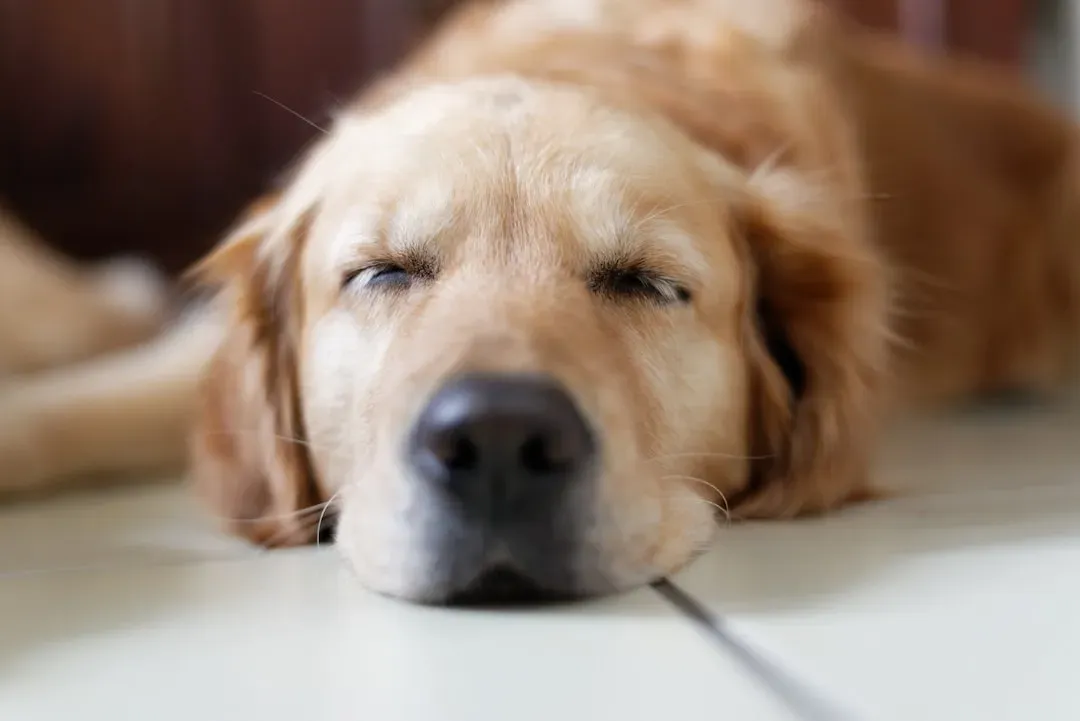
Let’s get right to it – do dogs actually dream? The answer is a resounding yes, and science backs it up beautifully. Because the pattern of electrical activity that occurs during REM sleep in people is also seen during REM sleep in dogs, it’s a pretty good bet that dogs have dreams during REM sleep, just like we do.
One landmark study from MIT in the early 2000s explored how animals dream by monitoring the brain activity of rats during both waking and sleeping hours. When rats ran through mazes during the day, their brain patterns matched up almost perfectly with patterns recorded during REM sleep. Scientists concluded that rats, and by extension, dogs, likely dream about their daily activities.
Researchers figured out that one of the ways to discover what dogs might dream about is to temporarily disable the pons during REM sleep. This allowed them, under carefully controlled conditions, to let the dogs act out their dreams. What they found was both adorable and deeply telling.
In one well-known study, scientists temporarily disabled a part of the brain that prevents movement during sleep. Dogs began physically acting out their dreams – running, sniffing and even chasing things in their sleep. This evidence strongly supports the idea that dogs dream in much the same way people do.
What Are They Actually Dreaming About?
Here’s the part every dog lover wants to know. I think it’s genuinely heartwarming, so brace yourself. Most experts believe that dogs dream about familiar experiences, people, and emotions from their daily lives. Their dreams may replay moments of excitement, play, or affection, like running through the park or greeting their favorite person at the door.
Because dogs are so bonded to their humans, it’s highly likely they dream about the people they love. That’s right – while you’re lying next to your dog at night, they could very well be dreaming of you. If that doesn’t make you feel something, honestly, I don’t know what will.
Researchers found that a dreaming Pointer may immediately start searching for game and may even go on point, a sleeping Springer Spaniel may flush an imaginary bird in his dreams. It seems breed instincts don’t take a night off, even in dreamland.
It is likely that dogs dream in a similar way to humans: reliving their daily experiences and enacting their usual activities. So that morning walk you took together? Your dog might be mentally running it all over again tonight, tail and all.
Dream Frequency: Size, Age, and How Often Dogs Dream
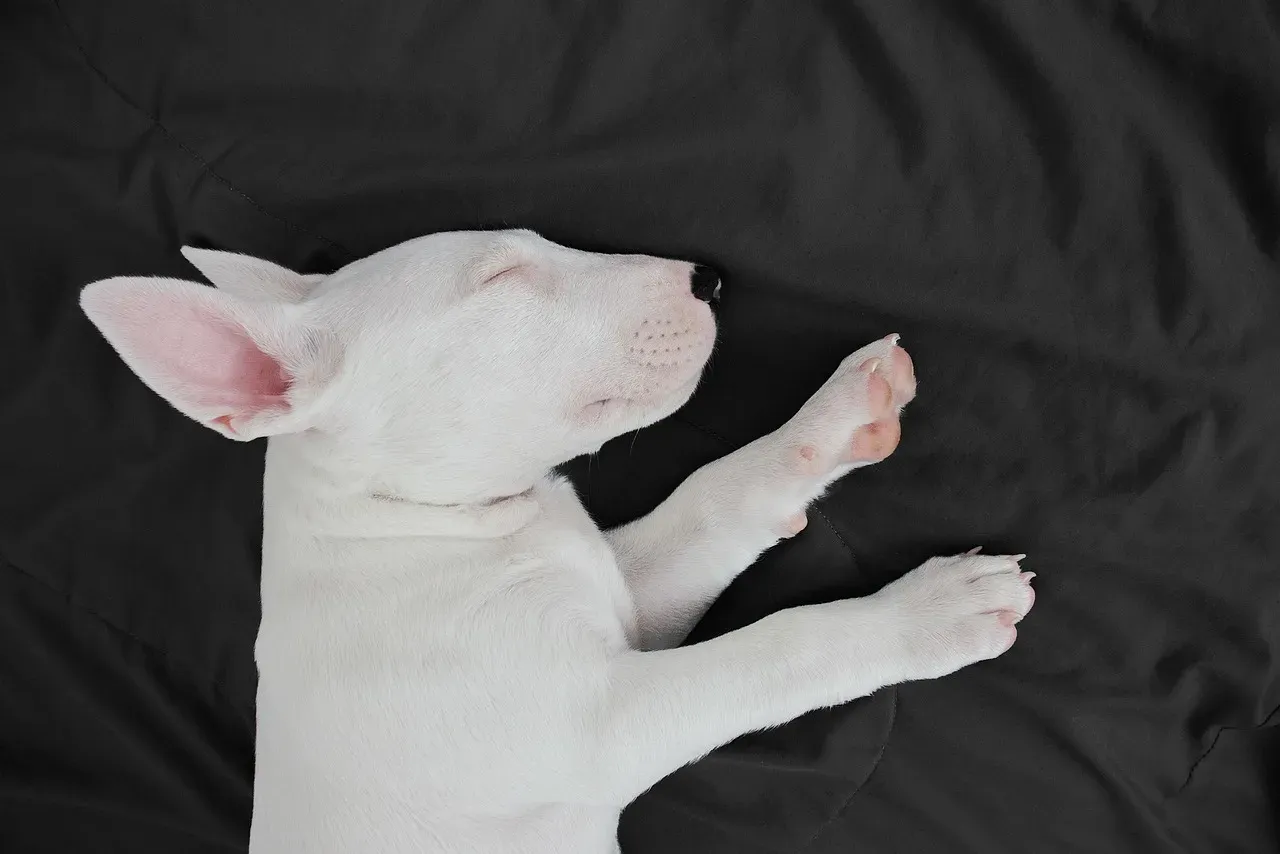
Not all dogs dream equally. The frequency and depth of dreaming varies quite a bit depending on a few key factors, and it’s genuinely fascinating. Research suggests that the length and frequency of dreams may be related to the animal’s size. A toy poodle may dream every 10 minutes, while a Labrador Retriever may only dream once every 60 to 90 minutes. However, the poodle’s dreams may last only a minute, while the Labrador’s dreams may be 5 to 10 minutes long.
Puppies and older dogs spend more time in REM, possibly because they’re processing new experiences or compensating for reduced sleep quality. If you have a puppy at home right now, their little sleep-twitches make a whole lot more sense. They’re essentially doing homework in their sleep.
Puppies spend more time in the REM phase than adult dogs. This is crucial for their development, as dreaming helps them process and retain new experiences learned throughout the day. Senior dogs also tend to dream more, mirroring that same pattern of deep processing.
It’s thought that puppies may even experience two or three distinct REM cycles per night compared to the one experienced by adult dogs. The frequency and length of dreams may also depend on how active the dog has been – if a dog has been highly active throughout the day, they may have longer dreams since they’ll enter deep sleep for longer. So a big adventure day means big dream night. Keep that in mind!
Nightmares, Twitches, and When to Worry
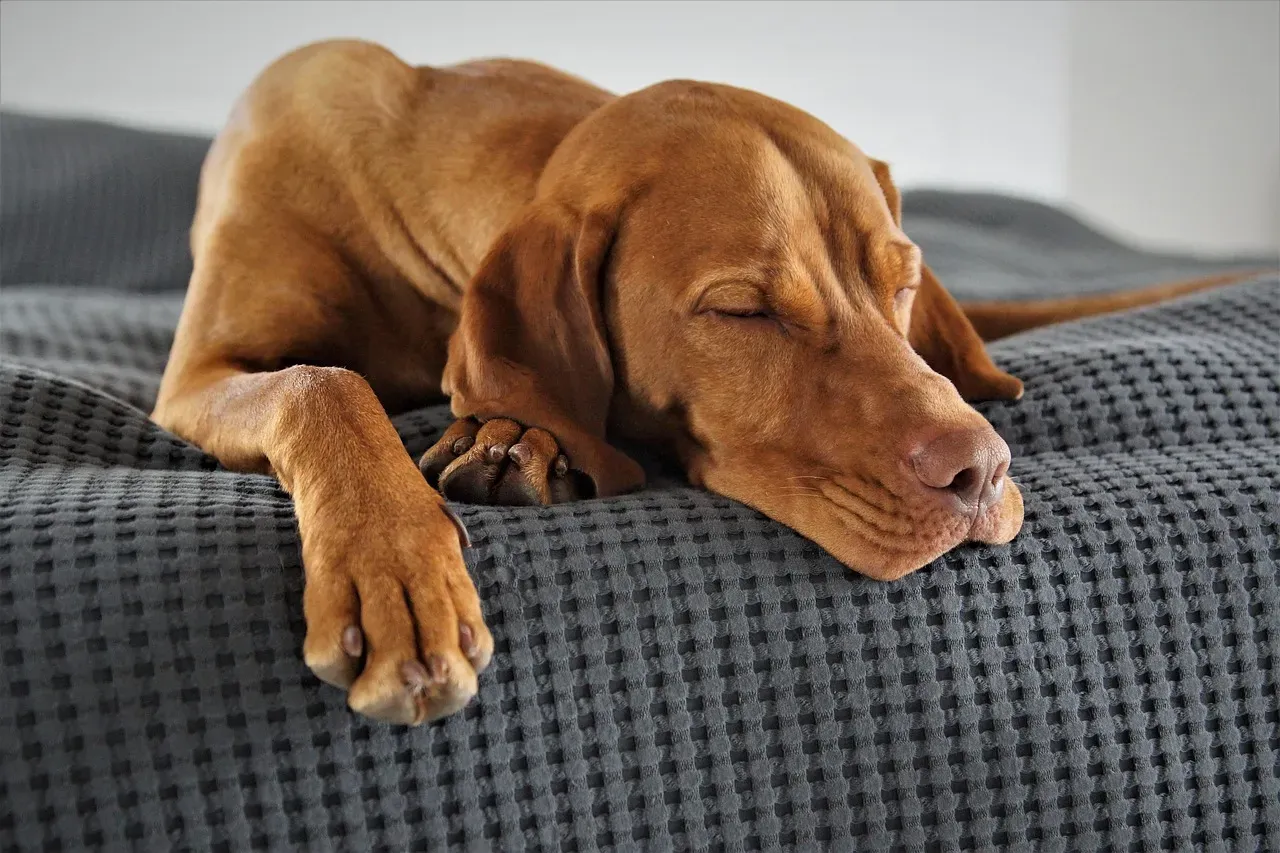
Let’s be real – not every dream is a happy one. Dogs can have nightmares just like humans do. Memories of trauma, such as in rescue dogs, or physical pain may trigger nightmares. If you’ve adopted a dog with a difficult past, this is worth keeping in mind and treating with gentleness.
If your dog is simply paddling their legs and making noises of excitement, they’re probably having a good dream, most likely about dinner! But if your dog is whining, crying or growling, then it’s possible they may be having a bad dream, in which they feel threatened or anxious. Your gut as a dog owner is usually right here.
If you are concerned about your pup having a nightmare, waking a sleeping dog is never a good idea. Not only does it interrupt their sleep cycle and disrupt restorative REM sleep, being startled awake may result in an accidental snap. It’s hard to watch, but the kindest thing you can do is wait.
Quality sleep contributes to a happier, more alert pet. If you ever notice significant changes in your dog’s sleep patterns such as restlessness, excessive fatigue, or nighttime distress, it’s always best to schedule an exam to rule out underlying issues. Your vet is always the right call when something feels off.
How to Support Your Dog’s Best Sleep Ever
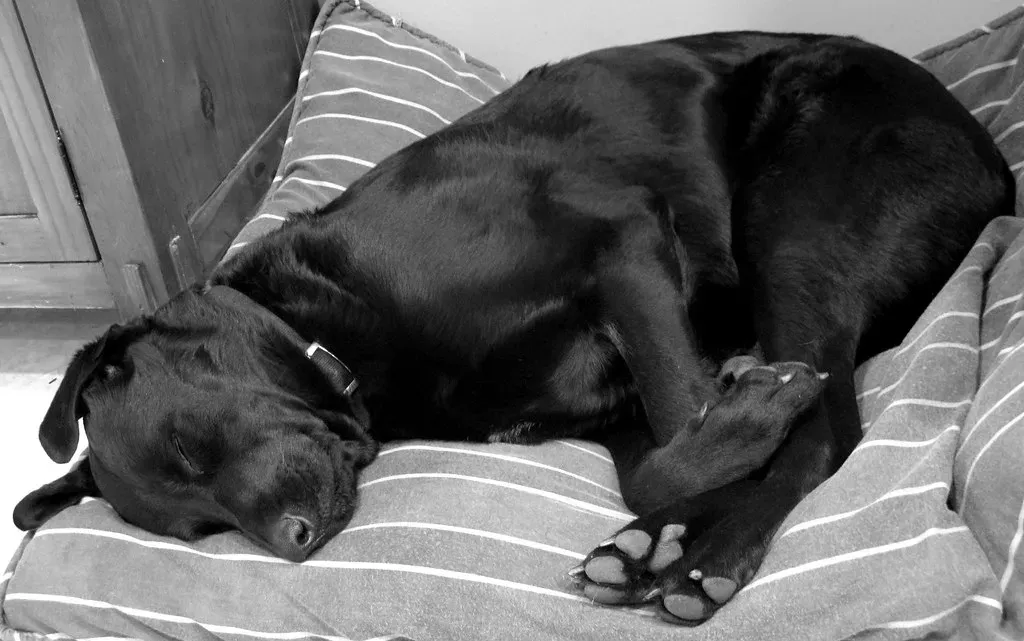
Now that you understand what’s happening while your dog sleeps, you can actually do something about making it better. It starts with how their days feel. Dogs who feel safe and emotionally balanced tend to sleep better. Providing affection, mental stimulation, and social interaction during the day can help reduce stress and support peaceful sleep at night.
Pre-sleep socio-emotional experiences with negative valence, such as separation from the owner or a threatening approach by a stranger, were followed by shorter REM sleep latency and increased REM sleep time compared to sleep following positive social interactions like petting and ball play. In plain English? A calm, loving evening routine before bed actually shapes how deeply and peacefully your dog sleeps.
Sleeping in a familiar environment is associated with shorter sleep latency and longer sleep duration as well as shorter time spent in drowsiness and longer time spent in REM. A consistent, cozy sleep spot matters more than you might think. It’s not spoiling them – it’s science.
There’s no question a dog who feels safe and comfortable at all times of the day will likely have a higher quality of life and a stronger bond with their pet parent. Well-rested dogs are also calmer, more relaxed, and more comfortable throughout the day. Sleep is not just rest – it is the foundation of their wellbeing.
A Final Thought From One Dog Lover to Another
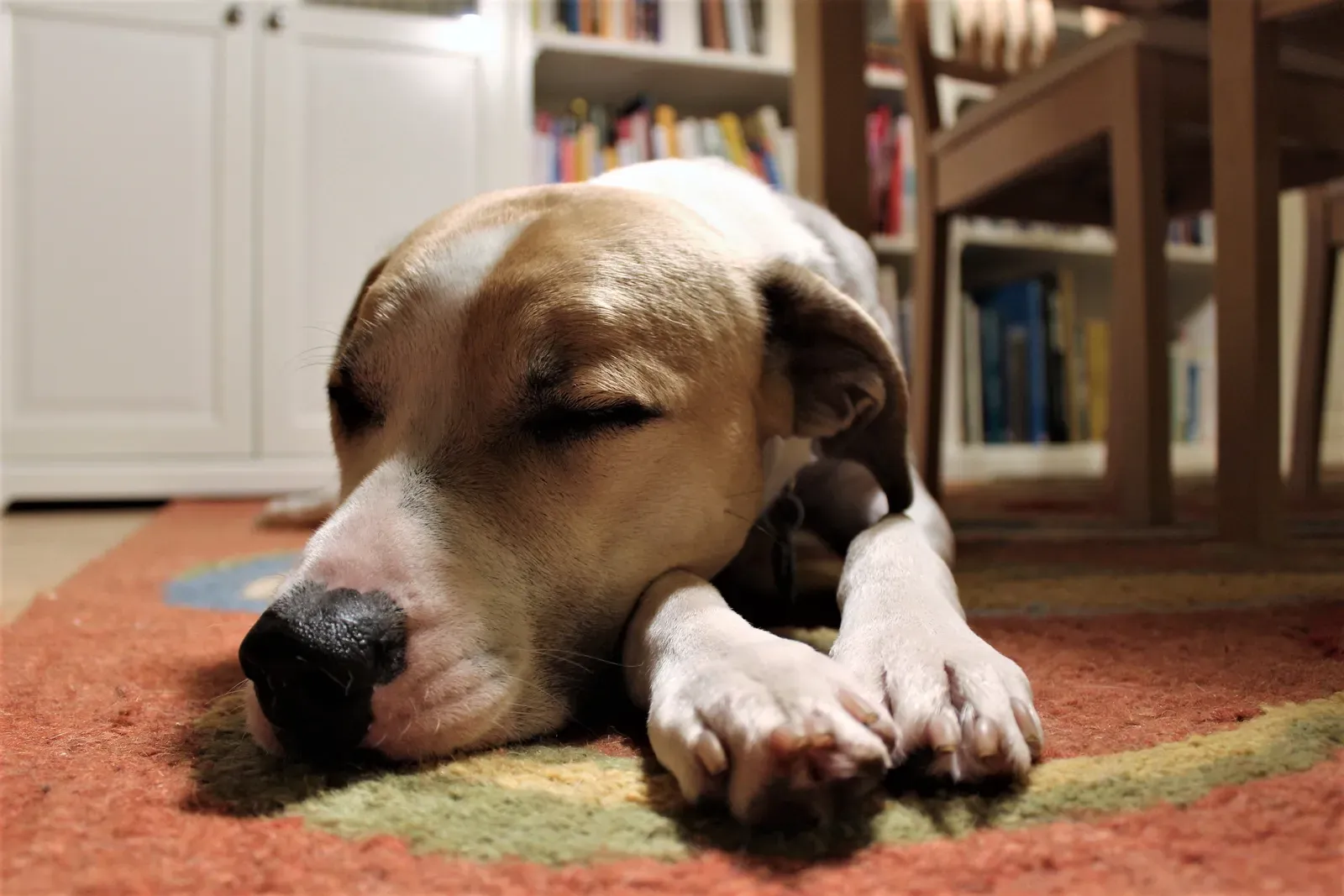
There’s something quietly profound about realizing your dog has an inner world that keeps going even when their eyes close. Dogs, like humans, use sleep to organize and store memories. Dreaming helps them process complex emotions and experiences, which may explain why dogs appear calmer and more responsive after a good night’s sleep.
Every twitch, every soft bark, every paddling paw is a tiny window into a life being lived fully – even in sleep. Your dog isn’t just napping. They’re running, playing, loving, and yes, probably dreaming about you. In their dreams, they may be reliving the wonderful moments spent with you – another reminder of the deep bond you share.
So the next time you watch your dog drift off, resist the urge to wake them. Let them run. Let them chase. Let them dream. Because a dog who dreams well is a dog who lives well – and that’s the most beautiful thing you can give them.
What does your dog do when they dream? Drop a comment below – we’d love to hear about your pup’s little nighttime adventures.


