

You’ve probably said it before. “My dog is just high energy.” It’s the go-to explanation when your pup is bouncing off the walls, chewing the couch leg, or refusing to settle down after a two-hour walk. Honest question though – what if the label is wrong? What if “high energy” is covering up something much more interesting, and sometimes more urgent, going on beneath the surface?
Here’s the thing. Most of us think we understand our dogs’ energy. We watch them zoom around the yard and assume they just need more running. We compare them to a friend’s lazy Basset Hound and figure, well, we got the active one. But energy in dogs is so much more layered than that. It’s part breed, part age, part emotion, part brain chemistry. Getting it right can genuinely change both your life and your dog’s. Let’s dive in.
High Energy or High Anxiety? The Difference Matters More Than You Think

Picture this: your dog has been on two long walks today, had a solid game of fetch, and yet the moment you sit down, they’re nudging you, pacing, or whining softly. You think, “this dog is never tired.” But what if they’re not energetic – what if they’re anxious?
Some dogs are truly high energy individuals who require a greater-than-average amount of physical activity to feel fulfilled. Many others present as high energy but, on closer inspection, their perpetually restless behavior is actually indicative of underlying anxiety or hyper-arousal issues. That is a massive distinction, and it changes everything about how you respond.
Many dogs appear high energy, but closer observation reveals hyper-arousal or anxiety. The go-to solution for high energy dogs – lots of high-intensity exercise – may actually be counterproductive for dogs who are anxious or dealing with hyper-arousal issues. Think of it like giving an already jittery person five cups of coffee. More stimulation can literally make things worse.
Signs to watch for include a dog who is almost always looking for something to do when awake, takes treats with a very hard mouth, regularly gets overstimulated and jumps or mouths at people, and shows stress panting, furrowed brows, wide eyes with dilated pupils, pinned back ears, or pacing. Sound familiar? If it does, your dog may need calm and comfort, not another sprint around the park.
Breed Background: The Energy Blueprint Baked Into Your Dog’s DNA
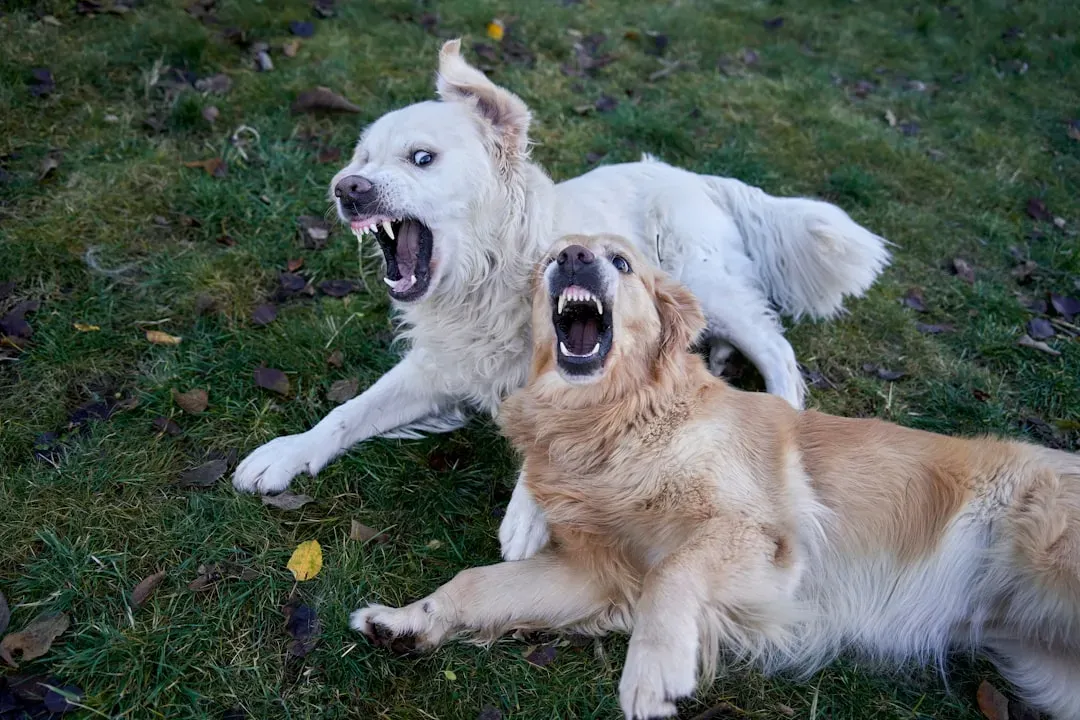
I think one of the most underestimated things new dog owners face is the sheer power of breed history. Your dog does not know it’s 2026. Their instincts are ancient, and those instincts drive energy in very specific ways.
Many dog breeds were originally developed for specific purposes such as herding, guarding, hunting, or companionship, and those roles continue to shape their behavior today. Border Collies, once bred for herding livestock, are known for their sharp focus and endless energy. Meanwhile, Basset Hounds, created for scent tracking, may appear calm and easygoing but still have an extraordinary sense of smell. Every breed carries its own distinct energy signature.
Breeds such as Border Collies and Belgian Malinois are known for their intense energy, rooted in their history as diligent working dogs. These breeds often require substantial physical and mental stimulation to remain content. On the flip side, a Shih Tzu or a Pug is genetically wired to do far less, and forcing extreme exercise on them can actually cause harm.
Understanding a dog’s energy level involves considering their breed history, individual temperament, and age. Working and herding breeds often exhibit higher energy levels due to their historical roles requiring physical and mental engagement. However, within each breed there can be variation, with some individuals being more laid-back or more spirited than the breed average. Your dog is the final editor of their own story, even within their breed.
The Brain Needs a Workout Too: Why Physical Exercise Alone Isn’t Enough

Let’s be real. Most dog owners measure care in steps and miles. How long was the walk? How many times did we play fetch? Those things matter, absolutely. However, a dog who is physically exhausted but mentally bored is still an unhappy dog. Think of it like giving a brilliant child nothing to read or learn. Their body may be tired, but their mind is on fire.
Mental workouts can be as tiring as physical ones, helping to burn off excess energy in a healthy way. Boredom often leads to unwanted behaviors like barking, chewing, digging, or hyperactivity. Enrichment activities channel natural instincts – such as sniffing, chasing, and foraging – into productive outlets, preventing frustration-based misbehavior.
Sniffing has been shown to not only decrease a dog’s heart rate and reduce stress, but it also releases dopamine, the “happy” brain chemical. These sniff-focused walks are less about the distance or time and more about quality, allowing dogs to take their time and explore. A slow, sniff-heavy 20-minute walk can sometimes do more for a restless dog than a 90-minute jog. That genuinely surprises most people.
Ten to fifteen minutes of focused training can mentally exhaust a dog more than an hour of mindless physical activity. So next time your dog seems wired after a long run, try swapping one session for a puzzle feeder, a scent game, or a short training session. The results might genuinely shock you.
When Your Dog Suddenly Has No Energy: Health Signs You Should Not Ignore

We spend so much time worrying about dogs who have too much energy that we sometimes overlook the equally important warning on the other side. A dog who has gone from bouncy to blank, from enthusiastic to exhausted, is telling you something important. Honestly, this side of the energy conversation doesn’t get nearly enough attention.
When your dog starts to lag behind on walks or doesn’t greet you with their usual enthusiasm, it’s natural to feel concerned. Sudden low energy in dogs can be an alarming symptom, indicative of various underlying issues ranging from minor to serious. It’s crucial to recognize this change in behavior and understand what it could mean for your pet’s health.
Signs can manifest as your dog sleeping more than usual or lacking enthusiasm for activities they once enjoyed. You may observe that your dog is less responsive to commands or shows little interest in interacting with other dogs or family members. They might also exhibit a decreased appetite, which can contribute to a loss of energy. These are not things to wait out. These are reasons to call your vet.
Given the range of potential reasons for a sudden change in energy levels, it’s important to seek guidance from a veterinarian to accurately diagnose the underlying cause. A veterinary professional can conduct a thorough examination, review the dog’s medical history and lifestyle, and recommend appropriate diagnostic tests. Trust your gut. You know your dog better than anyone.
Practical Ways to Match Your Dog’s Real Needs Every Single Day

Here’s where things get genuinely exciting, because once you understand your dog’s actual energy type, meeting their needs becomes so much more satisfying. It stops being a chore and starts becoming a real conversation between you and your dog. I know it sounds a little dramatic, but it’s true.
Physical exercise is essential for high-energy dogs, but mental stimulation is just as important. Puzzle toys, obedience training, and games like hide-and-seek can work wonders for keeping dogs engaged. For lower-energy or anxious dogs, slow scent walks, licking mats, and calm foraging games work incredibly well to satisfy their brain without ramping up stress.
A consistent routine that includes plenty of physical and mental activities is vital for your high-energy pet. A lack of routine can lead to destructive behaviors such as chewing up furniture as an outlet for pent-up energy. Routine, more than anything, gives dogs a sense of safety. When they know what to expect, their nervous system can finally relax.
Senior dogs still need mental enrichment to prevent cognitive decline, but their physical needs may change. Low-impact enrichment activities like gentle puzzle games or scent work are perfect for keeping senior dogs engaged without over-exerting them. Age reshapes energy requirements dramatically, and adapting your approach as your dog grows older is one of the kindest things you can do for them.
Conclusion: Your Dog Is Talking – Are You Listening?

The real takeaway here is beautifully simple. Energy is not just about legs and lungs. It lives in your dog’s history, their emotions, their health, their brain, and their daily sense of purpose. When you stop labeling your dog as simply “high” or “low” energy and start actually observing what they need, something shifts. You stop fighting them. You start partnering with them.
Your dog isn’t trying to exhaust you. They’re trying to communicate. The chewing, the pacing, the sudden lethargy – it’s all a language. Learning that language is the greatest gift you can give to the creature who loves you with their whole heart, every single day.
So here’s a question worth sitting with: has your dog been telling you something you haven’t quite heard yet? What would change if you really listened? Share your thoughts in the comments – we’d love to hear your story.


