
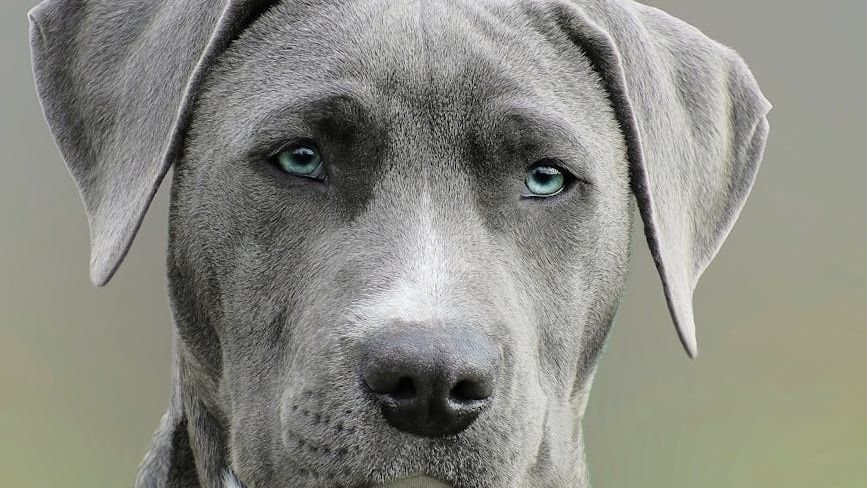
There is something quietly extraordinary that happens in the moments between you and your dog. No words. No grand gestures. Just two pairs of eyes meeting across a room, and suddenly something warm and wordless passes between you. Sound familiar? Of course it does.
Most of us chalk it up to the magic of loving a dog. Here’s the thing though – it turns out science has been quietly working to explain exactly what that magic is made of. The results are nothing short of stunning. What lives behind those soft, soulful eyes is a whole story: love, trust, health clues, and a bond shaped by thousands of years of shared history. Stick around, because this is one of the most beautiful things you’ll learn about your dog today.
The Science Behind “The Look”: Why Your Dog’s Gaze Is Literally Making You Fall in Love
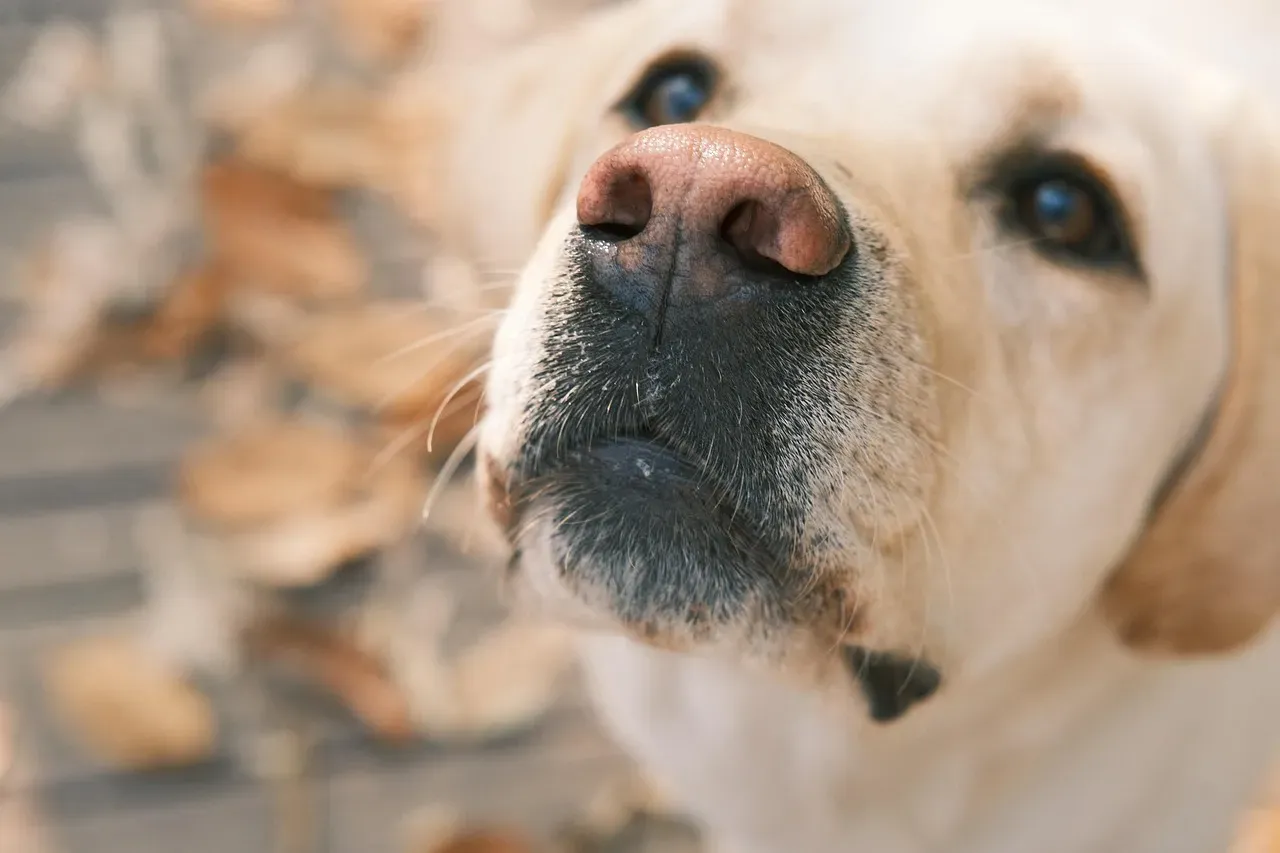
Let’s be real – you’ve wondered more than once whether your dog actually loves you or is simply very good at looking adorable. Honestly, the answer might surprise you. When your dog locks eyes with you, something chemical and deeply biological is happening in both of you at the same time.
Research has shown that gazing behavior from dogs (but not wolves) increased oxytocin concentrations in owners, which consequently facilitated owners’ affiliation and increased oxytocin concentration in dogs as well. Think of oxytocin as the body’s built-in warmth switch – the same one that makes a mother feel fiercely bonded to her newborn baby.
In studies where dogs and their owners spent the greatest amount of time looking into each other’s eyes, both dogs experienced a dramatic rise in oxytocin levels, and owners showed an even larger spike. That cozy, melted feeling you get when your dog gazes at you? That is not imagination. That is chemistry. Real, measurable, extraordinary chemistry.
These findings support the existence of an interspecies oxytocin-mediated positive loop facilitated by gazing, which may have supported the coevolution of human-dog bonding by engaging common modes of communicating social attachment. In other words, your dog’s eyes evolved, over millennia, to connect with yours. Wrap your head around that.
Reading the Room: What Your Dog’s Eyes Are Actually Telling You Right Now
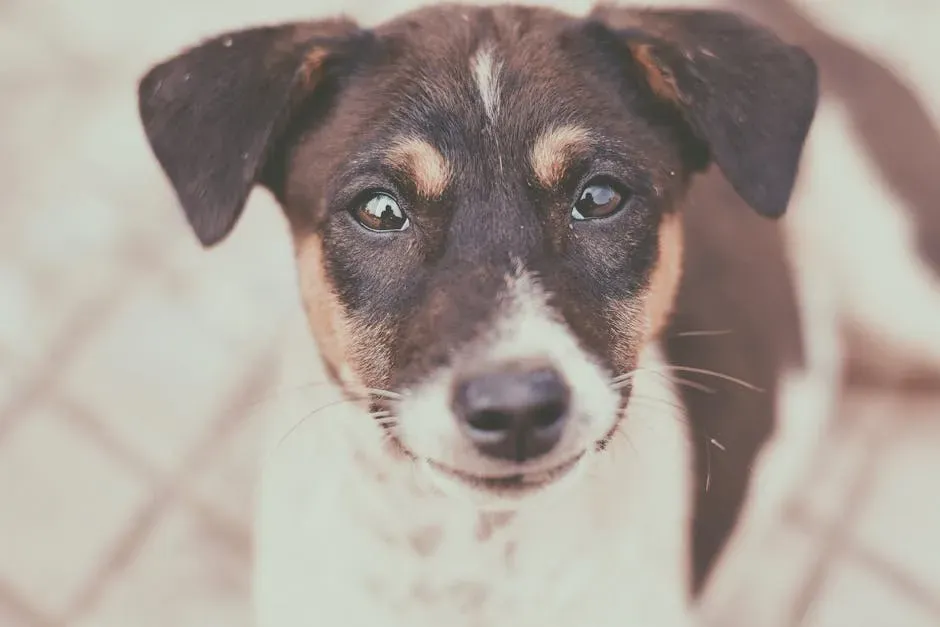
Here is something I find endlessly fascinating: your dog is always communicating, even in silence. Their eyes are one of the richest sources of information you have access to as an owner, and learning to read them changes everything.
A contented dog will look at you with soft, relaxed eyes that are gentle and in soft-focus rather than staring directly at you. If a dog glares straight at you, the chances are they are feeling tense or threatened, particularly if their eyes are hard, focused, and unblinking. Think of the difference between how a person looks when they’re at ease versus on edge. It’s a similar principle with dogs.
When a dog is feeling tense, their eyes may appear rounder than normal, or they may show a lot of white around the outside (sometimes known as “whale eye”). Dilated pupils can also be a sign of fear or arousal, making the eyes look “glassy,” indicating the dog feels threatened, stressed, or frightened. A relaxed dog will often squint so their eyes become almond-shaped with no white showing at all.
When shown pictures of people with typically happy and angry expressions on their faces, dogs are able to distinguish between the positive and negative emotions they expressed. Usually this only happens between members of the same species, so it’s unique to see such understanding across different species. Your dog is reading your face, and you can absolutely read theirs. It works both ways.
The Whale Eye and the Stress Signal: When Your Dog’s Eyes Are Asking for Help
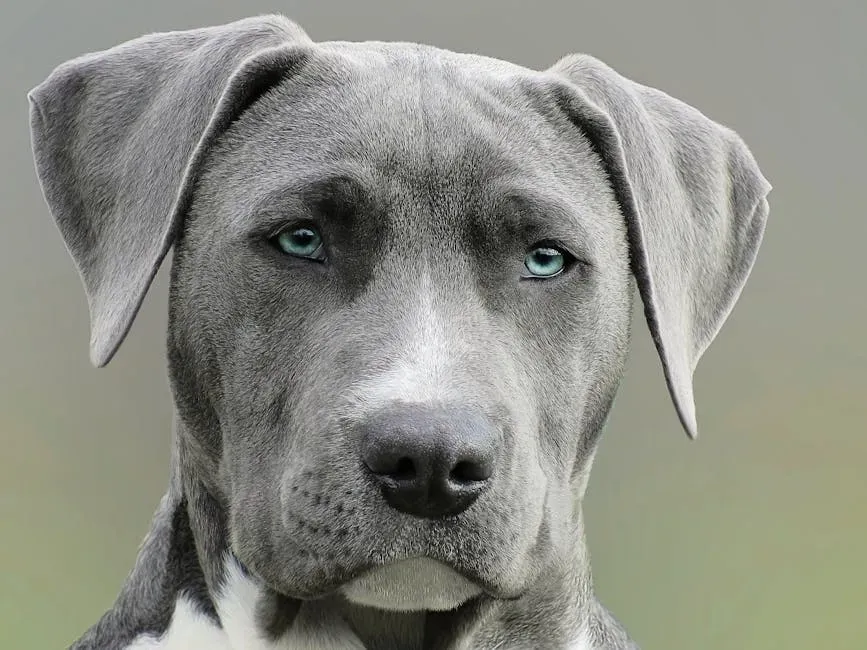
Not all eye contact from your dog is a love letter. Sometimes it is a cry for help, and knowing the difference could make a huge difference in your dog’s daily wellbeing. One of the most important signals to know is the “whale eye.”
The term “whale eye” refers to when you can see the sclera (the whites of your dog’s eyes), often in a crescent shape at either the inner or outer corner of the eyes. Because of the visible crescent shape, “half-moon eyes” is another term for this specific look. It is the canine equivalent of someone side-eyeing you with barely concealed anxiety.
Examples of whale eye causes include getting yelled at, a stranger getting too close to them, a new pet getting close to their bed or food, thunderstorms, and more. Removing a dog from a stressful environment or removing the stressor is the best way to address the anxiety causing whale eyes. So next time your dog gives you that look, don’t dismiss it. Move them, comfort them, or change the environment.
Closely watching the dog’s tail movement and eye position can be the easiest way to know your dog is becoming too excited or stressed and needs to be removed from the situation. Dogs don’t get to use words. Their eyes, combined with their body, are their sentence. Learn to finish it.
Your Dog’s Eyes as a Health Dashboard: Warning Signs You Should Never Ignore
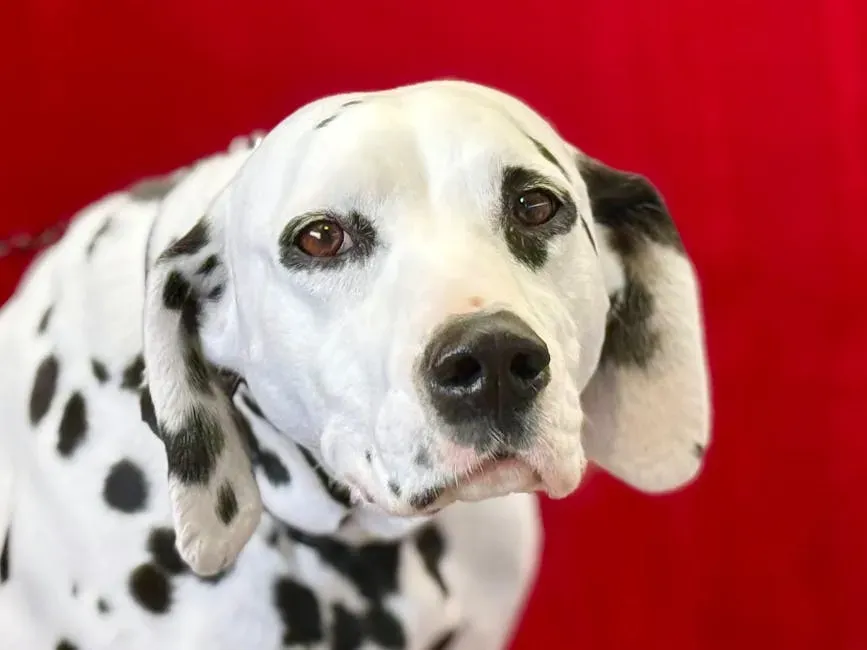
Here is something many dog owners don’t realize: the eyes are one of the earliest places that health problems show up. The eyes are like a little dashboard, quietly flashing signals that something needs attention. Paying close attention is one of the kindest things you can do for your dog.
Symptoms like eye discharge, redness, cloudiness, squinting, or a visible third eyelid can signal a serious eye issue that needs immediate attention. It’s hard to say for sure from home whether it’s something minor or an emergency, which is exactly why getting it checked early matters so much.
Dogs with increased eye pressure may have a cloudy eye with redness, excessive tearing, and a dilated pupil. This condition can cause permanent blindness within hours if not treated. That is not meant to alarm you unduly, but it is a reminder that speed matters when it comes to eye symptoms in dogs.
Pet owners should regularly check their pets’ eyes for any signs of abnormality, including redness or inflammation, discharge, cloudiness or change in eye color, frequent blinking, squinting, or pawing at the eyes, and poor vision. Build this into your weekly routine. It takes thirty seconds and it could genuinely save your dog’s sight.
How to Nurture the Bond Through Your Dog’s Eyes: Daily Practices That Deepen Love
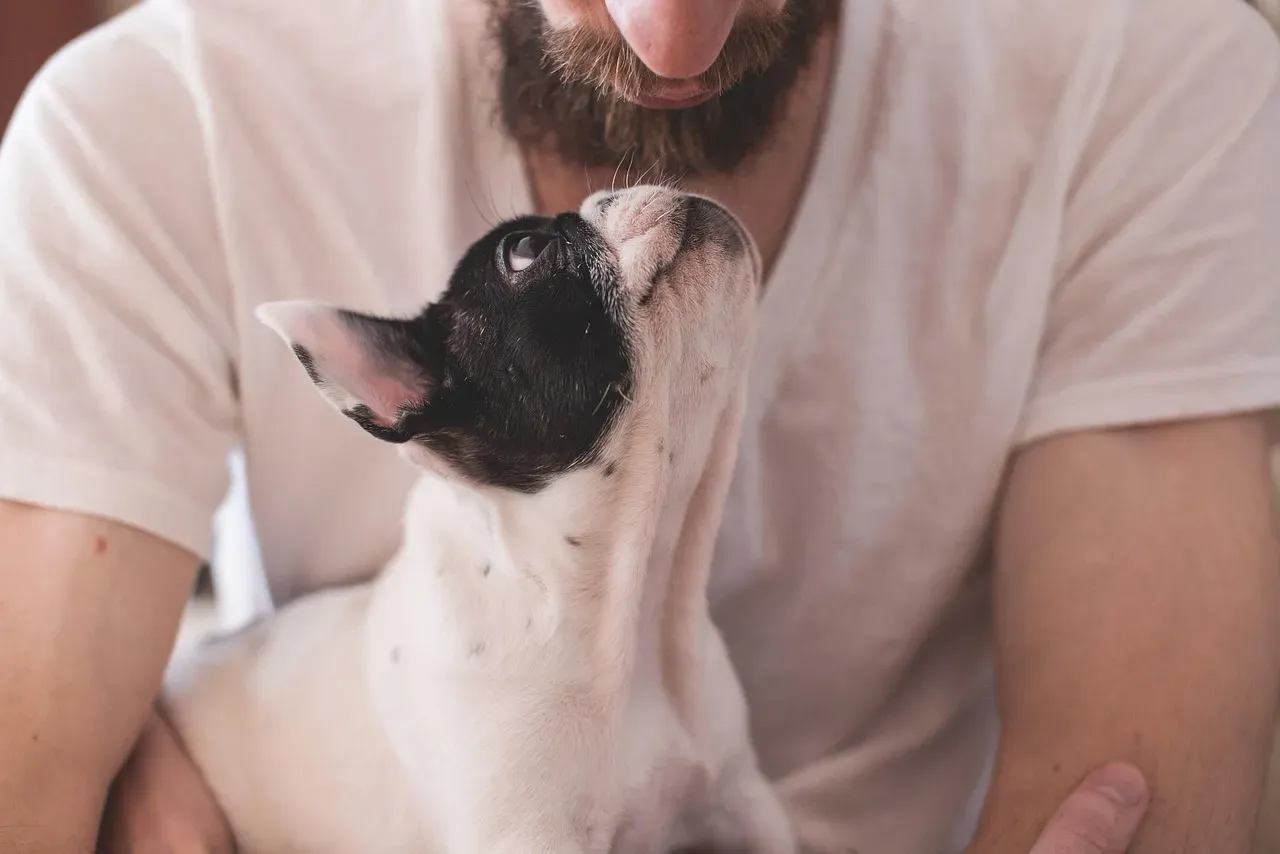
Now for the beautiful part. Knowing what the science says, you actually have the power to intentionally strengthen the bond between you and your dog, simply by being more present and more aware during your everyday moments together.
Increases in beta-endorphin, oxytocin, and dopamine – neurochemicals associated with positive feelings and bonding – have been observed in both dogs and people after enjoyable interactions like petting, play, and talking. Essentially, interacting with a dog, particularly a known dog, can have some of the same psychophysiological markers as when two emotionally attached people spend time together. That quiet sofa cuddle with your dog is doing more than you know.
Oxytocin influences a dog’s attention away from possible threats and toward smiling faces, which supports what is known about oxytocin and how it relieves social anxiety and promotes positive social behavior. This provides further support for the role oxytocin plays in the unique social skills dogs exhibit toward humans. So smiling at your dog, genuinely smiling, actually works. They notice. They respond.
Maintaining your pet’s eye health involves regular care and monitoring, including regular veterinary check-ups, keeping their face fur trimmed, gently cleaning their eyes, and protecting their eyes when applying flea treatments or using shampoos. Love isn’t only in the gaze. Sometimes love is the gentle wipe of a damp cloth and a trip to the vet before a small thing becomes a big one.
A Final Thought From One Dog Lover to Another
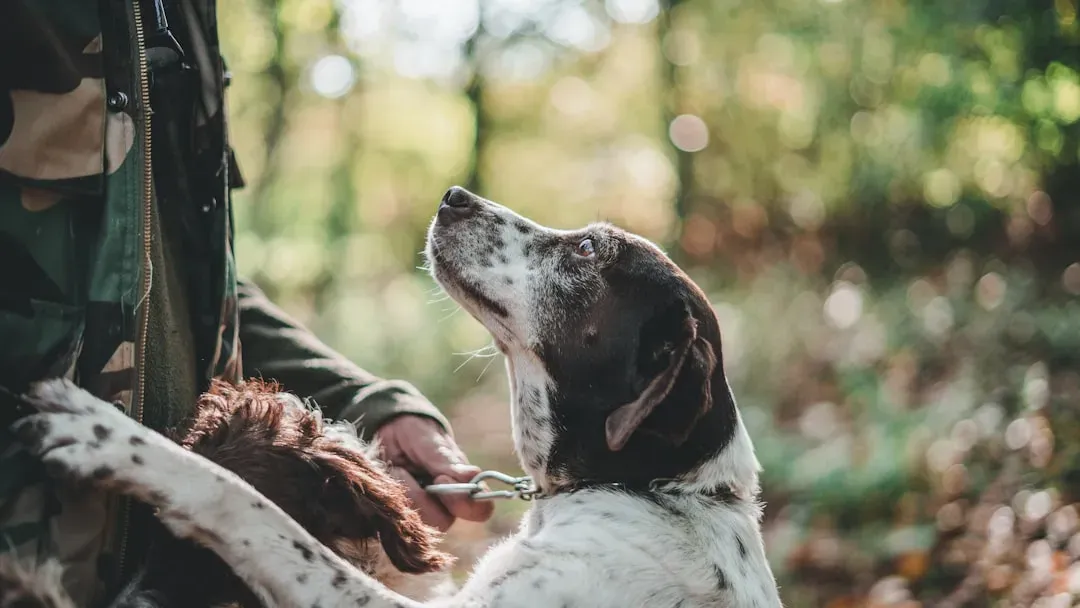
If you take away only one thing from all of this, let it be this: that gaze your dog gives you from across the room, the one that makes your heart do a small, involuntary thing – that is real. It is backed by biology, shaped by tens of thousands of years of a relationship unlike any other in the animal kingdom, and it is, in every meaningful sense, love.
Your job, as the person on the other end of that gaze, is to look back with the same care and attentiveness your dog offers you so freely. Watch their eyes for joy. Watch them for stress. Watch them for health signals. And yes, sometimes, just sit quietly together and let the oxytocin do its ancient, beautiful work.
The next time your dog looks up at you for no particular reason, think about how extraordinary that moment truly is. Two different species, bridging the gap between them with nothing more than a glance. What would you say back, if you could?


