
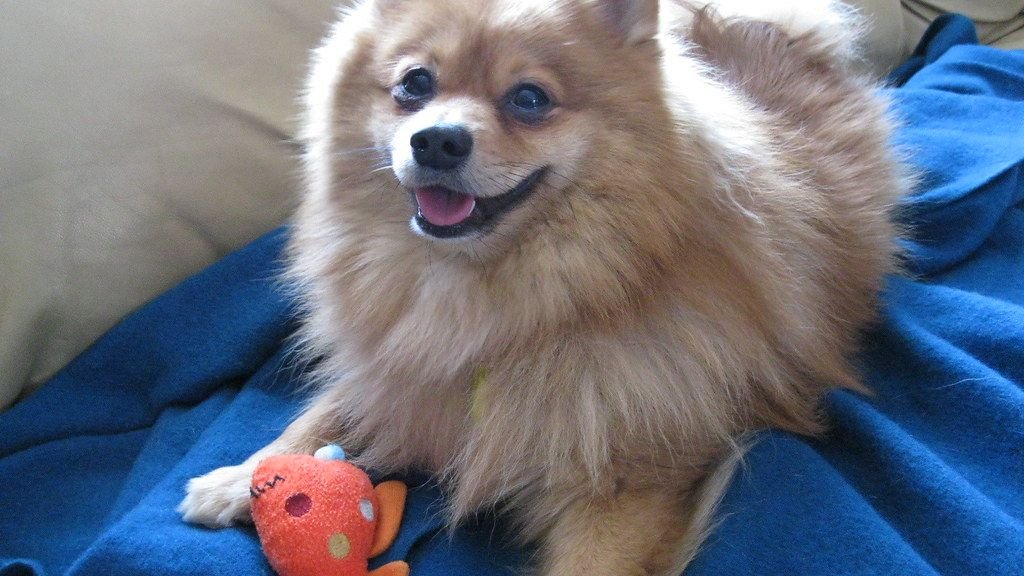
You’ve probably noticed that your dog gravitates toward the same toy over and over again. Maybe it’s that ratty tennis ball they refuse to part with, or the squeaky plush that’s been through countless wash cycles. While it might seem like just a quirky preference, there’s actually something deeper going on here.
The toys your dog chooses aren’t random. They’re windows into their personality, their instincts, and sometimes even their emotional needs. Once you start paying attention to these patterns, you might be surprised by what you discover about the furry friend sleeping at your feet right now.
The Chase Enthusiast: Dogs Who Live for Balls and Frisbees
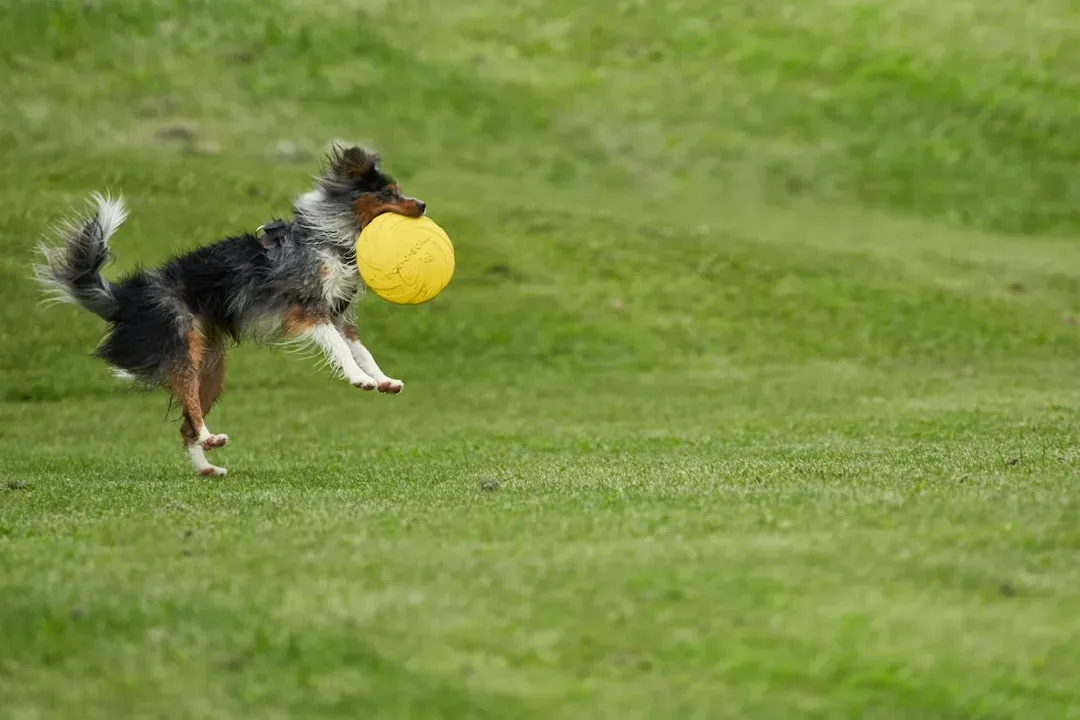
If your dog goes absolutely bonkers for anything that rolls, bounces, or flies through the air, you’re living with a natural born chaser. These dogs often have strong prey drives rooted in their breeding history. Retrievers, herding breeds, and terriers frequently fall into this category because their ancestors were bred to chase down game or keep livestock moving.
What this reveals is that your dog likely has high energy levels and a genuine need for vigorous exercise. They’re not just playing when they sprint after that ball, they’re fulfilling a deep biological urge. These dogs tend to be focused, driven, and highly trainable because they’re motivated by movement and the thrill of the hunt.
The flip side? Dogs obsessed with chase toys sometimes struggle with impulse control. If your pup can’t seem to stop even when they’re panting heavily, it’s worth teaching them a solid “drop it” command and building in mandatory rest breaks during play sessions.
The Squeaker Seeker: What That Noisy Obsession Really Means
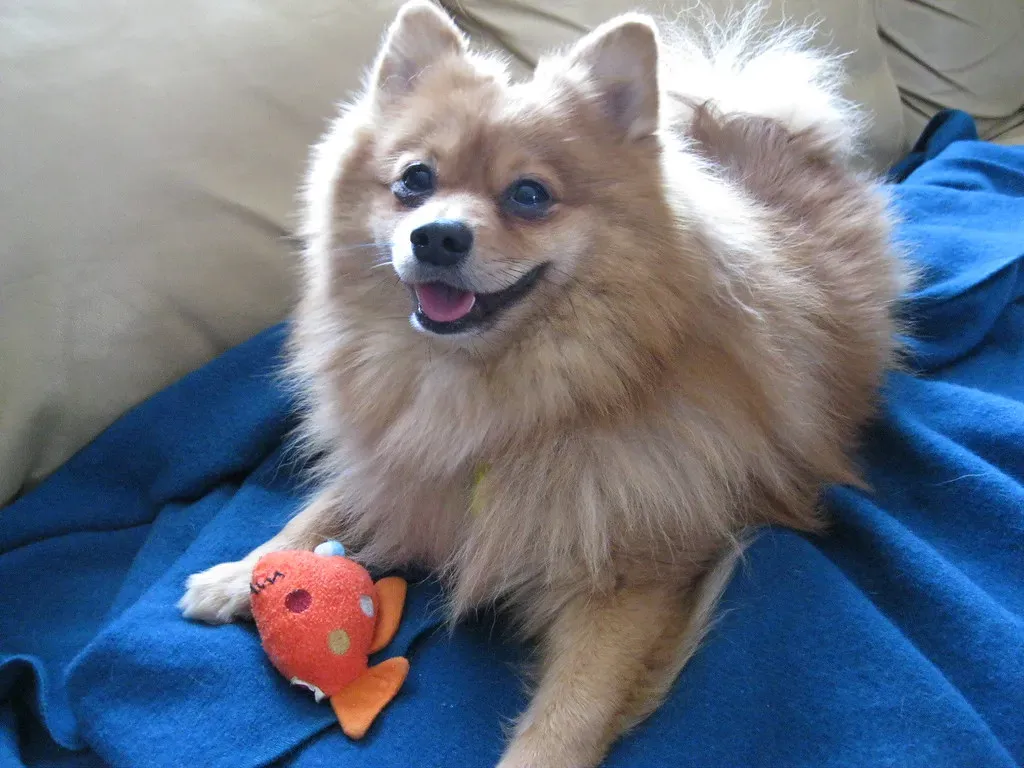
Does your dog systematically destroy every squeaky toy within minutes, surgically removing the noisemaker like a tiny surgeon? This behavior taps into something primal. That high-pitched squeak mimics the sound of small prey, triggering your dog’s predatory instincts even if they wouldn’t hurt a fly in real life.
Dogs who love squeakers tend to be highly alert and responsive to sounds in their environment. They’re often the first to hear someone at the door or notice unusual noises outside. This can make them excellent watchdogs, though it sometimes means they’re more prone to sound sensitivity or anxiety during thunderstorms and fireworks.
Interestingly, the satisfaction dogs get from “killing” the squeaker can actually be quite calming for them. It’s not aggressive, it’s just instinctual. Still, if your dog gets overly worked up or possessive with squeaky toys, rotating them out and choosing quieter alternatives during calm-down times might help manage their arousal levels.
The Tugger: Dogs Who Want to Play With You
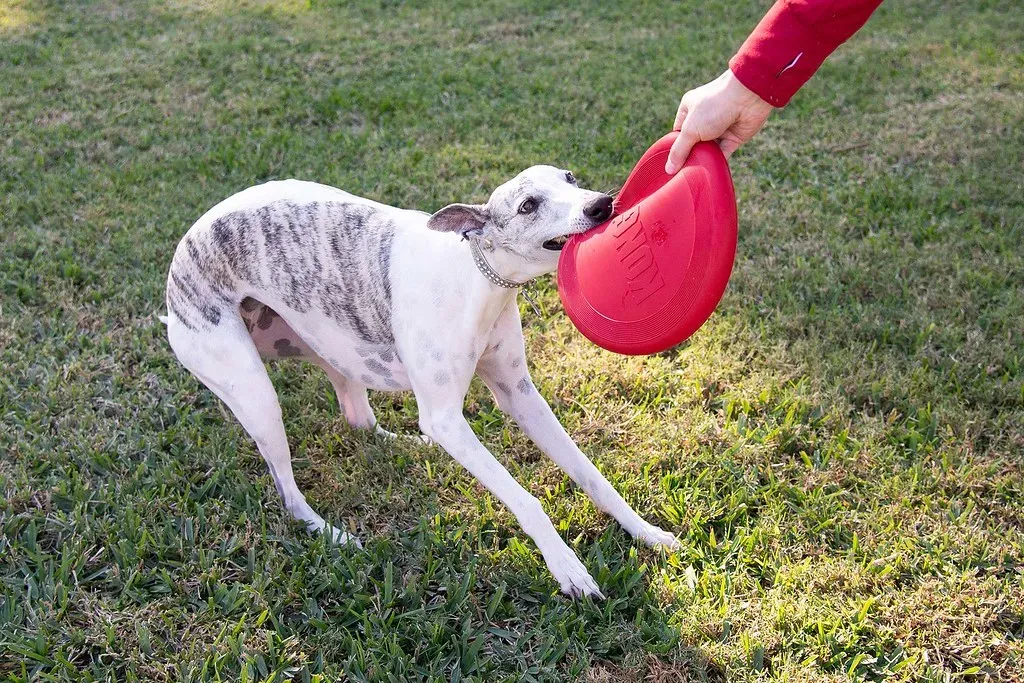
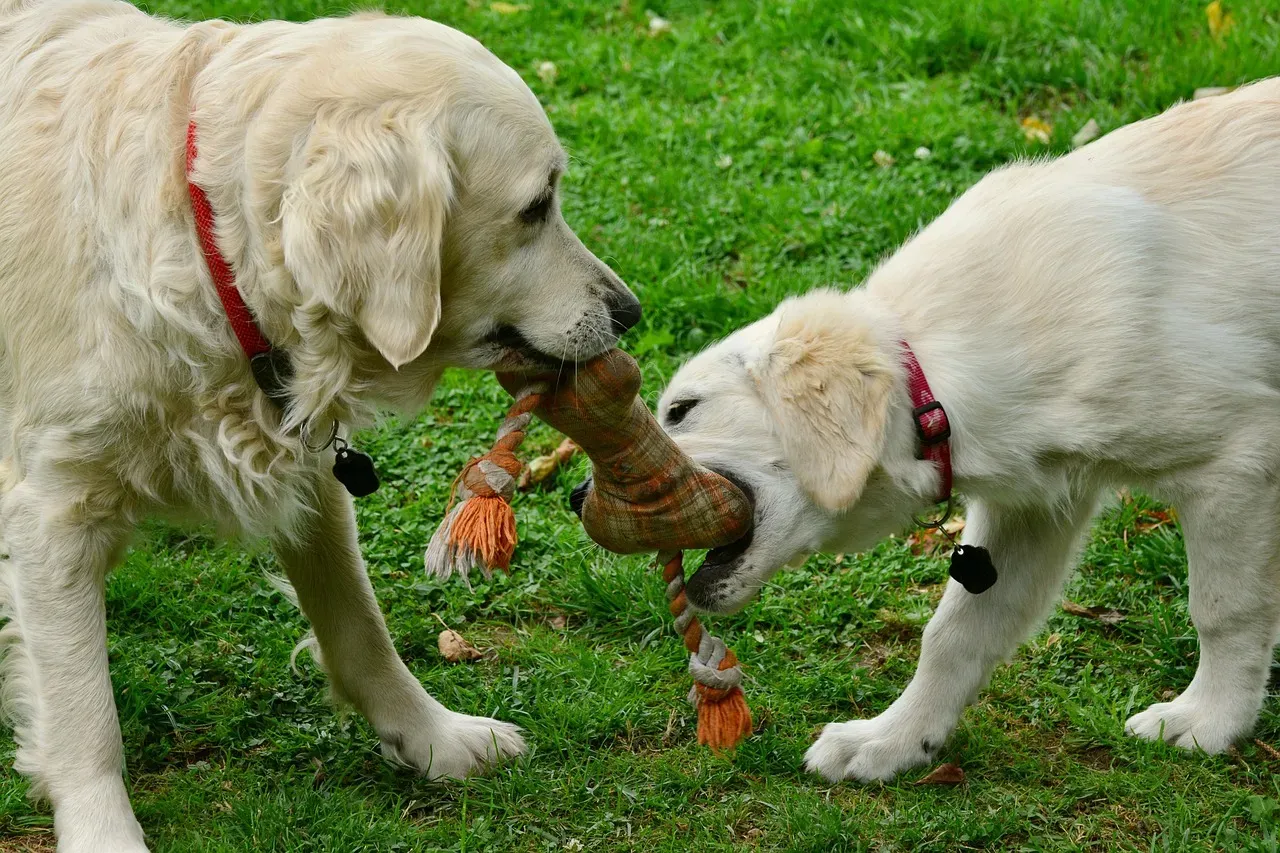
Some dogs couldn’t care less about toys unless you’re on the other end. If your pup’s favorite game is tug of war, congratulations, you’ve got a highly social dog who values connection above everything else. These dogs often form incredibly strong bonds with their humans and thrive on interactive play.
Tug lovers are usually confident and enjoy a bit of friendly competition. Contrary to old myths, playing tug doesn’t make dogs aggressive or dominant. It actually builds trust and provides fantastic physical and mental exercise. Dogs who prefer tug often excel at activities that require teamwork, like agility training or nosework.
Pay attention to how your dog plays tug, though. A dog who gets overly intense or has trouble releasing the toy might need some work on self control. Teaching “take it” and “drop it” commands during calmer moments makes tug time more enjoyable and safer for everyone involved.
The Comfort Chewer: Soft Toys and Gentle Mouthing

There’s something incredibly sweet about watching a dog gently carry around a plush toy without destroying it. Dogs who prefer soft, cuddly toys and treat them carefully often have nurturing, gentle temperaments. Some even seem to mother their toys, carrying them from room to room or sleeping with them tucked under their chin.
This behavior can stem from a few places. Some dogs with softer play styles simply aren’t driven by predatory instincts the way others are. They might prefer comfort over stimulation. Female dogs, particularly those who’ve had puppies, sometimes exhibit this behavior more frequently, though plenty of males are gentle toy carriers too.
If your dog suddenly becomes attached to a soft toy they carry everywhere, it might signal they’re feeling anxious or insecure about something. The toy becomes a security blanket. While this is usually harmless, a sudden change in behavior is always worth noting, especially if accompanied by other signs of stress like decreased appetite or changes in sleep patterns.
The Puzzle Solver: Dogs Who Choose Challenges Over Chaos
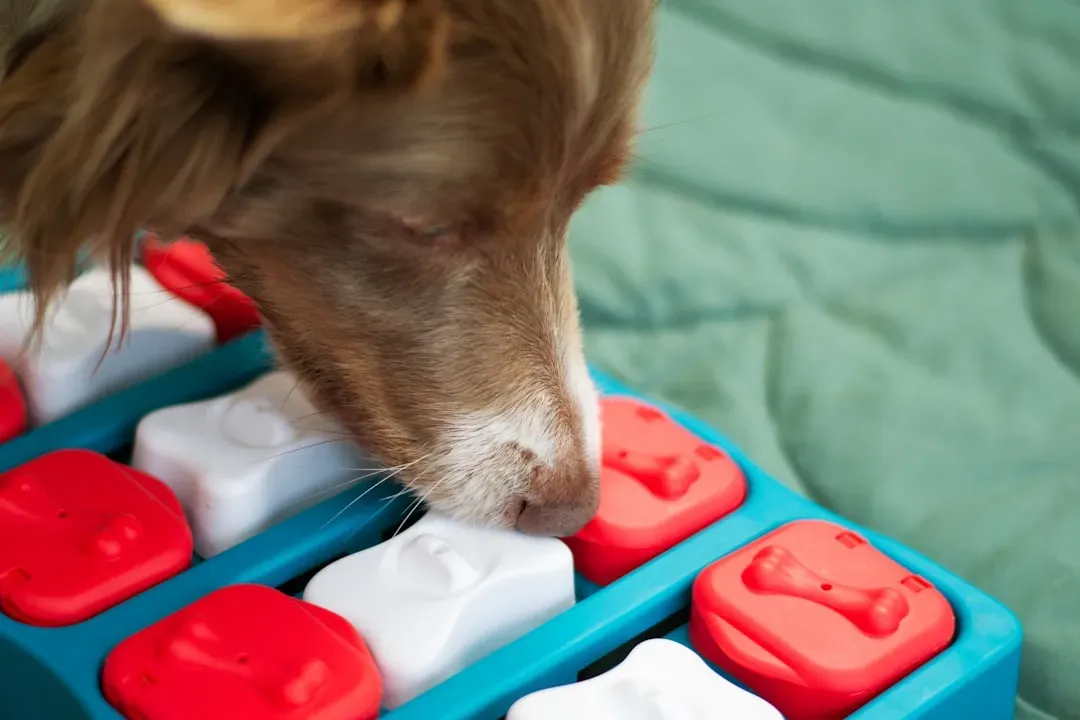
Some dogs ignore the toy basket entirely unless you pull out the puzzle feeders or interactive games. These are your thinkers, the dogs who need mental stimulation just as much as physical exercise. Breeds originally developed for complex jobs, like Border Collies, Poodles, and German Shepherds, often fall into this category, though any dog can love a good brain teaser.
If your dog prefers puzzle toys, you’re likely dealing with an intelligent pup who gets bored easily. These dogs can become destructive or develop anxiety if they don’t get enough mental enrichment. The good news is they’re usually eager learners who pick up new commands quickly and enjoy training sessions.
Honestly, dogs who love puzzles are teaching us something important. They’re showing us that physical exercise alone isn’t enough. A tired body with a bored mind still finds trouble. Rotating puzzle toys regularly keeps them challenging, and hiding treats around the house for scavenger hunts taps into this same need for problem solving.
The No Toy Dog: When Your Pup Prefers Sticks and Rocks
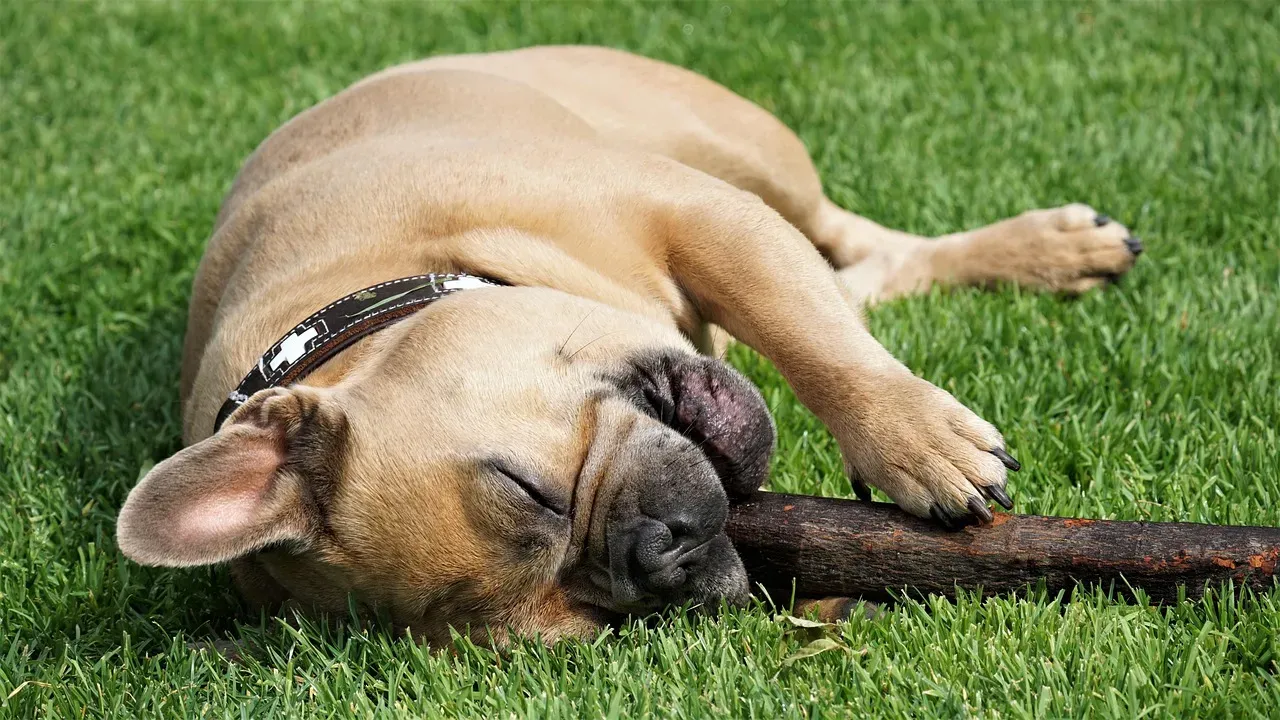
Let’s be real, some dogs look at that overflowing toy basket and choose a random stick from the yard instead. If your dog consistently ignores store bought toys in favor of natural objects, they might be telling you they prefer novelty and authenticity over manufactured entertainment. It’s hard to say for sure, but these dogs often have independent streaks and strong exploratory instincts.
This preference can also indicate that your dog is motivated by scent and texture more than visual stimulation or sounds. Sticks smell like the outdoors, they have interesting textures, and they change slightly every time, providing new sensory information. Some dogs are just more sensorially driven than others.
The concern here is safety. Sticks can splinter and cause serious mouth injuries, and rocks can damage teeth or become choking hazards. If your dog loves natural textures, try offering safer alternatives like thick rope toys, rubber sticks designed for dogs, or even frozen carrots for chewing. Meeting them halfway honors their preferences while keeping them safe.
Conclusion
Your dog’s toy preferences aren’t just cute quirks, they’re genuine insights into who they are at their core. Whether you’ve got a ball obsessed retriever, a puzzle loving thinker, or a gentle soul who babies their plush bunny, these choices reflect their instincts, personality, and needs. Paying attention to these patterns helps you become a better advocate for your dog’s wellbeing.
The next time your dog picks up their favorite toy, take a moment to really watch them. You might notice something you’ve never seen before. What does your dog’s favorite toy say about them? Have you discovered any surprising patterns in their play? Share your stories, we’d love to hear what you’ve learned about your four legged companion.


