
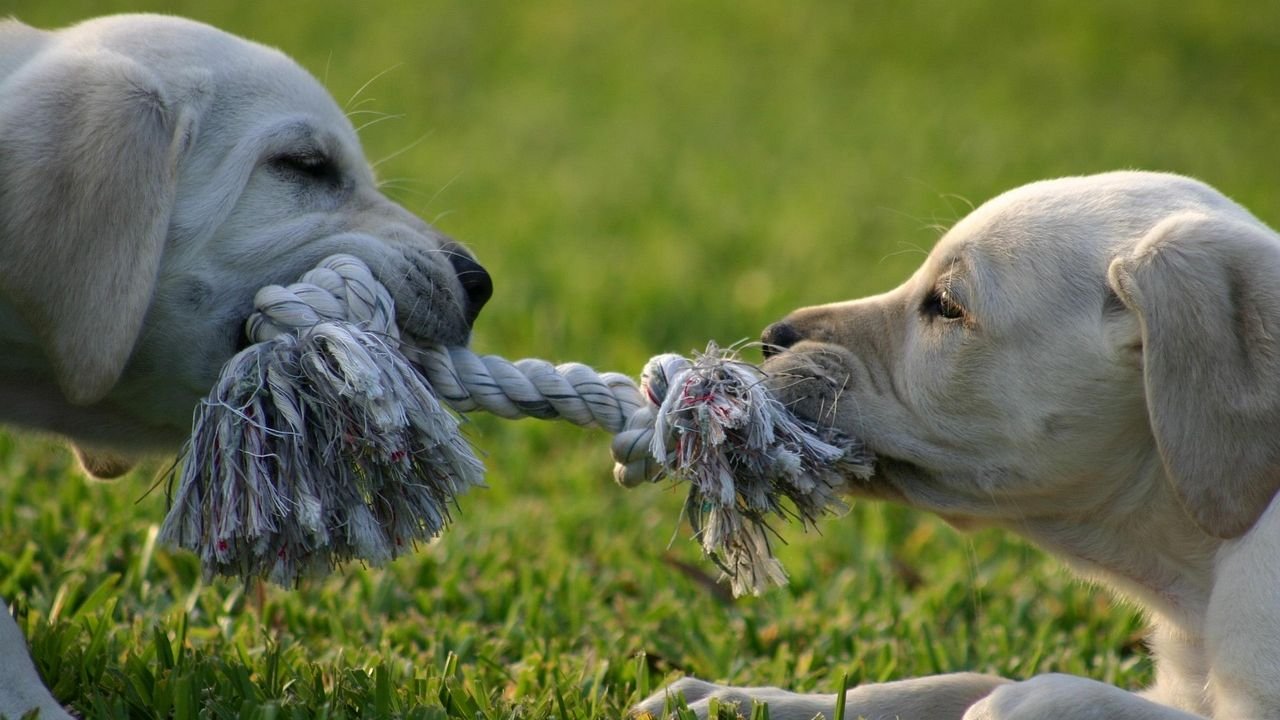
Have you ever noticed how your dog lights up around one particular toy while ignoring the rest? Maybe it’s that squeaky duck they carry everywhere or the tennis ball they’d choose over dinner. It’s not random. That preference whispers secrets about who your dog truly is beneath all that fur and unconditional love. Their toy choice connects to instincts buried deep within their DNA, shaped by centuries of selective breeding and individual quirks that make them uniquely them.
Think of toys as windows into your dog’s inner world. While we can’t ask them what they’re thinking, watching how they play gives us clues about their drives, temperament, and emotional needs. The toy they gravitate toward reflects something essential about their personality, and honestly, it’s pretty fascinating once you start paying attention. So let’s explore what your dog’s favorite plaything is really telling you.
The Squeaky Toy Enthusiast: Your Little Hunter at Heart
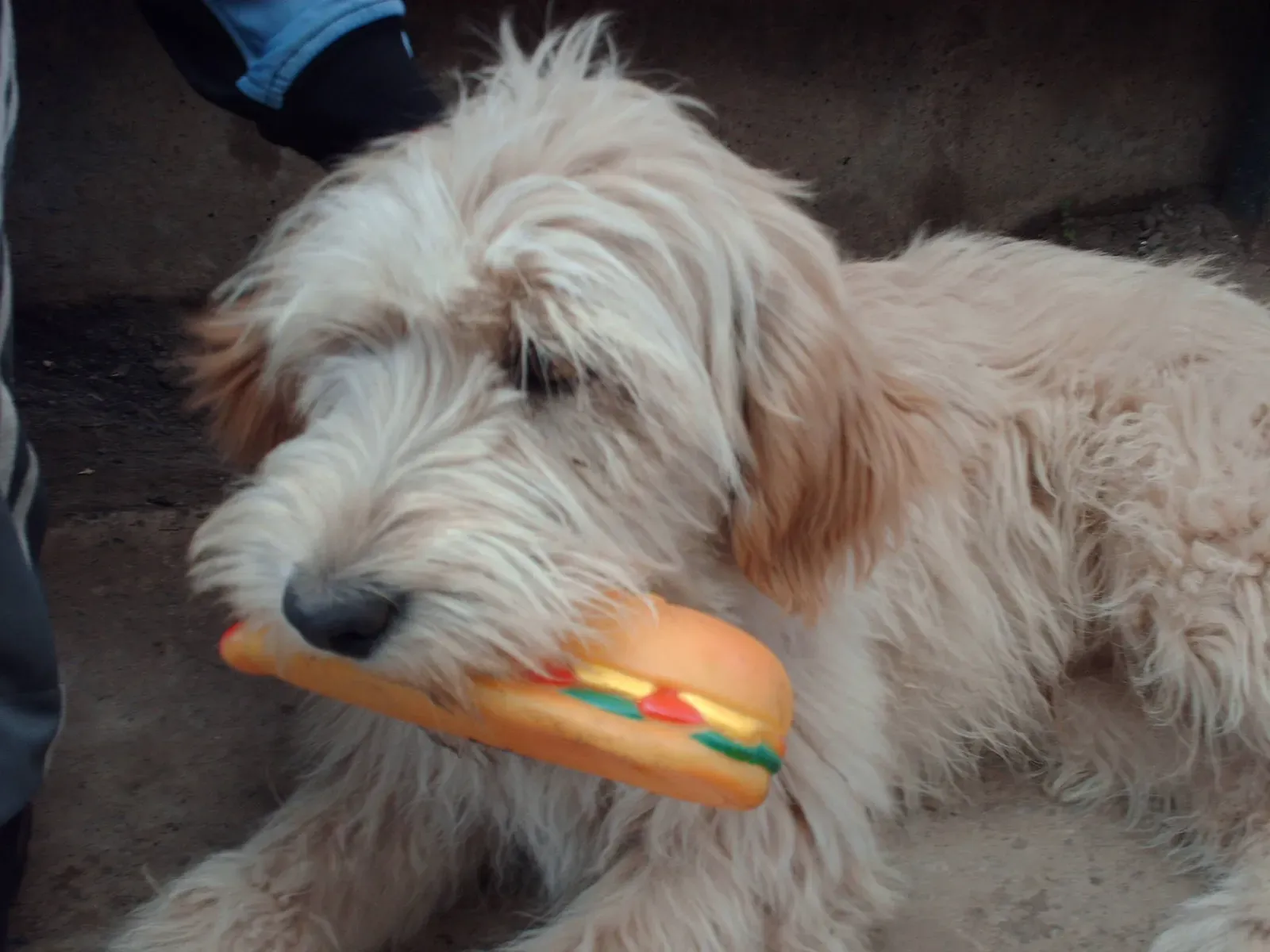
If your dog can’t resist squeaky toys, you’ve got a natural hunter on your hands, as the squeak mimics sounds that frightened or injured prey would make, attracting dogs with high prey drives and the instinctual urge to hunt. These dogs typically display personality traits including playfulness, curiosity, and persistence. Every time they chomp down and hear that noise, they’re getting instant gratification.
This immediate reward simulates prey sounds, triggering hunting behaviors and providing mental stimulation. You might notice your squeaky toy lover doesn’t just play with the toy. They often shake it vigorously, pounce on it repeatedly, and seem genuinely thrilled each time it makes that sound. It’s not annoying to them. It’s success.
These pups tend to be problem-solvers who enjoy challenges and respond well to interactive training. They love immediate feedback and thrive when rewarded quickly for good behavior. Keep in mind that some of these dogs can become quite focused on getting that squeak, sometimes to the point of obsession.
The Ball and Fetch Fanatic: Speed Demons and Energy Machines
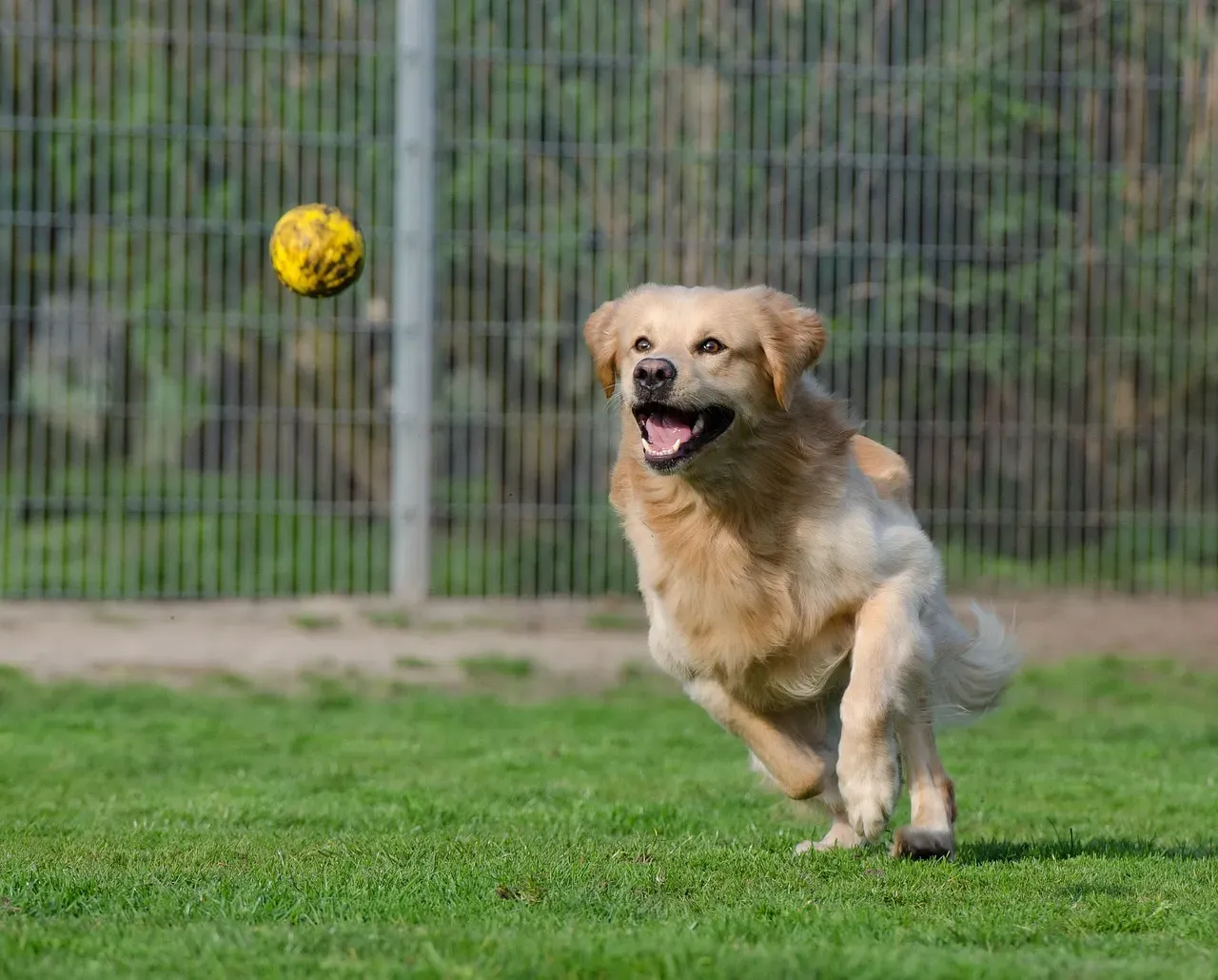
Does your dog live for the throw? Dogs obsessed with frisbees, balls, and other throwable toys love the game of fetch and have a clear need for speed and the thrill of the chase. This suggests they are highly active with lots of energy to burn, governed by their natural predatory instincts, making them athletes who thrive on adrenaline rush and are highly engaged, loving interactive play with their owners.
These are your marathon runners. Every single toss is pure joy to them. They’re often happiest when physically exhausted, which means they need regular, vigorous exercise to stay mentally balanced. Without it, they might redirect that energy into less desirable behaviors like excessive barking or destructive chewing.
Dogs who love tennis balls are likely active and love running and retrieving, and they may also be the type content to spend hours chewing. For fetch-obsessed dogs, the relationship with their owner matters immensely. They see playtime as a collaborative activity, a shared adventure where you’re both part of the game.
The Tug-of-War Champion: Confident Competitors Who Love Connection
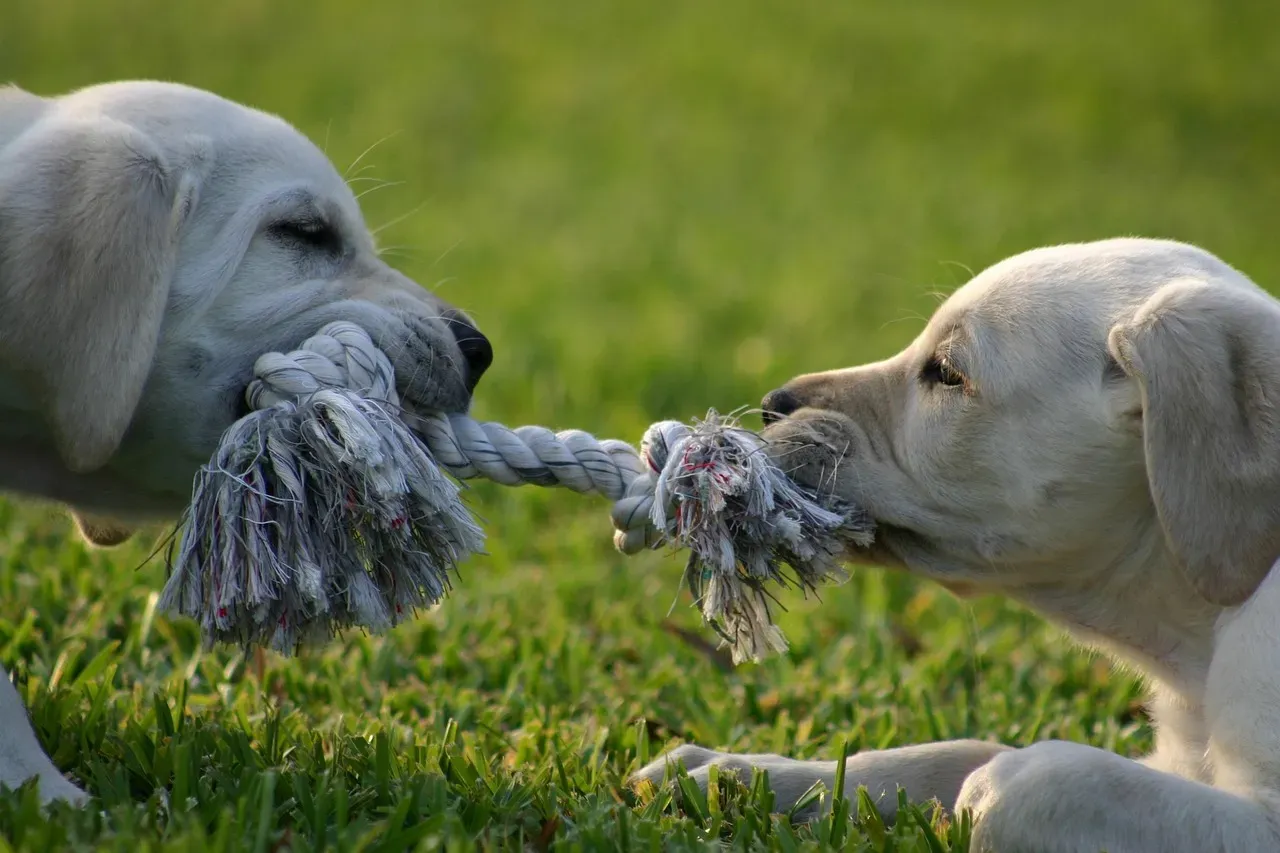
If your dog prefers tug-of-war, you have a competitor who understands you’re their favorite person to play against, as it’s a collaborative game allowing your canine companion to expend energy while showing off their strength to their best friend. Dogs who love rag bones and toys for tug-of-war probably crave active lifestyles where they can show off their athletic prowess, and are likely confident, a necessary trait for engaging in play that challenges the person on the other end of the toy.
Let’s be real, tug lovers aren’t trying to dominate you. That’s an old myth. They simply enjoy the physical contest and the connection it creates. These dogs are often outgoing and social, relishing any game that involves direct interaction with their favorite humans.
A penchant for pulling can indicate that your dog likes to channel their predatory instincts, as they likely don’t get the opportunity to hunt down prey in normal life, so their preference for pull toys is a sign they like getting back to their roots. This play style is particularly common in terriers and working breeds who possess strong grips and determination. The key is establishing clear boundaries with commands like “drop it” to keep the game fun and controlled.
The Plush Toy Protector: Nurturing Souls and Comfort Seekers

A love for stuffed animals can indicate different traits depending on how your dog plays with that plushie, with some dogs using stuffed animals as substitutes for potential prey, tracking teddy bears in the living room instead of hunting critters in the woods. However, there’s another side to plush toy lovers that’s incredibly touching. Some dogs are drawn to plush toys because they’re sensitive and nurturing, and these dogs may adopt a plush toy to treat as a baby.
You’ll recognize these gentle souls when you see them carefully carrying their toy, placing it in their bed, and treating it with surprising tenderness. This behavior is fairly common and typically experienced by female dogs, generally unspayed, though not in all cases, as hormone imbalances or even false pregnancy can cause this kind of attraction to a toy.
As long as their behavior isn’t compulsive, it’s sort of endearing, as it provides the dog with a sense of comfort and security. These nurturing dogs often form deep emotional bonds with their families and may be particularly good with children or other pets. They’re the caretakers of the canine world.
The Puzzle Toy Master: Intelligent Problem Solvers Who Need Mental Workouts
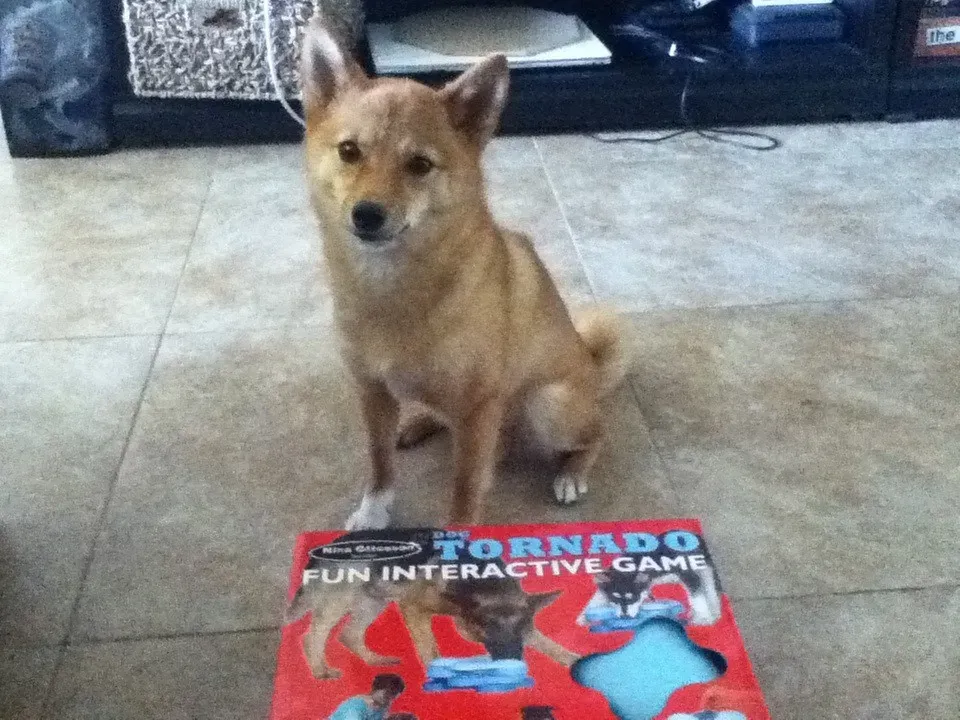
Dogs that love puzzles are often highly trainable and thrive on variety and mental stimulation, as their owners know that an engaged mind is a happy mind. Toys that dispense treats tap into foraging instincts, keeping dogs engaged and mentally sharp. If your dog ignores simple toys but spends ages working out how to extract treats from a puzzle, you’re living with a serious thinker.
These intellectual players get bored easily with repetitive activities. They need challenges that make them work for rewards. Think of them as the chess players of the dog world. They’re methodical, focused, and genuinely enjoy the process of figuring things out, not just getting the treat at the end.
These dogs often excel in training classes and can learn complex commands or tricks more quickly than other dogs. The downside? Without sufficient mental stimulation, they may create their own entertainment, which could mean learning to open cabinets, unzip bags, or escape from yards. Keeping their brilliant minds occupied is essential for their wellbeing and your sanity.
Conclusion
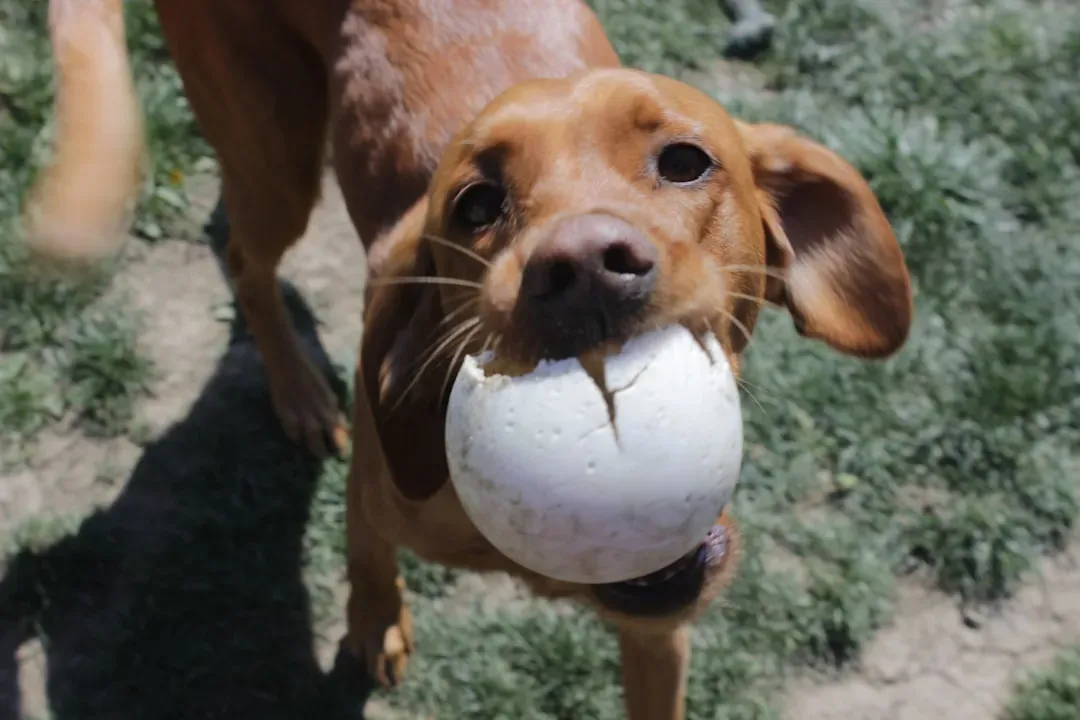
Your dog’s toy preference isn’t just a cute quirk. It’s a genuine reflection of their inner drives, personality traits, and emotional needs. Whether they’re chasing balls with endless enthusiasm, gently nurturing a plush toy, or methodically solving puzzles, they’re showing you who they really are. Understanding these preferences helps you provide better enrichment, choose more appropriate activities, and strengthen the bond you share.
Next time you watch your dog play, pay attention. Notice what brings them joy, what captures their focus, and what they return to again and again. Those choices tell a story about the remarkable individual sharing your life. What does your dog’s favorite toy say about them? Share your observations in the comments.


