
You know that moment when your dog ignores the brand-new toy you spent twenty dollars on, only to drag your old sock across the living room like it’s the crown jewel of the universe? That, right there, is not random. It is deeply personal. Our dogs are constantly communicating with us through the choices they make, and their toy preferences are one of the most telling windows into who they really are.
The kind of toy your dog loves the most can reveal fascinating insights about their temperament, instincts, and even emotional needs. Honestly, I think most of us underestimate just how much our pups are saying when they nudge a squeaky ball toward us or tug stubbornly on a rope. So let’s dive in and decode what your dog’s toy basket is actually trying to tell you.
The Fetch Fanatic: Your Dog Is an Athlete at Heart
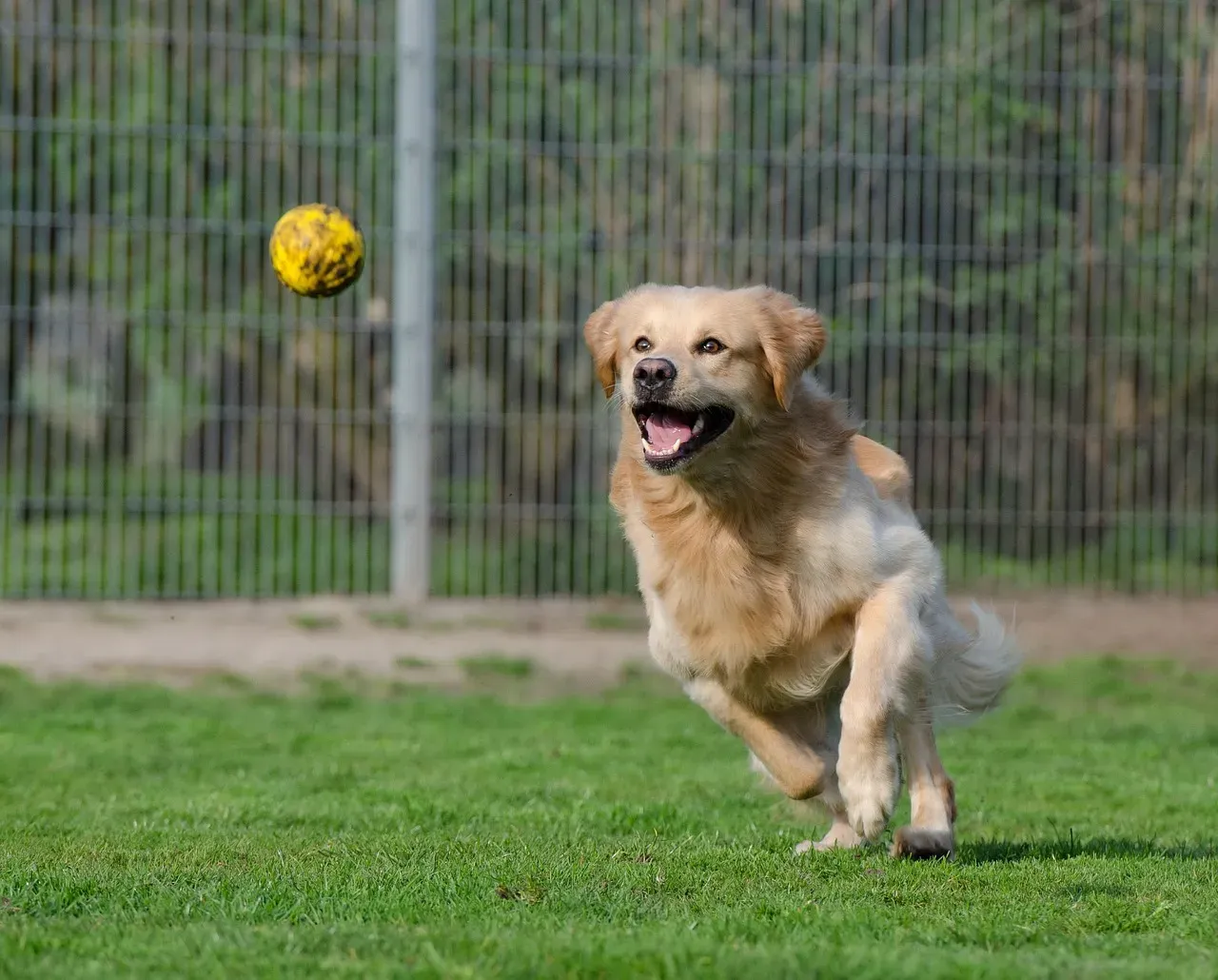
If your dog drops a ball at your feet for what feels like the five hundredth time today, congratulations. You are living with a born athlete. Throwable toys all have something in common to your furry friend: the thrill of the chase. Think of it like a runner who simply cannot go a day without their morning jog. The drive is almost physical for these dogs.
These dogs are highly active and have lots of energy to burn, governed by their natural predatory instincts. You can say that this dog is an athlete who thrives on an adrenaline rush. Breeds like Border Collies, Retrievers, and Dalmatians are classic examples, though any dog can carry this spirit inside them.
While good old tennis balls may be the go-to chase or fetch toys, they tend to wear down and break into pieces that can be harmful if swallowed. A more durable rubber ball may be better if you want to log some serious fetch hours with your furry friend. Keep that in mind next time you’re shopping. Your dog’s enthusiasm deserves the right equipment.
The Squeaky Toy Obsessive: Meet Your Little Hunter
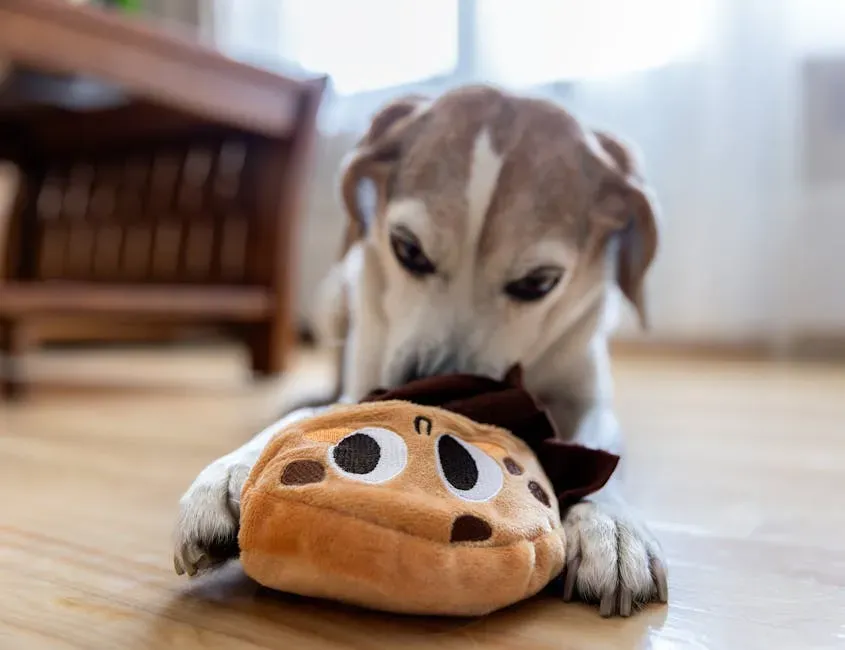
If your dog loves playing with squeaky toys, you’ve got a furry little hunter on your hands. The squeak made by these toys is comparable to sounds that potential prey would make if frightened or injured. Dogs with high prey drives that have the instinctual urge to hunt may be more attracted to these types of toys. It sounds a bit wild when you say it out loud, but it is just nature doing its thing.
Another reason why dogs love squeaky toys is because they’re great at providing immediate gratification. If your dog loves being rewarded for tricks, squeaky toys will give them that immediate reaction every single time they chew on it. It is like a little round of applause every single squeeze. No wonder they go absolutely bananas for it.
Behavior tip: watch for intense shaking of the toy after the squeak sounds. That is a classic predatory sequence and a completely healthy outlet for natural instincts. Let them have their moment. Just maybe not at 6am.
The Tug-of-War Champion: Confident, Bold, and Bonded to You
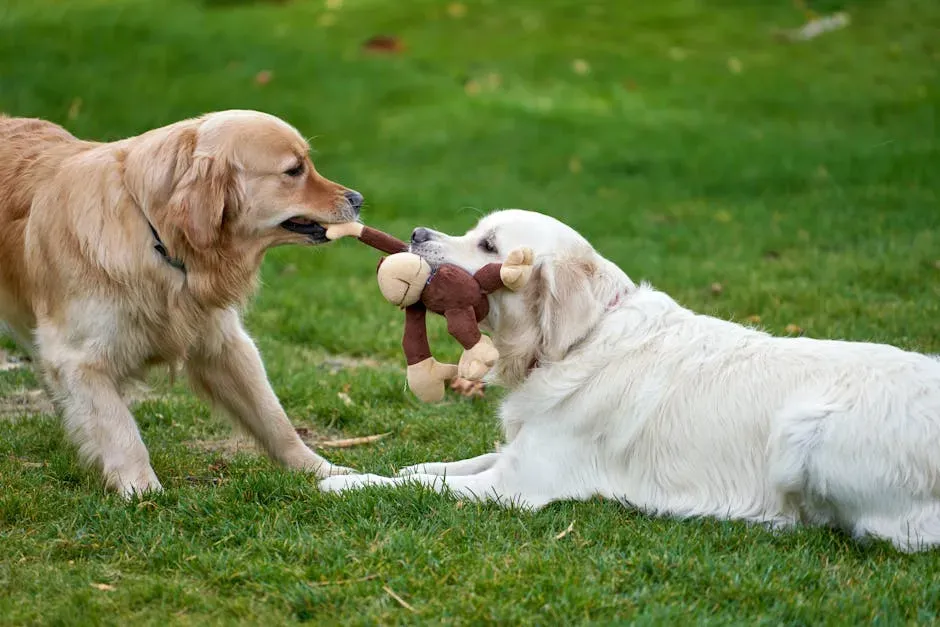
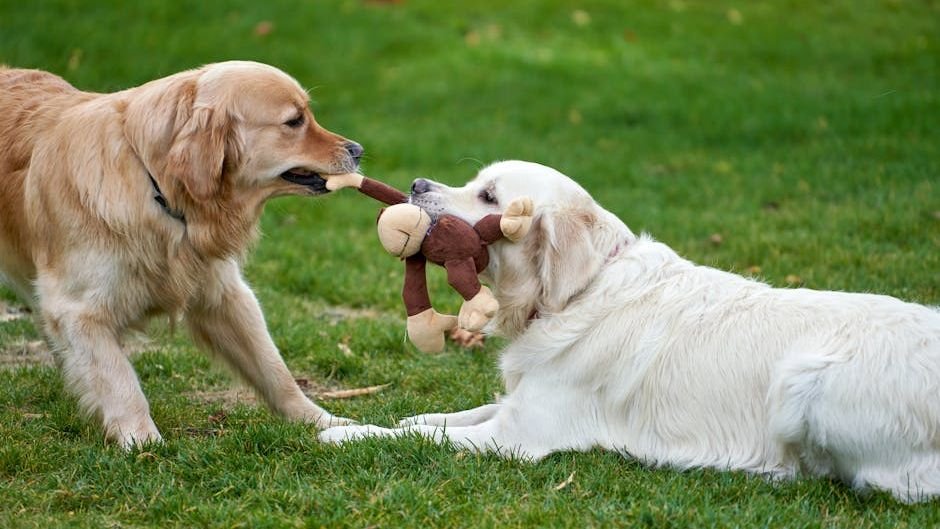
If you find that your dog prefers a game of tug-of-war, you have a competitor, and one that understands you’re their favorite person to play against. Tug-of-war is a collaborative game that allows your canine companion to get out a lot of energy, but in a way where they can show off their strength to their best friend. Let’s be real, it is basically the dog version of a friendly arm wrestle.
Dogs who love tug-of-war are often competitive, confident, and strong-willed, which allows them to channel their predatory instincts in a fun and controlled manner. This is a dog who trusts you completely and sees play as the ultimate team sport. That is actually something beautiful.
One important tip: it is important that your dog knows the “drop it” command before playing tug-of-war so that you do not lose control and you can stop a problem if the dog becomes too aggressive with the toy. Teaching “drop it” early keeps the game fun, safe, and controlled for everyone involved.
The Plush Toy Nurturer: Sensitive, Sweet, and Emotionally Rich
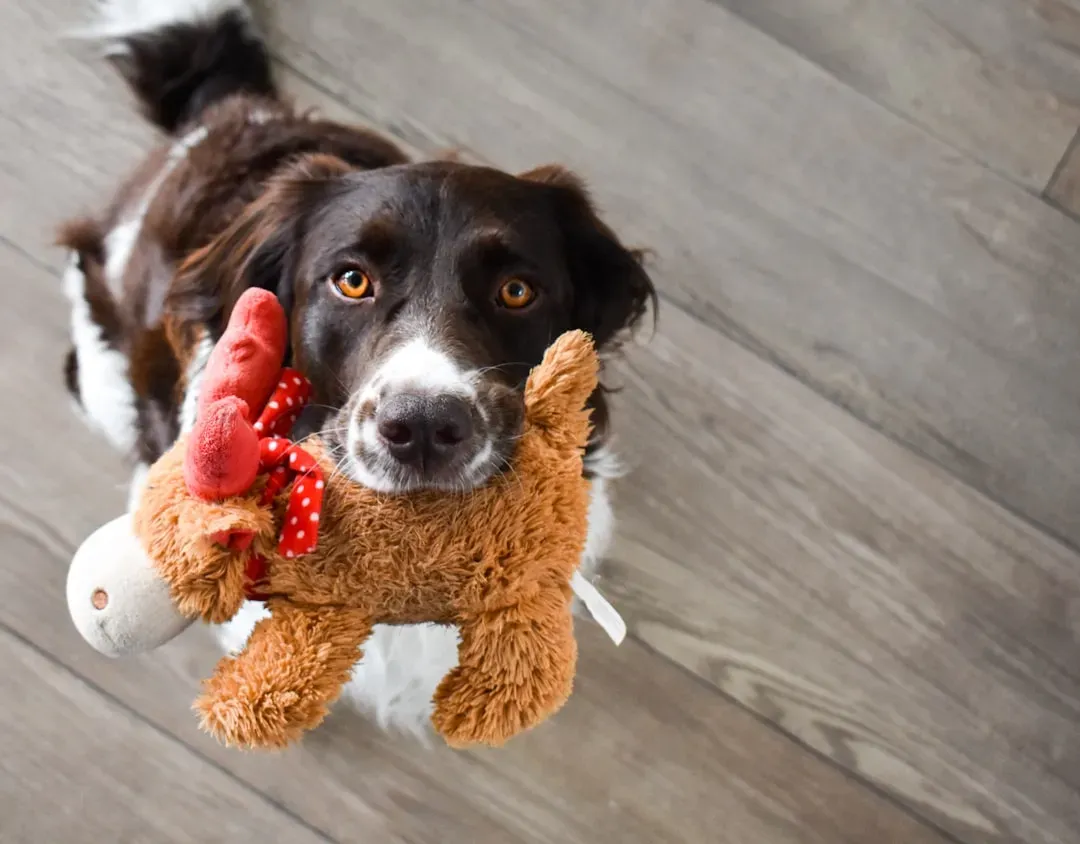
Some dogs are drawn to plush toys because they’re sensitive and nurturing. These dogs may adopt a plush toy to treat as a baby. If you have ever watched your dog carefully tuck a stuffed animal into their bed or carry it gently from room to room, you have seen this personality in full bloom. It is nothing short of heartwarming.
When a dog carries a toy from room to room, it’s rarely about play. There’s no squeaking or thrashing, just deliberate transport. At its simplest, the toy is something your dog wants close. More often, it functions as a stabilizing object during downtime or transitions. Think of it as their version of a comfort blanket.
Anxious dogs may prefer comfort toys like soft stuffies. So if your pup seems to reach for their plush pal during thunderstorms, new visitor arrivals, or routine changes, that toy is doing real emotional work. Honor that need. Swap out worn or damaged plush toys gradually, using a similar texture and size so the transition feels gentle and safe.
The Puzzle Solver: Your Dog Is Smarter Than You Think
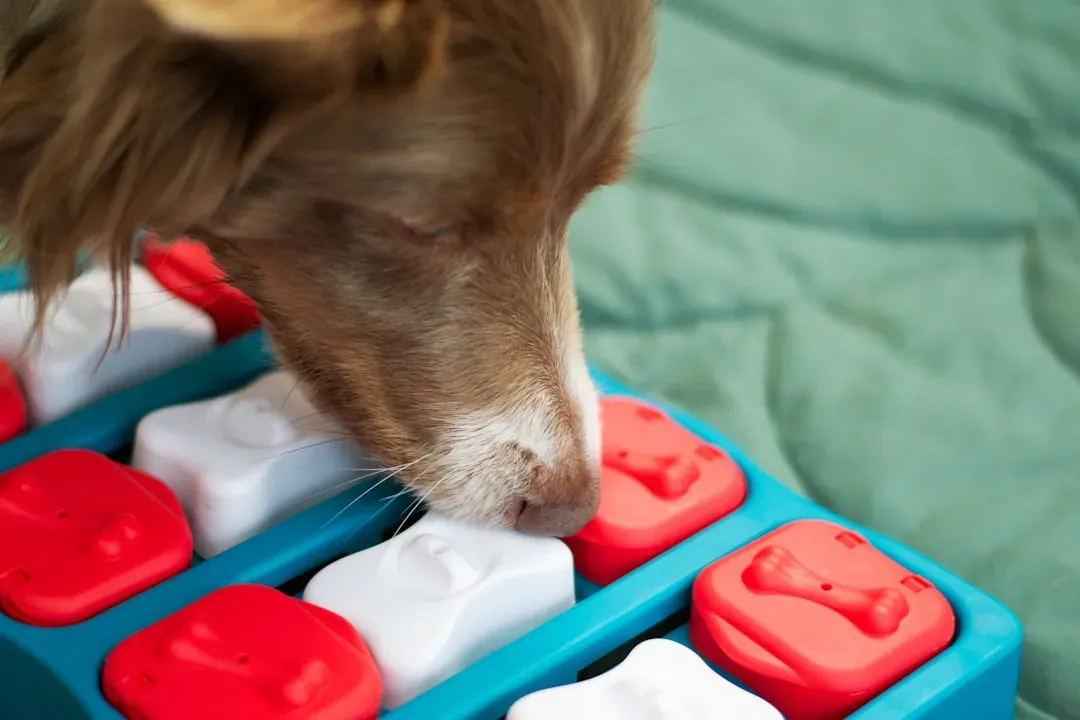
Toys that dispense treats tap into foraging instincts, keeping dogs engaged and mentally sharp. Dogs who obsess over puzzle feeders and treat-dispensing toys are essentially telling you they need a job. They are not just hungry. They are intellectually hungry, and that difference matters enormously for their wellbeing.
Dogs that love puzzles are often highly trainable. They thrive on a lot of variety and mental stimulation. This is the dog who figures out the childproof cabinet faster than your toddler. Sound familiar? If so, you have a thinker on your hands.
Play encourages mental stimulation and can help combat boredom and anxiety, releasing energy they could otherwise channel into bad habits like chewing on your favorite sneakers. Rotating puzzle toys every few days keeps the challenge fresh and your dog genuinely engaged. A bored brilliant dog is, I promise you, a very creative problem solver in all the wrong ways.
Wrapping It All Up: Play Is Their Language, Love Is the Translation
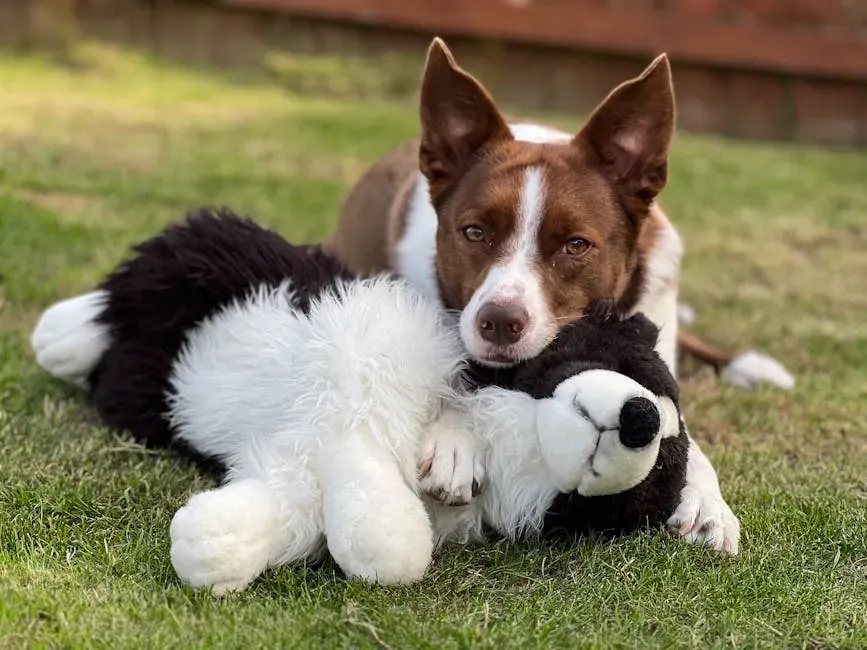
Dog toys play a very important role in keeping a dog mentally and physically healthy. Toys provide dogs with an outlet for excess energy and can prevent them from becoming bored or depressed. The toy basket in your living room is not just clutter. It is your dog’s toolkit for a happy, balanced life.
Age, health, energy level, and routine all influence what a dog wants from a toy. What worked at one stage may quietly lose relevance later. So keep watching, keep noticing. Your dog’s preferences will evolve alongside them, and every shift is a new invitation to understand them better.
Here is the thing: you do not need to decode your dog with a science degree. You just need to pay attention. That chewed-up rope, that beloved squeaky hedgehog, that suspiciously stolen sock are all your dog’s way of saying, “This is who I am. Do you see me?” The more we listen, the richer the bond grows. And honestly, that is the whole point, isn’t it? What does your dog’s favorite toy say about them? We’d love to know in the comments.


